

At Senate Estimates, Labor admitted there are around 80,000 people in Australia without a valid visa, nearly 84,000 migration cases backed up in the tribunal system, and widespread concerns about visa hopping and migration loopholes.
They also confirmed new measures to restrict student dependents, crack down on visa abuse and increase removals of unlawful non-citizens.
For years, One Nation has warned that Australia’s migration system was being exploited while governments looked the other way.
Now Labor is slowly adopting the very measures it once dismissed.
The difference is that One Nation wants to fix the problem. Labor is still trying to explain how it happened.
Transcript
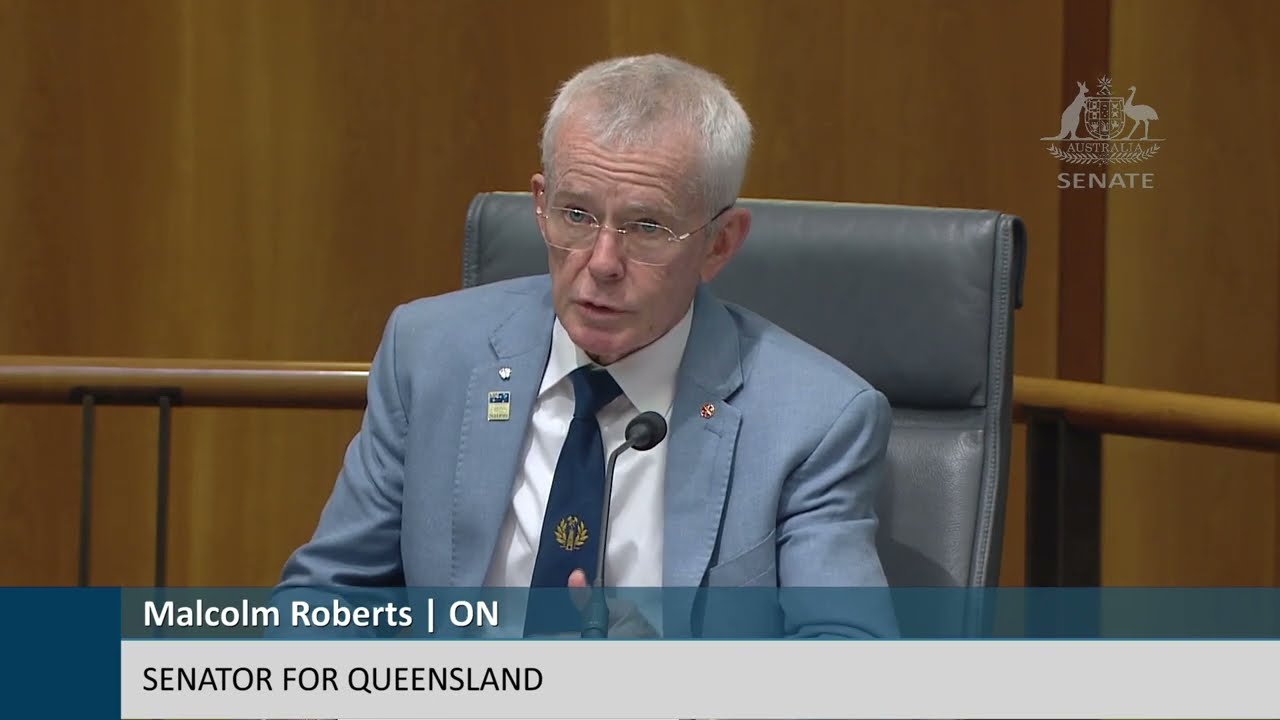
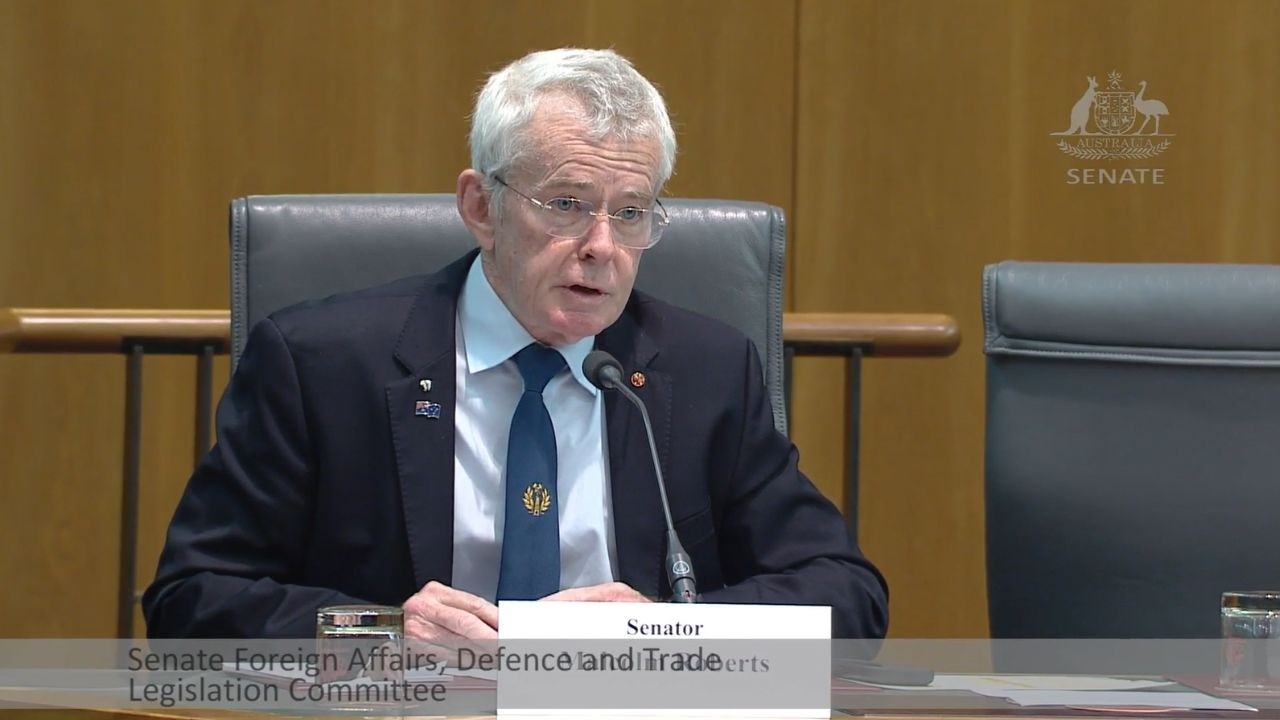
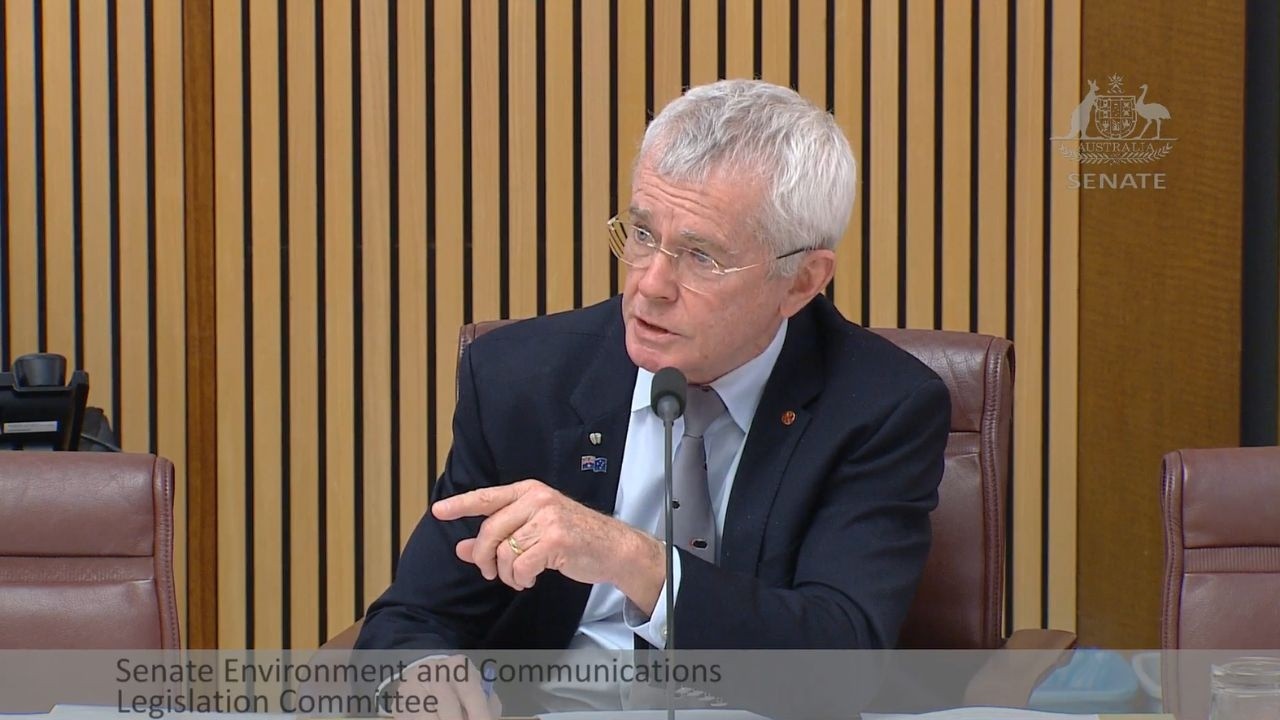
CHAIR: Senator Roberts.
Senator ROBERTS: What measures are being taken to send the illegals out of Australia?
Ms Sharp: Senator, Mr Thomas will no doubt come up and join me at the table. The government has announced that it’s funding an additional 250 beds in immigration detention. That is going to assist us to much more actively target people who have no right to remain—visa overstayers, predominantly. We have also received additional funding for around 100 additional officers, predominantly for our field removals and detention capability. That will allow us to have the additional people to go out and do the work to identify individuals who are overstaying their visas. We will also be communicating much more proactively with people as they approach the end of their visa period, and immediately after, to ensure they understand that, when their visa expires, they either need a new visa or need to leave and that, if they don’t leave, the immigration detention system is there and it will be used.
Mr M Thomas: As Ms Sharp said, it’s really maximising the engagement with this cohort to encourage self departure as much as possible. Where people do not self-depart, we look at detention and removal. But we aim to maximise the number of unlawful non-citizens here leaving the country at the end of their migration pathway.
Senator ROBERTS: Thank you for your answer. Would it be fair to say that there are two problems here? One is you’re addressing 80,000 people who are here illegally with 250 beds. So there are two aspects. One is stopping the future illegals and one is getting rid of the current illegals. Is that fair?
Ms Foster: That’s right, Senator, and I think there are a number of amplifying factors. Depending on how quickly we can turn people over from detention to removal, obviously, those beds can produce a lot more than— it’s not 250 a year, for example. It’s rotating.
Senator ROBERTS: It’s rotating. I get it.
Ms Foster: If, on average, for example, it took us a month to prepare all the papers and get someone involuntarily out, then that’s still 250 by 12. What we’re finding is that some people are leaving more quickly than that. So that’s one factor. The second is that our historical data shows us that, for every person we remove, there is a flow-on effect of people who understand what might happen to them. It’s not advantageous to be removed. It affects your future visa prospects. So there’s a factor of somewhere around six or seven per cent of people who leave voluntarily in relation to the number of people that we remove.
Ms Sharp: Six or seven times.
Ms Foster: Sorry, six or seven times.
Senator ROBERTS: We’ve covered that.
Ms Foster: And then there is the impact of the communications activity and the knowledge that will get around in communities about what’s happening to people that we think will also add to that number. This has been a sticky problem for many, many years. We believe that this combination of measures will allow us to start to make a real impact on that number.
Senator ROBERTS: You should contact Senator Hanson’s office, because our policy comprehensively addresses this, but we’ll move on. What measures are being taken to stop preachers of hate within the Islamic community?
Senator Watt: I’m very glad you asked, Senator Roberts, because—
Senator ROBERTS: Good. I hope you’ve got news—
Senator Watt: You might remember my mentioning at a previous estimates hearing that earlier this year, when we introduced legislation to make it easier to deport hate preachers, you, Senator Hanson and every other One Nation senator voted against that legislation.
Senator ROBERTS: Because of your poison pills in your legislation! You’ve got to get out of this habit.
CHAIR: Senator Roberts, let the minister answer.
Senator Watt: As I’ve pointed out, the other major aspect of that legislation was also cracking down on Neo Nazis, so I’m still waiting to hear what it was about that legislation you didn’t like. Was it that it was taking on—
Senator ROBERTS: I’m happy to sit down in discussion with you.
Senator Watt: Neo-Nazis or deporting hate preachers? I think this is the third or fourth time I’ve made these points.
Senator ROBERTS: So when do you expect Islamic preachers to be sent out of the country?
Senator Watt: Well, it would help to have your support for the legislation that we passed. We actually got support from the coalition. I’ll acknowledge that. But you voted against the legislation—
Senator ROBERTS: Because of the poison pills in the bill.
Senator Watt: that makes it easier to deport hate preachers.
Senator ROBERTS: You can’t get honest legislation through without blackmail, and we’re not going to fall for blackmail.
Senator Watt: You voted against deporting hate preachers.
Senator ROBERTS: Correct.
Senator Watt: It couldn’t be clearer than that.
Senator ROBERTS: We voted against the poison pill in your—
Senator Watt: What was the poison pill?
Senator ROBERTS: There were many poison pills.
Senator Watt: Can you give me an example?
Senator ROBERTS: You’ve put it in industrial relations. You’ve put it in immigration. You’ve put it—
Senator Watt: Can you give me one example?
Senator ROBERTS: No. How many persons on skilled worker visas in Australia are working in their identified skilled professional field?
Mr Willard: Senator, in terms of temporary skilled visa holders, it’s a requirement of their visa that they work in the role for which they were recruited. So most of those temporary visa holders are working in their field. In terms of permanent visas, there’s a recent release from the Bureau of Statistics which is ‘Migrant settlement outcomes’, which talks about permanent skilled entrants. It has some figures in comparison to the Australian population around how those permanent skilled entrants are tracking. In terms of employment rate—and this is the employment to population ratio—the figure for permanent skilled entrants is 82 per cent and the figure for the Australian population is 74 per cent. There are a couple of other key figures there. English proficiency is 91 per cent for permanent skilled entrants and 92 per cent for the Australian population, and a non-school qualification is 80 per cent permanent skilled residents and 36 per cent for the Australian population. This is a Bureau of Statistics publication that was released in September.
Senator ROBERTS: Thank you. What is the extent of people entering Australia as skilled workers who hold worthless or forged qualifications? Do you check qualifications on their application?
Mr Willard: We do check qualifications. Any instance where there’s a fraudulent qualification submitted in an application would result in visa refusal. The vast majority of skilled migrants are highly skilled people who hold high-level qualifications.
Senator ROBERTS: When do you envisage the backlog on visa appeals to be resolved by the Administrative Review Tribunal?
Ms Sharp: There was some very useful legislation passed by the parliament earlier this year that will assist the Administrative Review Tribunal to get through the student backlog. That was a large group of student visa applications that had built up there. They are in the process of now rolling out that change, which is allowing them to dismiss matters on the papers without holding a hearing. You would need to directly ask them about how many months they think it will take to clear that backlog, but they are making some positive progress.
Senator ROBERTS: So you wouldn’t be able to give me an idea of how long it’ll take?
Ms Sharp: No, I really think that’s a matter for the Administrative—
Senator ROBERTS: What are the numbers in the ART appeals process?
Mr Willard: I’ve got the ART report. These are their figures, but the figure I have here—this is a case-load report for 1 July to 31 August 2026. I’m reading the ‘On hand at period end’ figure. There are 54,000 student visas, or just under that figure.
Senator ROBERTS: Then there are other categories as well.
Mr Willard: There are other categories.
Senator ROBERTS: What’s the total backlog that the ART is facing at the moment?
Mr Willard: Again, I’m reading their figure to you. I haven’t been able to verify all of this, but the figure is 83,847 under a heading ‘Migration’.
Senator ROBERTS: Are you aware of the massive current rort of the maritime crew visa subclass 988 for domestic trade and the active abuse of the subclass 400 short stay specialist and subclass 482 temporary skill shortage visas, to flood domestic waters with cheap foreign mariners doing the work that hundreds of highly skilled Australian mariners are qualified and willing to do?
Mr Willard: There are a range of safeguards and measures, in respect of all of those visas, that are designed to prevent misuse of the visas. There are always some instances of noncompliance in respect of visas, but, for the large part, it’s very high levels of compliance that we record.
Senator ROBERTS: Multinational companies are falsely claiming, we’ve been advised, that they cannot find local employees and then hiring low-cost foreign mariners under visa subclasses 400 and 482. There is no skills shortage in this field in Australia. There are many captains, mates and engineers seeking work in Australia.
Ms Sharp: If you have specific examples, you’re very welcome to send them through to us and we can have a look at them. If there are businesses that should be on our radar, we’d welcome you sending those through.
Senator ROBERTS: Is this rort currently being investigated? Are you aware of it?
Mr Willard: Where there are instances of concern raised then we do look into them, and we do engage with employers where there are concerns raised about their practices.
Senator ROBERTS: That’s encouraging, because the foreign workers’ wages go straight out of our country.
CHAIR: Senator Roberts, to give you an indication, you are at your 10 minute block.
Senator ROBERTS: Yes. This will be my last question. Minister, what are you doing to target the huge number of students currently here in Australia—way in excess of the numbers of beds at universities for international students? They, and their families and dependants, are taking up beds and houses that could be filled with Australians. What are you doing about their dependants, their families? What are you doing about people who are here with no real skills? What are you doing about graduates? One Nation has an answer for all of these.
Senator Watt: And you’ll have a chance to put your answers to the public.
Senator ROBERTS: We look forward to that.
Senator Watt: We have already taken action to reduce international student numbers, over the last couple of years, but the recent announcements by Minister Burke involved further action around student visas. To give you a couple of examples, we’re cracking down on what’s referred to as ‘visa hopping’, so student visa holders will not be able to apply for another student visa onshore unless they fit a small number of categories. Most temporary visa holders will be prevented from applying for a student visa onshore. Most international students and temporary graduates will be prevented from bringing family members with them to Australia. So there are a range of new measures that we’re taking in addition to ones that we’ve already taken.
Ms Sharp: In addition to that, from 1 July 2026, the visa application charge for new student visas and temporary graduate visas was increased by 25 per cent. The government allocated $19.8 million to extend the student visa cancellation team to ensure that we can identify and cancel visas of students who are not doing the right thing. Finally, the government is also applying a higher degree of scrutiny over particular providers that are offering courses that are not doing what they’re saying—what they should be doing. So, recently, Minister Hill issued three notices of intention to suspend particular courses and providers.
Senator ROBERTS: Minister, I must say it’s very, very pleasing and gratifying to see that the current government is taking tiny steps to catch up with One Nation. But when are you going to start acknowledging that you are the government—you’ve been the government for almost half a decade—instead of blaming the previous lot?
Senator Watt: The fact is that, when we came to office, we had a broken migration system—
Senator ROBERTS: Half a decade ago.
Senator Watt: Yes. Let me finish. The fact is: when we came to office, we had a broken migration system that was full of rorts, that led to what you’ve described as the highest migration numbers that we’ve seen. Since that time, we’ve taken a whole range of measures that have almost halved net overseas migration—
Senator ROBERTS: You’ve come down to the second-highest and the third-highest! Well done!
Senator Watt: It’s well below that now, because of the action that we’ve taken.
Senator HANSON: They were the highest—
Senator ROBERTS: Yours were the highest, by far.






Leave a Reply
Want to join the discussion?Feel free to contribute!
Using your first name