

No Australian parent should have to spend years fighting to see their own child.
Japan’s joint custody reforms have been hailed as progress, but at Senate Estimates officials conceded they won’t automatically help the families already torn apart.
Today, 16 Australian parents are still seeking contact with 23 children in Japan
For the parents still waiting, justice delayed is time they’ll never get back.
I won’t stop fighting for these families and doing everything I can to help reunite them.
Transcript
CHAIR: Senator Roberts, I understand you’ve got some questions on Japan.
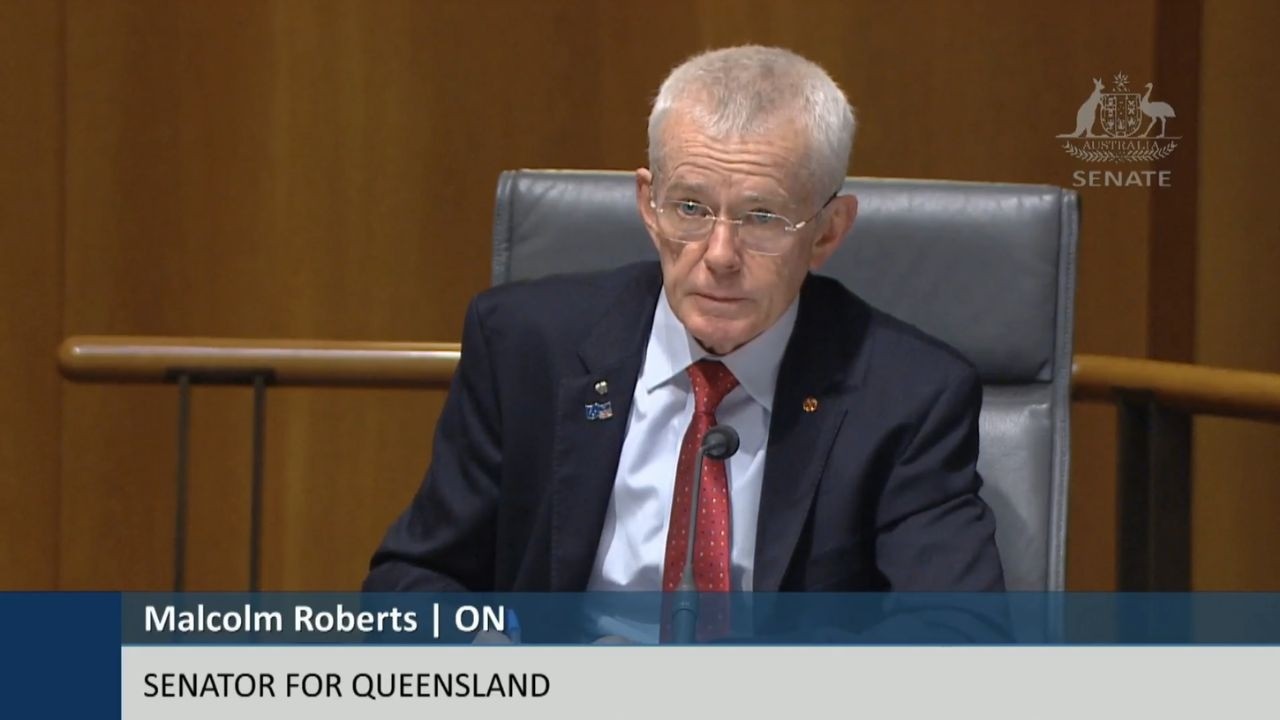
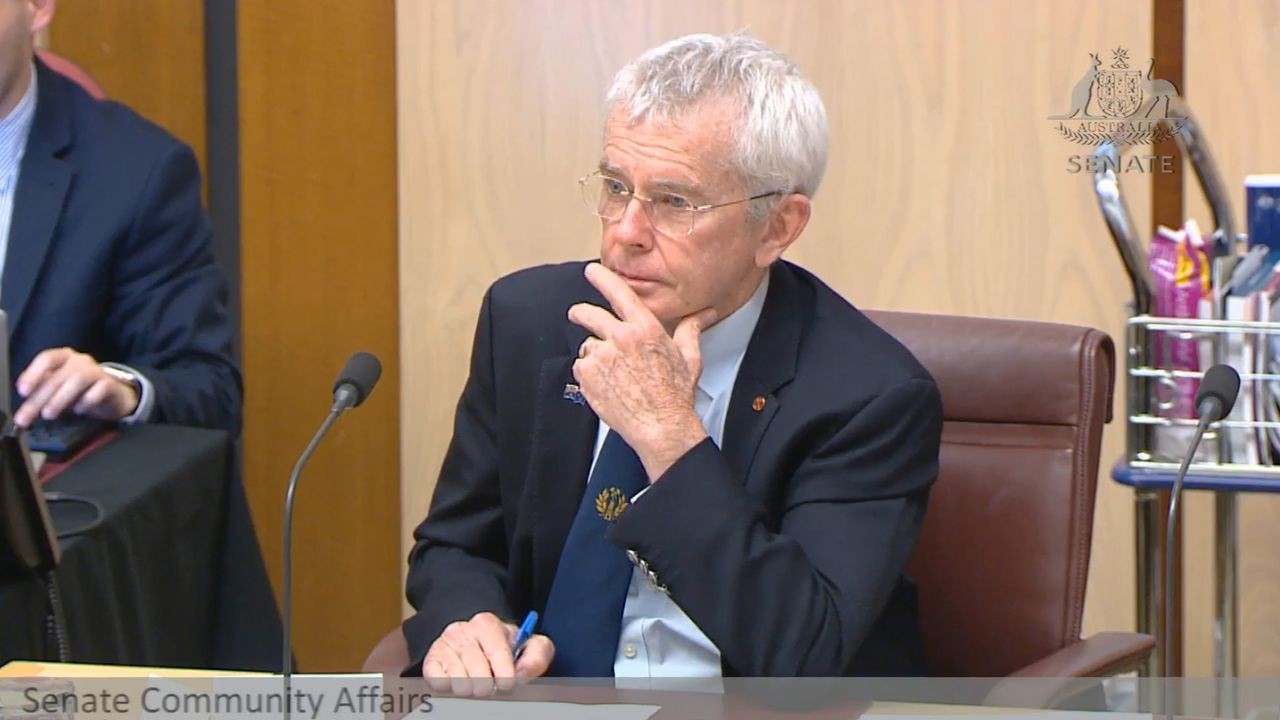
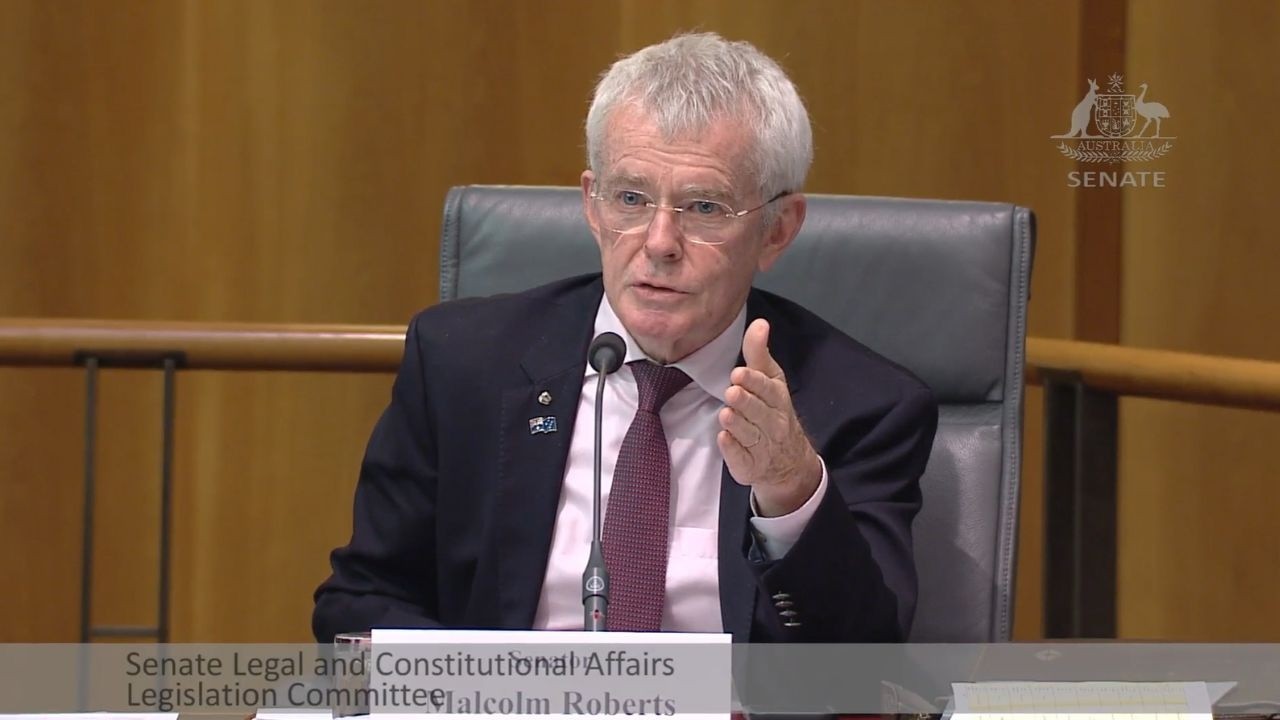
Senator ROBERTS: I have, thank you, CHAIR. Thank you for appearing today. These questions, Senator Wong, are follow-ups from earlier questions regarding child support issues where children have been taken— stolen, rather—from a parent to now reside in Japan. I respect and admire the Japanese people. This is a difficult issue, and I understand it’s sensitive, Senator Wong. We’ve discussed that in the past. What’s changed, and what remains proposed in Australian child support law related to stolen children resident in Japan?
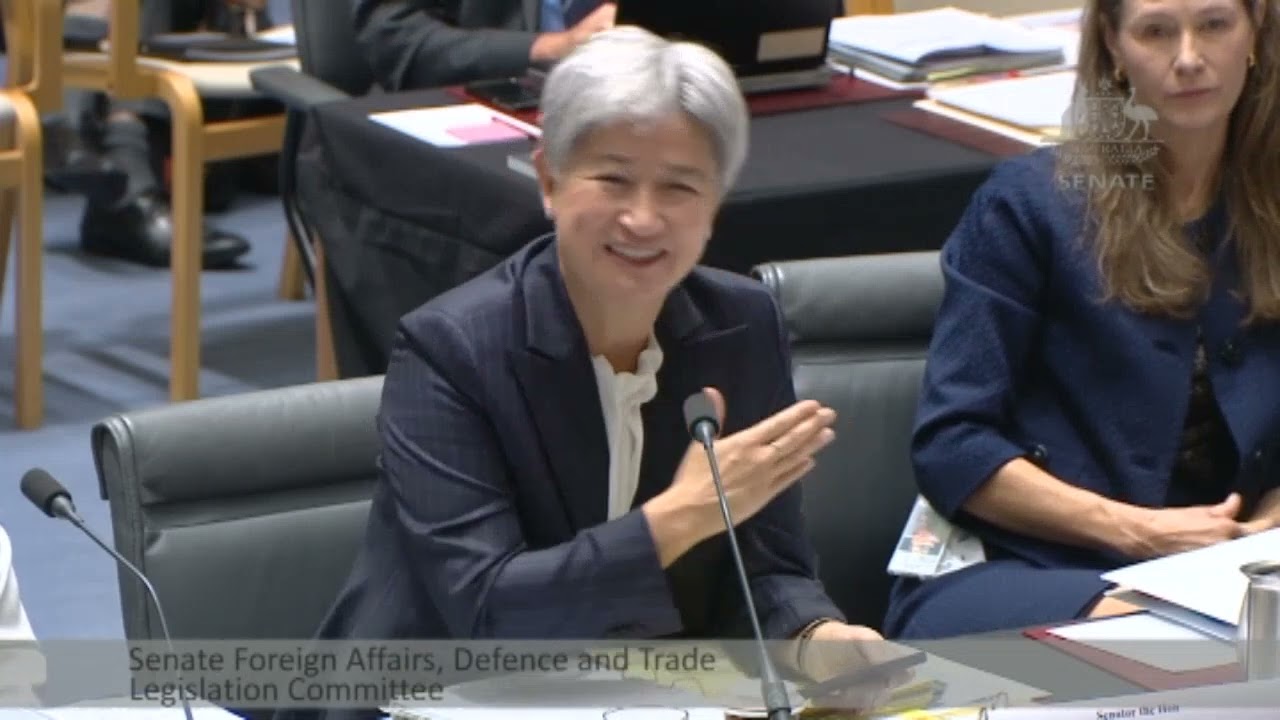
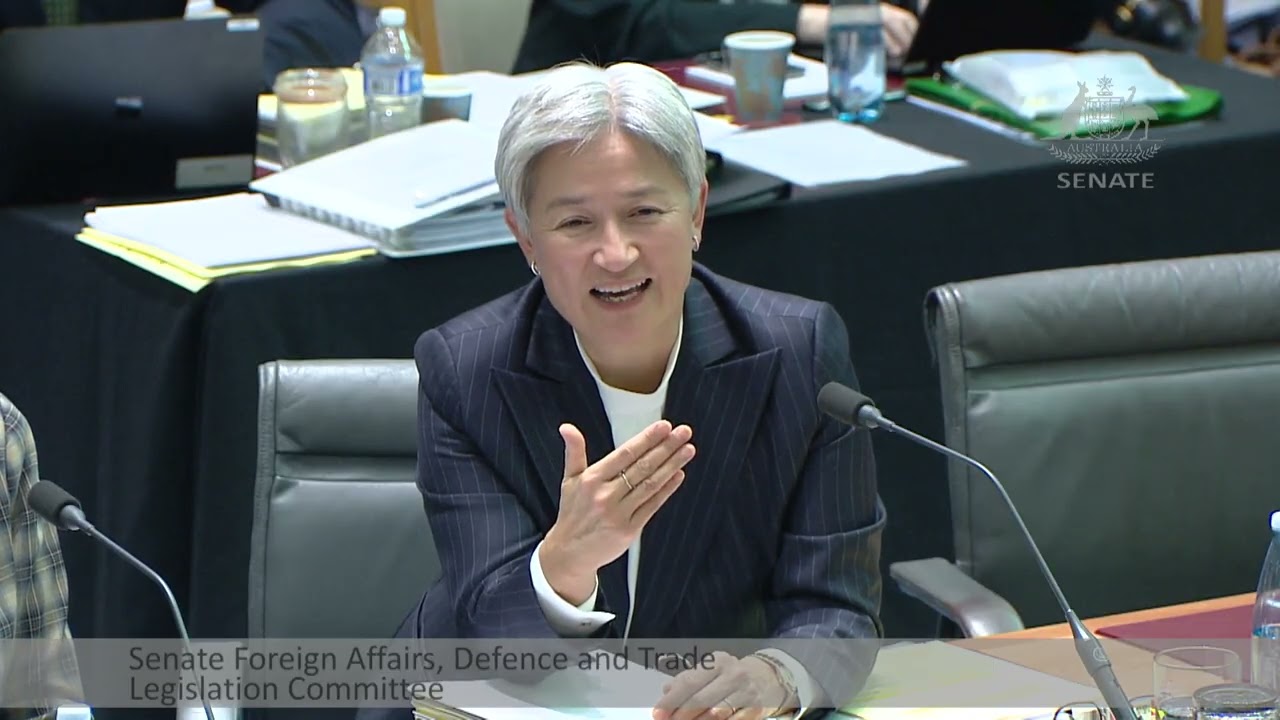
Senator Wong: I don’t think we can speak to child support legislation here. What we can speak to is the work we’ve done to advocate for the consideration of joint custody arrangements. I think that’s the term that was used. The child support agency is not part of this portfolio.
Senator ROBERTS: Is someone going to speak to that?
Ms McGregor: We recognise the profound and continuing impact of parent-child separation on Australian families. This is a very difficult and sensitive issue, as you note. We have been working with Japan for a number of years now on their joint custody reforms. They have been in effect since 1 April this year. They’re a very important step forward for Japan. They will not automatically change existing sole custody arrangements or resolve all legacy cases. What we have done, are doing and will continue to do is provide consular assistance to affected families. We’re also advocating that the reforms be implemented in a way that supports children having relationships with both parents where that is in the best interests of the child.
Senator ROBERTS: Senator Wong, do you or the department give advice regarding changes of laws in this country on this matter?
Senator Wong: Sorry, changes of Australian law or changes of Japanese law?
Senator ROBERTS: Changes of Australian law, initially. What risks and representations aren’t being considered?
Senator Wong: I’m sorry, Senator, I don’t quite understand. Is this adoption or is this joint custody?
Senator ROBERTS: Joint custody
Ms McGregor: That would be a matter for the individuals in consultation with their lawyers. We do not provide legal advice as part of our consular service.
Senator ROBERTS: Are you giving advice in regard to the Australian government to change laws in Australia?
Senator Wong: Oh, I see. Sorry. I thought you meant to individuals.
Senator ROBERTS: No.
Senator Wong: No, that would be a matter for the portfolio, probably DSS.
Senator ROBERTS: Wouldn’t they consult with you?
Ms McGregor: That would be a matter for Services Australia.
Senator ROBERTS: Surely they’d need to understand the situation in Japan. Surely you’d be giving them advice.
Senator Wong: Senator, I don’t quite understand. I’m sorry, I don’t quite understand the point you’re making. What we have contributed to—I’ve raised it with a number of foreign ministers and we really appreciate the way in which Japan has progressed this—is we have spoken about our approach of joint custody. My recollection is that we had a Family Court judge go to Japan to talk through our legislative framework et cetera What are you asking? What are you saying should occur here in Australia?
Senator ROBERTS: What we’ve seen, Senator Wong, is wrongful removal or retention of children, unfulfilled return orders and prolonged obstruction of safe contact. Are these being assessed in reform designed in Australia? Our laws. Are you giving advice on these?
Senator Wong: We don’t give advice on child support laws. The usual practice of government is that if the department responsible believes it needs to engage with another portfolio, then that is done. I don’t have personal knowledge of where the DSS has done that. Are you suggesting that the child support laws should be changed? Is that the assertion?
Senator ROBERTS: I just want to know if anything is being considered in regard to that, Senator Wong.
Senator Wong: Well, that is a matter for the Department of Social Services.
Senator ROBERTS: You’ve had no interaction with Australian lawmakers on this topic?
Senator Wong: Well, I am an Australian lawmaker—
Senator ROBERTS: I know that, but on this topic.
Senator Wong: and so are you. But I don’t have knowledge of a reform where we’ve engaged on this.
Senator ROBERTS: Okay. Thank you, that’s all I wanted to know. What representations came from Japan or other foreign governments, and how are they being considered?
Senator Wong: On what issue?
Senator ROBERTS: On the abduction of Australian children who now reside in Japan.
Senator Wong: I think the way I’d approach that is, again, to go back to what I’ve spoken to you about before and that I referenced just then. Japan had a very different legal system in relation to this issue. That obviously meant that we had parents in Australia, or Australian parents, who were separated from their children and that was extremely distressing. We’ve advocated consistently and we’ve sought to provide consular support. We’ve spoken to them about legislative reform and we welcome their reforms from April 2026. We contributed by sharing our experience and our expertise in family law and dispute resolution. I don’t know that I can add to that. I don’t know if officials have anything further on that?
Ms McGregor: I think only to say that we’ve raised this at the very highest levels of the Japanese system over a number of years.
Senator ROBERTS: Will you continue to be doing that to advance the cause?
Senator Wong: Which?
Senator ROBERTS: Because there’s a sense that these reforms are minor. They’re welcome, but they’re minor.
Ms McGregor: We’ll continue to advocate and we’ll also continue to provide consular support to affected families. We’re currently assisting 16 parents in relation to 23 children. Since 2004—that’s how far back this assistance goes—we’ve assisted parents in relation to 90 children.
Senator ROBERTS: Are you able to tell me how big the issue is? For example, numbers of children affected, number of families affected, the amounts presumably collected for child custody payments?
Ms McGregor: I refer to my previous answer: we’re currently assisting 16 parents in relation to 23 children and we’ve assisted parents in relation to 90 children since 2004. So we provide that consular assistance. We continue to advocate for the implementation of the reforms in the best interests of the affected children in these cases.
Senator ROBERTS: Thank you. How do disputed care determinations, qualifying contact costs, adjustments and direct payment credits operate internationally, including after interim protections expire?
Ms McGregor: Senator— Senator
ROBERTS: Does that vary from country to country?
Ms McGregor: Custody and access decisions are matters for the Japanese courts. I would imagine that the situation varies for different countries, so I wouldn’t speak to the broader global picture.
Senator ROBERTS: What mechanisms support safe contact and enforcement of relevant orders, and with what outcomes?
Ms McGregor: Senator, again, they would be matters for the courts.
Senator ROBERTS: Have you considered proposed departure restrictions—assessing necessary child contact travel here in Japan as distinct from debt evasion—and what exemptions or review would be available? Are these matters you can influence?
Ms McGregor: Yes, again, those are matters for the courts. And, in terms of Australian laws, they’re matters for other agencies.
Senator ROBERTS: Senator Wong, the last time we spoke on this difficult issue, it was indicated that you had limited knowledge about seminars run in Brisbane for Japanese parents about taking children to live in Japan. One such seminar was held on 16 February 2024 at the Consulate-General of Japan in Brisbane. Attendees included Phoenix Law & Associates and an official from the Hague Convention Division in Japan’s Ministry of Foreign Affairs. A representative of an organisation called ‘International Social Security Australia’ had been invited but pulled out beforehand. I’m just passing on advice because you had no information.
Senator Wong: This was a Japanese government event in 2024?
Senator ROBERTS: Held at the Japanese consulate-general with representatives from Japan.
Senator Wong: A couple of years ago.
Senator ROBERTS: On 16 February 2024. Can you tell us any more about the April 2026 joint custody reforms in Japan? I know it’s not long ago—only six months. Can you give parents hope?
Ms McGregor: Senator, those reforms did come into effect on 1 April. As noted previously, we have done a lot of work with Japan both prior to that date, sharing expertise in terms of our experience in this very complex area. They are an important step. But now, of course, implementation lies ahead. We’ll continue to work with Japan on that process. As noted previously, it will not automatically change existing sole-custody arrangements or resolve all legacy cases. But we are continuing to support Japan in this process to make sure that implementation occurs in a way that supports children having relationships with both parents, where it is in their interests.
Senator ROBERTS: Thank you. How will you assess the impact of these changes on Australian children and parents once more time elapses?
Ms McGregor: We welcome all feedback on our consular assistance. There are channels through which that feedback can be collected, including through our posts overseas and the Smartraveller website, as well as the conversations that we have with our clients. Through those channels, we will continue to gather information on the experience of our clients and use that to inform our engagement with Japanese authorities. That includes through regular consultations that we have with Japan on consular issues as well as other bilateral engagements that we have.
Senator ROBERTS: Thank you. Thank you, CHAIR.





Leave a Reply
Want to join the discussion?Feel free to contribute!
Using your first name