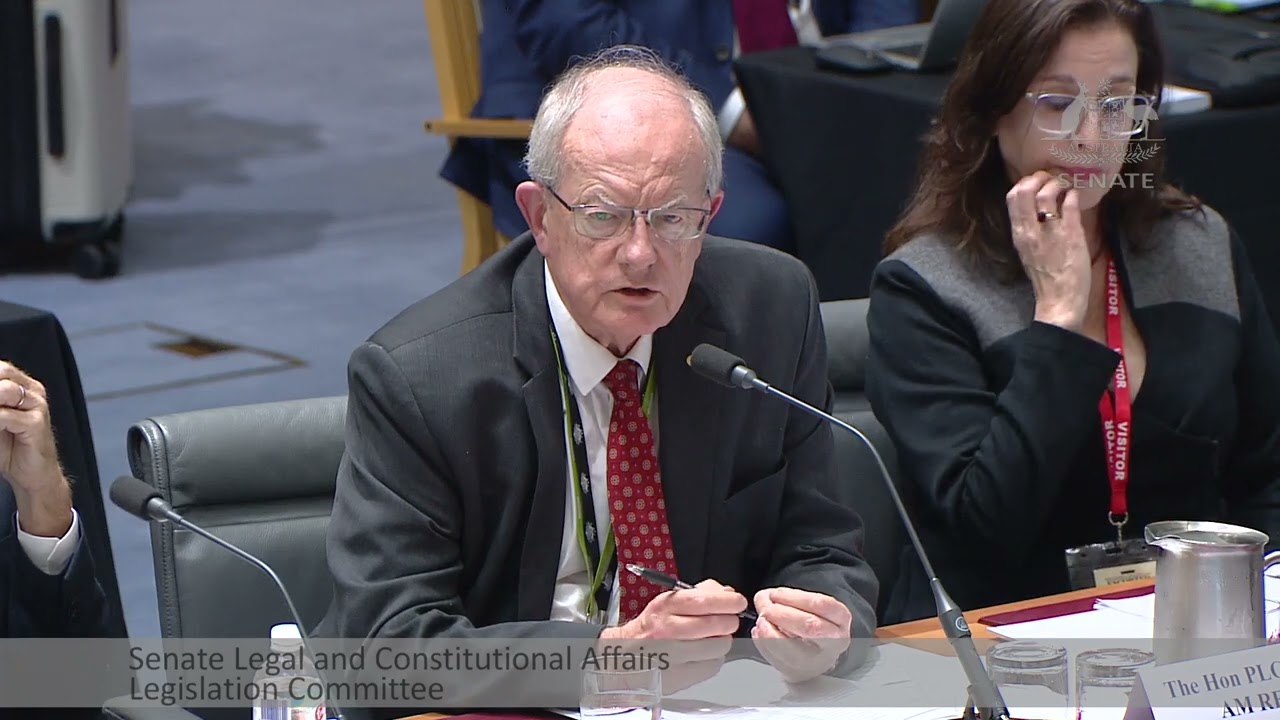

Are the chemicals used in the fire ant eradication program truly “not toxic”? I raised this question with the Australian Pesticides and Veterinary Medicines Authority (APVMA) during the last senate estimates.
Pyriproxyfen and S-methoprene are targeted insect growth regulators. Said to be safe for soil microbes and non-accumulative in the food chain, they are toxic to insects (including bees and native ants), fish, and aquatic invertebrates.
Regarding frogs and water bodies, it was acknowledged that specific protection statements apply near water.
Following reports from constituents in southeast Queensland regarding devastated beehives and contaminated watercourses, the APVMA admitted to receiving several adverse experience reports, which are typically referred to the QLD government for investigation.
The APVMA has agreed to provide redacted public reports and redacted adverse experience files along with QLD government responses.
We must ensure that proper oversight and the environmental safety of our local communities and ecosystems are front and centre when using chemicals.
Transcript
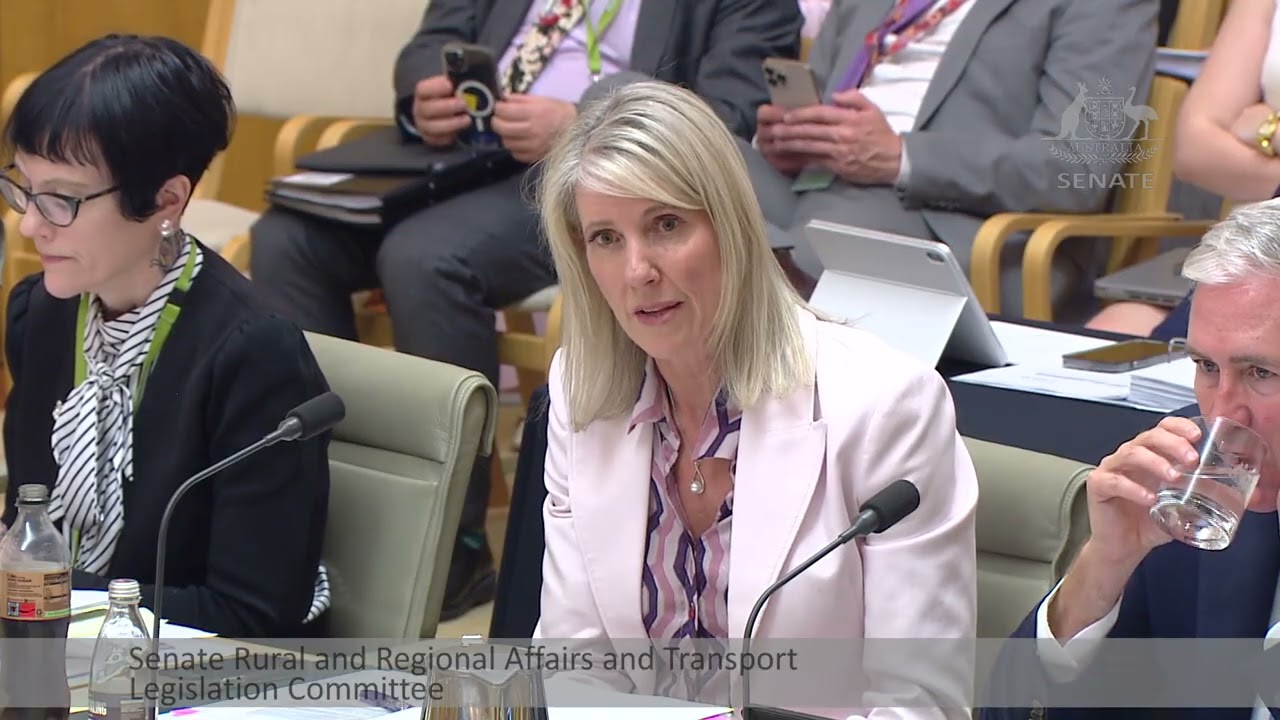
Senator ROBERTS: I’ve got some questions on pyriproxyfen and S-methoprene. A member of the Queensland based Red Imported Fire Ant Eradication Program told me recently that the chemicals used in the program, being pyriproxyfen and S-methoprene, are not toxic. What are your findings?
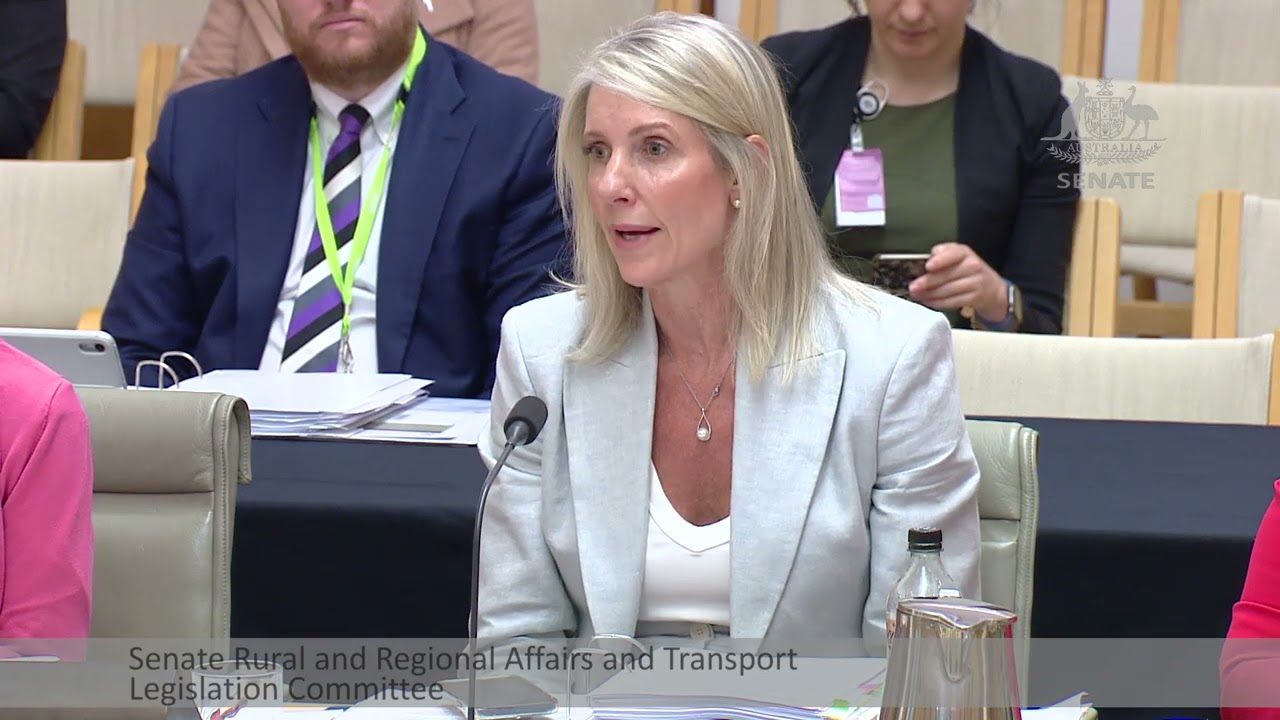
Mr Hansen: They’re certainly toxic if you’re an insect, because they’re targeted insect growth regulators.
Senator ROBERTS: That’s what I thought.
Mr Hansen: They’re identified as having low toxicity for terrestrial vertebrates and non-target terrestrial plants and have no adverse impacts on soil microorganisms. If you’re a soil microorganism, you’re pretty well safe and that statement would hold true. If you’re an insect, then they’re an insect growth regulator and they’re pretty toxic.
Senator ROBERTS: Thank you.
Senator WHISH-WILSON: Fire ants are insects.
Senator ROBERTS: Yes. Are your findings based on independent research in Australian conditions?
Mr Hansen: That’s publicly available research from around the globe about these chemicals in terms of the assessment of their toxicity and the hazards that they provide. They’re globally recognised definitions in terms of their categories.
Senator ROBERTS: All insects including bees and Australian native ants?
Mr Hansen: It’s targeted to insects, but it’s not targeted, so ants and other susceptible insects that are stopped from maturing into breeding adults are all captured under that.
Senator ROBERTS: And bees; bees are insects?
Mr Hansen: Yes.
Senator ROBERTS: What about frogs? Are they affected? Have any studies been done? Mr Hansen: It’s toxic to fish and aquatic invertebrates. That’s why we’ve got some protection statements on use of these products where they’re registered for use in terms of aquatic environments and water bodies.
Senator ROBERTS: Frogs are aquatic?
Mr Hansen: Yes.
Senator ROBERTS: What about other animals within the food chain, including bird life and chickens?
Mr Hansen: It’s not a secondary impact; it’s not as though it accumulates through that food chain.
Senator ROBERTS: What do you mean by ‘secondary impact’?
Mr Hansen: An impacted ant being consumed by a bird is not going to be impacted by the ant having been treated.
Senator ROBERTS: What about the chemical itself, because it’s sometimes put with—
Mr Hansen: That comes down to this balance between the hazard and then the exposure. For bees, whilst it is hazardous, the impacts are generally not considered to be significant because of the lack of significant exposure pathways, particularly where it’s a granular formulation being used. It is this balance between both the inherent hazard and the exposure that creates the risk.
Senator ROBERTS: What about chickens eating the meal that’s got chemicals in it?
Mr Hansen: Again, it is really a targeted insect growth regulator. It has low toxicity to terrestrial vertebrates, but I’m not sure how much meal you’d want to feed a chook.
Senator ROBERTS: There’s a question mark?
Mr Hansen: We don’t have it on the label that it’s able to be used that way. The safest thing on this one is if you’re following the label instructions or the permit instructions it should be safe to everything except for the target species that it’s aimed at.
Senator ROBERTS: Constituents have told me that the use of either of the chemicals has been fatal to these examples in their experience, the ones I’ve just asked you about, including the devastation of many beehives and the contamination of watercourses. They’re probably accurate?
Mr Hansen: We’ve certainly had a number of adverse experience reports lodged with us with regard to the use of the products. In all those cases, we’ve referred them to the control of use authority up in Queensland to investigate. Is it the use of the product or is it how it was used that has created the risk? That’s something that the Queensland government’s been looking at.
Senator ROBERTS: Are we able to get on notice a list of reports that you have from the public that don’t reveal their identity, especially from southeast Queensland?
Mr Hansen: Yes.
Senator ROBERTS: Does APVMA have a monitoring role in assuring that pesticides that you approve are used appropriately and safely for the environment?
Mr Hansen: We do so far as when we receive adverse experience reports or we see reports we ask the question: is this something to do with an unanticipated behaviour of the chemical? For example, florfenicol might be picked up in non-target species a long way away. We have a role in stepping in and asking, ‘How is this working? Why did this happen? What can we do to mitigate the risk?’, in which case we suspend the permit. For the vast majority, however, it is the control of use. That falls to the states and territories, which have the responsibility for controlling and ensuring people comply with the label or the permit instructions.
Senator ROBERTS: How do you respond to those complaints? Do you either deal with them or investigate yourself?
Mr Hansen: No.
Senator ROBERTS: The first category?
Mr Hansen: Yes. In the first category where it gets brought up to us, typically we put the onus back on the applicant to say, ‘This is the concern that we have. Can you provide us with information that satisfies us that your product, used the way it’s supposed to be used as per the label or the permit, isn’t having an adverse impact?’ They come back to us with information or data that either satisfies us or not. If they can’t satisfy us—again using florfenicol as the example—that they can mitigate that risk, then we no longer are satisfied that permit meets the statutory criteria in the legislation and we suspend or cancel the permit.
Senator ROBERTS: In the other category, you just sent instructions to the state saying, ‘What are you doing?’
Mr Hansen: We’ll send them the report and say, ‘We’ve received an adverse experience report. This is the report. Can you look into the potential use pattern and work out whether this is a control-of-use issue, that is, it’s been used inappropriately or it’s been used incorrectly, or whether it’s been used appropriately and we’re getting an adverse outcome that we wouldn’t anticipate and wouldn’t expect.’
Senator ROBERTS: Could we have a copy, again with names redacted, of the reports you’ve sent to Queensland and the responses that Queensland has given to you?
Mr Hansen: I don’t see any problem with that.
Senator ROBERTS: I want to commend the witness for direct, succinct and reasonable answers.