
I questioned the Aged Care Quality and Safety Commission on the severe problems within the aged Home Care Package system, highlighting the specific case of the Smith family (with their permission).
The Smiths had $3,000 taken from their package and paid to a contractor for incomplete tree trimming. The Commission dismissed their complaint without explanation, leaving them out of pocket, which severely impacted their health and forced them to cancel necessary medical appointments.
Despite assurances from the minister’s staff that the issue would be resolved and funds reimbursed within five months, no contact was made with the family. Minister Chisholm and departmental officials agreed to follow up and contact my office regarding this breakdown.
I raised concerns that upcoming co-payment policies, with service costs potentially exceeding $100 an hour, would make essential care unaffordable for aged pensioners.
Departmental representatives responded that co-contributions will be a small percentage for pensioners (5% to 17.5% depending on the service category), and that the government is cracking down on unreasonable pricing while funding major care shifts.
The problem appears to be finally resolving but only after repeated interventions from my officers. This is not how it should work for the thousands of recipients being ripped off.
Transcript
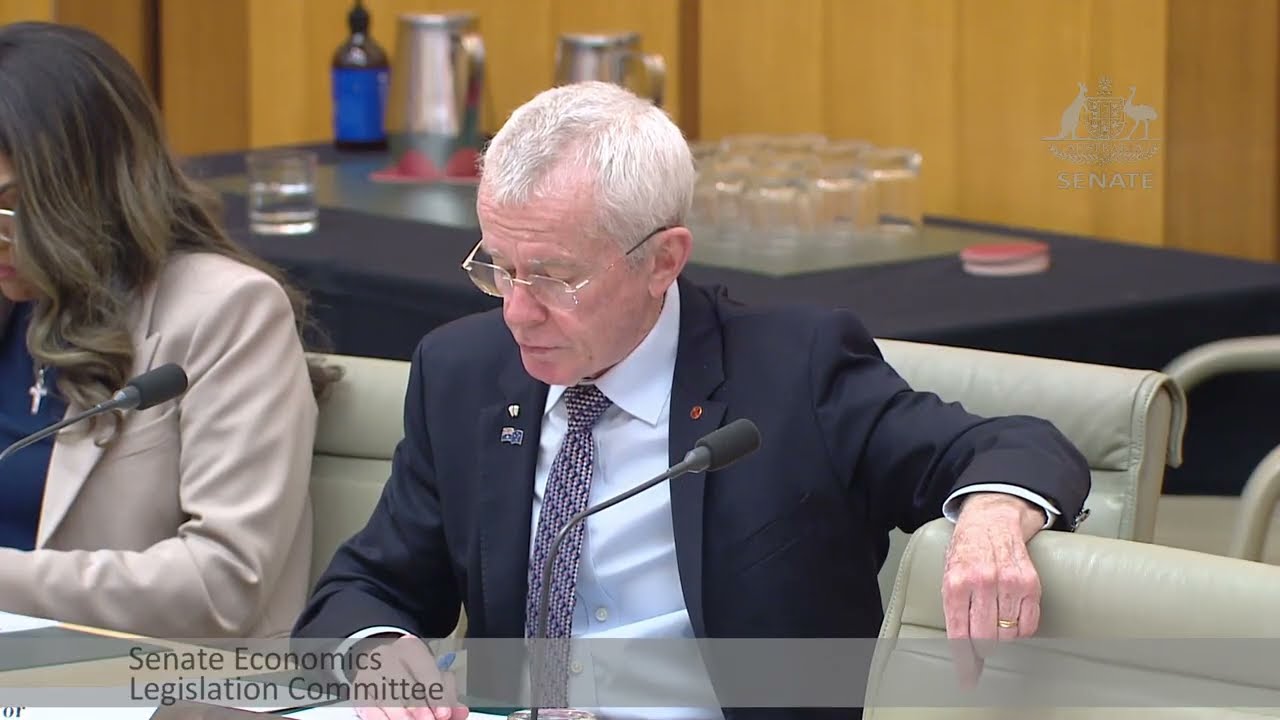
Senator ROBERTS: Thank you for appearing again. It’s good to see you, Mr Comley. My questions are for the Aged Care Quality and Safety Commission on problems with the aged Home Care Package, please. Late last year in Senate estimates, before this committee, I raised the case of the Smith family. Under their package, they’re entitled to some assistance in minor property maintenance. They needed some minor trimming of half a tree and a few branches of another on their property, which was not completed, yet they found that $3,000 had been taken out of their package and given to the contractor without discussion between the Smiths and the service administrator of the package. The Aged Care Quality and Safety Commission closed off their complaint and refused to even discuss it with the Smiths, with no explanation given. Isn’t this elder abuse by a government agency that is supposed to help older Australians, not abuse them? What’s the cover up, and why was $3,000 paid for next to nothing?
ACTING CHAIR: I’m not sure about the appropriateness of responding to individual complaints or issues. I think characterising them is one thing, but referring to individual cases is quite different.
Senator ROBERTS: We have permission from the Smiths.
ACTING CHAIR: We don’t have that, and the department don’t have that.
Senator ROBERTS: How typical is this?
Ms Hefren-Webb: Let me try and respond to you. Sometimes these cases are very complex. There is often miscommunication. There are different versions of events from providers versus older people. I appreciate—
Senator ROBERTS: I’m sure you’re right.
Ms Hefren-Webb: Sorry? What did you say?
ACTING CHAIR: Let the official speak.
Senator ROBERTS: I’m just backing her up. I’m sure you’re right; it would be complex.
Ms Hefren-Webb: And so we do our best to understand the circumstances—what’s happened, what’s gone wrong—and look at what we can do to restore people to make up for what’s happened to them and find an equitable solution. We do our best efforts. Obviously, I won’t speak about the individual case, because I don’t have permission from those people to speak. But cases like this, where people are quoted different amounts for different pieces of work and then may misapprehend what was going to be done, what’s happened with their package et cetera, are not unusual cases. And we do try and reach a sensible resolution. All our complaints are subject to review and appeal, so if people aren’t happy with where we’ve resolved a matter, they do have an opportunity to first ask for an internal review and to then seek external review if they’re still not comfortable.
Senator ROBERTS: Thank you. And I’m not pretending some of these cases are simple, but it’s badly affected the health of the two innocent senior citizens, who deserve an answer and for money to be put back into their package. A staff member of the minister contacted my office and assured us that the issue would be resolved and that money would be reimbursed quickly. The result, though, was that nothing happened, not even contact with the family. Five months have passed since the promise was made. Because of the depleted funds, the Smiths had to cancel some medical appointments that they could no longer afford.
ACTING CHAIR: Again, Senator Roberts, the department is not going to be able to respond to this individual case in this setting.
Senator ROBERTS: Well, if I’m told by the minister’s staff that they’ve contacted the Smiths and they haven’t—
Ms Hefren-Webb: I’m not aware of what the minister’s staff may have said, but I’m happy to go away and provide you with what advice I can about what engagement there has been in this particular case.
Senator Chisholm: Just to add to that, we don’t want to be dismissive of the issue, and I’m happy to follow up with the minister’s office to see what’s gone on there. But I think we’re just uncomfortable responding to a couple’s circumstance in this forum. But I assure you that we’ll do what we can to follow up appropriately and ensure that we can do what we can, where possible, to resolve it. But that’s knowing that some of these cases can be difficult.
Senator ROBERTS: That’d be great, Minister. Thank you. Could you contact my office?
Senator Chisholm: Yes.
Senator ROBERTS: The concept of co-payments is to be instituted into the aged-care packages. That will mean the cancellation of many services needed by package holders, because they’ll become unaffordable. The proposal is that many services will need to be paid for at more than $100 an hour—often more than twice the market labour rate. An aged pensioner cannot afford that. What are you doing about this situation?
Ms Hefren-Webb: The department might wish to speak about the policy on contributions. But we are undertaking extensive work around unreasonable pricing. We’ve been in contact with a number of providers where we have concerns that their pricing is unreasonable and we’ve asked them to provide us with an explanation for how they’ve reached their prices. In some cases, they’ve agreed to adjust their price and have even provided refunds. So, certainly, we’re dealing with those cases on an individual basis, but the question of contributions is a policy question, so I don’t know—
Ms Stewart: I’m happy to start. Thank you, Ms Hefren-Webb. In terms of the policy on co-contribution, that was a recommendation that was made by a taskforce to set co-contribution rates at a level where people who could afford to contribute would contribute to their aged care. We work very closely with Ms Hefren-Webb, and under the new legislation providers are required to be transparent in their prices, as well as reasonable. Older people can go and compare prices, and when they feel that they are not reasonable they can come to us. The last thing I’ll say before handing to my other colleagues is that the government has recently made an announcement for about $1 billion of funding to enable a change in the policy settings so that government will now pay for a category of service, which includes showering and assistance with dressing and continence. That’s been a significant announcement. I’ll hand over to Ms Trainor to talk in more detail.
Ms Trainor: The other observation there is that there is a difference between the service price—so when you talked about the $100 per hour—and the co-contribution, which is the proportion of that service price that the participant rather than the government pays. So, when you talk about a pensioner, for a full-rate pensioner, those rates are five per cent of services that are in the independence service list category, and then 17.5 per cent of everyday living, which are our cleaning- and gardening-type services. So whilst you may have a service price of $100 an hour what a person pays out of pocket is a very small share of that actual amount.
Senator ROBERTS: I get that. Thank you for your patience. I look forward to you calling our office.