

Should Australian taxpayers be forced to fund gender-transition surgeries through Medicare?
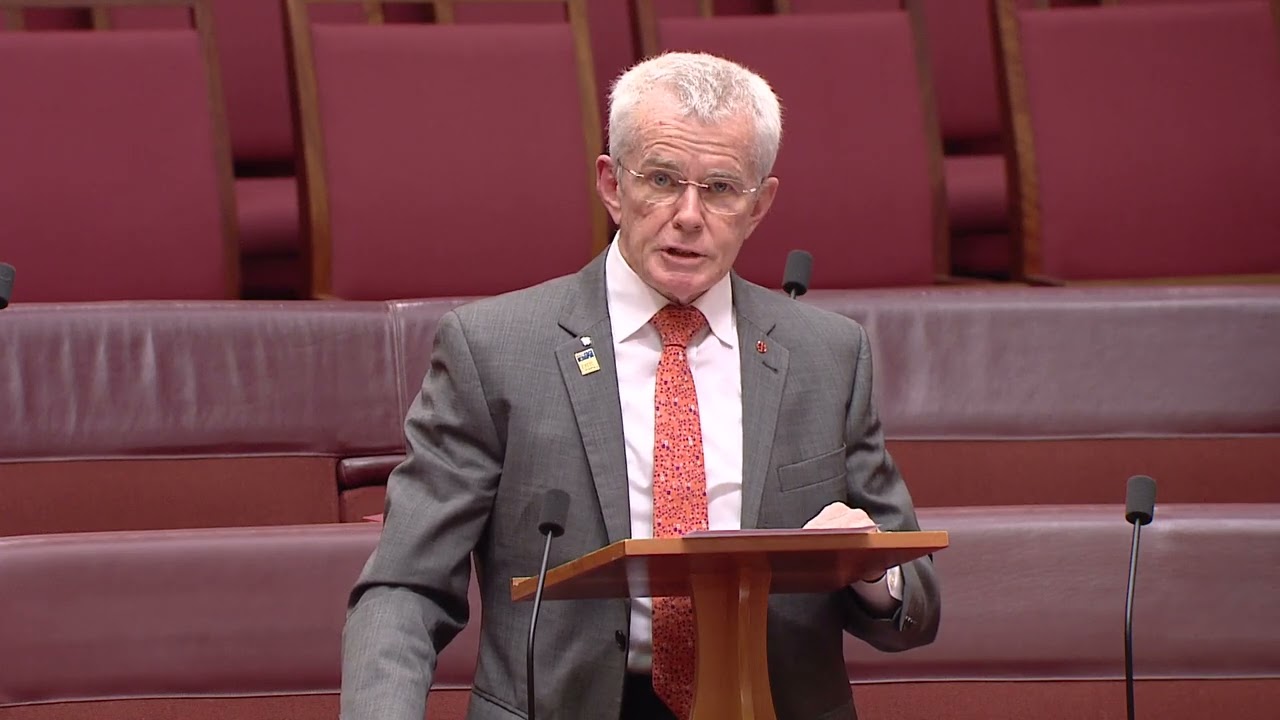
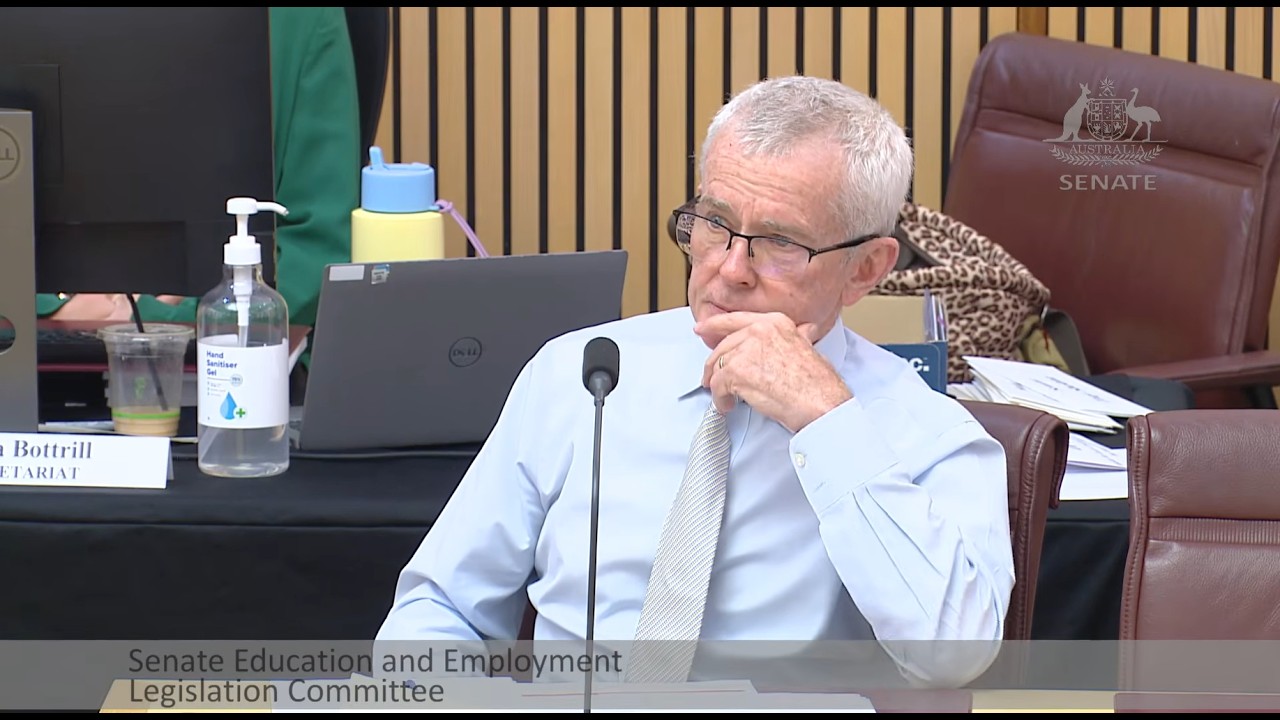
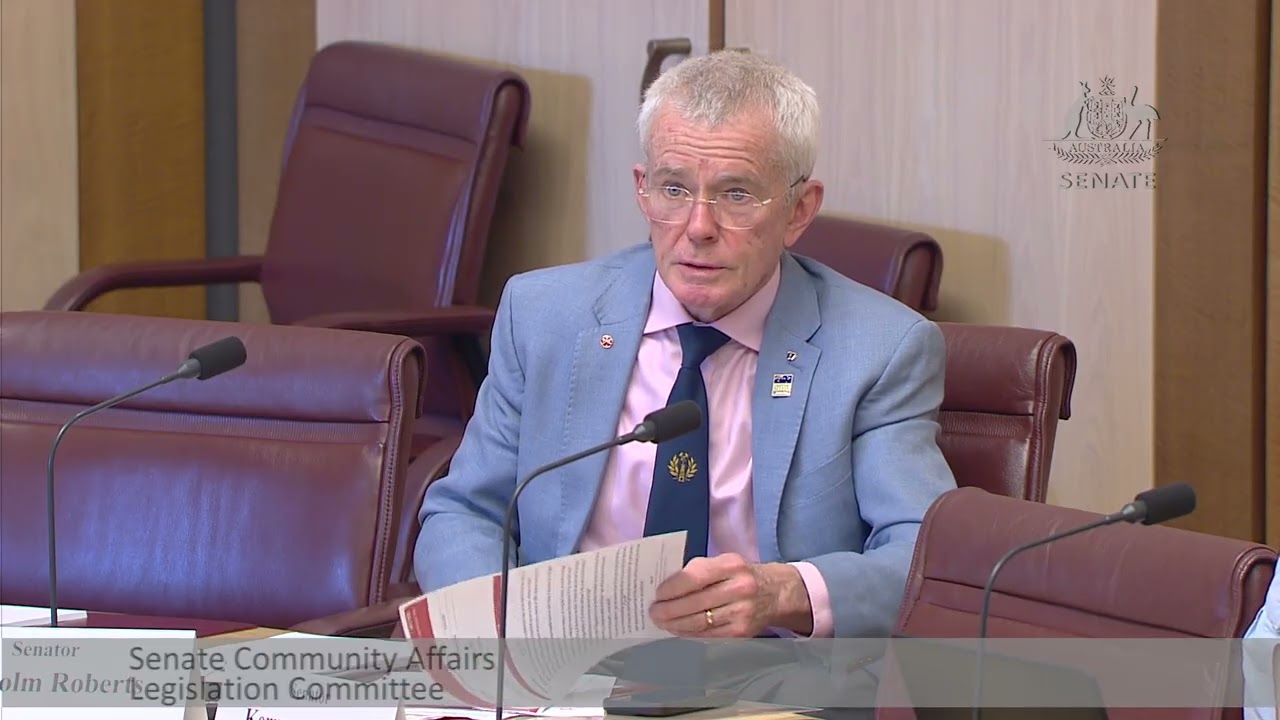
At Senate Estimates, I pressured Health Department officials on a proposal to add gender-affirming surgeries to Medicare. Despite the push for taxpayer funding, officials admitted there are currently no cost estimates, and the proposal is still being assessed for its clinical effectiveness and value for money.
I welcome the clear assurance from officials that the decision will be made on the basis of the medical case for the surgeries. Medicare exists to treat illness and save lives, not to bankroll the surgical removal of healthy body parts.
Transcript
CHAIR: We will recommence outcome 2, starting with Senator Roberts.
Senator ROBERTS: Application 1754, surgical procedures for gender affirmation in adults, is to the medical benefits advisory committee. There was a news report on the weekend, titled, ‘Plastic surgeons push to fund 30 transgender surgeries on Medicare amid safety concerns’. It’s an application by the Australian Association of Plastic Surgeons to have multiple types of transgender surgeries listed on Medicare so they can be performed free of charge to a patient in a public hospital, subject to resource availability. Is this correct?
Mr McCabe: Yes, the Australian Society of Plastic Surgeons has made an application to the Medical Services Advisory Committee for gender-affirming surgeries for adults.
Senator ROBERTS: In effect, if it’s successful, this means all taxpayers are paying for these surgeries, whether they agree with transgenderism or not. What will be the annual cost to taxpayers if the application is approved?
Mr McCabe: It’s probably important to note that this application is very early in its process. The Medical Services Advisory Committee is meeting again later in November to discuss the clinical efficacy of these surgeries. Then we’d have to get to, in due course, the cost effectiveness. We’re a while away from any decisions or recommendations out of the committee, and, ultimately, any recommendations would be a decision of government. We’re a long way away from that.
Senator ROBERTS: So there are no cost estimates yet?
Mr McCabe: Not at this stage, no.
Senator ROBERTS: The title of the application includes the phrase ‘gender incongruence’, which is ‘a medical and psychological term defined by the World Health Organisation as a marked and persistent mismatch between an adult’s experienced or expressed gender and their assigned sex at birth’. Minister, is this use of ‘assigned sex at birth’ consistent with departmental language on this issue, or has the applicant jumped ahead of the department’s position?
Senator Green: Senator, I can’t speak for the applicant. I certainly know that there is some medical advice that we can give you about the right terminology in the particular context that you’re talking about.
Senator ROBERTS: Terminology is a good word, Minister, because it’s an accurate word. What’s happening, according to an article I read in the Weekend Australian, which is the only newspaper I read—
Senator Green: Not the Courier Mail?
Senator ROBERTS: Sometimes. They’re about changing the language, which is what a lot of advocates try to do, to make it sweeter and more palatable. They’re changing established terms like gender dysphoria and making it ‘gender incongruence’. Minister, for clarity, is it the policy of the department of health that sex is not a biological fact but rather is assigned and not determined at birth? Is sex assigned or determined at birth?
Senator Green: We can take you through the definitions that are given. I think the most relevant one would be—is it the NHMRC definition? But this is obviously something that is reviewed from time to time.
Senator ROBERTS: The definition of male and female, of sex, is reviewed?
Senator Green: No, no—the terminology that you’re using, which is used by medical practitioners. I think we’re talking about two different things. But the chief medical officer can probably answer that for you.
Prof. Kidd: Sure. Just on the issue of gender incongruence, this is a term that’s included, as you’re mentioning, in the World Health Organization’s International Classification of Diseases. So it’s a very well-established term. It’s not new terminology—
Senator ROBERTS: Excuse me; why does something used by the World Health Organization make it well established?
Prof. Kidd: Because it’s used all over the world.
Senator ROBERTS: Instead of gender dysphoria?
Prof. Kidd: Gender dysphoria is used as well. Gender incongruence is—I can read the definitions, if you like, or I can share them with you out of session.
Senator ROBERTS: Reading them is fine.
Prof. Kidd: Gender incongruence is ‘an objective difference or misalignment between your internal sense of gender and your biological sex assigned at birth’. Gender dysphoria is ‘the psychological distress, discomfort or anxiety that can result from gender incongruence…not everyone with gender incongruence experiences severe distress and dysphoria is not an inherent requirement to identify as transgender’.
Senator ROBERTS: So, Minister, can sex be changed by surgery?
Senator Green: Senator, the definitions that we’re talking about—sex is what someone is. That’s their characteristic at birth. Then we talk about gender in a few different ways, and that’s not necessarily dependent on whether someone does or doesn’t have surgery. I’d probably point you—we’re getting outside the realm of the health department’s responsibilities here—to state and territory based laws that look at certain characteristics that people have when deciding whether to issue a new birth certificate, for example. Then, of course, the Sex Discrimination Act recognises a range of people’s attributes.
Senator ROBERTS: Attributes as opposed to sex at birth, which is chromosome—
Senator Green: It recognises gender and the attributes that relate to those genders.
Senator ROBERTS: So because it’s in the law, it’s right?
Senator Green: It’s a law that’s been in place for quite some time, Senator.
Senator ROBERTS: Since 2011, I think, with Julia Gillard.
Senator Green: Supported by the opposition at the time as well—yes.
Senator ROBERTS: And they’re ruing the day. Decisions to add an item to Medicare are made using a legislative instrument in this case. Can you confirm the decision will be dealt with by way of a disallowable instrument?
Senator Green: That’s a question for the department. I’m not sure what that legislative instrument usually would be.
Senator ROBERTS: Is it going to be legislation or regulation?
Senator Green: We’ll confirm that for you, Senator, so that you’re fully aware.
Mr McIntyre: Senator, I’d suggest, though, that we’re getting ahead of ourselves. At the moment, there’s an application, and, as an application to MSAC, there’s a wide range of documents, including summaries of all of the consultations that MSAC has had, that are available on MSAVC’s website, which is with the department of health. You can go there and read the various positions of the different interested stakeholders. Those are the issues that MSAC will consider again at their November meeting as they progress the application. All of this is before any advice has been put to government. The form of legislation or regulation would only be set if the application were recommended, and we’re not at that point yet.
Senator ROBERTS: Okay, thank you. If it is a disallowable instrument, I’m going to look forward to that debate.
Mr McCabe: Just to add to Mr McIntyre’s testimony, the Medical Services Advisory Committee needs to make assessments about the clinical efficacy of these surgeries, which I’ve mentioned before, and then they will need to make judgements on the cost effectiveness. It’s not an automatic assumption or decision that they will then recommend to government for these services to be established on Medicare. That is still something that is in deliberations, and we are very early in the assessment process.
Senator ROBERTS: Right now, we’ve got things changing overseas; we’ve got things changing in Australia. More and more people are turning to peer reviewed papers which are questioning affirmation as a treatment of gender dysphoria. Will the council be consulting peer reviewed papers and specialists?
Mr McCabe: The way this committee works is that the applicant needs to put evidence to that committee in their submissions that step through, as I said, the clinical efficacy and then, ultimately, the cost effectiveness of the procedures that they’re proposing. I believe—but I’d need to double-check with my colleagues—that there has been some information, and Mr McIntyre indicated that there are a whole heap of submissions already available on our website that explain what’s been done previously. But, as I’ve reiterated, we are very early in the process of this assessment, and, ultimately, the committee will have to deliberate and make decisions about whether they want to recommend services.
Senator ROBERTS: So are the submissions made to the council open to the public?
Mr Murray: Yes, they’re on the website. If you go onto the Medical Services Advisory Committee website, you can find the application. You can also find the information on what MSAC has done to date, which includes public consultations, targeted consultations and reports prepared for MSAC to help them understand the evidence and other pathways and issues with this proposal.
Senator ROBERTS: Okay. Thank you. Mr Comley, I want to compliment the witnesses for their answers.
Mr Comley: Thank you.





Leave a Reply
Want to join the discussion?Feel free to contribute!
Using your first name