

Cheap illicit tobacco keeps smoking rates alive – and the Health Department confirmed it.
They admitted that illicit cigarettes are cheaper because they avoid excise, and that cheap cigarettes encourage people to smoke.
When criminals flood the market with excise-free cigarettes, people keep smoking. It’s that simple.
Yet the government refuses to reduce the tobacco excise, clinging to the claim that high prices are the key to lowering smoking rates.
Make that make sense.
Transcript
CHAIR: Thank you very much. Senator Roberts.
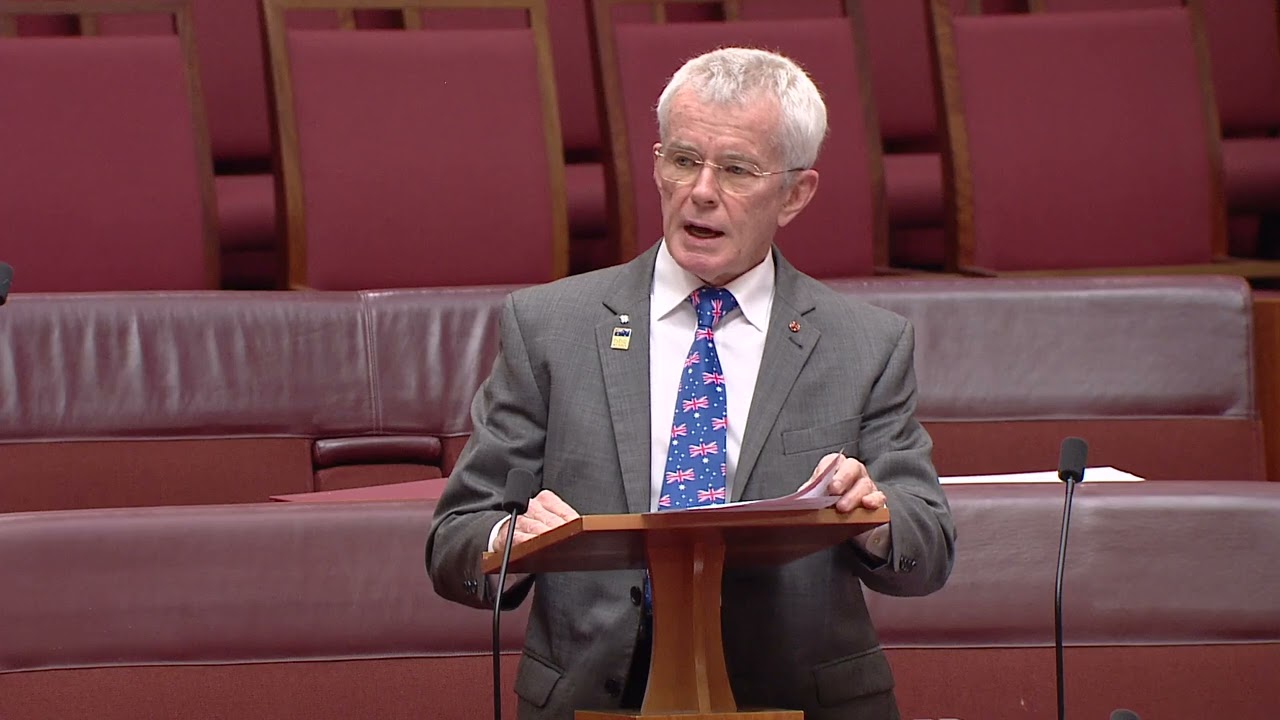
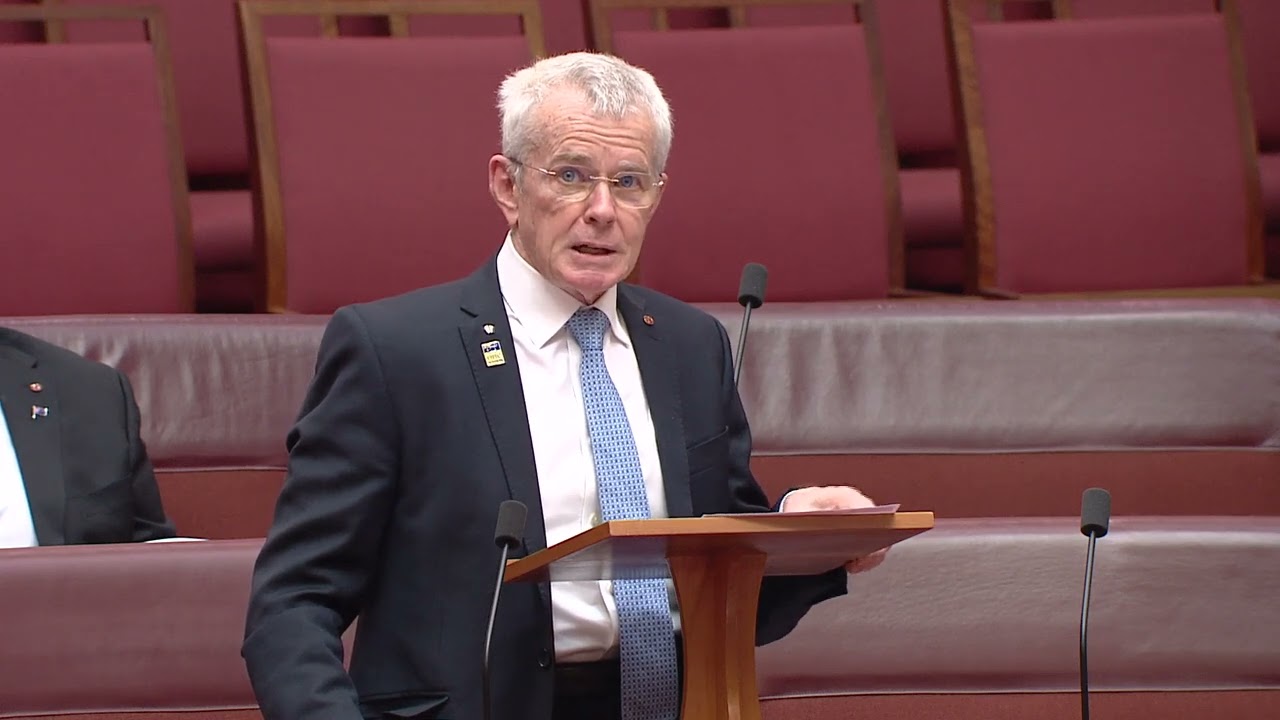
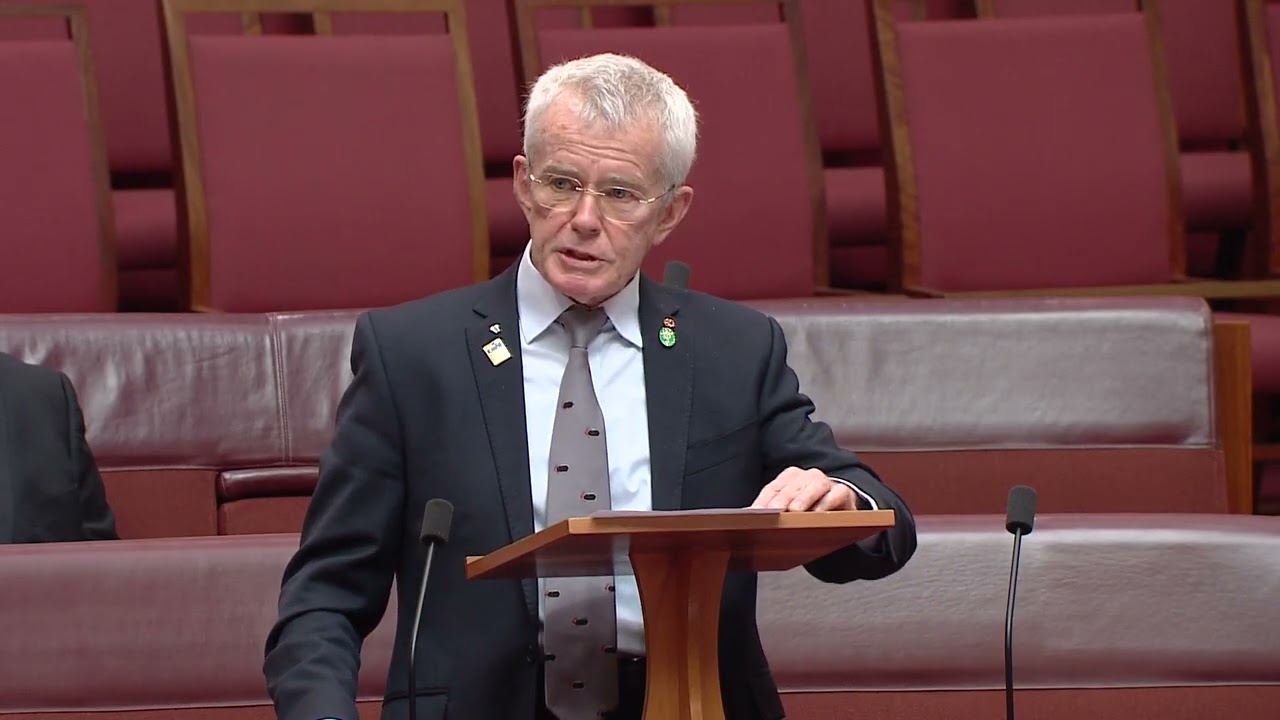
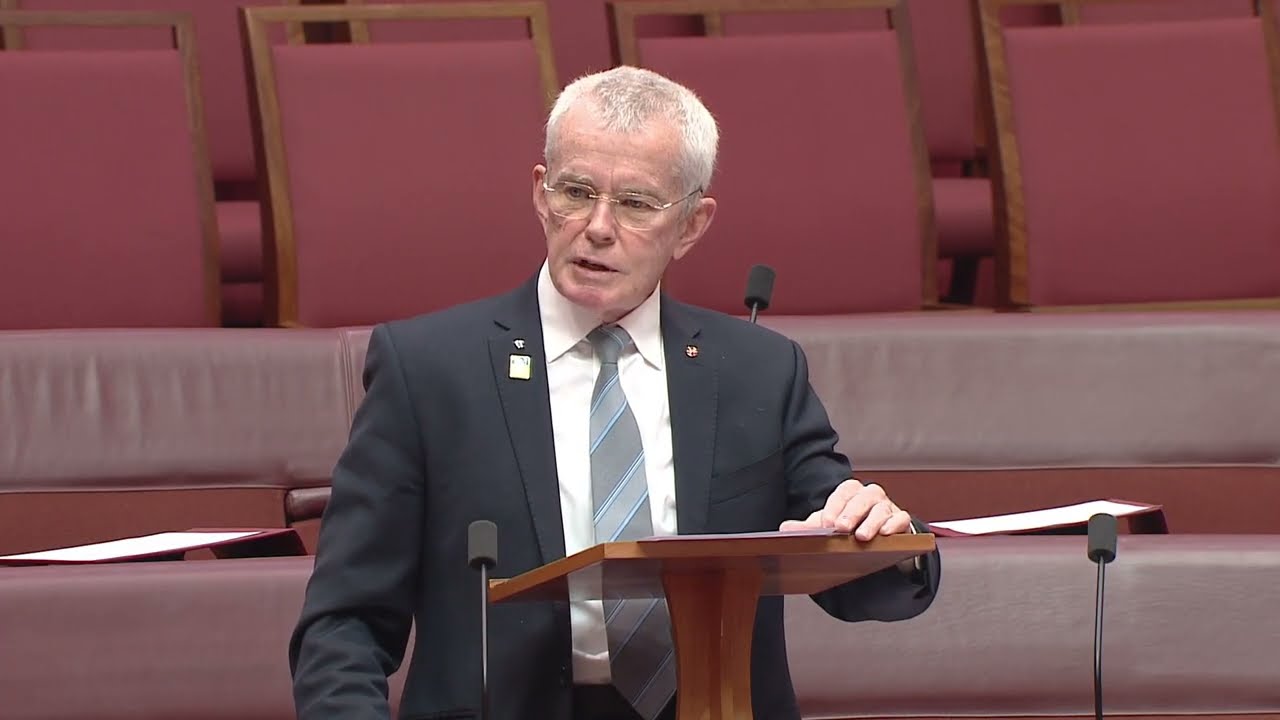
Senator ROBERTS: Thank you for appearing today. We are all agreed that smoking is very, very harmful to human health. Let’s put that aside. We are not agreed that the low price that people face when it comes to buying tobacco illicitly is overwhelmingly attractive to people. We know of policemen and policewomen and public servants who are buying illicit tobacco. The barriers to entry are very small. How much do you allocate to the quit smoking campaign? Isn’t it true that in recent years the decline in smoking rates has stopped and it’s been flat in Australia? It’s continuing to decline in other countries but it is flat in Australia.
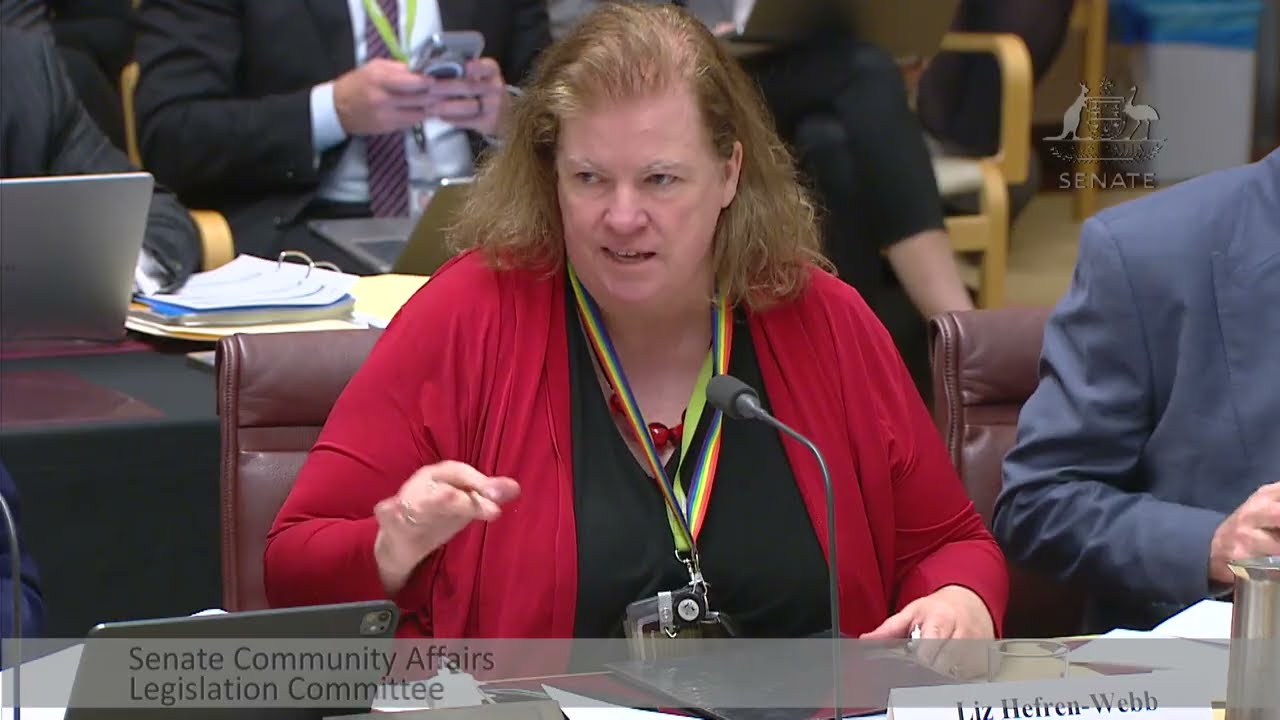
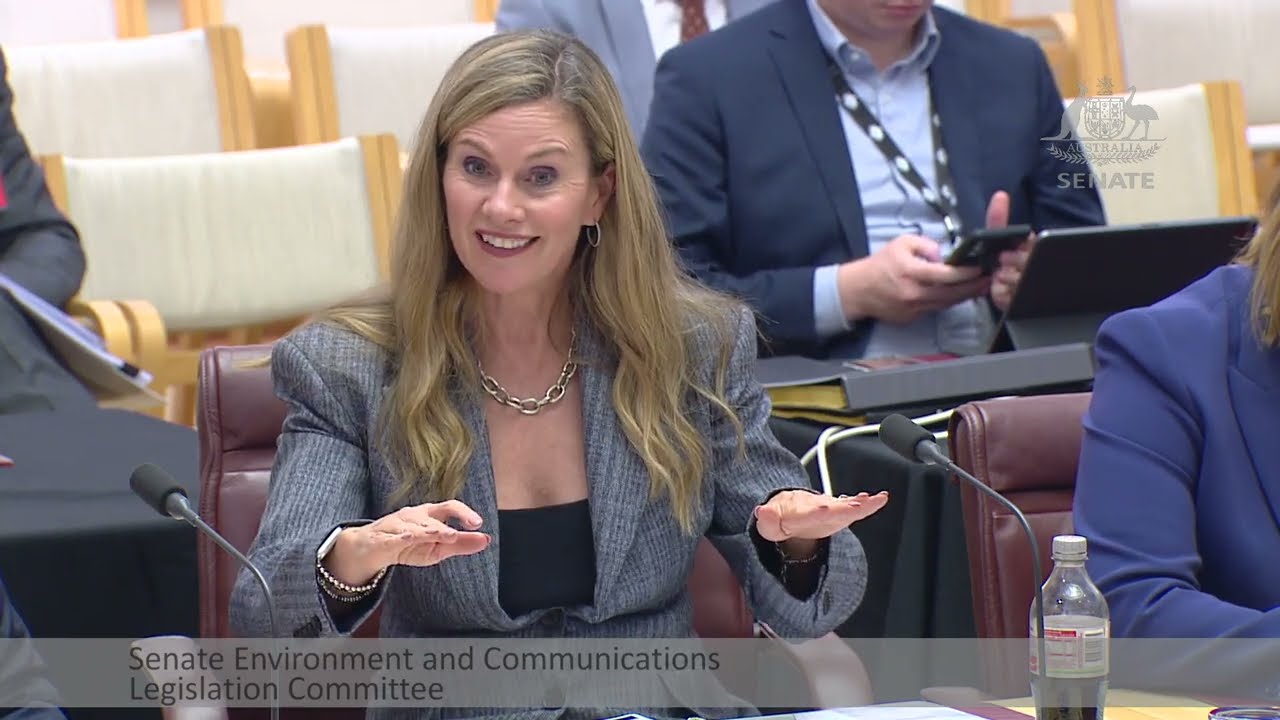
Ms Clancy: Thank you for your question, Senator. I will take the second part first, if I may, and then come back to the first part. Smoking prevalence has trended downwards over three decades, with some occasional flattening or plateaus as we go. Recent studies have shown that this decline continues. Our highest quality data is brought out every three years. At the moment, our most recent is 2022 data. One in 10 adults, 10.6 per cent, were current daily smokers. That is a steady decline from 22.4 per cent in 2001. More recent national representative estimates support this trend. In 2022-23, 8.3 per cent of people aged 14 and over smoked daily. In 2023, approximately one in 10, 10.8 per cent of representative adults, were current daily smokers in the HILDA study, which is a slightly different cut or set of data. The next high-quality data release will be at the end of this year, which will look at 2025 rates. We are very much anticipating those rates and will use those to tweak our policy settings as necessary. There are also a number of other data sources we use in the intervening years that tend to show that we’re still on a downward trajectory, although we are concerned. Our job is to be concerned about smoking rates.
Senator ROBERTS: Thank you. I agree with you that the data shows that, over decades, smoking rates did decline. But the data I’ve seen shows a graph that clearly shows that in the last few years it has been flat, whereas in other countries it has continued declining. How much is budgeted for the quit smoking campaign? How much has been paid?
Ms Brown: I don’t have the expenditure amounts here. The government has committed, since 2023-24, $78.7 million over a four-year period. That’s invested in the Give up for Good smoking, vaping and tobacco public health campaigns. That’s at the Commonwealth level. As I mentioned in relation to other measures, there are also campaigns implemented through the states and territories to varying levels.
Senator ROBERTS: Is the total spending around about half a billion dollars over four years, the total projected spending?
Ms Brown: On the campaign, no, Senator.
Senator ROBERTS: On all the campaigns.
Ms Brown: I am not sure that the Commonwealth has the total figure of investment in all campaigns across all states and territories. The federal government has committed $78.7 million over four years, since 2023-24.
Senator ROBERTS: Do you agree that the low price of cigarettes through the illicit tobacco industry makes it attractive to smoke?
Ms Clancy: We know that price is a determinant of whether people smoke and how much they smoke.
Senator ROBERTS: Is the driver of the cheap price of illicit tobacco the fact that it is illicit tobacco and is not paying excess?
Ms Clancy: Sorry; can you repeat the question?
Senator ROBERTS: Is the driver of low priced illicit tobacco the fact that it is escaping paying any excise, so we have very low priced cigarettes illicitly?
Ms Clancy: Yes.
Senator ROBERTS: Thank you.
Ms Clancy: Criminals are bringing tobacco into the country without paying the excise they should pay and therefore their products are cheaper.
Senator ROBERTS: We have got, as Senator Colbeck tried to establish, a low-price cigarette/tobacco industry; it’s illicit but it’s still there.
Ms Clancy: Yes, illicit tobacco is available and it is evading the excise.
Senator ROBERTS: It makes it very attractive to smoke because the price is low. This is an issue for the department of health in terms of preventing people smoking, because it is encouraging people to smoke because of illicit tobacco.
Ms Clancy: Cheap cigarettes do encourage people to smoke. We, along with all of our partner agencies in the Commonwealth and the states and territories, are looking at a range of measures—some of which you’ve heard about this morning and in previous hearings—to tackle the illicit market and reduce their ability to sell in this country.
Senator ROBERTS: Thank you. These questions are for the ATO. The revenue decrease has been around about three-quarters of the revenue it was a few years ago, which is a big impact on the ATO revenue and a big impact on the people. Could you walk us all through the process of how the excise rate is set and particularly what is the minister’s role? Do you consult the department of health?
Ms Hawkins: Thank you for the question. As I mentioned earlier, the excise rate is legislated through government. A change would be a policy issue for Treasury. That is set and then the ATO’s role is to administer it. It’s important to recognise, though, that it’s been illegal to grow or manufacture tobacco in Australia without a licence. There are no current licences. What that means is that all tobacco sold in Australia that’s legal is imported. As such, there is actually no excise collected on domestic tobacco. The Department of Home Affairs is responsible for the administration of the Customs Act and the Customs Tariff Act, from which customs duty is applied to imported tobacco at rates which are equivalent to excise duty. It is a policy issue. It is legislated through government and it is not a rate that is determined by the ATO.
Senator ROBERTS: Thank you for that clarification. That’s understood. Could you tell me what consultation is asked of the ATO? Do you provide advice in that process? What is your role in the process of developing the excise rate? You don’t have responsibility for it. I accept that’s the government and the Treasury. But how do you get involved in that? Do you get involved in it? Are you concerned about losing $12 billion in tax revenue?
Ms Hawkins: The ATO are involved in that discussion, when it comes to Treasury, in providing any input that they seek from us, but we do not have direct control over what that rate is set at. We are always open to providing information, as requested, and being part of discussions where we can provide intelligence or information that would be useful in the process.
Senator ROBERTS: What advice have you given over the last four years?
Ms Hawkins: There was a question which I took on notice previously which was asking about whether the ATO was in direct discussions with regard to where the excise rate landed. I said I would take that on notice because I am not privy to, at that point in time, exactly what discussion we would have contributed to. I am more than happy to take that on notice.
Senator ROBERTS: Thank you. Could you specifically mention in the answer on notice the advice that the ATO has given to the government. I understand that the government sets the excise rate. Could you give us the advice you’ve given to the government?
Ms Hawkins: I am happy to take that on notice.
Senator ROBERTS: Thank you.






Leave a Reply
Want to join the discussion?Feel free to contribute!
Using your first name