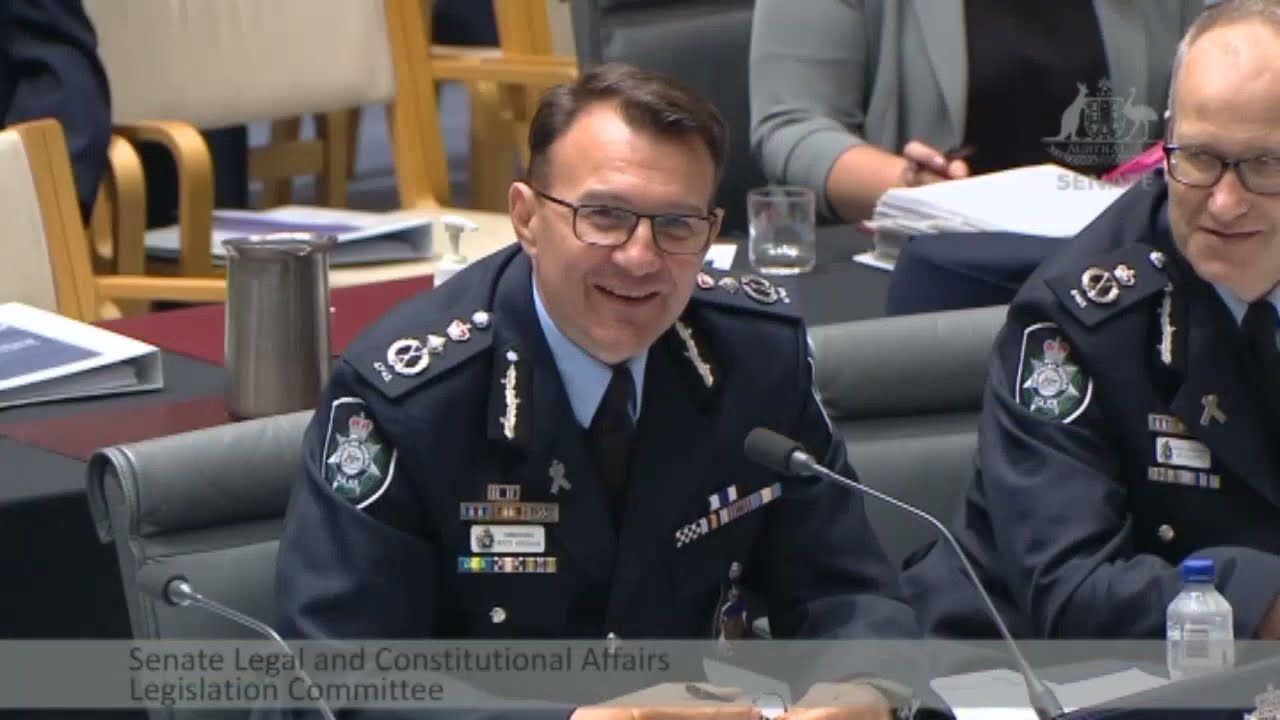
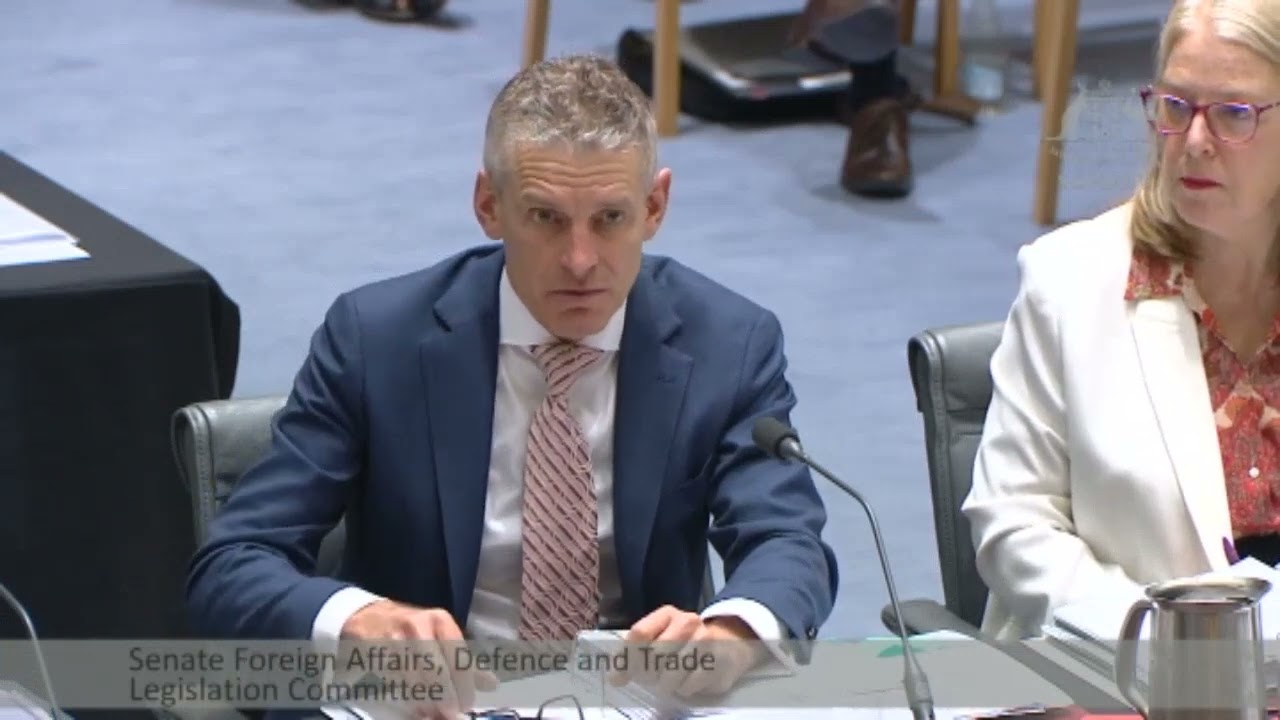
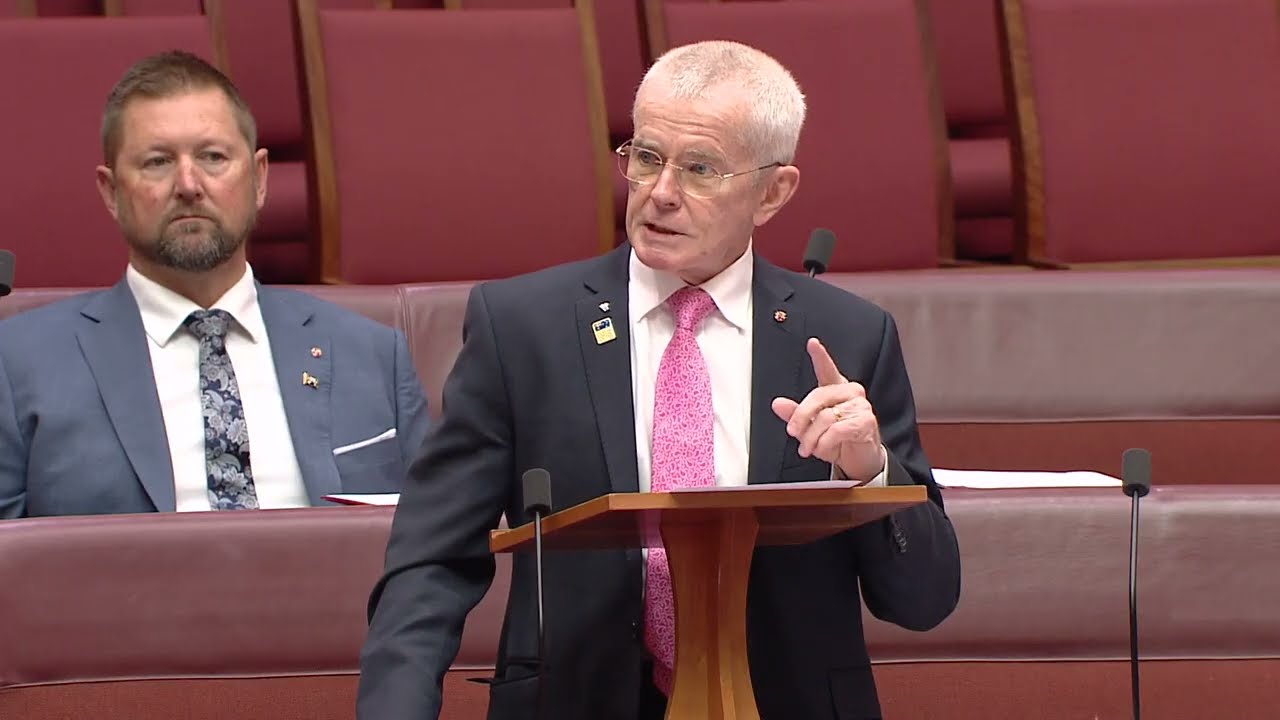
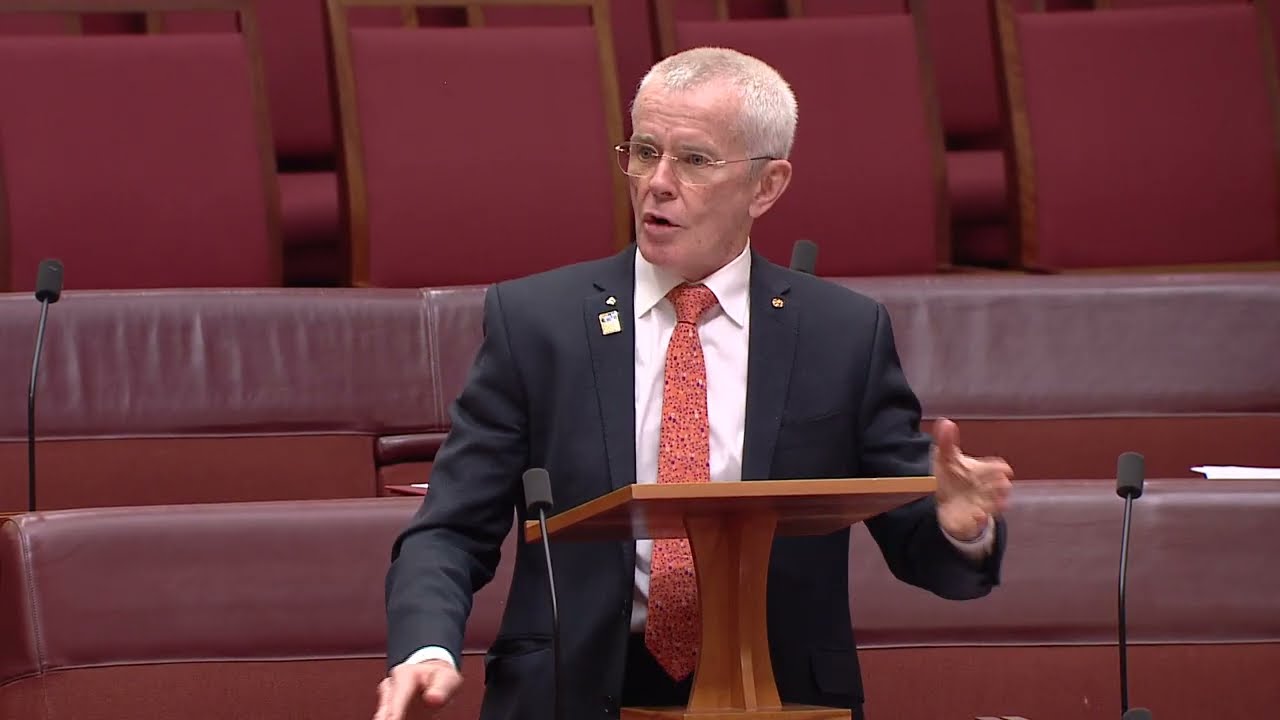
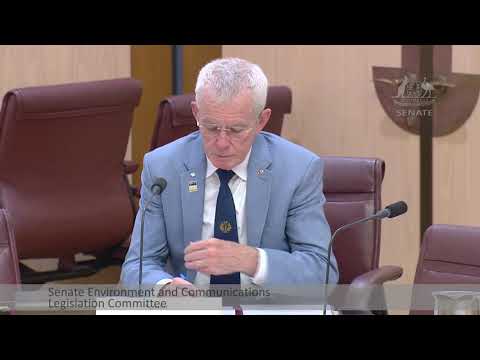
I questioned security authorities on the thoroughness of the screening processes for returning individuals and older children, ensuring ASIO and joint counter-terrorism teams are actively monitoring threats to keep our citizens safe.
I asked about the total costs of managing, monitoring and integrating these returnees. Taxpayers have a right to know where their money is going, yet officials refused to disclose specific resource allocations in a public forum.
I raised concerns about how risk assessment notices are followed up with state authorities, specifically questioning NSW Police decisions regarding security during heightened-risk periods prior to recent tragedies.
I will never stop asking the tough questions to ensure our national security comes first and the government remains accountable to the Australian people. Australians deserve no less!
Transcript:
CHAIR: Thank you, Senator Shoebridge. Senator Roberts.
Senator ROBERTS: Thank you for appearing tonight. Another group of ISIS concubines and their children arrived this week.
Senator Shoebridge: I’m going to take a point of order: that kind of language is just pointlessly, gratuitously offensive, and I’d ask Senator Roberts to review his language and rephrase his question.
CHAIR: Withdraw, please, Senator Roberts, and please refrain from that kind of—
Senator ROBERTS: I withdraw ‘concubines’. ISIS terrorist wives, brides, partners: what security screening has been done on them to ensure the safety of Australian citizens, as a group and also individually?
Mr Gilmore: As I said earlier this evening, ASIO has worked over many years to understand the threat posed by those Australians who chose to travel offshore and join ISIL. We’ve provided advice on this cohort and other cohorts previously, both overseas and in Australia, to government departments and agencies, consistent with our statutory functions and requirements, for many years.
Senator ROBERTS: Excuse me; were you watching them on the way out, while they were over there and on the way back?
Mr Gilmore: ASIO will always be watching to identify threats. When information comes to our attention that requires action, we will act.
Senator ROBERTS: Have they been screened individually and as a group? I guess what you’re saying is yes.
Mr Gilmore: What I’ve said is that on any cohort that travels overseas—and I think I could characterise people travelling to join ISIL as a cohort that has been of interest to ASIO for many years, along with our partners, I must say, including in the JCTTs.
Senator ROBERTS: Are older children to be screened for security risk? I understand that the eldest at the moment is 18 years of age.
Mr Gilmore: That would be a question for the security authorities, AFP and others.
Senator Watt: Senator Roberts, I’m sure you understand that there are limits to what ASIO is able to put in the public domain as well.
Senator ROBERTS: Yes. I understand there’s the New South Wales police, for example, or the AFP. Will ASIO have a role in ensuring national security after these and other returnees arrive and stay in Australia?
Mr Gilmore: Absolutely. ASIO’s function is to protect Australia and Australians from threats to their security. That means that we will always be looking and, where we need to, we will act.
Senator ROBERTS: What is all of the work relating to the return of the brides, wives, partners, costing? What are the future related costs?
Mr Gilmore: ASIO receives a baseline allocation from government, as with any department or agency. We have a robust prioritisation and resource allocation process. The details of how those resources are allocated is not something that I could declare in this public forum.
Senator ROBERTS: I’m not asking you to declare the detailed operational plans. I’m asking what the cost would be for these women that have recently come back.
CHAIR: I think Mr Gilmore has indicated that the question you’re asking goes to the very thing that he’s just said he’s not willing to disclose in this forum.
Senator ROBERTS: Don’t you think the taxpayers have a right to know?
Mr Gilmore: I think the taxpayers would be expecting us to prioritise our resources against the highest threats and to be doing our job, which is what we’re doing.
Senator ROBERTS: Do you have enough money to cover it?
Mr Gilmore: We have allocations from government. We have a prioritisation process. We assess risk and we do our job.
Senator ROBERTS: Do you have enough to do your job?
Mr Gilmore: We have the resources allocated by budget. I think the director-general has been on the public record for successive years. If you want specific details that we might be able to offer this evening, we could go there, but we do.
Senator ROBERTS: When ASIO provide heightened terrorist risk alert notices to the New South Wales police service, is there any expectation or follow-up by ASIO to check if there has been a suitable response from the New South Wales police?
Mr Gilmore: You may be aware that we’re members of the joint counterterrorism teams around the country. They consist of ASIO, AFP and the state and territory police authorities in each state and territory. We share information through those forums. But it’s not just those forums; there are many other mechanisms. We work very closely with our partners in the states and territories.
Senator ROBERTS: Do you keep tabs on them formally or informally or both?
Mr Gilmore: Could you just clarify ‘keep tabs on them’?
Senator ROBERTS: Keep tabs on New South Wales police, for example—when you give them advice, you watch to make sure that they implement that advice.
Mr Gilmore: We partner very closely. I think it would be reasonable to say we have a shared understanding through that habitual relationship that we’ve built over many, many years with our police partners.
Senator ROBERTS: Is ASIO concerned to find that the New South Wales police service had actually wound back the police presence for Jewish festivals or events shortly before the Bondi atrocity, the murders, even though they had been warned of a heightened-risk assessment of terrorist activity?
Mr Gilmore: I apologise, but that would go to matters being considered by the royal commission, and it wouldn’t be appropriate for me to comment on those this evening. Needless to say, resourcing decisions for police or for other agencies and departments are decisions are made by them, and they’re questions that should be directed to them.
Senator ROBERTS: In the process of your relationship—it’s a close relationship, I’m concluding—would you comment if something were less than you expected?
Mr Gilmore: We will always work closely with our partners. Nothing is achieved alone, and there are no truer words in the security and intelligence domain. We rely on close relationships with our partners to understand and respond to threats to Australia.
Senator ROBERTS: I assume it’s in both of your interests to do that?
Mr Gilmore: It is.
Senator ROBERTS: Was ASIO aware of the NSW Police Force winding back when you sent out the heightened-risk notice?
Mr Gilmore: That’s not a question that I’m able to answer this evening.
Senator ROBERTS: Could you take it on notice?
Mr Gilmore: I think the question really starts to go to some of the questions that the royal commission will be exploring, and it would be inappropriate to say anything that might compromise that process.
Senator ROBERTS: The last question was on the royal commission, so I don’t need to go there now. Thank you very much. Thank you, Chair, for your accommodation again.