

These questions pertain to the GenCost 2025–26 consultation draft, a collaborative report used to estimate the cheapest levelised cost of electricity (LCOE) for various energy technologies.
This report assigns shorter financial lifespans to baseload and firming technologies (30 years for coal, nuclear, and hydro) compared to their physical capabilities, which artificially inflates their per-megawatt-hour costs while favouring wind and solar.
The report incorrectly excludes brownfield site advantages for coal and nuclear generation, putting them at an unfair cost disadvantage against greenfield wind and solar.
And battery backup costs are separated rather than bundled directly into wind and solar expenses, masking their true total cost.
I asked whether the government had directed agencies to produce “fraudulent costings” to support net-zero targets, an assertion strongly rejected by the officials and Senator Tim Ayres.
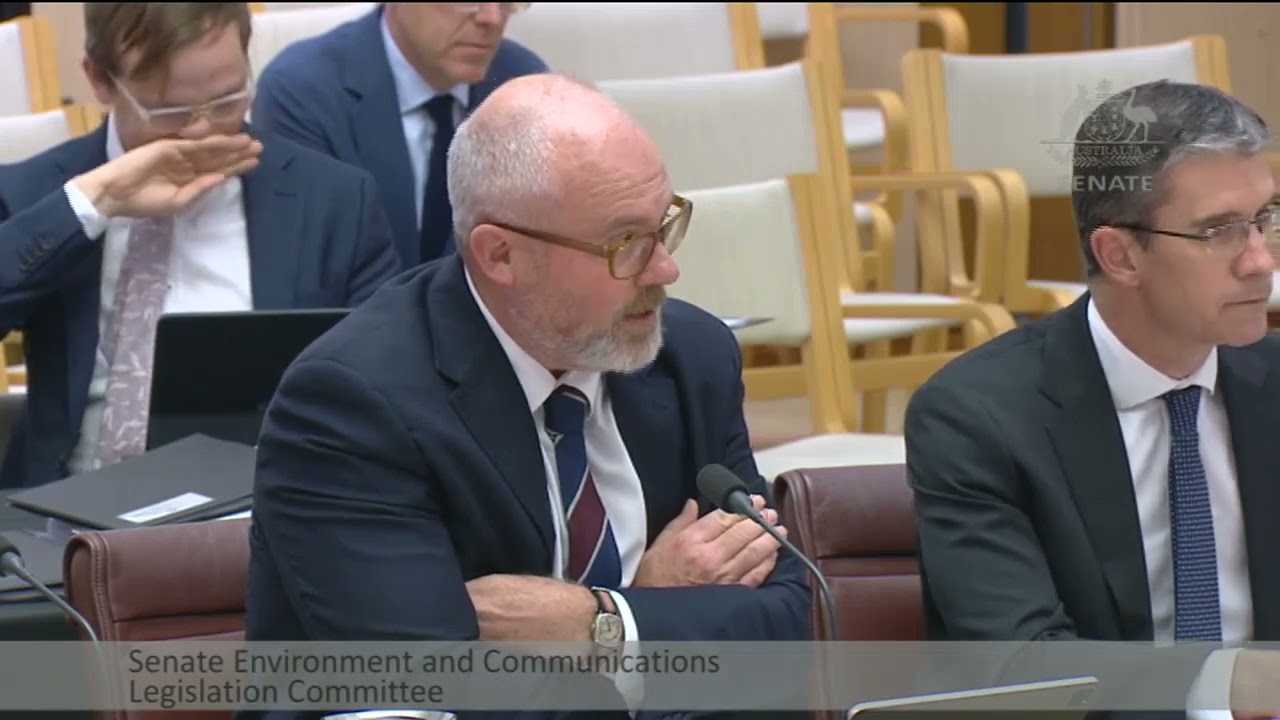
Dr Mayfield from the CSIRO defended the GenCost methodology as a consistent, independent and robust process developed in consultation with industry and technical experts. Because he didn’t have the specific draft on hand, Dr Mayfield took detailed questions regarding capacity factors, exact asset valuations and cost adjustments on notice.
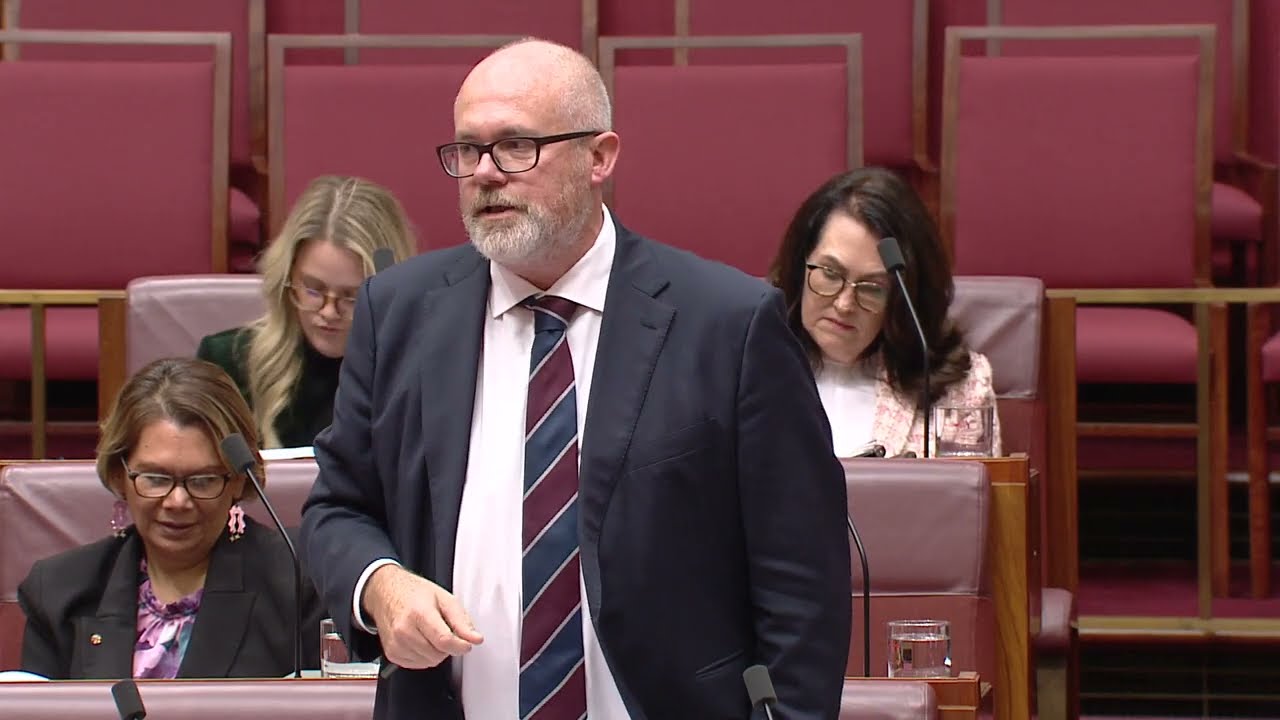
Senator Ayres strongly defended the government’s energy transition, dismissing my position on this as “imported talking points.” He argued that the GenCost framework reflects modern economic, engineering and technological realities, such as falling battery costs and said that attempting to revive old baseload models would weaken the economy, driving up costs.
One Nation will scrap Australia’s Net Zero by 2050 policy target along with all associated legislation, mandates and subsidies. We will withdraw from all international climate commitments like the Paris Agreement and back cheap base-load energy sources like coal, gas, hydro and nuclear energy.
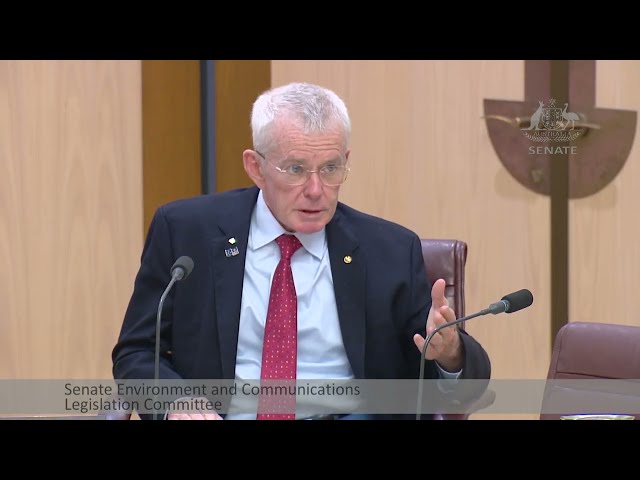
Transcript
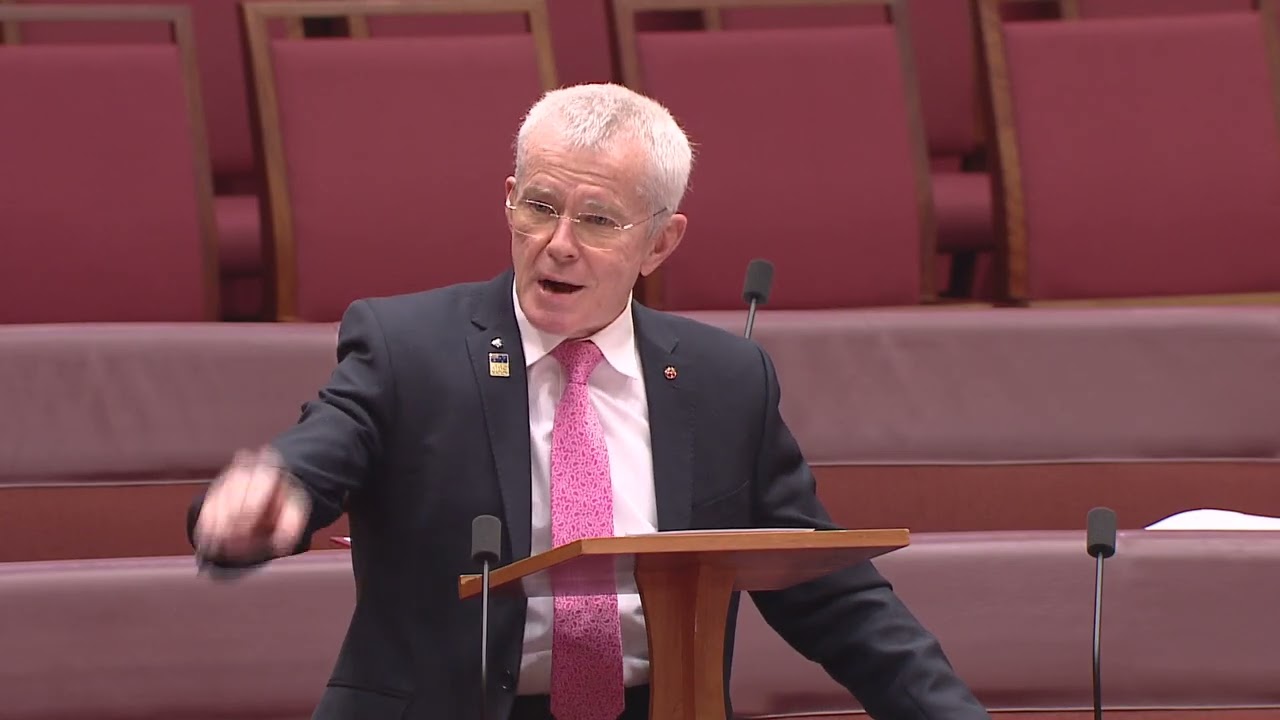
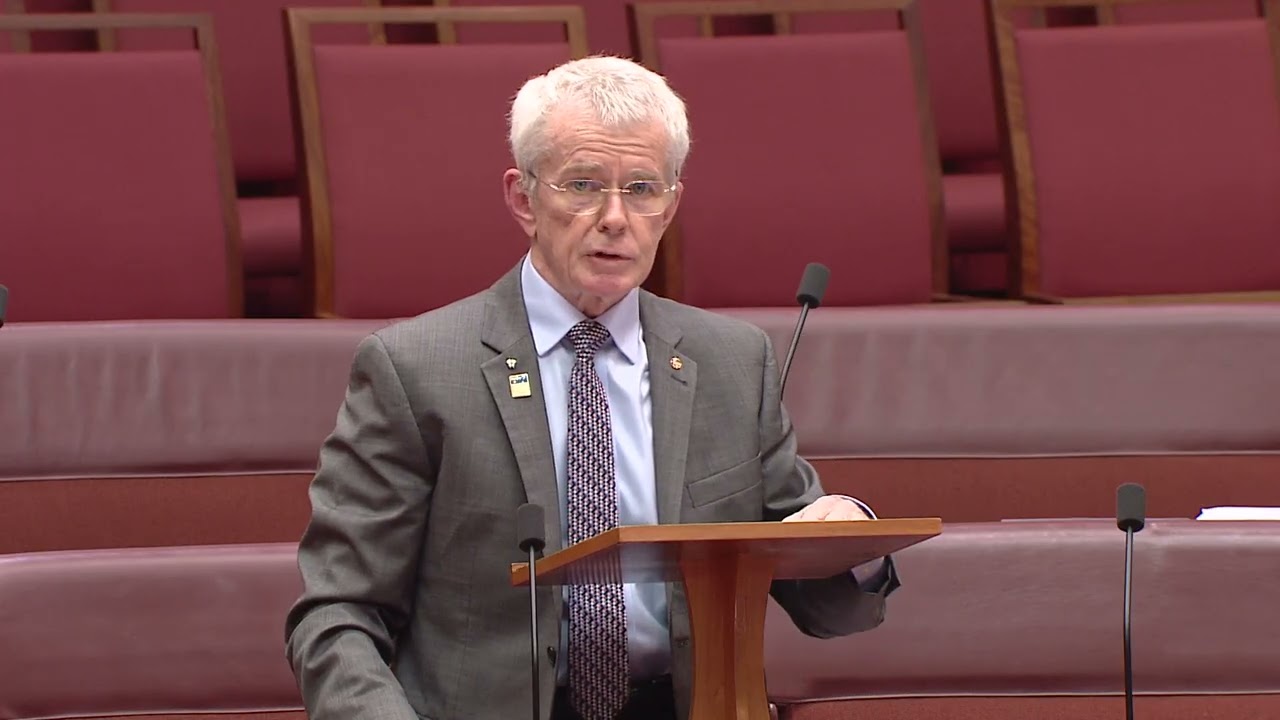
Senator ROBERTS: Thank you for appearing again. I’d like to go to your GenCost 2025-26 consultation draft. The purpose of GenCost is to show the different costs of each type of generation when all factors are taken into account—in essence, industrial wind and solar as compared to nuclear, coal and hydro. Do you think the assumptions made in this report around assessment periods for each type of power are conducive to producing an accurate cost of full life cycle generation?
Dr Mayfield: The latest consultation draft—so our final report—is not out at this point in time—
Senator ROBERTS: No, I meant the consultation draft.
Dr Mayfield: It is the same methodology, as we’ve discussed many, many times—so, yes, we think it’s an appropriate methodology that’s being applied.
Senator ROBERTS: One of the most common uses of this report is to show Australians, the media and the government which is supposedly the cheapest levelised cost of electricity. This in turn informs the debate around which type of generation is cheapest and accordingly should be the focus of the government’s energy plans. Does this draft report make the right assumptions in the economic life of each type of generation?
Dr Mayfield: We’ve been through various assumptions; if you want to be explicit about some, that might help. We’ve talked about coal-fired power in the past. The assumptions that we have been using either are based on work that sits with AEMO or come out of the consultation process done with industry representatives as we develop the report.
Senator ROBERTS: Your answer is yes?
Dr Mayfield: Yes.
Senator ROBERTS: Thank you. The life of the project makes a huge difference to the cost of the electricity it puts into the grid. Coal, nuclear and hydro have higher construction costs than wind or solar. They also last much longer than wind and solar, so the higher cost can be repaid across a much longer period, which makes a huge difference to the final cost of electricity. Your draft sets the life span of coal, nuclear and hydropower stations at 30 years, with industrial wind and solar at 25 years. That’s the absolute limit of cheap Chinese solar and wind installations. I would call 25 years fanciful, based upon what’s happening around the world. This draft appraises coal, hydro and nuclear over less than half their life. Wind and solar are appraised over their entire life. Can you explain that to me, please?
Dr Mayfield: If you go back to previous estimates, Mr Graham has explained all those assumptions.
Senator ROBERTS: I’m asking you to explain it. This is the latest draft.
Dr Mayfield: I will take it on notice.
Senator ROBERTS: You haven’t got the answer here?
Dr Mayfield: I haven’t got the draft here with me, but I’ll take it on notice.
Senator ROBERTS: Coal power stations last 50 years, which the draft acknowledges before using the shorter figure anyway. You show hydro at 100 years but use 30 years anyway. You show nuclear at up to 80 years but use 30 years anyway. You are saying the decision has been taken based on the financial decision-making, which is based on risk mitigation. It’s an unrelated metric to the actual cost of building out these power stations and makes coal, hydro and nuclear artificially more expensive. Is your argument simply designed to inflate the cost of baseload power and reduce the cost of wind and solar?
Dr Mayfield: We’re technology agnostic. The assumptions are consistent across all the technologies. You’ll appreciate there’s reinvestment required during the lifetimes of all of those technologies, in various aspects. They’ve been done on a consistent basis.
Senator ROBERTS: Wind and solar reinvestment—you’re absolutely right—is after about 20 years; let’s go with 25. Coal is after 50 to 60 years, nuclear is after 60 years and hydro is after 100 years. Snowy Hydro has been going how many years—80-odd?
Dr Mayfield: You’ll have to reinvest in turbines during that time.
Senator ROBERTS: Turbines. Snowy.
Senator Ayres: All these technologies require reinvestment.
Senator ROBERTS: Not completely—
Senator Ayres: That’s not new news.
Senator ROBERTS: Maintenance is not replacement of capital.
Senator Ayres: It’s the same old argument. You don’t like the numbers provided by Australia’s experts; I understand that. There’s nothing credible about the approach that you bring to these questions. We’ll endure the same imported talking points again. Go through it; we’ll do our best to answer the questions. You will find that Dr Mayfield and others will have to refer you back to the same answers to the same questions that you insist on asking. I know you don’t like the result, but that’s science, that’s engineering and that’s economics right there.
Senator ROBERTS: And I’m all about protecting the taxpayer and the Australian citizen.
Senator Ayres: Sure. There’s not much evidence of that either!
Senator ROBERTS: In any event, your assumptions are still wrong. Nuclear is being financed over 15 years to 20 years, hydro over 15—which is crazy for a 100-year asset—and coal is under 10 years. If this was to try and make GenCost accurate, you’ve failed. Your basic assumption of the life of the asset is wrong from a financial perspective, and it’s certainly wrong from a reality perspective. Why are you making such a fundamental mistake repeatedly?
Dr Mayfield: If you can put your questions to us, I’ll take them on notice and let the experts answer those.
Senator ROBERTS: You’ve got it. If a One Nation government were to issue 50-year infrastructure bonds or ones for a shorter period with a rollover option to fund nuclear, coal and hydro, what would that do to your report assumptions? You would have no reason to use the life-of-project figure you use, and you would then have to use the real life one. The government issuing financing in return for owning the generation would completely ruin this core assumption of GenCost, wouldn’t it?
Senator Ayres: In the event that there was a ‘One Nation Liberal National’ uniparty government—
Senator ROBERTS: I said a One Nation government.
Senator Ayres: then you would bankrupt Australia with that kind of approach. You would drive manufacturing offshore. You would make us weaker and less secure. I know that doesn’t suit the imported talking points that you insist on running through. It’s a matter for you if you want to indulge that kind of perspective, but we are dealing with the real issues in a real economy for real firms—
Senator ROBERTS: That’s what worries me.
Senator Ayres: and real generation. You are in an imaginarium of your own making.
Senator ROBERTS: If a One Nation government chose to fund the construction from consolidated revenue and own the generation, that would destroy your core GenCost assumption, wouldn’t it?
Senator Ayres: You would bankrupt the government as well as the economy in that instance, Senator. You’ve got the right to put out the funny dodges and all that sort of stuff that you guys do—that’s fine. We’re going to deal with the real things in the real economy.
Senator ROBERTS: The draft GenCost figures are large-scale solar photovoltaic, $52 to $88 per megawatt hour; onshore wind, $78 to $129 per megawatt hour; black coal, $121 to $195 per megawatt hour; large-scale nuclear, $200 to $328 per megawatt hour. The capacity factor here is important. The more power that’s generated out of the nameplate capacity, the cheaper the power. What reliability figure have you used in the lower range and higher range figure for coal and nuclear?
Dr Mayfield: I’ll take that on notice and refer you back to previous answers. We’ll get the experts to give you detailed answers to your questions.
Senator ROBERTS: Did the experts produce this?
Dr Mayfield: The techno-economic people that we employ have produced that report in conjunction consultation with industry and with guidance through that process. It’s a well-used process. We think it’s a very robust process. We’re very happy to provide those answers on notice. We’ve provided many of them already.
Senator ROBERTS: What capacity figure have you used in the lower and higher range for large-scale photovoltaic and onshore wind?
Dr Mayfield: I’ll take that on notice again. I don’t have the report with me today.
Senator ROBERTS: I look forward to your answers, On notice, please, what change would assessing project life for coal at 50 years, nuclear at 60 years and hydro at 80 years have on your draft levelised cost of electricity?
Dr Mayfield: Again, we’ll take that all on notice.
Senator ROBERTS: We’re getting through this pretty quickly, CHAIR. Coal power stations would likely go into a brownfield site, or the existing generation would be replaced with modern clean generation with higher capacity. This reduces the cost, whereas wind and solar are all greenfield—the highest cost—especially to the environment. Senator Whish-Wilson has been trying to shut down the Robbins Island wind turbines! Why have you removed the issue of brownfield versus greenfield from the calculation? It makes coal and nuclear look artificially bad, doesn’t it?
Dr Mayfield: The whole basis of the GenCost report is to look at greenfield, new generation, costs; it’s not looking at brownfield.
Senator ROBERTS: You don’t consider brownfield at all?
Dr Mayfield: Not for GenCost—not for the purposes that AEMO are looking at.
Senator ROBERTS: Battery—
CHAIR: Senator, you’re at 10 minutes.
Senator ROBERTS: I’ve just got two more.
CHAIR: Okay.
Senator ROBERTS: Battery backup is shown as a separate levelised cost of electricity. It’s only needed to firm wind and solar, so it should be shown against the cost of wind and solar. Showing it separately will produce a misleading, much lower, figure for the cost of wind and solar. Why have you chosen this misrepresentation— omitted the cost of battery backup to make wind and solar look cheaper?
Dr Mayfield: Again, I’ll take it on notice. We’ll get the experts to give you detailed answers to your questions. As I said before, it’s a robust process. We’ve provided many of those answers before.
Senator ROBERTS: Transmission lines appear to be included against wind and solar. Can you provide the annual cost here? What appears to be a $10 per megawatt hour charge would factor in how much in transmission line construction and maintenance? And will it be enough?
Dr Mayfield: Again, we’ll take that on notice and provide you with a detailed answer.
Senator ROBERTS: Have you received any instruction or direction from the government to produce fraudulent costings to justify the net zero agenda? Yes or no? It’s a simple question.
Dr Mayfield: I don’t agree with the premise of that question at all.
Senator Ayres: Senator, I can assure you this is an independent process that is robust—and it deals with the with the technology changes, and the lowest possible cost of electricity. Battery costs, for example, have fallen by 91 per cent since the 1990s—that’s the truth of it. Now, you want to take the country back to a sort of weaker, more expensive system? Really! We’re trying to build a modern electricity system. You want to put people back in the caves, basically.
Senator ROBERTS: Senator Ayres, are you not aware that Australia had the cheapest—
Senator Ayres: We are getting—
Senator ROBERTS: coal-fired power station in the world?
Senator Ayres: In the olden days, Senator—in the olden days—
Senator ROBERTS: And we’re now amongst the highest in the world—
Senator Ayres: when it was the only—
Senator ROBERTS: with solar and wind?
Senator Ayres: technology that—
Senator ROBERTS: Are you not aware of that?
Senator Ayres: was available for Australia—
Senator ROBERTS: These are basic things for manufacturing.
Senator Ayres: And, back in its day, coal was terrific—it was terrific. But the world has changed and technology has changed. These are lower cost, for a good environmental outcome. They are lower cost and they will make Australian industry more efficient. Our job, as electricity use expands, is to provide addition into the system and build a modern system. You want to take the joint backwards? Make that case. Go your hardest!
Senator ROBERTS: China burns more than 53 per cent of the world’s coal consumption every year, and manufacturing is going to China.
Senator Ayres: If you want to argue that Australia should go backwards—
Senator ROBERTS: Manufacturing is going to China.
Senator Ayres: and get weaker and poorer—which is the outcome of your kinds of policy prescriptions: less secure, weaker and poorer—then go for your life! But you’ll get the same answers from experts—
Senator ROBERTS: You’re taking us backwards on standard of living already.
Senator Ayres: and from proper, robust processes.
CHAIR: Senator Roberts, do you have any more questions?
Senator ROBERTS: That’s it. Thank you very much.







Leave a Reply
Want to join the discussion?Feel free to contribute!
Using your first name