

The Victorian Premier puts the cost of Suburban Rail Loop (SRL) East between $30 billion and $34.5 billion, whilst the Victorian Parliamentary Budget Office (PBO) estimates the combined cost for both the East and North stages at a staggering $132 billion once loans are repaid by 2084.
When I broke down the numbers based on the business case’s projected traffic (calculating that recovering a total projected cost of $132 billion over 50 years would equate to a ticket price of about $30 a trip or $300 weekly), officials conceded that no urban railway in Australia covers its capital costs from fares, relying instead on heavy taxpayer subsidies.
Shocked at these massive capital costs, I asked what happens if the expensive North stage is dropped and how this project can be justified when it will perpetually drain taxpayer funds.
I contrasted this with the termination of the Inland Rail project, questioning how the government could funnel money into a project like the Suburban Rail Loop while ignoring the accountability of Victoria’s broader infrastructure budget.
Transcript
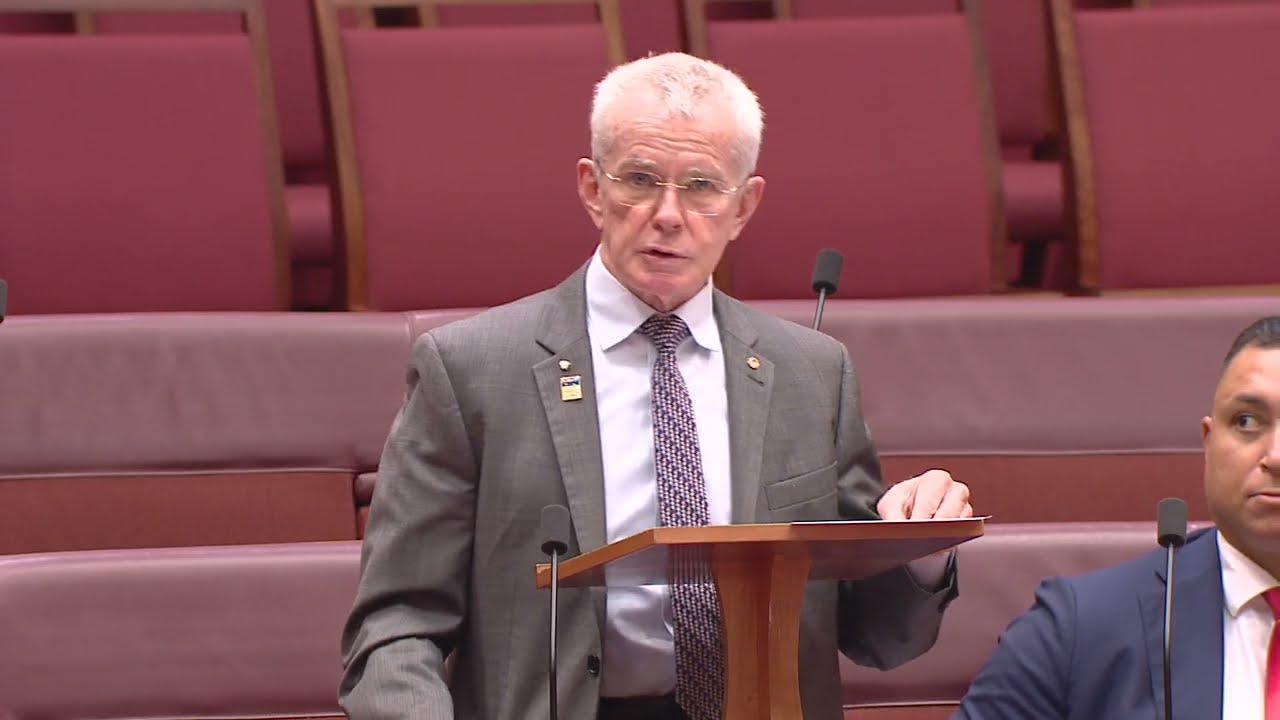
Senator ROBERTS: My questions go to the Victorian Suburban Rail Loop. The Victorian Premier has put the project costs for Suburban Rail Loop East at between $30 billion and $34.5 billion. The Victorian Parliamentary Budget Office has put the cost of both stages at $84 billion for the East and $132 billion for the North, by the time that the loans are paid back in 2084. This includes the full cost of construction, interest and operation. Do you agree or dispute the Victorian Parliamentary Budget Office figure?
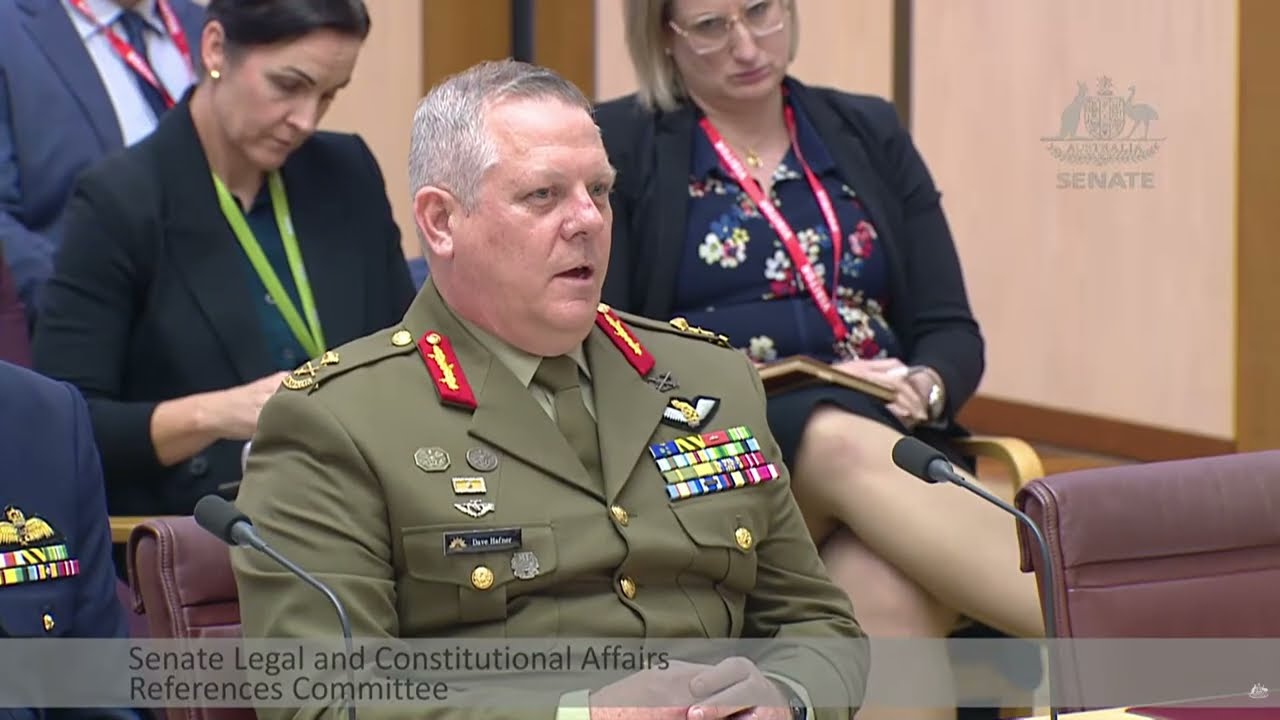
Mr L Wood: I don’t dispute the PBO figure. When we’re looking at it from an Australian government investment perspective, we look at it from a capital cost point of view, and the total project cost that we’re using is $34.5 billion. That is the total project cost that we’re operating under for SRL East. The Australian government hasn’t committed to SRL North.
Senator ROBERTS: Let’s continue. Following the completion of all stages of the Suburban Rail Loop between Werribee and Cheltenham, the business case puts the traffic at 400,000 trips a day, when averaged across a year. This works out at seven billion trips in the first 50 years. Recovering the $216-billion cost from seven billion trips equals a ticket cost of about $30 a trip, or $300 for a weekly, in 2026 dollars. How is this project financially feasible without billions of dollars in subsidies every year?
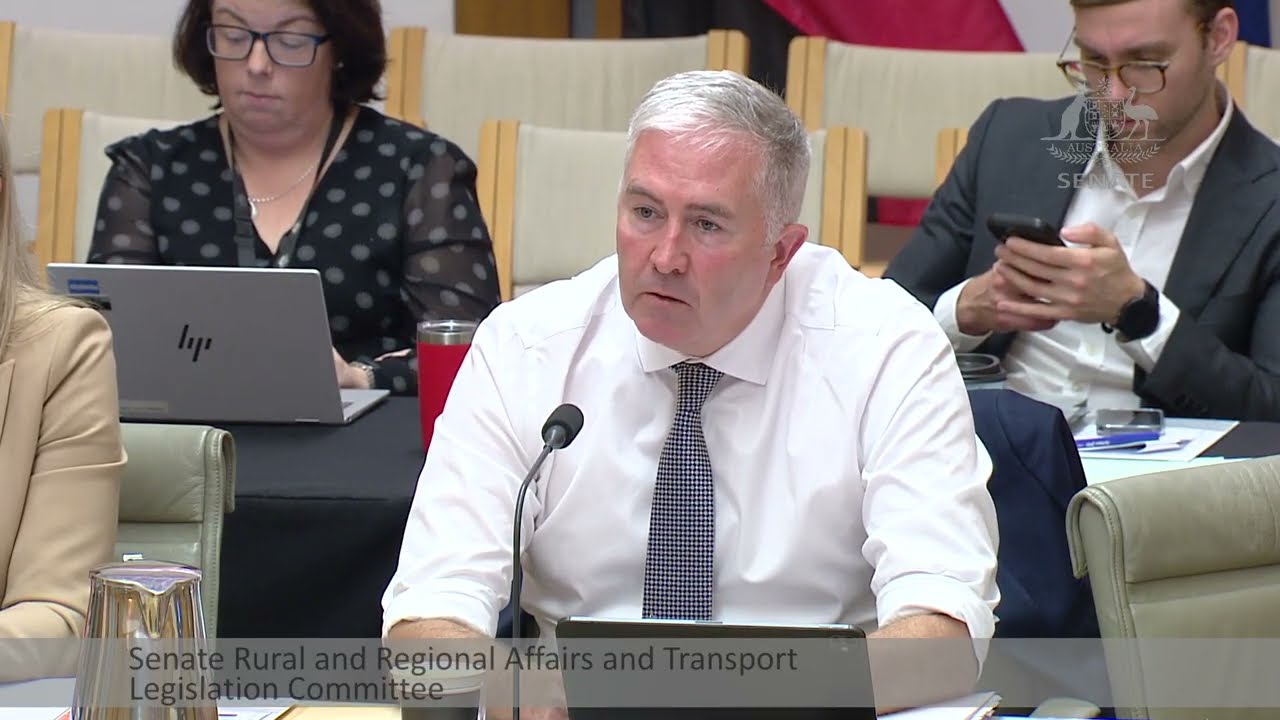
Mr Betts: Because, like every suburban train system in Australia, we rely on taxpayer subsidies to make the farebox affordable. There isn’t an urban railway in Australia that washes its own face by recovering revenue and making a profit.
Senator ROBERTS: These are staggering figures though, Mr Betts.
Mr Betts: If you look at the Sydney or Brisbane network, the level of taxpayer subsidization—I don’t have the figure in front me—would be 60 or 70 per cent. As things such as free fares are instituted, that proportion goes up. It’s fairly commonplace.
Senator ROBERTS: What’s the typical fare in Sydney? Averaged out, this is $30 a trip.
Mr Betts: It would be $30 a trip if you were to recover the entire cost of the project through what people pay at the farebox, but there’s no railway in Australia that does that.
Senator ROBERTS: That’s my point, though. This is a pretty hefty capital cost and, at $30 a trip, it’s a very hefty allocation of that capital over the years. I accept that we don’t have many unsubsidised suburban rail networks, but this is huge. It’s staggering, and I’m surprised that you’re not falling out of your CHAIR.
Mr Betts: It’s a big project, but then so are the metro projects in Sydney, which normally don’t cover their capital costs from farebox revenue, nor has any railway done since the 19th century.
Senator ROBERTS: Is it $30 a trip in Sydney too? Is that what the taxpayer is going to be on the hook for?
Mr Betts: Taxpayers are already paying a very significant proportion of the cost of running that railway.
Senator ROBERTS: So let’s add more, a huge amount more. Are you aware of this, Minister?
Senator McCarthy: I don’t travel the Sydney or Melbourne lines.
Senator ROBERTS: You’re a minister in the government of Australia.
Senator McCarthy: May I answer, Senator?
Senator ROBERTS: Yes.
Senator McCarthy: I don’t travel those lines, and I don’t know the cost of doing so, but I am listening here to Mr Betts.
Senator ROBERTS: The second stage, the North stage, which includes the airport link, is much more expensive. If the North stage is not built because of cost, what effect will that have on the ticket revenue on the smaller first stage? How much of the $84 billion will taxpayers lose by 2084 or, as you say, $35 billion; how much?
Mr L Wood: The $34.5 billion is the capital cost to build SRL East. That will be completed by 2035, and that’s underway now. SRL North would be a future decision of government if it were to choose to invest in that.
Senator ROBERTS: If SRL North does not go ahead, what would be the impact on East?
Mr Betts: We’ve looked at the economics and associated benefits of Suburban Rail Loop East, and that project continues to offer benefits even if the northern stage is not ultimately built.
Senator ROBERTS: At what cost? Minister, how can you terminate a real infrastructure project, such as Inland Rail, and give the money to a project like the Suburban Rail Loop, which, even if it’s finished at all, will never pay for itself and will always be a blackhole for taxpayers’ money? How can you do that?
Senator McCarthy: In terms of funding, the minister has made the decision and has made it based on advice from the department, so I’ll refer that to the department.
Senator ROBERTS: So what is that advice? What I want to know is how they’re going to do it.
CHAIR: I’m sorry, Senator. I heard clearly this morning, when we were speaking about Inland Rail, that a certain amount of money—$1.8 billion—would go to existing rail infrastructure, but I hadn’t heard that all the rest of Inland Rail money was going to a suburban rail loop.
Senator McKENZIE: I expect that the department did not advise the estimates—
CHAIR: I’m sorry, Senator. You just touched on this and I’m trying to clear it up for you.
Mr Betts: I’ll have a go at giving you an answer. Unlike the Inland Rail project, the Suburban Rail Loop project was subject to a business case, which was independently reviewed by Infrastructure Australia. That evaluation is on the website. The Commonwealth government’s contribution to Suburban Rail Loop, even allowing for the $3.6 billion, is a capped contribution—
Senator McKENZIE: So was the two.
Mr Betts: whereas the budget for inland rail, established by the previous government and handed to the current government, is a third of the cost of building that project, and that would be sheeted home entirely to the Australian taxpayer.
Senator ROBERTS: In other words, there’s nothing to see here. Snowy 2.0, Inland Rail, all missed. Minister, will you suspend funding for the Suburban Rail Loop, until you find where the missing $15 billion from Victoria’s Big Build went, or are you happy to fund criminals ripping off the taxpayers?
Senator McKENZIE: You’re copying my questions.
Senator McCarthy: Senator, isn’t it my understanding that you did not support the Inland Rail?
Senator ROBERTS: Not where it was, but we’re supporting it now and we have been supporting it. Pay more attention, Minister, because we have been vigorously supporting it and we’ve been connecting it to the east-west northern line.
Senator McKENZIE: Yes.
Senator McCarthy: They’re having a good laugh there, Senator McKENZIE, but we know what your previous Leader of the Nationals thought about all of that as well. But I’ll take your question on notice, Senator Roberts.
Senator ROBERTS: Can you answer it now?
Senator McCarthy: I’ll take your question on notice, Senator.





Leave a Reply
Want to join the discussion?Feel free to contribute!
Using your first name