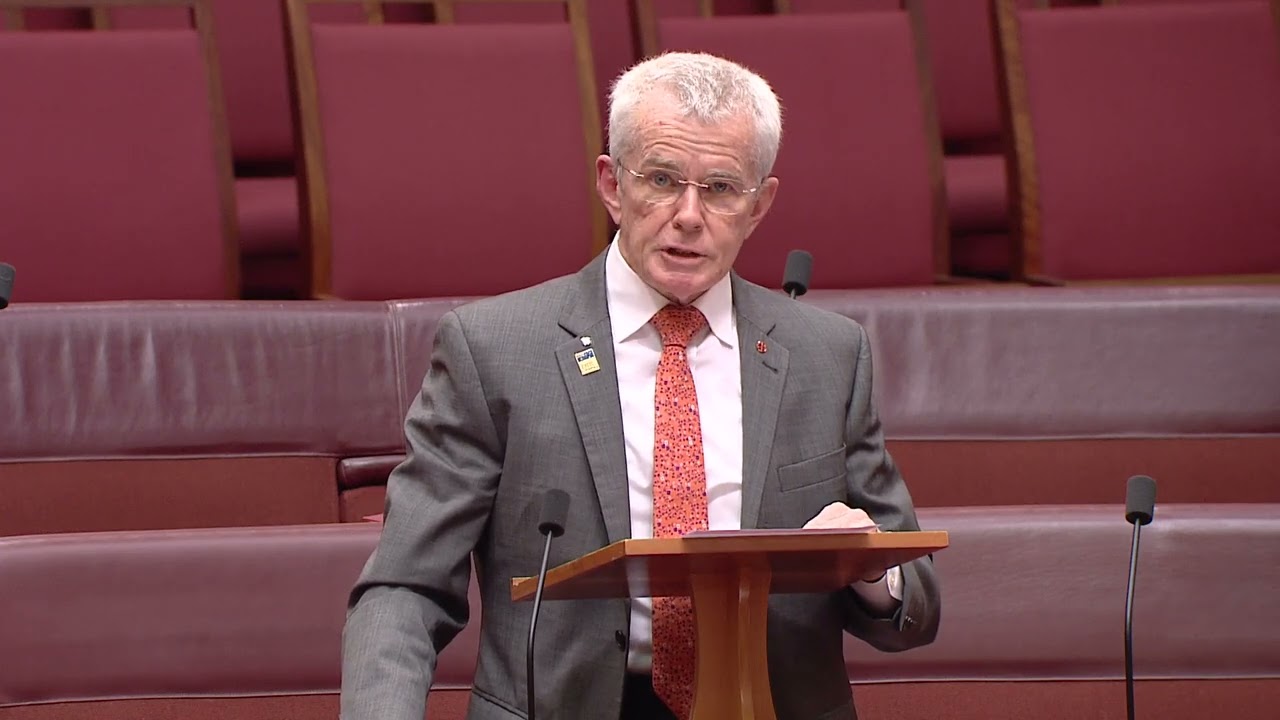
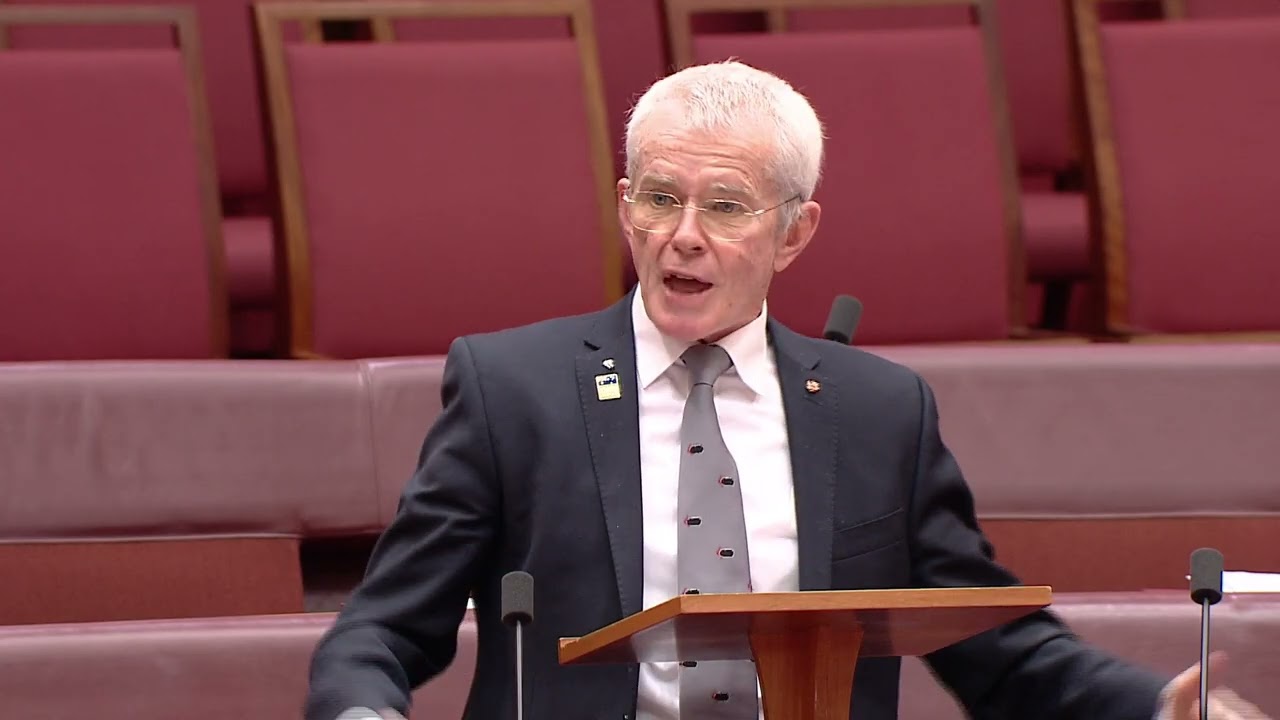
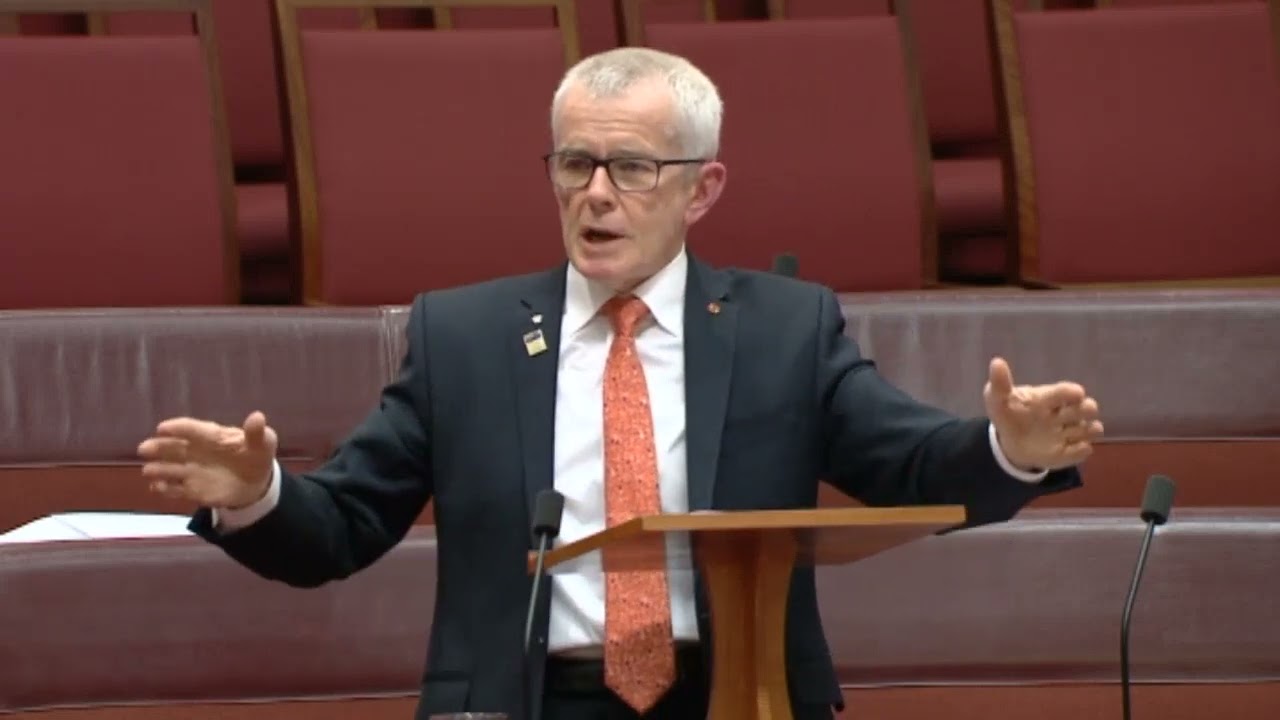
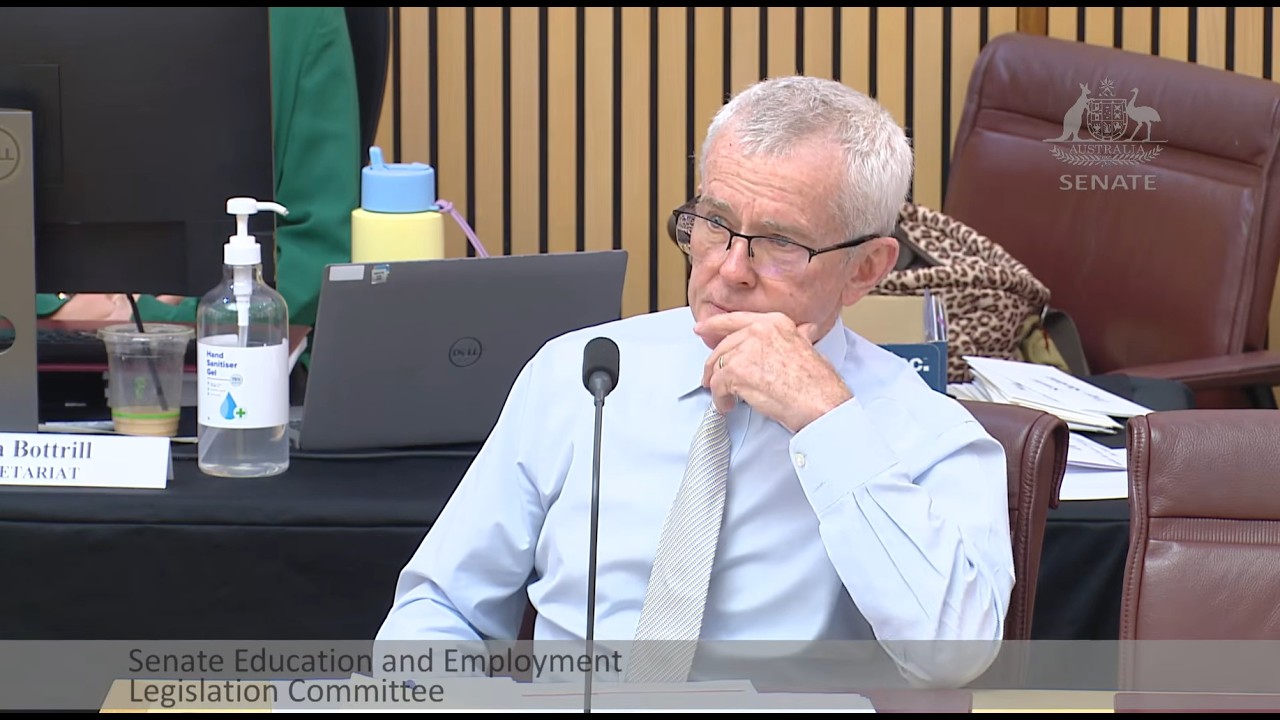
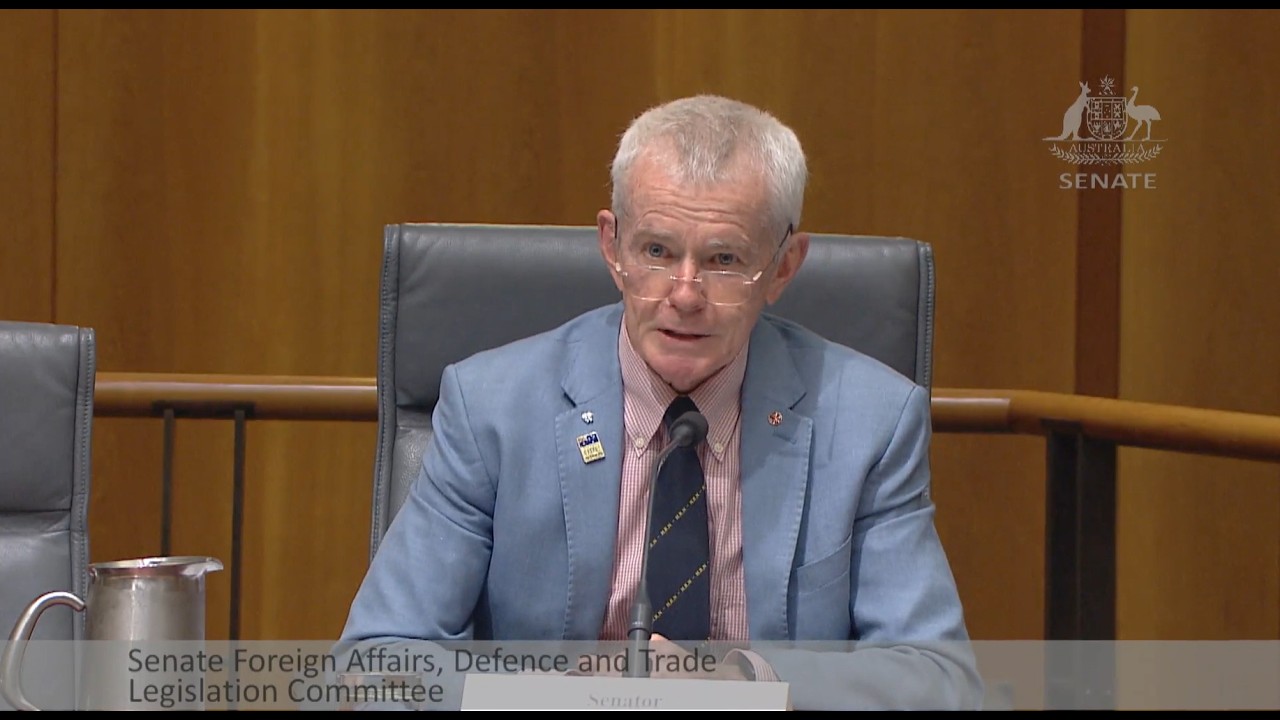
I seemed to have upset my colleagues when I questioned why more than half a million dollars was being spent on a grant exploring “Indigenous connections to outer space” and whether Aboriginal people “cared for other planets.”
How do such projects help Australians who are living in tents, skipping meals, or struggling to pay rent?
While people are hurting, the Labor government is spending $1 billion a year on grants like this.
Taxpayers deserve to know why.
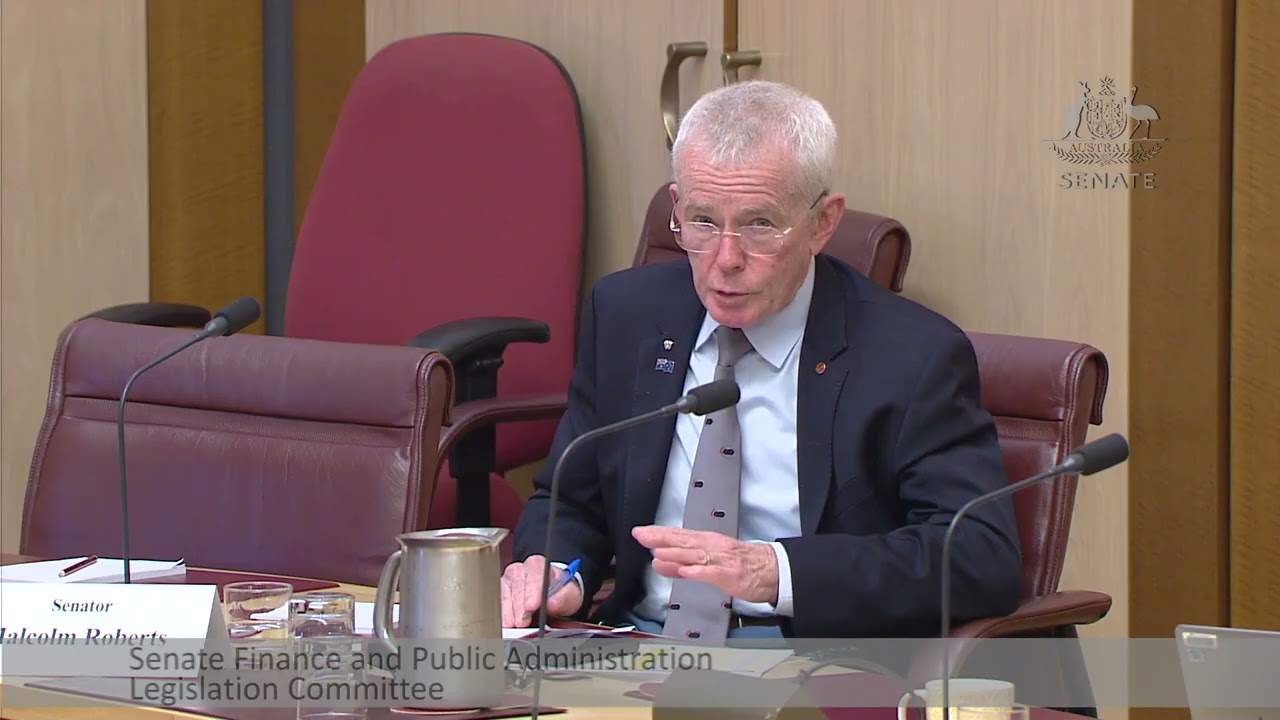
— February | Senate Estimates
Transcript
Senator ROBERTS: Moving on, Dr Lara Daley at the University of Newcastle received a grant of $528,491 over three years, including salary and project costs to study: ‘Aboriginal and Torres Strait Islander knowledge in Australian space policy, using songlines and creation stories, aiming to broaden understandings of outer space by identifying and supporting Aboriginal connections between space and life on Earth to develop culturally respectful and environmentally responsible space exploration.’ How would Aboriginal environmental management be better than what these days is a collective understanding of environmental management that includes Aboriginal management of the environment?
Prof. Shergold: My answer to this and other questions I suspect are going to be identical. I can do no more than describe the peer-review processes that are being used and hopefully make it clear why it would be entirely inappropriate for me or the board to step in on particular projects on which we would have far less expertise than the assessors to overturn decisions.
Senator ROBERTS: Thank you, Professor Shergold. That doesn’t give the taxpayers much confidence. How would Aboriginal management be better than what these days is a collective understanding of environmental management full stop? Does the ARC expect Elon Musk to encounter an Indigenous population on Mars for which we should prepare? According to her bio, Dr Daley’s research is grounded in herself as, inter alia, ‘a white, non-Indigenous person on unceded Aboriginal country specialising in human and more-than-human research, including outer space as being already known, cared for and inhabited through Indigenous ontologies. Did Aboriginals inhabit other planets?
CHAIR: The scope of estimates is very broad, but it is contained to the operations and expenditure of departments and agencies, and I—
Senator ROBERTS: Okay, one more question.
CHAIR: Okay.
Senator ROBERTS: I wonder: did Aboriginals care for other planets in the solar system? You appear to be trying to extend Aboriginal mythology to other planets in the solar system. How far out—Pluto, Saturn, to infinity and beyond, as Buzz Lightyear said in Toy Story?
Senator FARUQI: My God. Read some books, Malcolm!
Senator ROBERTS: Australians are living in tents, struggling to buy food. Hundreds of thousands of people are struggling. Tens of thousands are living under bridges and in cars, and this is what you spend your $1 billion a year on. Unidentified speaker: Is there a question, Chair?
Senator FARUQI: Chair, please put us out of our misery.
CHAIR: Malcolm Roberts, please take a moment. Senators, I appreciate all the feelings at the table, but it is important that senators are able to be heard in silence as they ask their questions, as it is important for witnesses to be heard in silence and not spoken over. I will be enforcing this on both counts. Senator Roberts, you have the call to keep asking your question. Senators, regardless of what you think of it, please allow him to do so in silence.
Senator ROBERTS: With Australians struggling, why is this what you spend your $1 billion a year on? Taxpayers would be saying, ‘Shame on you.’
Senator Walsh: Was that for the professor or for me?
Senator ROBERTS: Both.
Senator Walsh: I’ll go first, Senator Roberts, and say that you are a politician and that you are expressing your political views right now—
Senator ROBERTS: On behalf of many constituents, yes.
Senator Walsh: and what we did is we removed politics from the processes that the ARC uses, because we believe in peer review of research not political review of research. The ARC’s process is rigorous. It is independent. As Professor Shergold has said, it is based on a strong network of peer reviewers. That is the decision of the government. We based that decision after an independent review of the ARC Act. Our reforms came into force from 1 July 2024, and we established an independent and expert ARC board to be responsible for the approval of grants, fellowships and the like. Professor Shergold and his team are discharging their obligations under the legislation to assess grant applications through these processes—through the panel, through peer review. They are discharging their obligations appropriately, and the government undermines efforts to undermine the trust in the Australian Research Council.
Prof. Shergold: You are quite right to be directing the question to me. It isn’t a ministerial decision. It is in very large measure a decision for me and the board of the ARC. You’re quite right. The reality is, as I said, that we had about 1,000 grants that were approved last year. It is inevitable that there will be 10 or 20 of those that will become highly controversial for the reasons you’ve suggested. I suppose my view is—and it’s not giving any view on any particular research—that the fact that becomes controversial is not a bad thing. The whole purpose of research is to look for new paradigms, to interpret in new ways, to provoke and, to be honest with you, to raise hackles on existence. It is the way in which we continue to improve what we do economically, socially and environmentally and have debates about culture within Australia. I can’t, like you, sit down and say, ‘I think that looks like a really good piece of research to me, and that one looks a bit whacky.’ I’ve got to be dependent upon the experts that I use. My task, as I’ve said, is to make sure that they are doing it with integrity. I want to make sure, to see, that there are no conflicts of interest. I want to look at the outcomes of that research, to make sure that all universities are getting agreement that Indigenous scholars—not just on Indigenous issues, incidentally, but Indigenous scholars in all areas—are getting fair access. That’s what I’m looking at when I look at the 4,000 grant applications we receive and the thousands of decisions we make. It’s making sure that, in all ways, the peer review process is working and, with the board, looking at ways in which it can be improved all the time.
Senator ROBERTS: Thank you, Chair.