

Bureaucracy shouldn’t be swallowing up funds meant for our most vulnerable communities.
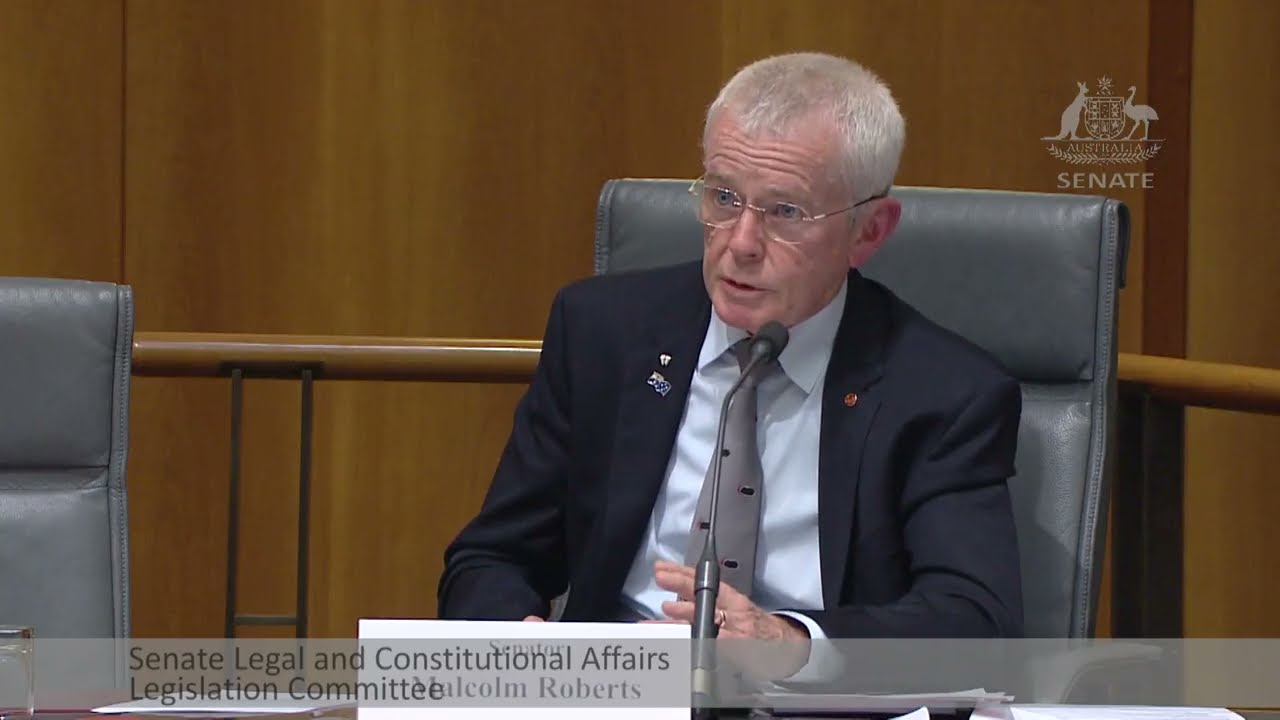
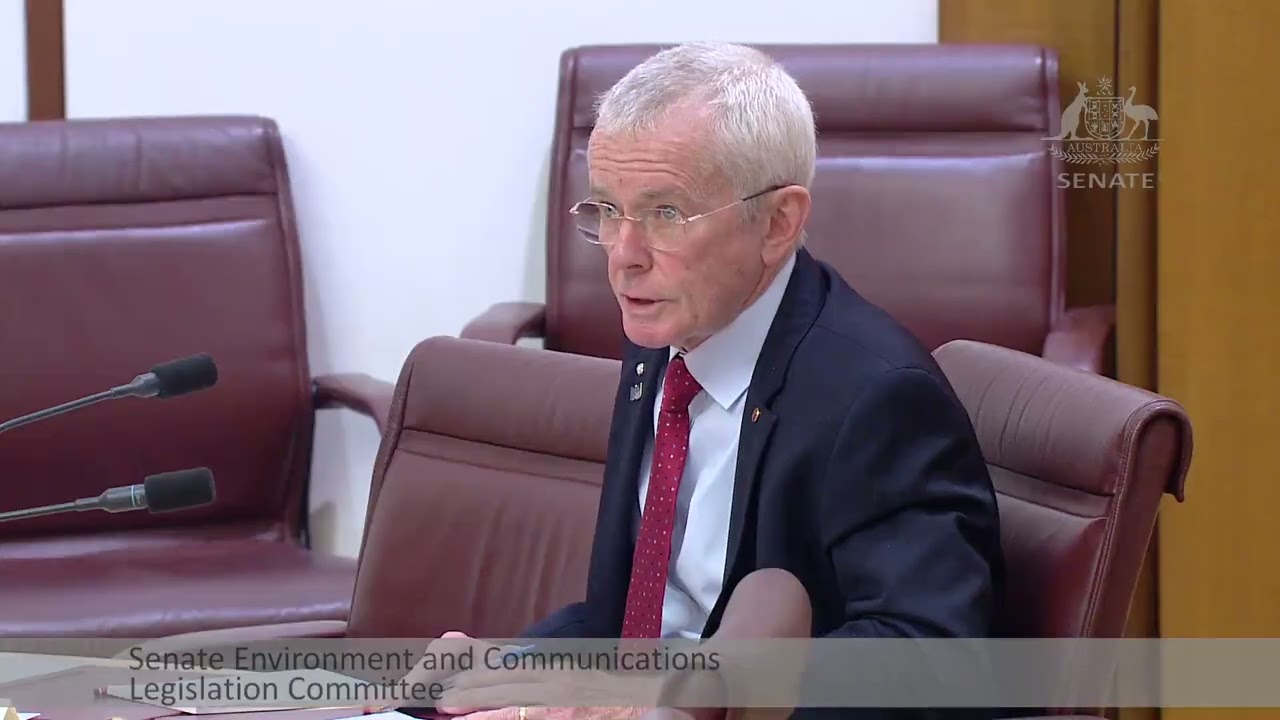
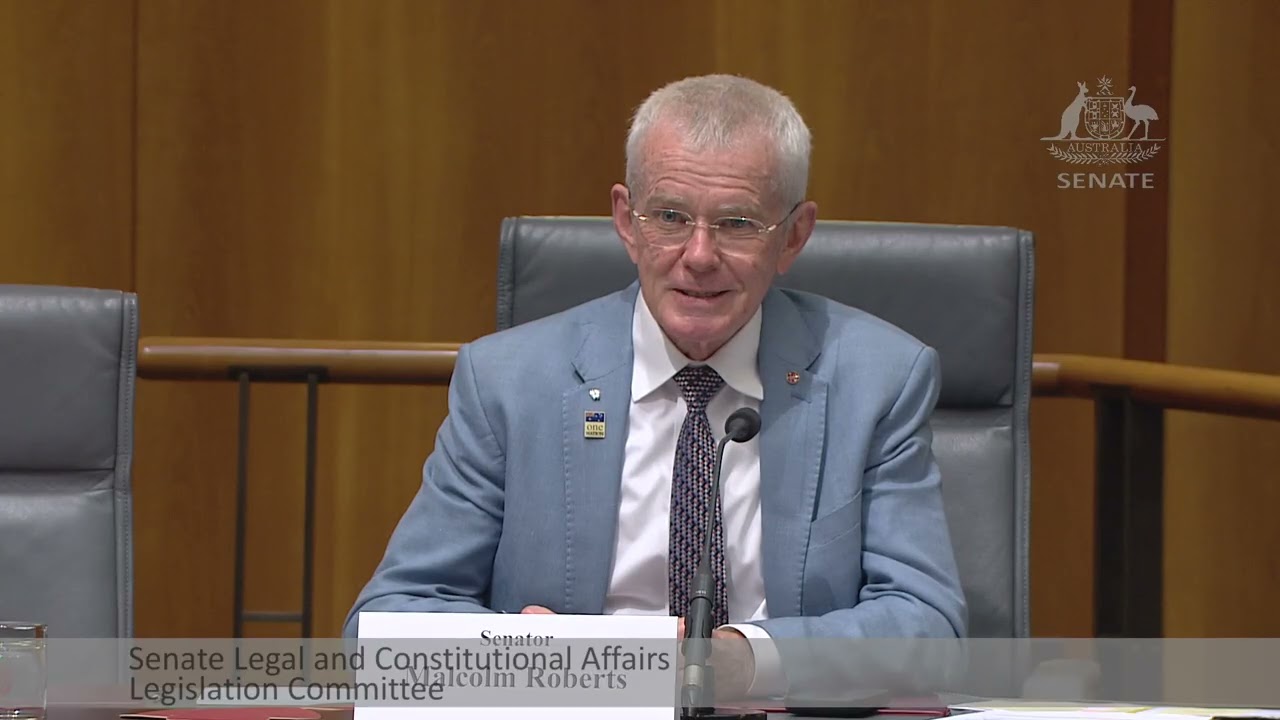
I recently questioned the NIAA at Senate Estimates on the ongoing failures of the Closing the Gap initiative. Case in point: out of a recent $40M grant for the Alice Springs Camp, roughly half was chewed up by administrative salaries rather than direct aid.
When pushed for a genuine, independent external audit to see where the money is actually going, the NIAA pointed to internal reviews. ANAO does not conduct the deep financial audits required here. This is just the department monitoring itself.
Worse still, when asked if basic welfare payments are enough to survive on in remote areas, the NIAA directed me to the Department of Social Services.
How can we close the gap if the leading agency refuses to look at the actual baseline standard of living?
A One Nation government will demand transparency and independent audits, ensuring that funding goes to people that need it – not middlemen.
Transcript
Senator ROBERTS: Thank you all for appearing again. Good morning, Minister. One of the ongoing tragedies is the failure of the Closing the Gap concept when there are so many people whose vested interests lie in ensuring the gap will never close. Why is so much grant money wasted on enriching middlemen and middlewomen and only a proportion of the grant money ends up with those who the grant was intended to benefit? This is the flaw in the existing grant models where only a fraction is actually spent on the purpose. An example of this relates to grant money allocated to support those Australians living in the Alice Springs camp. Recently, a grant of more than $40 million was made, but half of that was used for salaries, with less than half going to direct assistance. Is this acceptable, Minister?
Senator McCarthy: We have gone through the breakdown of the funding for Tangentyere in terms of the town camps, Senator. I will ask Ms Bellenger to go through that again with you.
Senator ROBERTS: Thank you.
Ms Bellenger: As we outlined earlier in the session, Tangentyere receives 18 activities funded through the NIAA. If all of those activities are successfully delivered, they will receive around $20.3 million. That does depend on the successful delivery of all of those programs.
Senator ROBERTS: That didn’t answer my question but let’s move on. Does half the grants going in salaries explain why so much money is spent on Closing the Gap, yet the gap keeps getting bigger? Let’s face it, it gets bigger every year.
Ms Bellenger: There is money spent on salaries through the NIAA grants, and they are for the services that are directly provided and are almost entirely filled with First Nations local people. I would argue that a job in the first instance supports—but then the services that are provided to people are also the primary outcome.
Senator ROBERTS: Thank you. When will a genuine audit of expenditure and outcomes be done on the effectiveness and the value-for-money basis of all Indigenous grants and NIAA programs over the last five years?
Ms Guivarra: We have rigorous monitoring of our own grants through internal assessment processes, and this occurs every year. We monitor for the effectiveness and efficiency and value for money, which is required under the PGPA Act, with all of our investments. You would have seen over a number of years now that the NIAA’s funding has been directed more and more to our engagement with community-controlled organisations being responsible for the provision of our services to communities so that there is a greater connection to what it is that is going to be required to make change for those communities, because now essentially many more of our grants are being delivered through community-controlled organisations.
Senator ROBERTS: When will we see a third-party independent audit.
Ms Guivarra: We have a number of different accountability mechanisms as a Commonwealth executive agency as it is. We have regular performance audits by the Australian National Audit Office that we’re required to do. I will get our group manager for integrity to go through a little of some of the more recent ANAO audits that we have had.
Mr Worth: The assurance mechanisms in place for our funding and how it’s spent, and the value delivered, are multilayered. Within the agency itself we have requirements through all of our funding agreements for providers to report against KPIs in terms of their service delivery. Each time those reports are received, they’re reviewed by the teams. It’s checked off against their own experience, checking with community and visiting the providers themselves to sight those services. With the financials themselves, each time an acquittal is required, staff within the NIAA review the acquittal—that is, the funding claim being made by the provider against that—and they check that it’s in line with the contract and that likewise it’s supported by the performance reports. Then, as Ms Guivarra mentioned, the ANAO, in terms of independent audit, conducts audits of our own—
Senator ROBERTS: The ANAO told me a couple of times that they don’t do detailed, comprehensive audits. What you’re talking about is monitoring yourself. I want to know when an independent external audit will be done.
Mr Worth: The ANAO conducts two types of audits. One is of the actual processes and the way that we operate in order to ensure that the key risks that the Commonwealth is exposed to through our operations are being properly managed through our processes and controls and so on. When it comes to individual audits, the requirement for any audited accounts from providers varies according to the assessed risk for that particular provider. We do require some providers to have their accounts audited independently, and those are checked and received. However, it’s not always the case. As I said before, we do full checks of the acquittal claims made by our own staff. Of course that’s independent from those making the claims who are the providers. So there are a large number of checks and balances in place. There are, where required, given our risk assessments, independent audits required of some providers. On top of that, our own processes and our own approach to risk management is subject to audit by the ANAO.
Senator ROBERTS: Thank you. Do most adult Indigenous people living in remote areas, if not working, receive a fortnightly welfare payment?
Ms Guivarra: I would say, Senator, there is an Australian requirement that, after a certain period of time, if you are not working you are entitled to a payment. Yes.
CHAIR: That’s all Australians.
Ms Guivarra: That’s all Australians, yes.
Senator ROBERTS: So I’m guessing you’re saying yes. Is that likely to be the same or more than that received by non-Indigenous recipients?
Senator THORPE: We get triple! Didn’t you know that!
Ms Guivarra: I would say there’s no difference in treatment for Aboriginal and Torres Strait Islander people from other Australians.
Senator ROBERTS: Is the payment enough to live on?
Senator WHITEAKER: Chair, I’m not sure this agency’s responsible for the payments to which the senator is—
Ms Guivarra: We are not. Our responsibilities are for the programs and policies that we administer. If it’s in relation to the social security system, then I would suggest you direct those questions to the Department of Social Services.
CHAIR: To ensure you get the accurate answers to your questions, Senator Roberts, we would direct you to them. This is your last question before we rotate.
Senator ROBERTS: Where does the money go? Is the payment enough to live on? Surely that’s part of your remit. What proportion goes in rent? Why is the attendance at school so low? What is being done to fix it?
CHAIR: That’s an awful lot of issues in one sentence, Senator—
Senator ROBERTS: I want to know what they’re doing.
CHAIR: many of them not related to this department, although that’s not to go to the relevance of your question. But you’re probably going to need to break it down a little for the officers to appropriately respond.
Senator ROBERTS: Thank you. Is the payment enough to live on? Where does the money go, and specifically rent?
Ms Guivarra: I think a lot of the issues that you are raising are not within the remit of this agency. As I said, if it’s in relation to social security payments of any sort, it is actually the Department of Social Services who would be able to provide that. My understanding is they are on next Wednesday.
CHAIR: Senator Roberts, on that—
Senator ROBERTS: I would have thought you would know how these things—
CHAIR: Senator Roberts, can I just clarify a piece for you there. ‘Is it enough to live on’—you could ask that about anybody in Australia. You would have to look to the social security people about how it’s assessed. In terms of housing, this agency does not have a breakdown of how people spend any money they may receive in welfare payments.
Senator ROBERTS: How do you assess whether or not people are living satisfactorily?
Senator THORPE: How do you spend your money?
CHAIR: Yes, exactly.
Senator THORPE: How do you spend your money, Malcolm?
Senator ROBERTS: I’m not being questioned here.
Senator THORPE: Well, you should be.
Ms Guivarra: It is not our job to monitor the personal payments or spending habits of individuals. Our role is to administer the programs and policies that we are responsible for.
Senator ROBERTS: Do you assess the standard of living?
CHAIR: Senator Roberts, we are going to rotate the call, so I will give you one final question.
Senator ROBERTS: Do you assess standard of living and what’s needed to upgrade—to close the gap?
Ms Guivarra: We are in constant contact with Aboriginal and Torres Strait Islander communities around the country for pressure points for their own cost of living. It is why there is a lot of focus and attention on what is happening in remote communities across the country. You were not present previously when the minister referred to the work that she has been undertaking with the Coalition of the Peaks in regard to the monitoring of the current fuel crisis, where we have, obviously, been in contact with community controlled organisations about the cost of service delivery to remote communities across the country. So those types of issues, in terms of how we understand the impact of the cost of living for remote communities—there are various mechanisms by which we do that all of the time.
Senator ROBERTS: Thanks, Chair.






We have been wasting a fortune on “closing the gap” for as long as I can remember. I think the gap is the one between the ears of the people who keeping funding this nonsense. I never received any money because of my race. Why should anyone else?