

I brought up the deeply distressing case of Mr Jae Jang, highlighting striking similarities to the Clarke case. I noted that after years of protracted legal battles, criminal charges against Mr Jang and his employees were dropped because the prosecution had no evidence to offer. I pointed out the devastating human toll — Mr Jang spending time in jail and his sister dying by suicide after her bank accounts were falsely frozen by the ATO— leading me to state that the ATO has blood on its hands, and asking whether these cases reflect a broader pattern of behaviour.
Ms Owen confirmed she had concluded a review of Mr Jang’s case, finding some of his allegations substantiated, and noted she is now conducting a systemic review examining whether historical issues like bias or prejudice in decision-making could still happen under current protocols, with a report due to be published the following month.
I pointed out that systems drive behaviour, noting that unlike in the United States where investigation and prosecution are separated, the ATO handles both, creating an institutional incentive not to drop flawed cases. Ms Owen observed that the ATO does implement some separation of duties between audits and criminal investigations, which her inquiry was also examining.
I then asked if she saw parallels between these cases and the robodebt scandal, specifically regarding the ATO providing unreliable data, though Ms Owen viewed them as separate. While she acknowledged that both the Clarke and Jang cases resulted in major financial, emotional, and business harm, she clarified that her investigation found no direct causal link between the ATO’s actions and Ms Jang’s tragic death, though she strongly criticised the ATO’s failure to acknowledge notification of her passing for five years.
When I asked if the commissioner would give undertakings to compensate Mr Clarke and Mr Jang, Ms Owen stated that compensation is outside her remit and a matter for the commissioner. Finally, I asked whether the Jang and Clarke cases add weight to the Falinski inquiry recommendations, particularly regarding shifting the burden of proof from the taxpayer to the ATO, to which she replied that it was a policy matter outside her remit.
Transcript
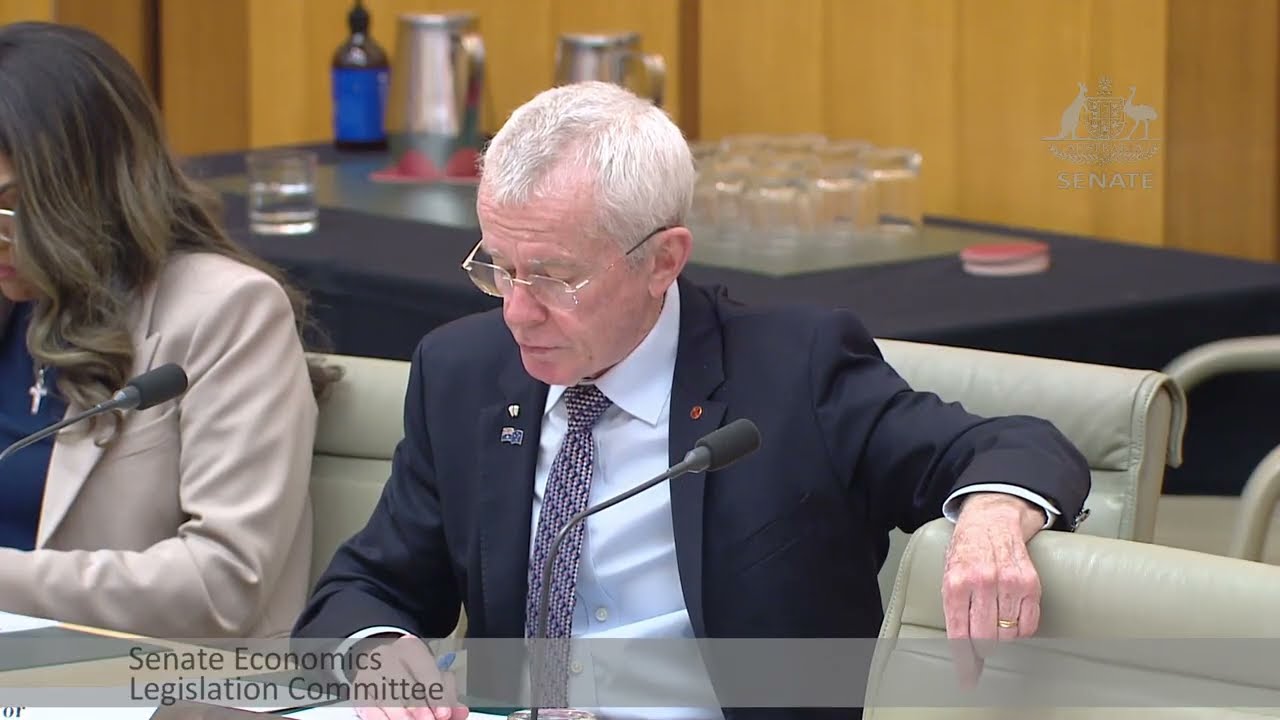
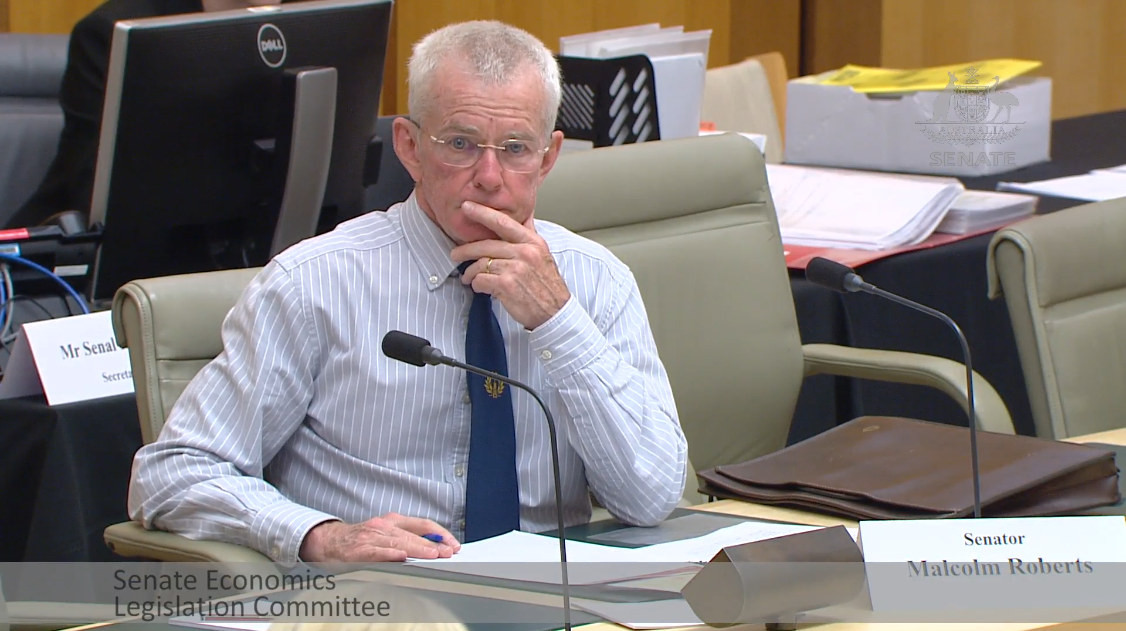
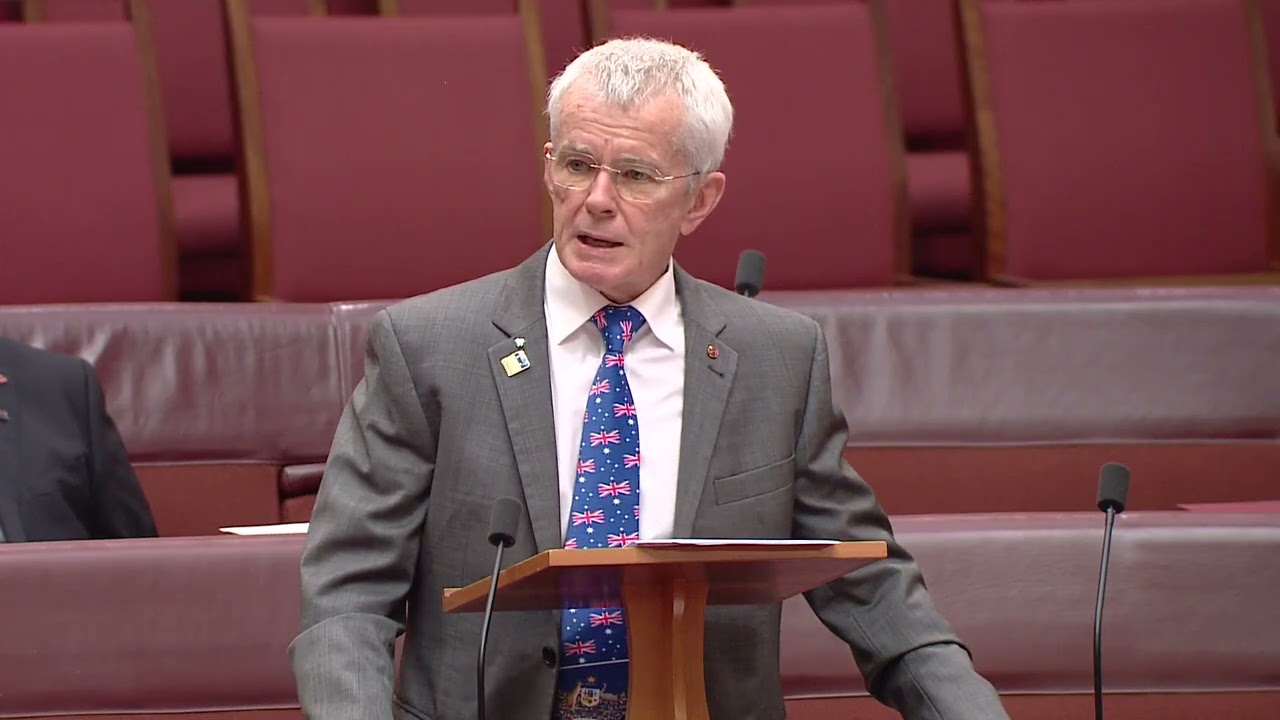
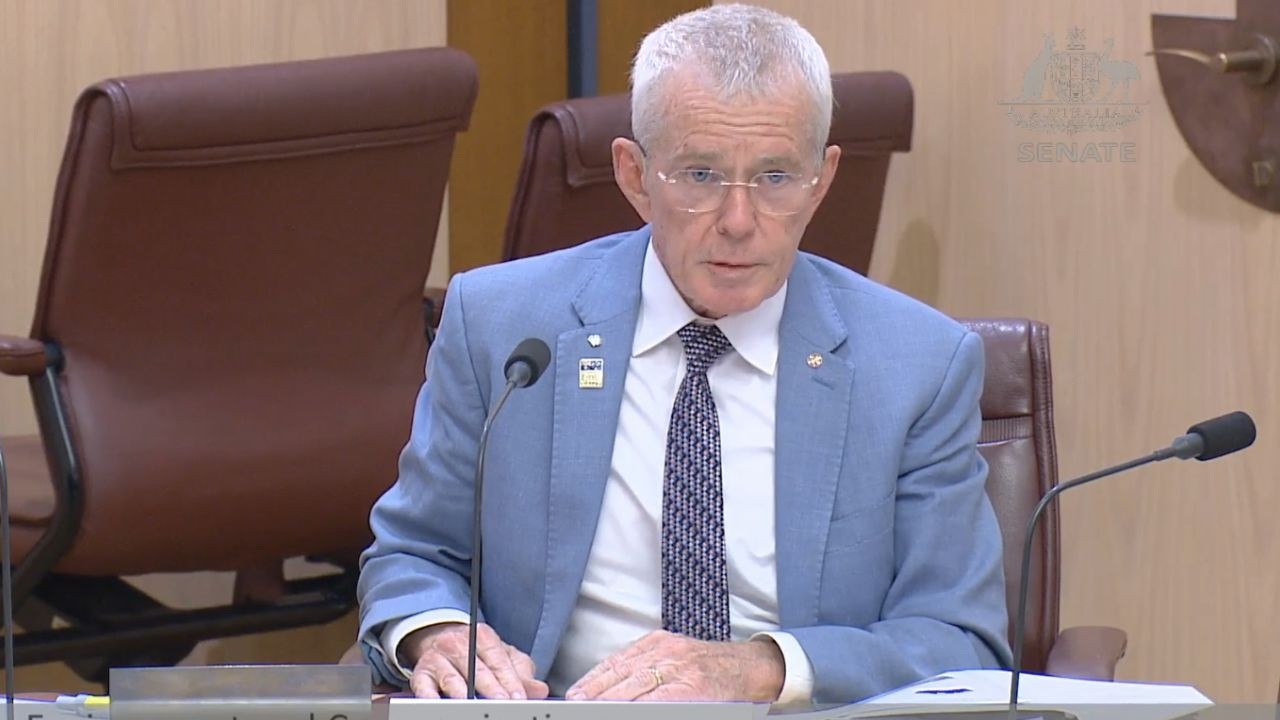
Senator ROBERTS: Are you aware of and familiar with the case of Mr Jae Jang?
Ms Owen: Yes, I am.
Senator ROBERTS: It was reported on A Current Affair on 14 July and again on 15 July 2025. The Jae Jang case has similar patterns to the Clarke case that I just discussed. The ATO caused criminal charges to be brought against Mr Jang. His case dates back as far as 2011. After protracted legal activity, the case against Mr Jang was dropped because ‘the prosecution had no evidence to offer’. Similarly, charges against employees of Mr Jang were dropped because there was no evidence to offer. Yet in this period Mr Jang spent time in jail and his sister suicided after her bank accounts were falsely frozen by the ATO. That means the ATO has blood on its hands. Are these two cases one-off aberrations by the ATO, or do they reflect a broader pattern of behaviour by the ATO?
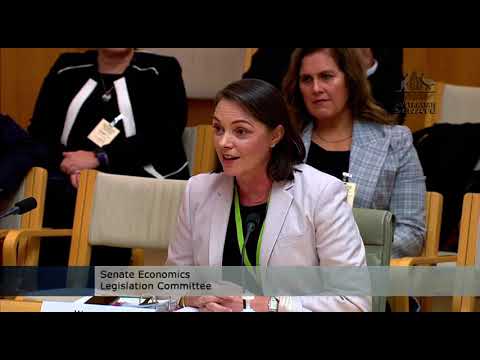
Ms Owen: What I can say in response to that question is that I think it’s on the public record that I have conducted a review of Mr Jang’s case. He did complain to me about the case that you’ve just described there, and I’ve recently concluded my review of that case. That was, obviously, reported recently in the media. I found some of his allegations to have been substantiated, but not all of them, from the evidence that I’ve reviewed. Mr Jang has my report and my full findings, as does the commissioner of tax. That review is of a particular taxpayer. As you say, it’s an egregious case, particularly in relation to suicide. Every loss of life to suicide is a tragedy, and I have paid my condolences to Mr Jang and his family. But my role is to ensure that this isn’t systemic, and I think your question, generally, is one that ties those two cases together and asks whether there is a systemic issue here in the ATO. Following my review of that individual tax case, I’m now conducting a systemic review that looks at whether those matters, which were historical—as you say, from several years ago—could or would happen now, under current protocols, whether there is a systemic issue within the ATO and what controls they have in place should there be individual instances of bias or prejudice within their decision-making. That report will be published next month.
Senator ROBERTS: Systems drive behaviour. Some systems are the most powerful drivers of behaviour. In the United States, so I’m advised—I might not be perfectly correct on this—the arm that identifies a case of tax cheating or fraud or whatever hands it over to another, separate group to prosecute. This is not so in the ATO; it’s the same group, which would mean, I think, an incentive to not drop a case, even if it was found to be not correct.
Ms Owen: Again, that’s probably more a question for the ATO. But my observation would be that the ATO does put a separation of duties into some of those duties—for example, the difference between an investigation, as in audit, and a criminal investigation. The teams that select the cases for audit are separate from the teams that conduct the audit. So some of that pattern that you’ve described from the USA—I have to say I don’t have that knowledge of the USA system—is in effect in the ATO. And part of my questioning is: is it effective?
Senator ROBERTS: Yes, and I’m in touch with someone in Australia who’s helped a lot of small businesses where they haven’t had that separation of powers—and their victims wrongly so. Do you see any parallels between these two cases and the behaviour of the ATO in the robodebt scandal? Specifically, the false income assessments by Social Services were based on incomplete and arguably misleading income data provided to it by the ATO, and the ATO knew or should have known their data was unreliable for the robodebt exercise. Are there any parallels?
Ms Owen: I don’t see a parallel between the investigation that I have made in the case of Mr Jang and the systemic review I’m undertaking on how the ATO controls for bias in its decision-making. From what you’ve described in terms of robodebt, I think they are separate.
Senator ROBERTS: They provided sloppy information on robodebt. You’ve already acknowledged that both these cases have incurred or resulted in major financial, emotional and business harm to the people that the ATO had in it’s sights.
Ms Owen: Yes.
Senator ROBERTS: You’ve acknowledged implicitly—correct me if I’m wrong; I’m not trying to put words in your mouth—that Mr Jang’s sister’s suicide is arguably linked to the chasing of his business and employees by the ATO.
Ms Owen: I should put on the record that my findings—as I said, in looking into somebody who has committed suicide, there is a very tragic event in a set of very complex circumstances. In the investigation that I undertook, I found no causal link between the actions of the ATO and the tragic loss of life of Ms Jang.
Senator ROBERTS: What did you say that you found?
Ms Owen: I found no causal relationship between the actions of the ATO and the tragic loss of life of Ms Jang. What I did comment on was how the ATO had treated Ms Jang and, in particular, the very sad consequences of how they failed to acknowledge notification of her death for five years.
Senator ROBERTS: In the case of Clarke and Jang, would the commissioner give undertakings to compensate Clarke and Jang for the harm done to them?
Ms Owen: That’s a matter for the commissioner, I think.
Senator ROBERTS: Do you have any role in undertaking, for example, a compensation process?
Ms Owen: That’s outside my remit.
Senator ROBERTS: That’s the commissioner?
Ms Owen: Yes.
Senator ROBERTS: Now that I have a better understanding of your role, some of these questions don’t apply. In the Jang case, the ATO is apparently cooperating with the tax ombudsman on an investigation into the matter. Will or should the investigation be confined to the specifics of Jang and not draw broader conclusions? What are your broader conclusions?
Ms Owen: Just to be clear: the review that I’ve undertaken is in two parts. The first part is specifically in relation to the taxpayer Mr Jang and his personal circumstances. Because of privacy reasons, that is a report that is now concluded. It’s gone to Mr Jang as the original complainant and it’s gone to the commissioner. That will not be published. I put a short statement on my website to explain what I’ve done in that position on that particular case. Phase 2 of the review is to look at the systemic issues, which, again, I think is where you’re coming from. Is there a pattern of facts here? Is there a theme emerging of things that we should be concerned about in the conduct of the ATO? That review is where I’m looking at whether there are instances of bias or prejudicial decision-making within the ATO and the controls the ATO has in place to prevent that happening, given that it’s a known risk in all tax authorities. That report is the report that we’ll probably publish in July, next month.
Senator ROBERTS: I assume you’re familiar with the Falinski inquiry?
Ms Owen: Yes.
Senator ROBERTS: That was conducted by the House parliamentary and tax committee and made recommendations for changes to the tax act. I understand that one recommendation was to shift the burden of proof on tax debt allegations from the taxpayer to the ATO. Do you consider that the Jang and Clarke cases add weight to the Falinski report recommendations?
Ms Owen: I think that’s a policy matter and probably outside of my remit.
Senator ROBERTS: Thank you.




Once upon a time people were presumed innocent until PROVEN guilty. Anything to do with the ATO is the exact opposite. For years now I have heard of so many cases where people and businesses were forced to defend themselves from baseless charges by the ATO. The financial and personal costs were enormous. In some cases bankruptcy resulted. The ATO should not be a law unto themselves. They should NOT have the power to freeze anyone’s assets until the person has been found in a court to be guilty. They are no better than thugs.
Hi Senator Roberts, 👋🤠
Fantastic work !
Protecting small Aussie businesses and its ‘small people will win you our votes.
Avoid ‘the push’ to war by the Military Industrial Complex (MIC) at all costs.
Our alliances are confused and illiterate.
The American use of the English language is appalling to say the least.
🙄.
We are not a vassal state of the US but by debt alone.
And our children will suffer, as they are now.
When you have our votes…ten what will you do with them, as regards the Israeli influence in my country. 🤬
We helped create ‘them🇮🇱’ (WW1&WW2) and their interpretation of the word ‘Zionism’. 🫢
Crap all !
Best of luck…the small people are listening intently.
Cheers Senator R.
From Jeff ☠️ (Bones) Scenic Rim