

The Labor government has failed everyday Australians through its handling of labour market economics and reckless immigration policies.
At the start of the Albanese government in 2022, according to the ABS, there were 1.35 million underutilised Australians in the workforce and by July 2026, that number surged to 1.68 million. Aside from the COVID period, underutilisation had been consistently falling since 2014, until Labor took over. With 1.68 million Australians unable to find enough hours or work, I asked Minister Gallagher why Australians can’t find enough adequate employment.
In response, Minister Gallagher dodged the core issue by rattling off broad statistics while ignoring the growing number of underemployed Australians.
According to ABS data, workforce participation has barely budged, with unemployment jumping from 3.4% to 4.5%. Treasurer Jim Chalmers’ promise of “a paid job for everyone who wants one” has fallen flat. I wanted to know whether the government has failed miserably and has broken yet another promise, or whether they have simply changed their position. Once again, the Minister avoided accountability.
In my final question, I brought up the elephant in the room: mass immigration. ABS border movement data shows that in 2025–26, Australia recorded a record 476,000 permanent and long-term overseas arrivals.
I asked the Minister how on earth the government can justify maintaining such high levels of mass immigration when hardworking Australians are struggling to find enough work. Predictably, the Minister again dodged the question, leaning on their “standard” talking points about visa arrangements, completely ignoring the damage their migration policies are doing to workers.
Transcript
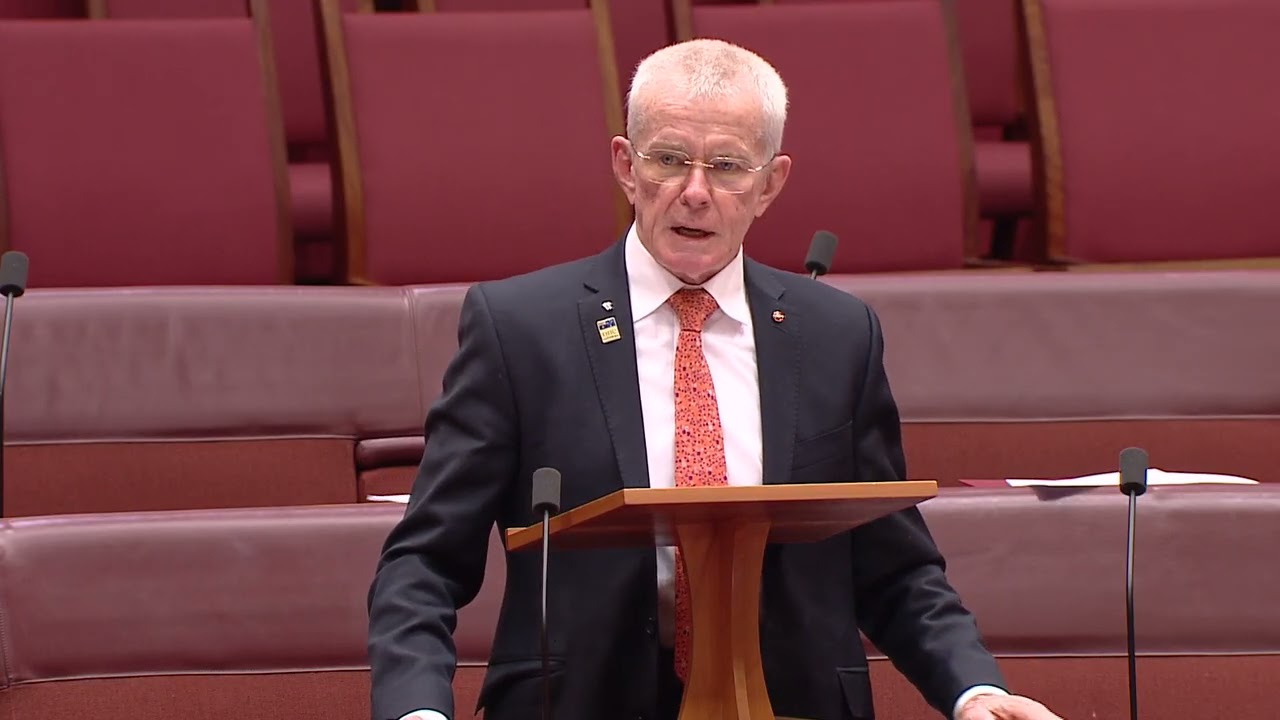
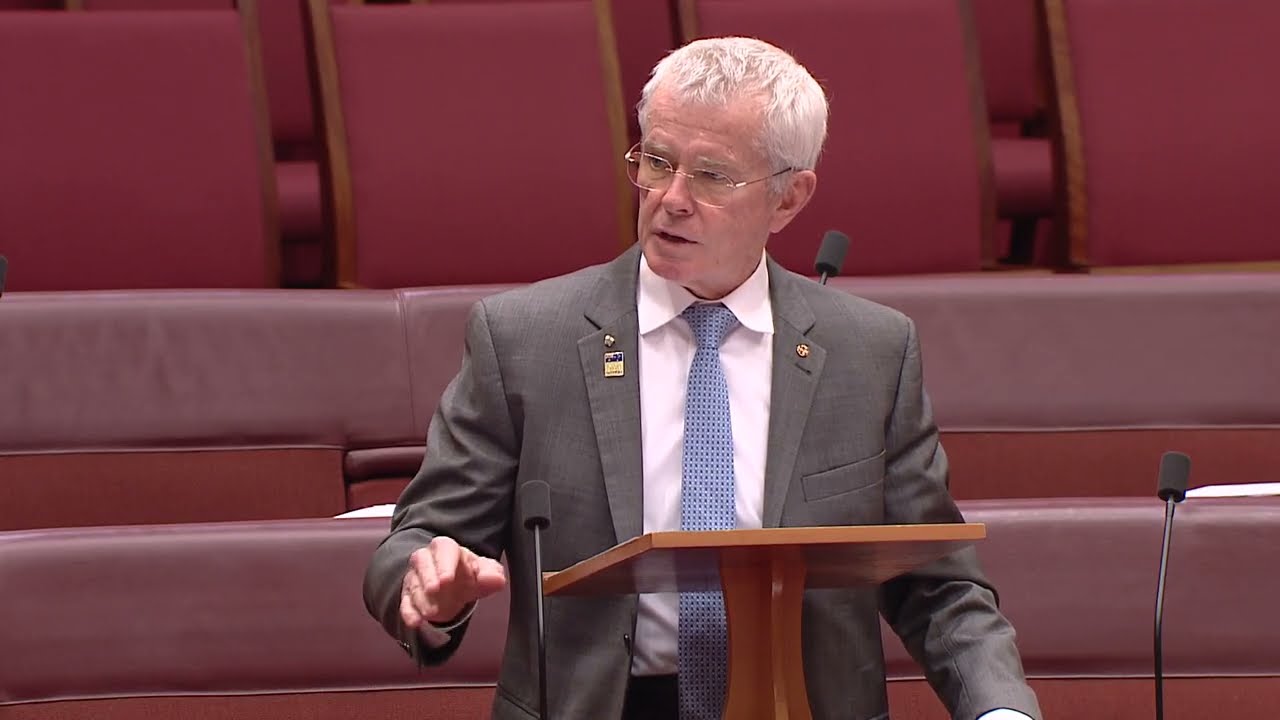
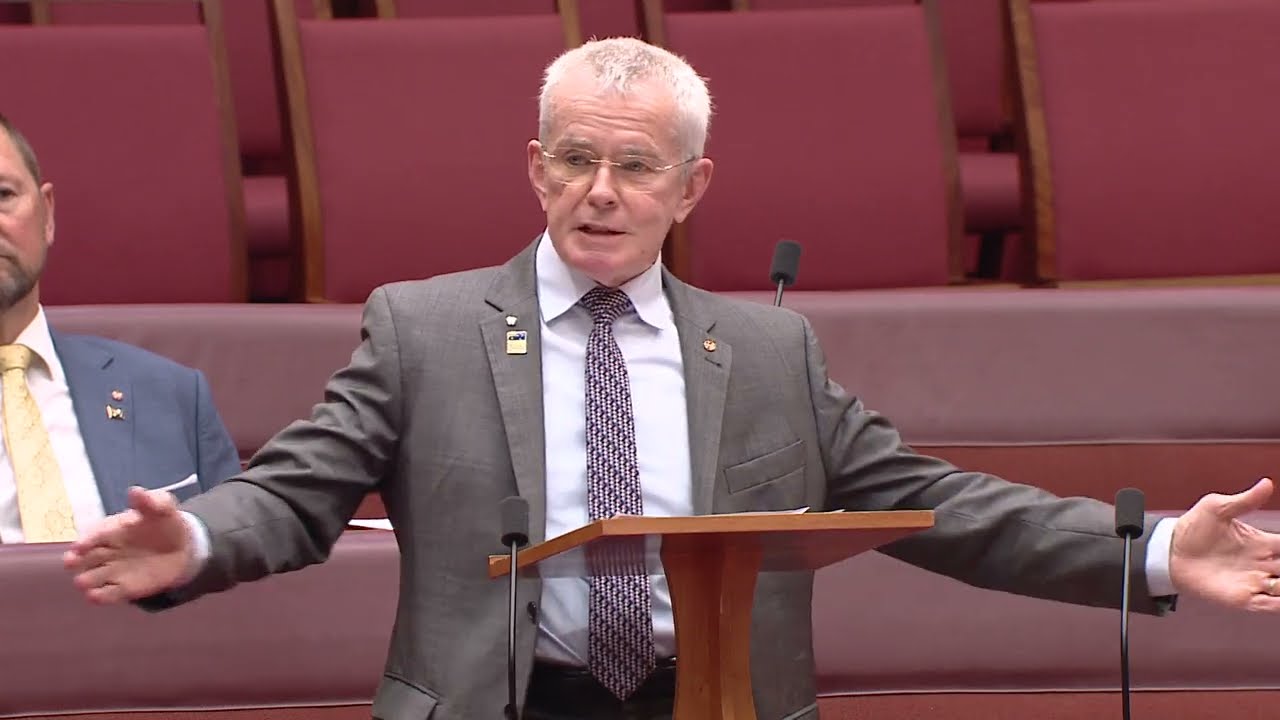
Senator ROBERTS: My question is, once again, to the Minister representing the Treasurer, Senator Gallagher, on the subject of labour market economics. In June 2022, at the start of the Albanese government, there were 1.35 million Australians underutilised in the workforce according to the ABS. In July 2026, this had increased to 1.68 million. Taking out the COVID period, underutilisation has been falling since the measure began in 2014, until Labor took over. Now, it’s going up. The only interpretation of this data is that there are not enough hours and not enough work to go around. As a result, 1.68 million Australians are working less than they want and need to. Why can’t people find enough work under this Labor government?
Senator GALLAGHER (Minister for Finance, Minister for the Public Service, Minister for Women, Minister for Government Services and Manager of Government Business in the Senate): I thank Senator Roberts for the question. I think that’s the second week in a row you’ve had Senator Babet’s question. I wonder where—you lucky guy! I wonder where the ghost of the Senate is. We never see him anymore, do we? I noticed he did launch a clothing range a few days ago though, so he had time to do that.
Senator Roberts interjecting—
The PRESIDENT: I will draw the minister to your question, Senator Roberts.
Senator GALLAGHER: As Senator Roberts will know, unemployment is at historically at low levels, sitting at 4½ per cent. In recent times, over the data sets, participation rates have been historically high, including for women. We’ve got the gender pay gap at record lows. We’ve got employment at 14.8 million, so we’ve created 1.3 million jobs since coming to government. Women are employed full time at much higher rates—4.1 million. We’ve got industrial disputes down. We’ve got annual wage growth over three per cent. So I think, on any measure, when you look at how the labour market is performing, Senator Roberts, it is being pretty resilient against the backdrop of global uncertainty and all of the risks that come with that. The Australian economy has actually fared very well in terms of job numbers, in terms of the participation rate, in terms of wages and in terms of the number of jobs that have been created under this government.
The PRESIDENT: Senator Roberts, first supplementary?
Senator ROBERTS: Workforce participation under your government only increased 0.1 per cent—a rounding error—and male participation has fallen. Unemployment is up from 3.4 per cent to 4.5 per cent. In August 2023, Treasury Chalmers promised ‘a paid job for everyone who wants one’. Minister, has your government failed miserably to keep that promise, or have you ‘changed your position’ on creating jobs for all who are here?
Senator GALLAGHER: Over 1.3 million jobs have been created, Senator Roberts—three out of five are full time and five out of six are in the private sector. We’ve got the lowest average unemployment rate of any government in the last 50 years, a record number of Australians in full-time jobs and a participation rate at near-record highs. The advice I have is that the participation rate has gone from 66.3 per cent in May 2022 to 66.9 per cent, which is near a record high. As a Labor government, we will always do more to make sure that people have all of the opportunities they can from the dignity that work provides and—not only that—good, secure jobs that pay well. That is what Labor governments are all about, and that is what we will continue to deliver.
The PRESIDENT: Senator Roberts, second supplementary?
Senator ROBERTS: ABS border movement data reveals that, in 2025-26, Australia recorded 476,000 permanent and long-term overseas arrivals, the highest on record. Australian workers can’t find enough work, yet this Labor government continues to bring in record numbers of arrivals. Minister, why would you keep mass immigration at such high levels when it’s taking work off Australians?
Senator GALLAGHER: As I said in answer to your colleague’s question, Australia has always relied on being able to supplement our own Australian workers with workers who migrate here under different visas and under various arrangements with those visas. I would say, Senator Roberts—I don’t know whether Mr Farley from the other place has commented on your migration policy today. But we know from everyone who’s had a look at what you’ve announced today, whether it be those key stakeholder groups like the Farmers’ Federation, all of those regional employers or all of the people who rely on workers who come to Australia to work and take up those opportunities alongside Australian workers and the jobs that we’ve created here—the good, secure jobs that deliver the dignity of work to those families. But we know from all of the feedback that we’re seeing about your policy that it’s not going to work and it would damage— (Time expired)






Leave a Reply
Want to join the discussion?Feel free to contribute!
Using your first name