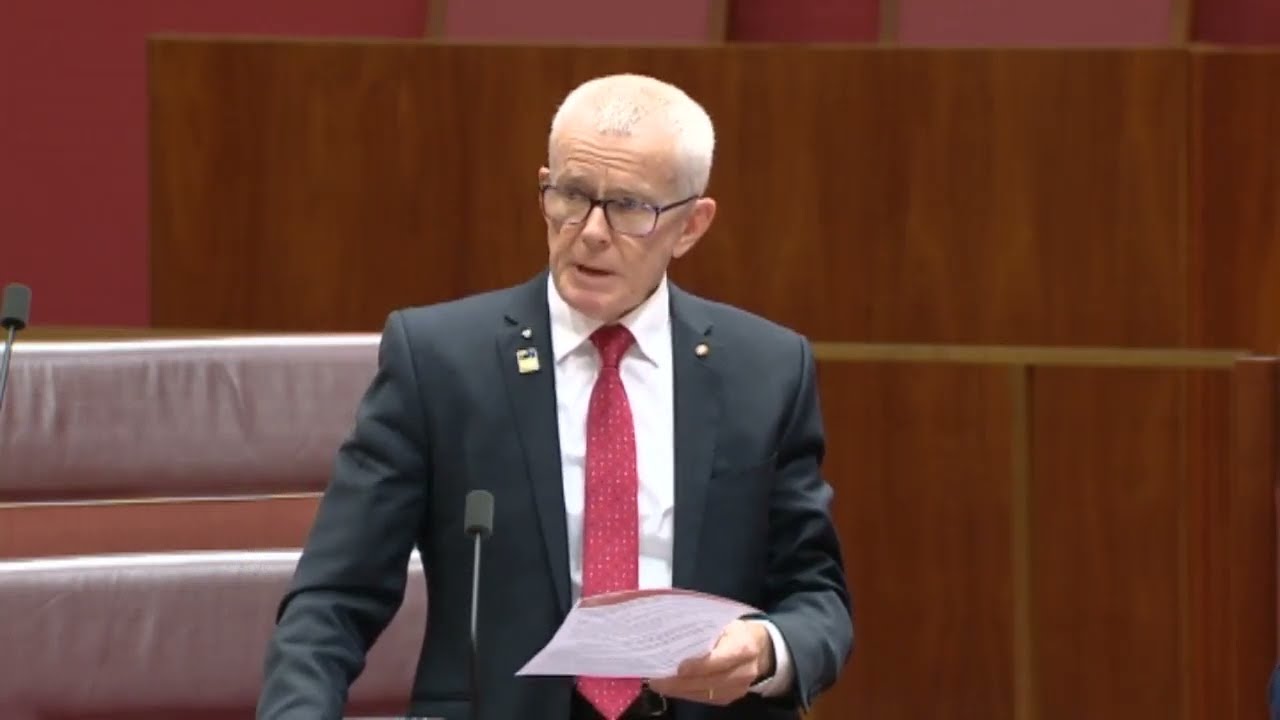
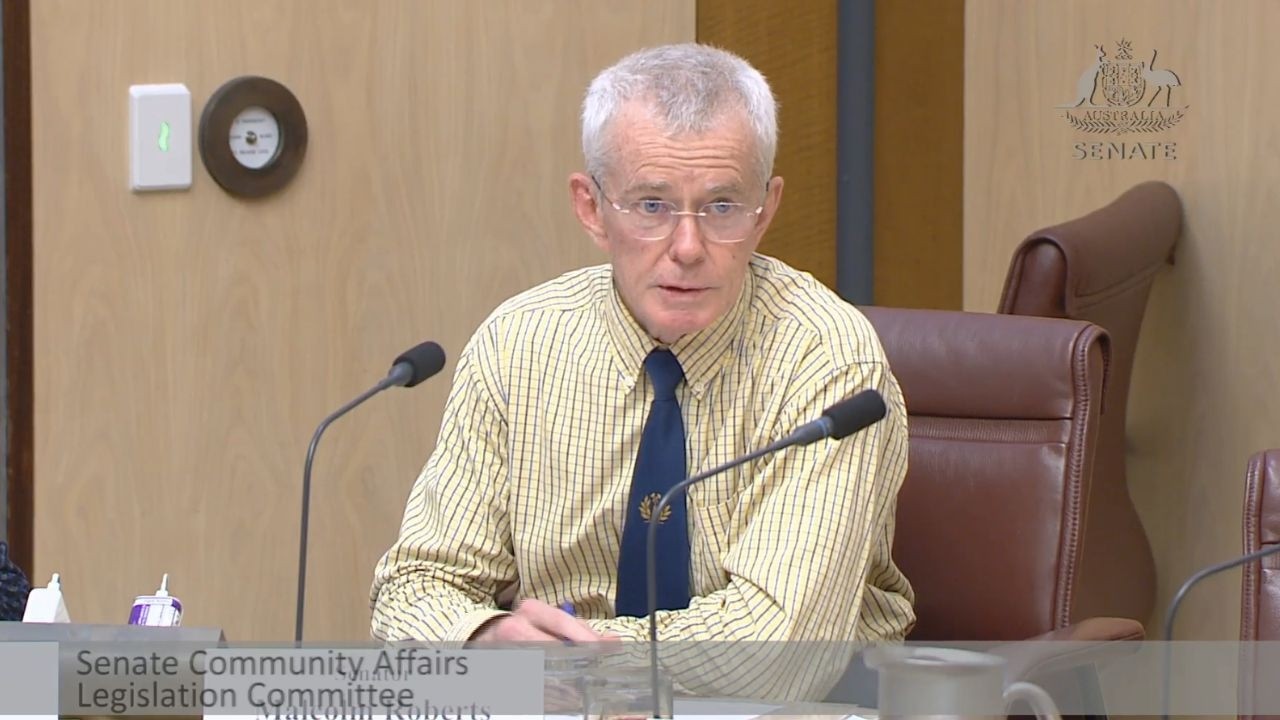
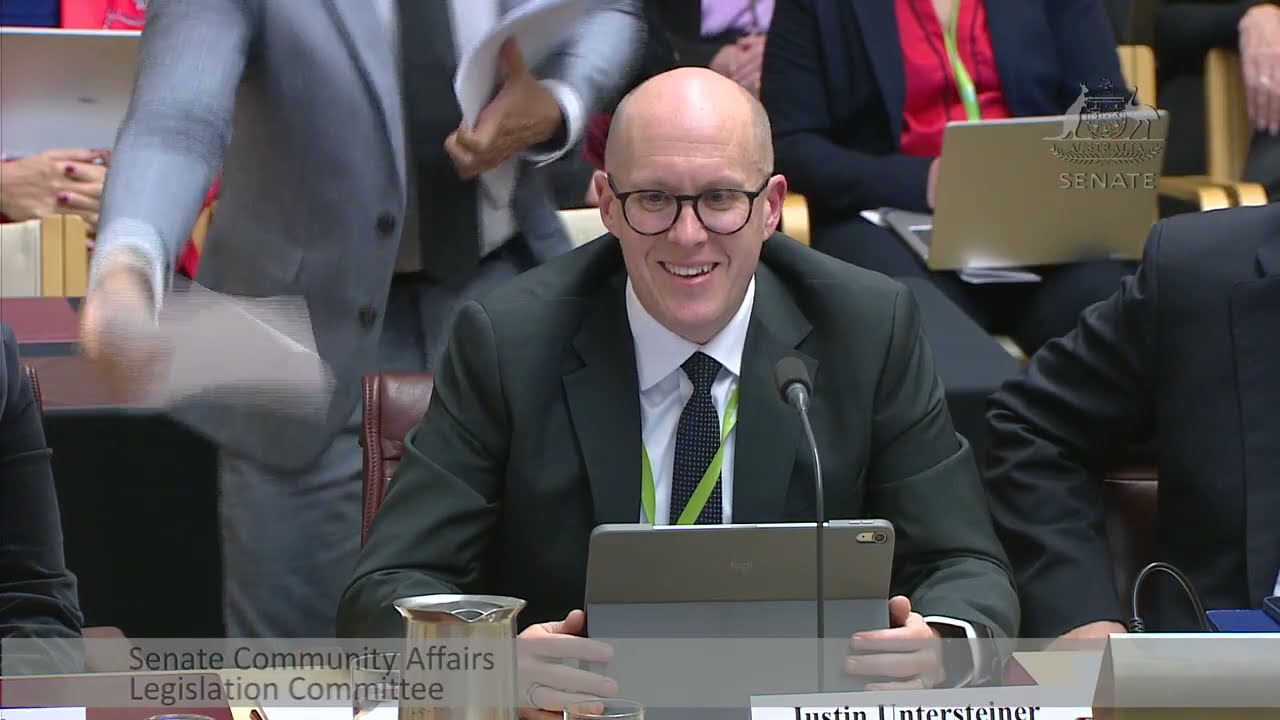
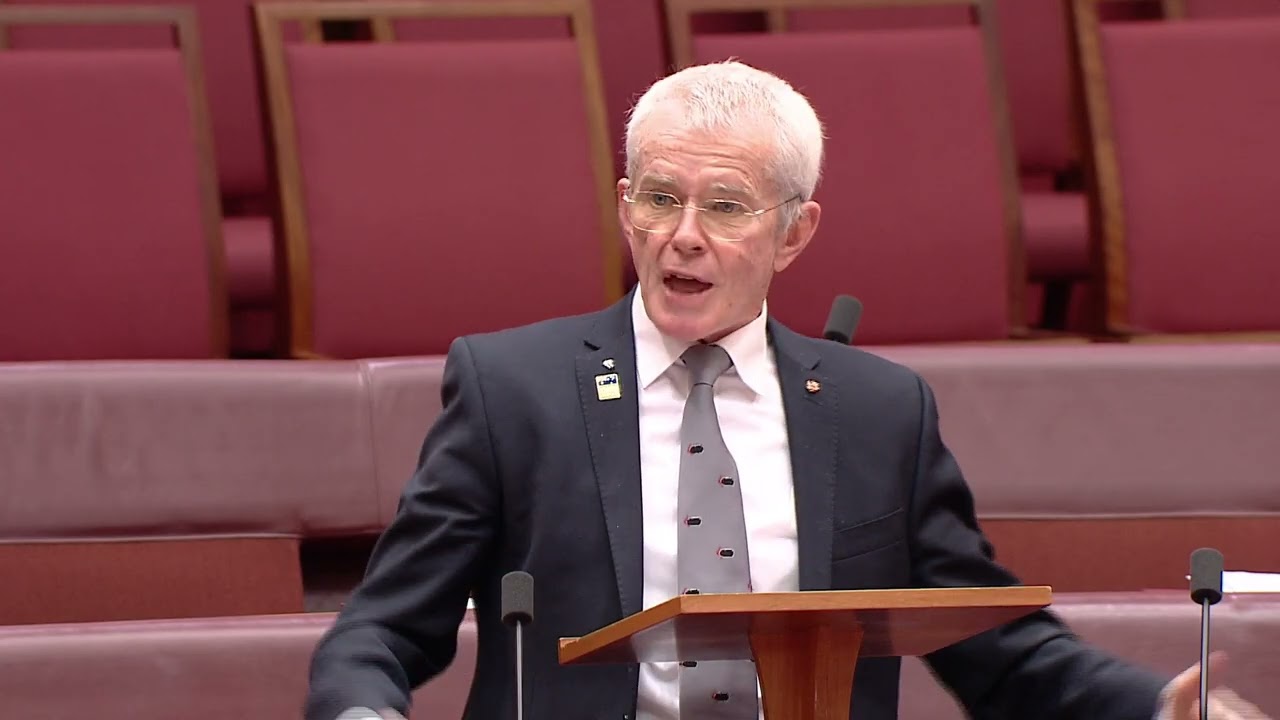
During my second session with AHPRA, I asked their representatives about their neutrality, bureaucratic overreach and entanglement with radical ideological and political advocacy groups.
When I pressed Mr Untersteiner on whether AHPRA caseworkers even possess the basic competence to distinguish between a psychoanalytic view of psychosis and a genuine psychotic disorder, or whether they’re weaponising ignorance to take unwarranted action against doctors, he could not provide an answer and took it on notice.
More importantly, I am extremely concerned about AHPRA’s institutional alignment with politicised organisations such as ACON and its Pride in Diversity program, including their active membership and participation in the Australian Workplace Equality Index.
Despite admitting that no formal assessment has ever been conducted to evaluate whether these ideological partnerships create actual or perceived conflicts of interest, Mr Untersteiner hid behind procedural bureaucracy and evasive talking points.
When asked how AHPRA can possibly claim to be an independent, unbiased regulator while paying to participate in programs designed to push progressive inclusion agendas, they dodged my questions, basically admitting they have no defence for the exorbitant legal costs hardworking Australian doctors face when forced to defend themselves against unaccountable regulators.
Transcript
Senator ROBERTS: I’m going to skip a lot of my questions, Mr Untersteiner, and go straight to general questions. Would an AHPRA caseworker understand if a doctor were referring to a psychoanalytic view of psychosis rather than a psychotic disorder?
Mr Untersteiner: I’m happy to take that on question on notice.
Senator ROBERTS: If they don’t understand, are they in a position to take action against such a doctor?
Mr Untersteiner: Again, I’m happy to take that on notice.
Senator ROBERTS: Given Ahpra’s affiliation with the Rainbow Tick scheme and ACON, a high-profile gender identity organisation, how can a doctor be sure that AHPRA is neutral and not biased against them?
Mr Untersteiner: I go back to an earlier point that I made, which is that we regulate one million health practitioners, and those one million health practitioners will see many millions of Australians as well. We have a paramount responsibility of public protection within the legislation. In order for us to fulfil that duty, we need to be engaging with all sorts of communities to understand their experiences in the health system and to understand their experiences with the regulator as well, and so we meet with many different organisations, including Australian Disability Network, for instance, Diversity Council Australia and many, many others. I could go on. We also work with Pride in Diversity for the exact same reason.
Senator ROBERTS: Can AHPRA confirm all formal and informal relationships it maintains with ACON and its programs, including Pride in Diversity.
Mr Untersteiner: I’ll take it on notice.
Senator ROBERTS: Is AHPRA currently a member of Pride in Diversity or participating in the Australian Workplace Equality Index?
Mr Untersteiner: We do have a membership with Pride in Diversity.
Senator ROBERTS: At what cost, and when did you join?
Mr Untersteiner: I’m happy to take that on notice.
Senator ROBERTS: What due diligence was undertaken before entering into these relationships, particularly given ACON’s explicit advocacy role on gender identity policy?
Mr Untersteiner: Again, I’m happy to take that on notice.
Senator ROBERTS: Has AHPRA conducted any formal assessment of whether these relationships create actual or perceived conflicts of interest in its regulatory functions?
Mr Untersteiner: I’m confident that they aren’t creating any kind of conflict. Again, as I mentioned, we use a range of different partnerships and memberships to ensure that we’re hearing different voices from the community. At the end of the day, our regulatory role is founded in the legislation and in the codes of conduct. Again, I’m very comfortable that we fulfil that duty without a conflict of interest.
Senator ROBERTS: Have you conducted any formal assessment of whether these relationships create actual or perceived conflicts?
Mr Untersteiner: No formal assessment.
Senator ROBERTS: How does AHPRA reconcile its statutory obligation to act as an independent regulator with participation in programs designed to influence institutional behaviour toward progressive inclusion strategies?
Mr Untersteiner: Again, I think I’ve answered that.
Senator ROBERTS: Not specifically.
Mr Untersteiner: Again, we apply legislation and codes of conduct in our investigations. To go further, ultimate decisions are made by professional boards under the legislation. Members of the professional boards are not employees of AHPRA. They are statutory appointees appointed by every state and territory health minister and the federal health minister, so they are independent of AHPRA in that sense. Again, there is an arm’s-length arrangement in decision-making. Beyond that, there is a right of appeal through to tribunals and even the higher courts. Again, there is a very robust regulatory and legislative framework that ensures that there isn’t a conflict of interest that occurs as a result of us listening to different members of the community to understand their experiences.
Senator ROBERTS: Do you know what it costs to go to court?
ACTING CHAIR: Senator Roberts, we’re going to have to rotate the call. This is your last question.
Senator ROBERTS: Has AHPRA received advice, internal or external, on whether alignment with advocacy organisations risks regulatory capture or bias?
Mr Untersteiner: I’ll take that on notice.
Senator ROBERTS: Thank you, Chair. Thank you Mr Untersteiner.