

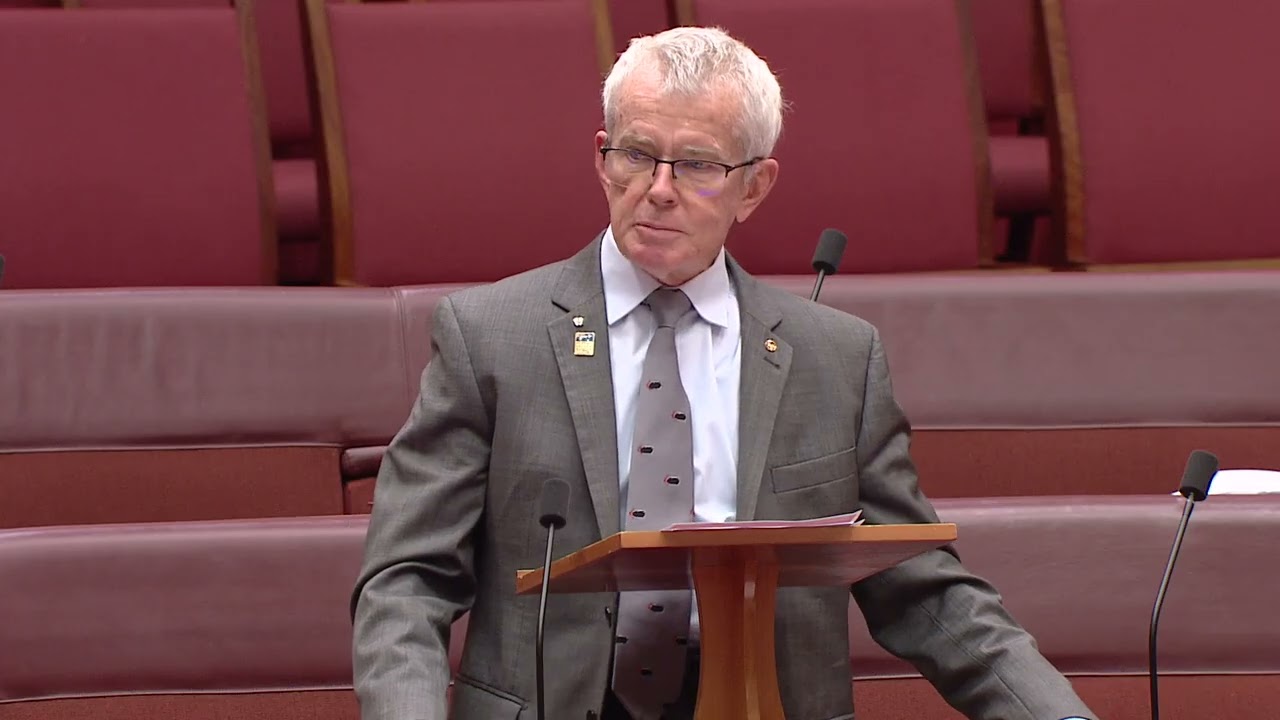
Minister for Finance, Senator Gallagher – why does your government refuse to support indexation of tax brackets. High inflation under Labor has completely negated past adjustments, leaving Australians no better off than they were in 2022 and paying 17.7% of the average wage in tax. Any upcoming pay rises will only trigger bracket creep and make workers worse off.
Minister Gallagher avoided the issue of bracket creep indexation and instead accused One Nation and I of voting against various government cost-of-living measures, housing investments and tax cuts. The Minister claimed the government is addressing bracket creep over time through various tax cuts and offsets, while pointing to investments in Medicare and cheaper medicines.
Since 2022, real wages have gone backwards by 2.2%. With underlying inflation running at 3.6% (now 3.5%), any national wage increases fail to make up for ground lost under Labor, leaving workers perpetually playing catch-up. I asked if she would accept that the only true way to restore workers’ incomes is to cut taxes.
Labor is now raking in more tax revenue than when they came to power, rising from 29.7% to 30.2% of GDP, fuelled heavily by corporate profits. Tax bracket creep is tightening its grip and increasing the fuel excise is hurting families.
Why is Labor turning their back on workers?
Once again, Minister Gallagher dodged the issue about total tax take and corporate profits, joking about the political relevance of the Liberals instead.
And then claimed the government works tirelessly 24/7 to ease household pressures, which is delusional given all the data showing workers are going backwards under this government.
Transcript
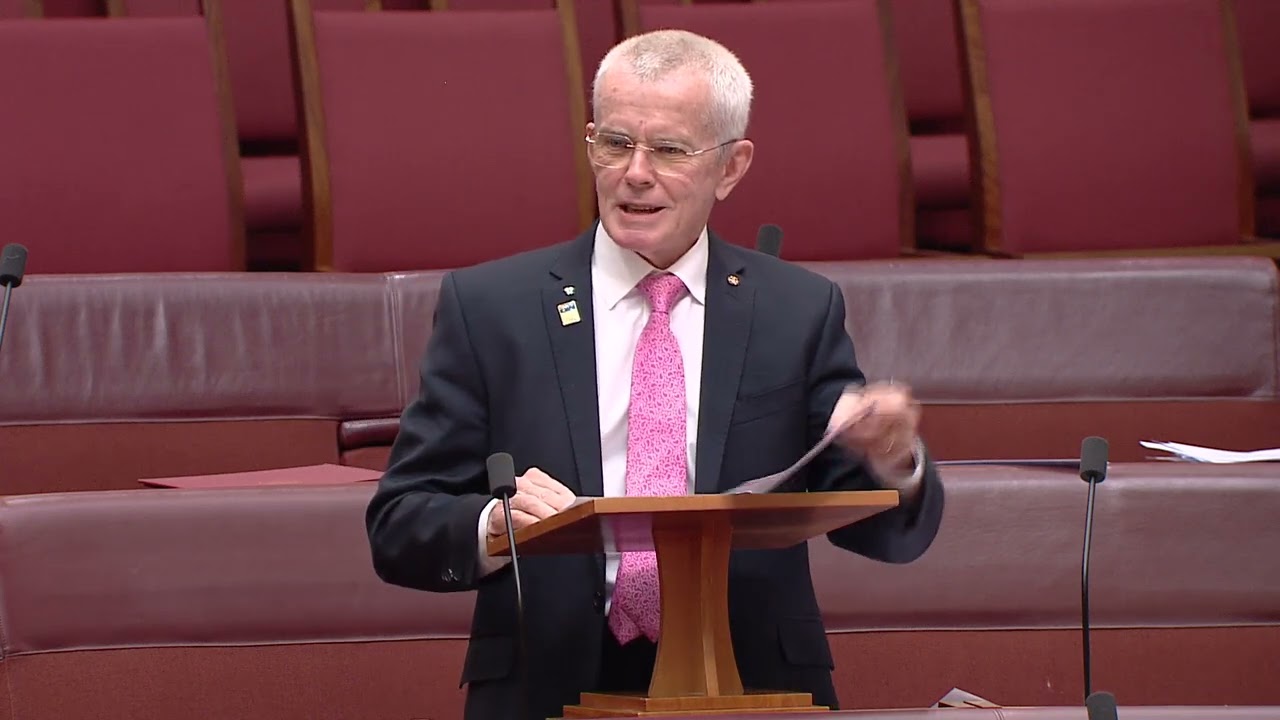
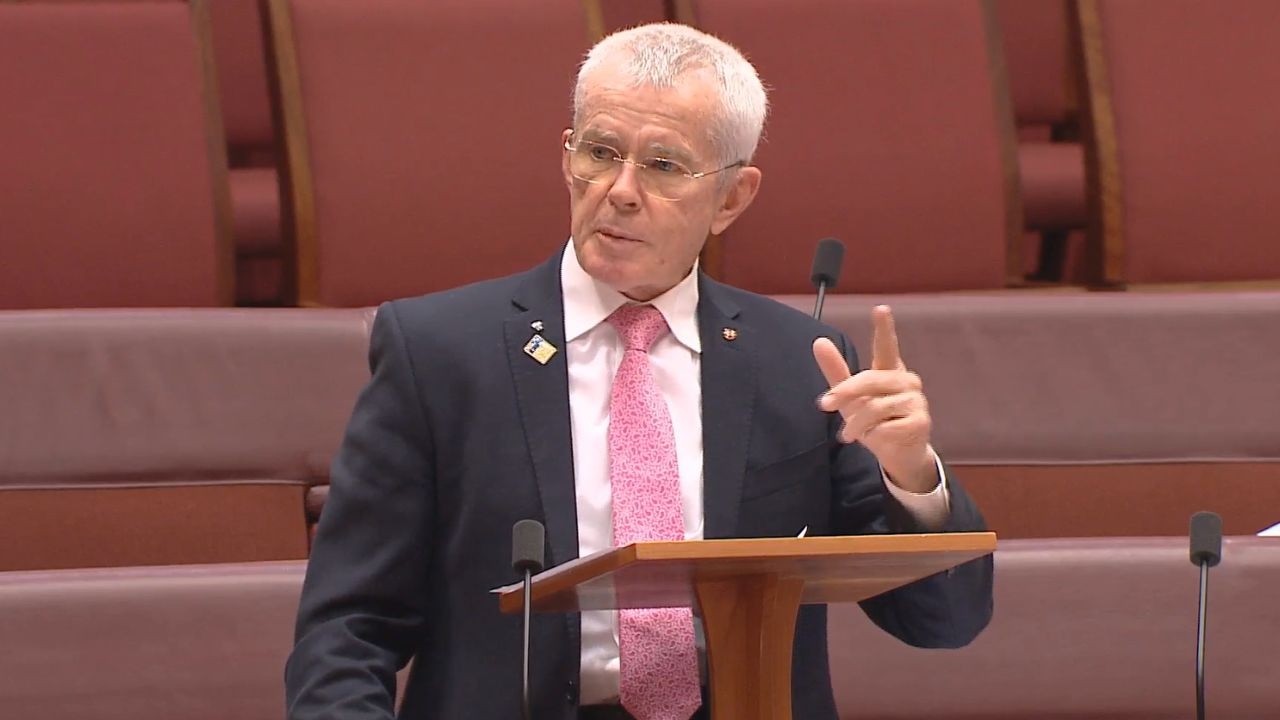
Senator ROBERTS: My question is to the Minister for Finance, Senator Gallagher. Last week, I moved an amendment that would have introduced indexation of tax brackets to protect against bracket creep, which is where inflation-driven pay rises push workers into the higher tax bracket and they wind up paying more tax on their pay packet. While this government adjusted tax brackets several years ago, the high inflation under your government has since negated the benefit. Australians are now no better off than they were in 2022, paying 17.7 per cent of the average wage in tax. The pay rises coming through next week will be the start of bracket creep, making people worse off than in 2022. Minister, why won’t this government support indexation of tax brackets? Are you happy to see workers paying more tax than when you came to power?
The PRESIDENT: Before I call the minister, I remind the chamber that Senator Roberts has the right to ask his questions in silence.
Senator GALLAGHER (Minister for Finance, Minister for the Public Service, Minister for Women, Minister for Government Services and Manager of Government Business in the Senate): I thank Senator Roberts for the question. Senator Roberts, you and your party last week voted against tax cuts for working people. I would be more generous if your voting record didn’t show you consistently voted against working people. You voted against penalty rates reform. You voted against energy bill relief. You voted against housing investment, against programs like Help to Buy that are actually helping low-income Australians into housing. The reality of the way the right-wing parties vote and then the concerns they raise—the disconnect between the concerns they raise in question time and the way they vote is astounding. You voted against tax cuts just last week. From memory, you voted against the stage 3 tax cuts as well, where we ensured—
The PRESIDENT: Minister, please resume your seat.
Senator Bragg interjecting—
The PRESIDENT: Senator Bragg, I’ve called order about four times. That does include you. Now either listen in silence or I’ll invite you to leave the chamber. Minister, please continue.
Senator GALLAGHER: Every time we have sought to provide tax relief in this chamber, One Nation and the conservative right-wing parties in Australia voted against it.
We are absolutely enthusiastic about cutting bracket creep. I have heard the Treasurer say this a number of times about returning bracket creep: we’ll do it when we can, in a responsible way and we can afford to do so. We’re cutting taxes five times in three different ways. We’ve got the tax cuts starting on Wednesday. We’ve got another tax cut starting 1 July the year after. We’ve got our instant tax deduction. We have the tax cuts that came on in 2024. We have the working Australians tax offset. These are all ways that we are making the tax system work better for working Australians. In addition to that, we’ve got all our investments in Medicare and cheaper medicines that we continue to roll out to help people with cost-of-living pressures.
The PRESIDENT: Senator Roberts, first supplementary?
Senator ROBERTS: Since 2022, real wages have gone backwards 2.2 per cent. With underlying inflation running at 3.6 per cent, and rising, next week’s national wage increase will not make up for what workers have lost since Labor came to power. Workers are forever playing catch-up, never getting ahead. Minister, will you accept the only way to properly restore workers incomes is to cut taxes and put more money back in people’s pockets?
Senator GALLAGHER: That’s exactly what the government are doing. We are cutting taxes to put more money in people’s pockets. We are supporting wage increases, and have done so consistently since coming to government. Real wage outcomes are growing and they have had a three in front of them, for the first time in a decade, since we came to government, because we on this side of the chamber understand how important wage increases every year are to make sure you can balance the household budget.
Now, inflation is higher than we would like—we can see that in the budget papers—and wages haven’t grown as fast as we would like. That’s why we have been so supportive of the annual wage claims and why we’ve consistently done everything we can, including in aged care and early education and care, to give those workers the pay rises that they deserve—something that had been ignored for the decade before we came to government.
The PRESIDENT: Senator Roberts, second supplementary?
Senator ROBERTS: This government is raking in more tax than when you came to power, from 29.7 per cent of GDP to 30.2 per cent, with tax on increased corporate profits in the lead. As tax bracket creep cuts in, from 1 July workers will be getting taxed more. Today you’re increasing the fuel excise, which will hurt everyday Australians, particularly families. Minister, why did Labor turn your backs on workers to become the party of big business, and was this a cunning plan to make the Liberals look irrelevant?
Senator GALLAGHER: They don’t need any help in looking irrelevant right now, Senator Roberts. Even if we were wanting to help them, they’re doing a pretty good job on their own. In relation to fuel excise, we did have a temporary relaxing of or halving of the fuel excise to help when the conflict in the Middle East had such a significant impact on petrol prices. That has come down quite a bit, but we think it is sensible to continue it at a lower level for a shorter period of time to help households adjust. At the same time, we continue to roll out all our cost-of-living help, whether it be tax cuts, whether it be our tripling of the bulk-billing rate or our lowering of the price of medicines. All of these areas are targeted to make sure that people can deal with some of those household pressures that we know they have to manage. What they know is that this government works 24 hours a day, seven days a week to work through all of the ways that we can help households with those cost-of-living pressures, and we will continue to do so.






Leave a Reply
Want to join the discussion?Feel free to contribute!
Using your first name