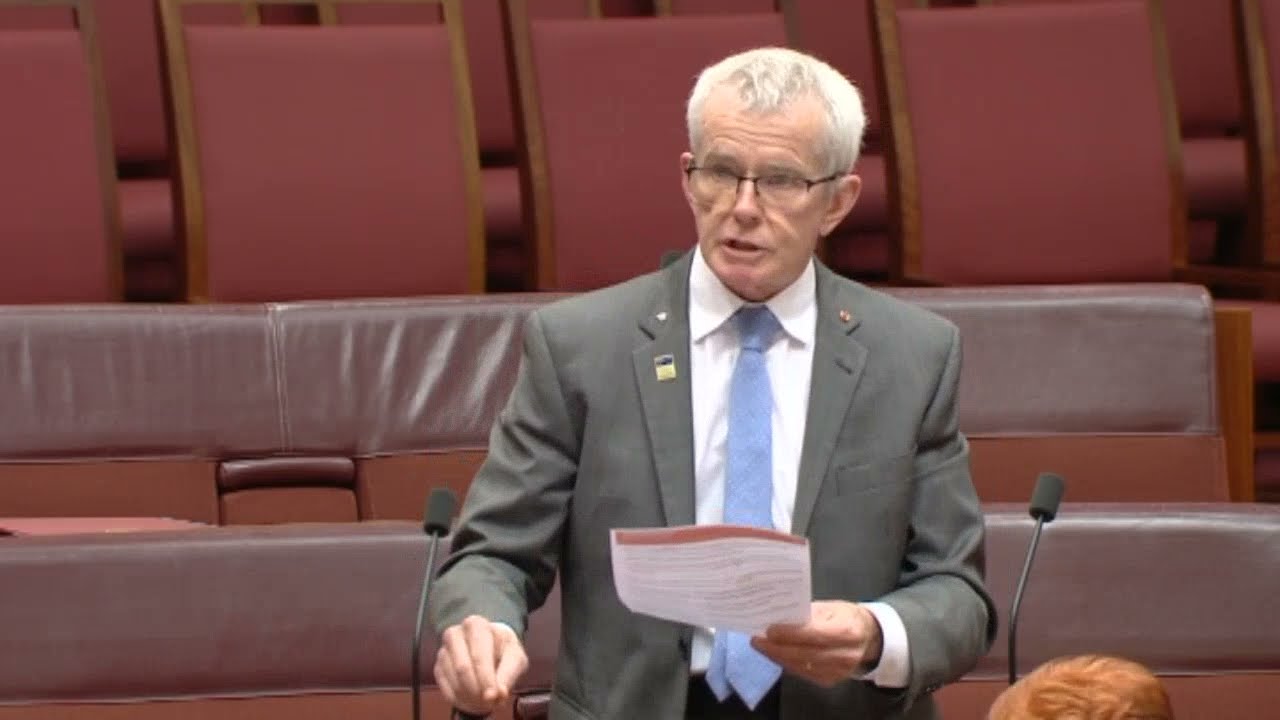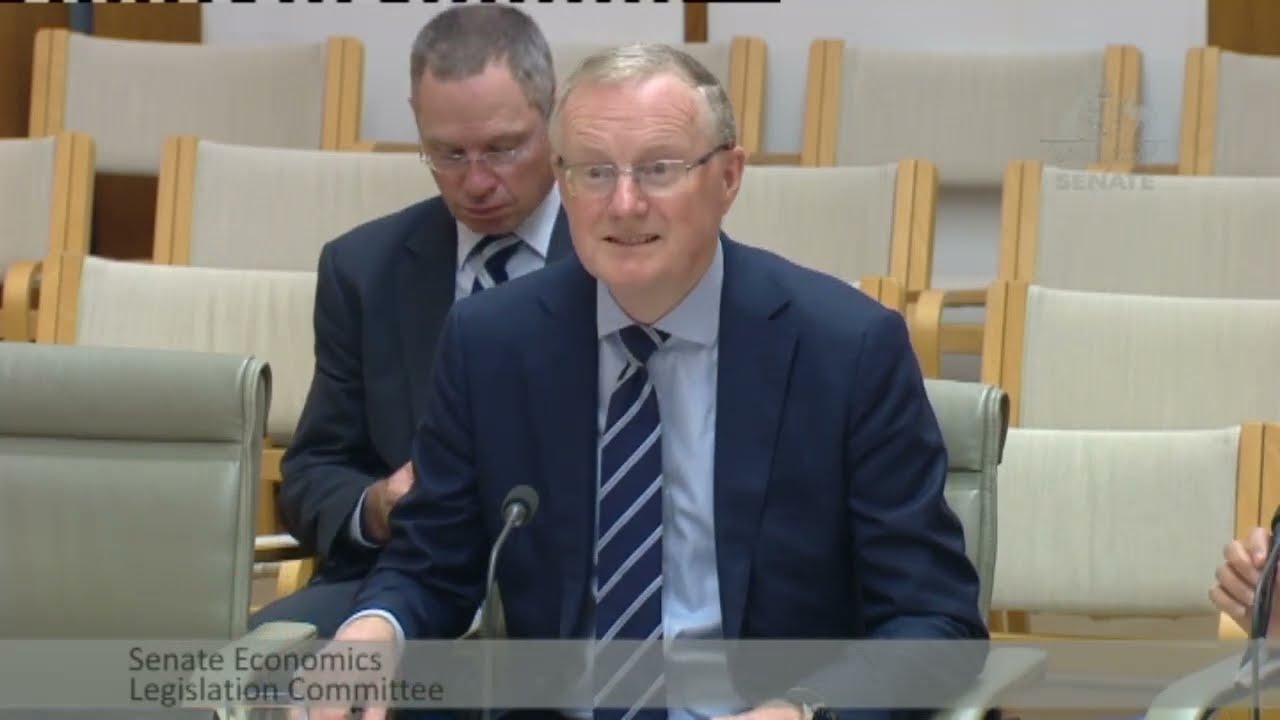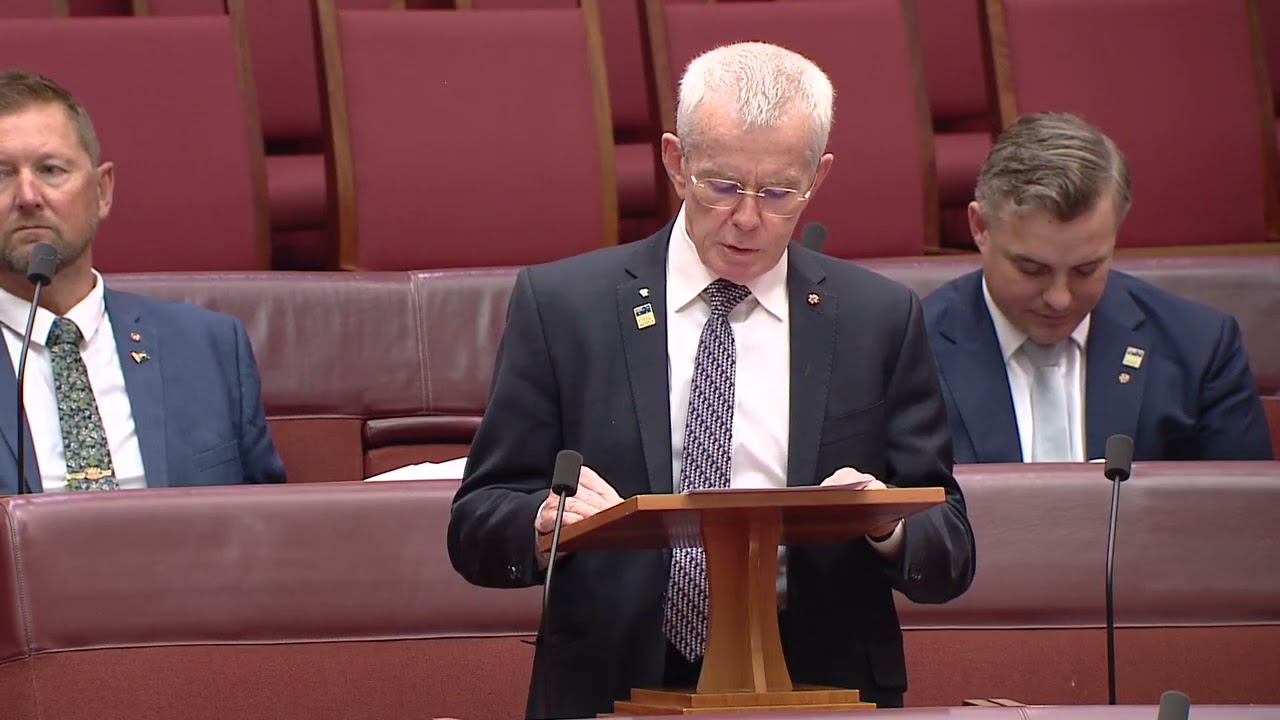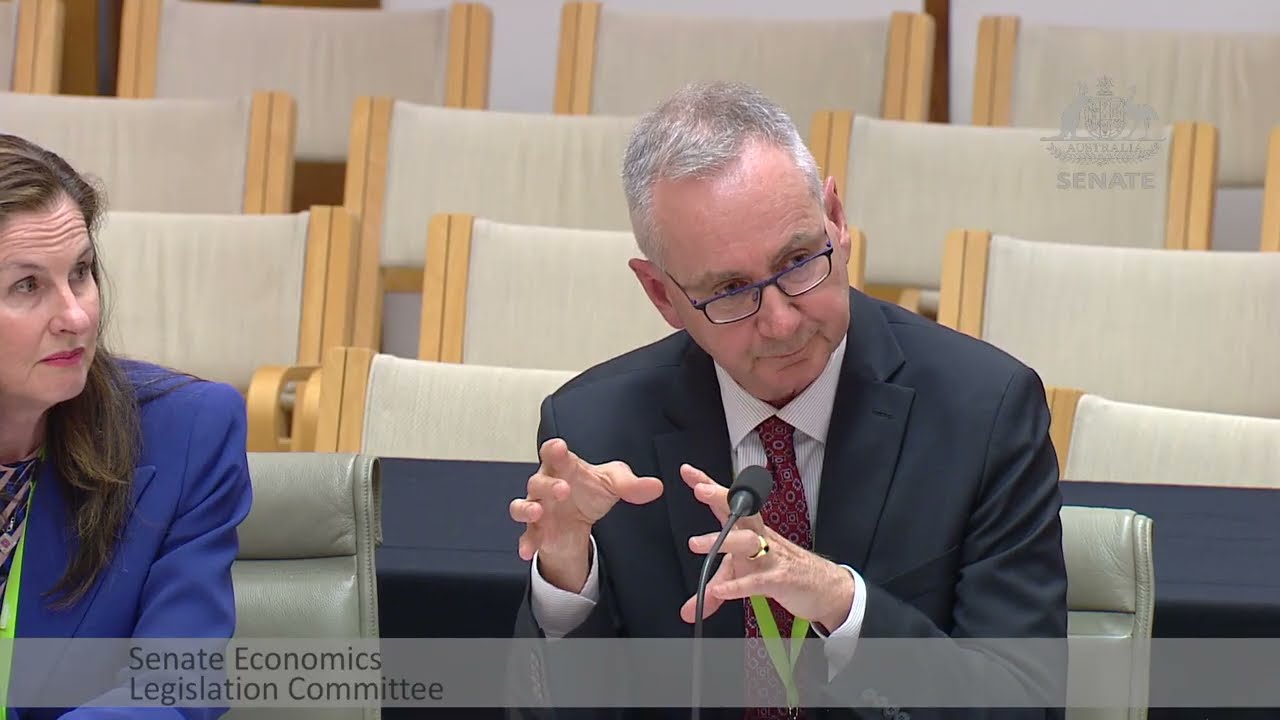

There is a massive disconnect between the RBA’s projections and the reality facing Australian families.
Reckless government spending is fuelling inflation, and everyday people are paying the price.
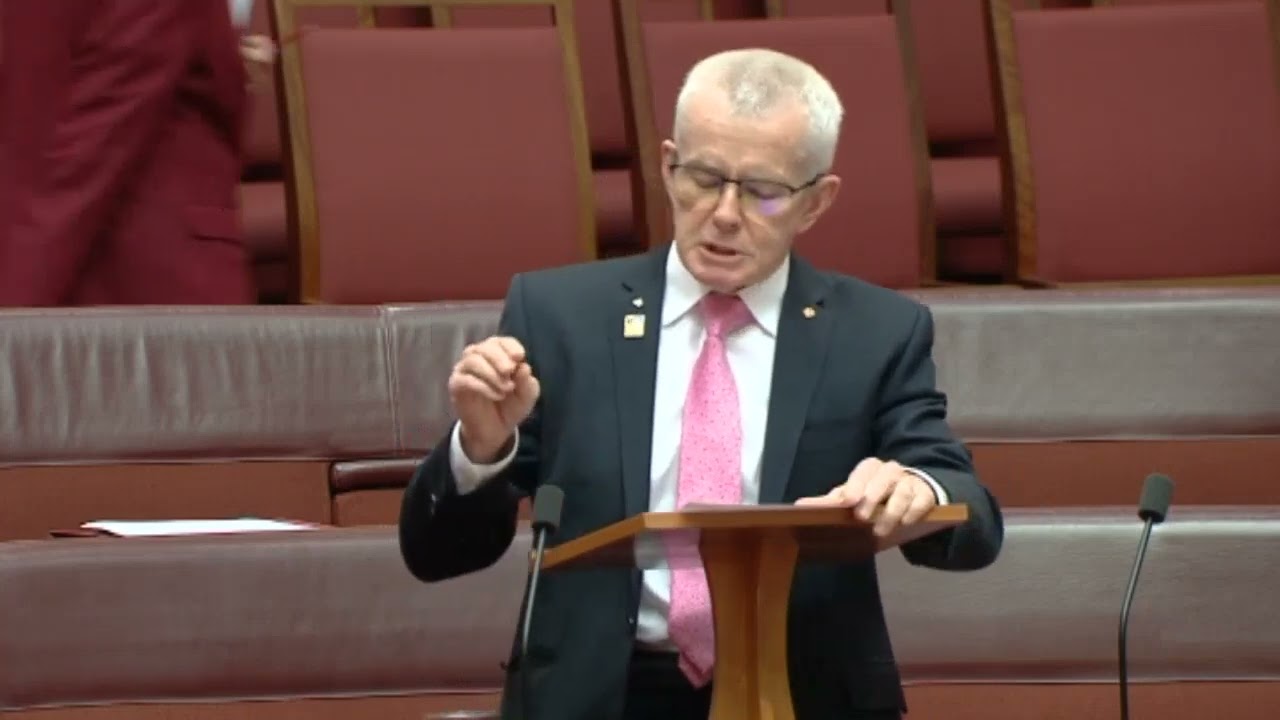
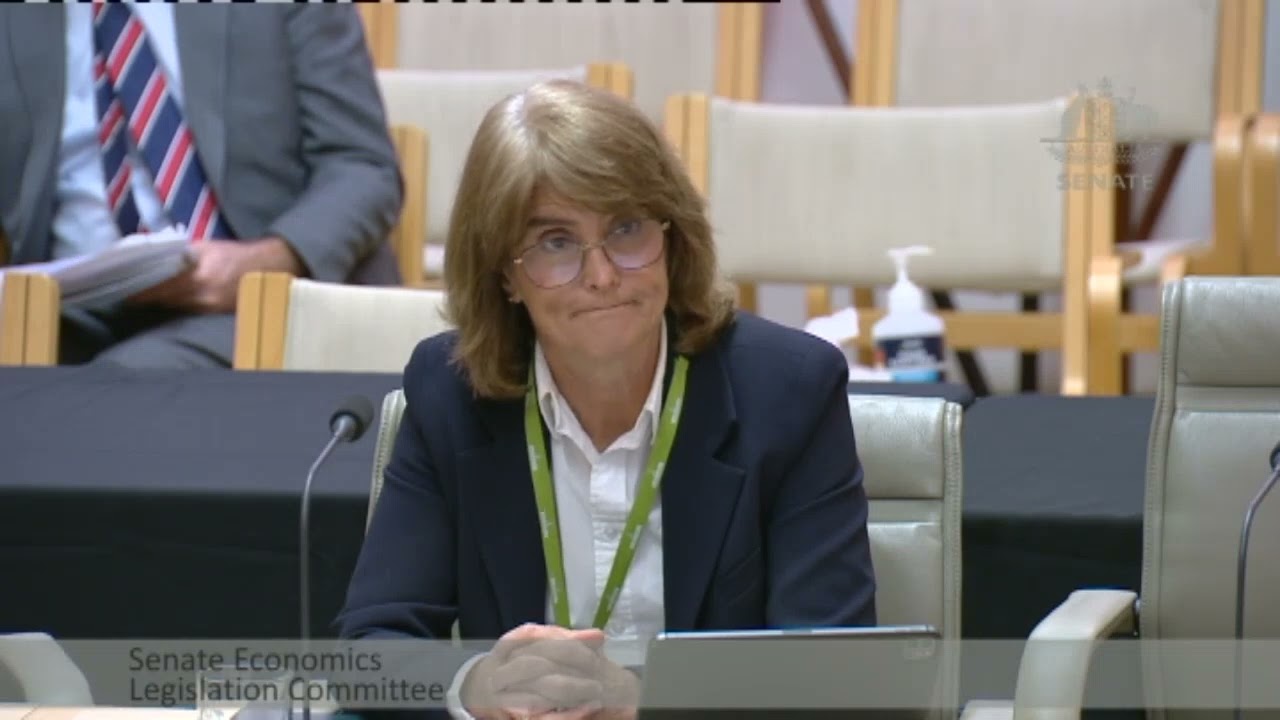
In this session with the RBA in December, I questioned Governor Bullock on her claim that inflation expectations are ‘anchored’ at 2.5%. With CPI at the time sitting at 3.8% (now 4.2%), that ‘anchor’ looks like it’s dragging. I asked her who has lost credibility here — the RBA or the government?
There’s a real risk of cutting rates too early because of political influence and outside pressure. While Ms. Bullock insists the Board isn’t being swayed by politics, I’m still sceptical about what really happens behind the scenes.
One of the biggest risks I raised was the threat of a federal credit rating downgrade. If the government can’t show budget discipline and we lose our AAA rating, bank borrowing costs will shoot up.
And if that happens, mortgage rates will go up, even if the RBA doesn’t touch the cash rate and that’s a rate hike due to government incompetence.
Finally, we touched on the data. I pointed out how absurd it is that the ABS classifies someone as ’employed’ if they work just one hour a week.
While the Governor appears to trust the official statistics, these numbers are masking the true level of underemployment. There are far more Australians struggling to find work than the headline figures suggest.
Transcript
Senator ROBERTS: I’m concerned about government spending, but I’ll ask a few questions before getting on to that directly. In October, you said to me that ‘all the evidence we have is that inflationary expectations have remained reasonably anchored at around 2.5 per cent’. I know you went to this with Senator Hume’s question, and you continued that’s ‘what has made it possible, I think, to bring inflation back down toward the target range so that we’re now under three per cent and heading towards 2.5 per cent and to maintain a relatively healthy labour market’. You couldn’t achieve that without anchored inflation expectations. With the Consumer Price Index headline rate now at 3.8 per cent in the year to October and the trimmed mean up 3.3 per cent, it certainly doesn’t appear that we’re heading to 2.5 per cent anymore. Do you still have no evidence that inflation expectations are above 2.5 per cent?
Ms Bullock: What we’ve observed is what we usually observe, that the very short-term inflation expectations rise, but at the moment we’re still seeing that the longer term inflation expectations are remaining reasonably anchored. But you raise a very relevant point. It’s a risk and it’s something the board is very focused on.
Senator ROBERTS: What does it say about the credibility of the Reserve Bank or, more likely, the credibility of government in terms of government spending if inflation rears its head again?
Ms Bullock: I think credibility is demonstrated by where inflation expectations are. Inflation expectations in the long term remain anchored, which I think says a lot about the credibility of the central bank.
Senator ROBERTS: In 2026, are more families going to be pushed to the brink and paying more on their mortgages because you cut interest rates too early while this government attempted to jawbone and pressure you into doing it?
Ms Bullock: We’ve never been under any political pressure. The board has done what the board has thought was the right thing to do. We thought we were moderately restrictive. We made a conscious decision not to go up as high as some other countries. Our projections still see inflation coming back down, but obviously we’re alert to the possibility that there might be inflation pressures building, and the board will respond accordingly.
Senator ROBERTS: Do you expect under current government strategies and policies to be having to deal with the government again on this?
Ms Bullock: We take what the government is doing as a given, and that is in our forecasts.
Senator ROBERTS: I refer to federal budget discipline, to the credit rating and mortgage rates. The banks are implicitly guaranteed by the government’s AAA credit rating, which allows them to borrow cheaply. If the federal government were to suffer a significant credit rating downgrade below its AAA, could that imply higher borrowing costs on the banks and a wider spread between the going mortgage rate and the Reserve Bank cash rate? In other words, could interest rates charged by the banks rise?
Ms Bullock: The Australian banks aren’t only underpinned by the government, they’re underpinned by the fact that they are very strong, unquestionably strong according to the language. They have strong capital, strong buffers, low arrears rates. They’re rated well because they are very strong financial institutions.
Senator ROBERTS: I appreciate your clear answers. Nonetheless, if the federal government doesn’t get its spending under control and is given a lower credit rating, what people pay on a mortgage could actually go up without the Reserve Bank raising rates; is that right?
Ms Bullock: It could possibly tighten financial conditions. Those are the sorts of things that the Monetary Policy Board would take into account in setting the cash rate. Financial conditions can vary for similar cash rates. The cash rate at a particular level now isn’t necessarily the same tightness in financial conditions as the same cash rate in the past. We have to take into account financial conditions.
Senator ROBERTS: Just a quick question to tidy up my understanding of where you get your figures. The RBA, as I understand it, does a lot of listening right through the community. That’s correct, isn’t it?
Ms Bullock: We have a very extensive liaison program, yes.
Senator ROBERTS: What are the sources of your inflation rate and the unemployment rate? Is it many factors—ABS, for example? Whom else would be involved?
Ms Bullock: The inflation rate is the CPI published by the Australian Bureau of Statistics. The unemployment rate is the same.
Senator ROBERTS: The unemployment rate is just over 4.4 per cent. How many people does that translate into being unemployed right now in Australia?
Ms Bullock: I’d have to get back to you on that in terms of the actual numbers.
Senator ROBERTS: It’s just a straight calculation, right, arithmetic?
Ms Bullock: It depends on the labour force and who’s in the market. I don’t know what the number is. I’ll have to come back to you.
Senator ROBERTS: That varies month to month of course. My concern is that the actual number unemployed may be far greater than what is indicated by the unemployment rate. As I understand it, the definition—and I’m looking for guidance here—is that anyone who’s employed or works paid work for one hour or more in a week is counted as employed?
Ms Bullock: Correct.
Senator ROBERTS: Is there any consideration of underemployment in your deliberations?
Ms Bullock: Yes, we consider underemployment. That’s a rate that we calculate. Basically, that captures people who are employed but would like more hours.
Senator ROBERTS: What is your level of confidence in the accuracy of the unemployment rate and the underemployment rate?
Ms Bullock: We’re pretty confident that the ABS does a very good job of calculating these numbers.
Senator ROBERTS: Is one hour per week employed really employed?
Ms Bullock: That’s the definition, but there are others. As I said earlier, for what it measures, we’re confident they measure it well. But that’s why we take into account a lot of different indicators, including things like vacancies, job ads and how many people actually have a job but would like more hours. These are all things that we consider as well.