

Australian retail and manufacturing are in the grip of a severe crisis, marked by a recent wave of business collapses, including Cue, Veronika Maine, Lincraft and Barbeques Galore. There has also been a sharp rise in retrenchments – over 257,000 in the 12 months prior to February 2026.
Unemployment has risen to 4.5%, record numbers of businesses are facing insolvency, and hundreds of thousands of Australians are either unemployed or underemployed and are struggling financially.
Planned immigration is expected to increase job competition and financial strain, and many employed citizens are now relying on government assistance, creating a population dependent on the state.
Government bailouts for manufacturing, such as the Tomago smelter and the former car industry, are temporary measures that ultimately precede the end of local production.
We don’t need cheap labour to manufacture in Australia. What is needed is capital, proximity to raw materials – and cheap energy that is not reliable on the weather.
We have $4.5 trillion sitting in superannuation funds looking for safe, profitable investments. We ship our iron ore and coal to China and India, only to buy the finished steel back because unreliable energy policies have crippled our heavy industry. The closure of our steel mills and smelters means hundreds of Australian jobs lost – all caused by successive governments choosing ideology over enterprise.
American industry is moving manufacturing back home by securing cheap power. If they can do it, so can we.
Transcript
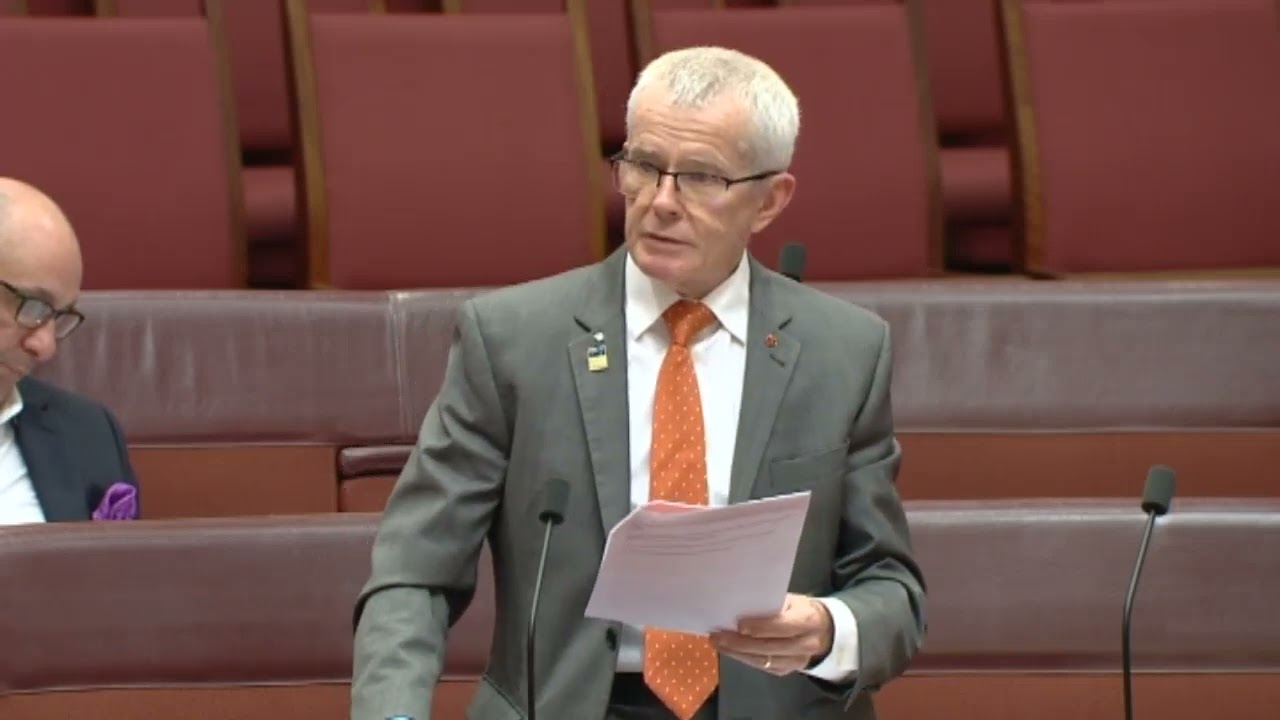
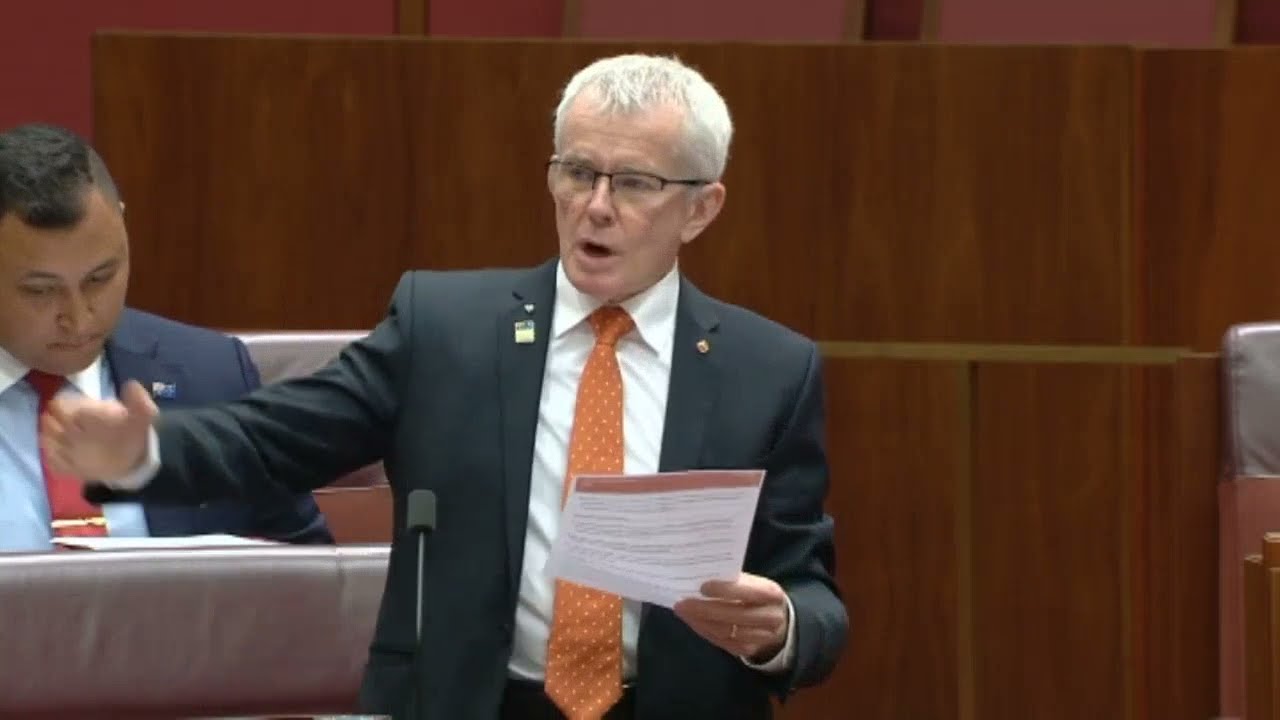
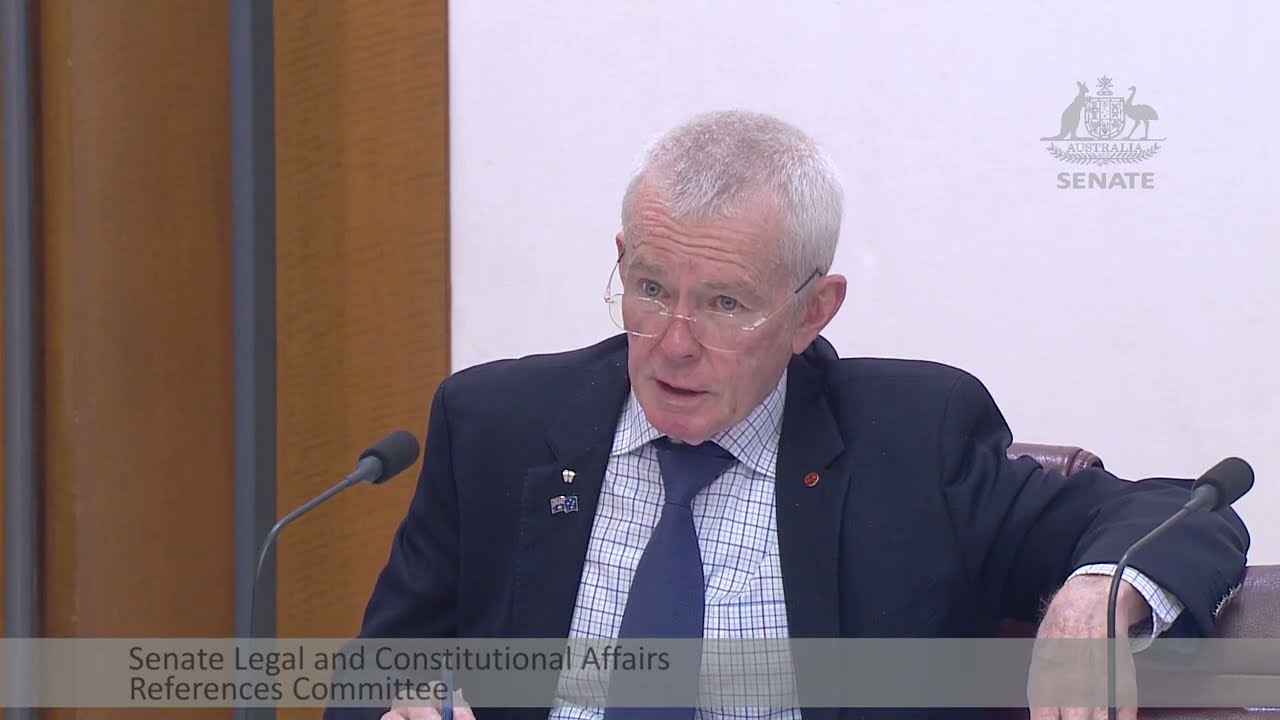
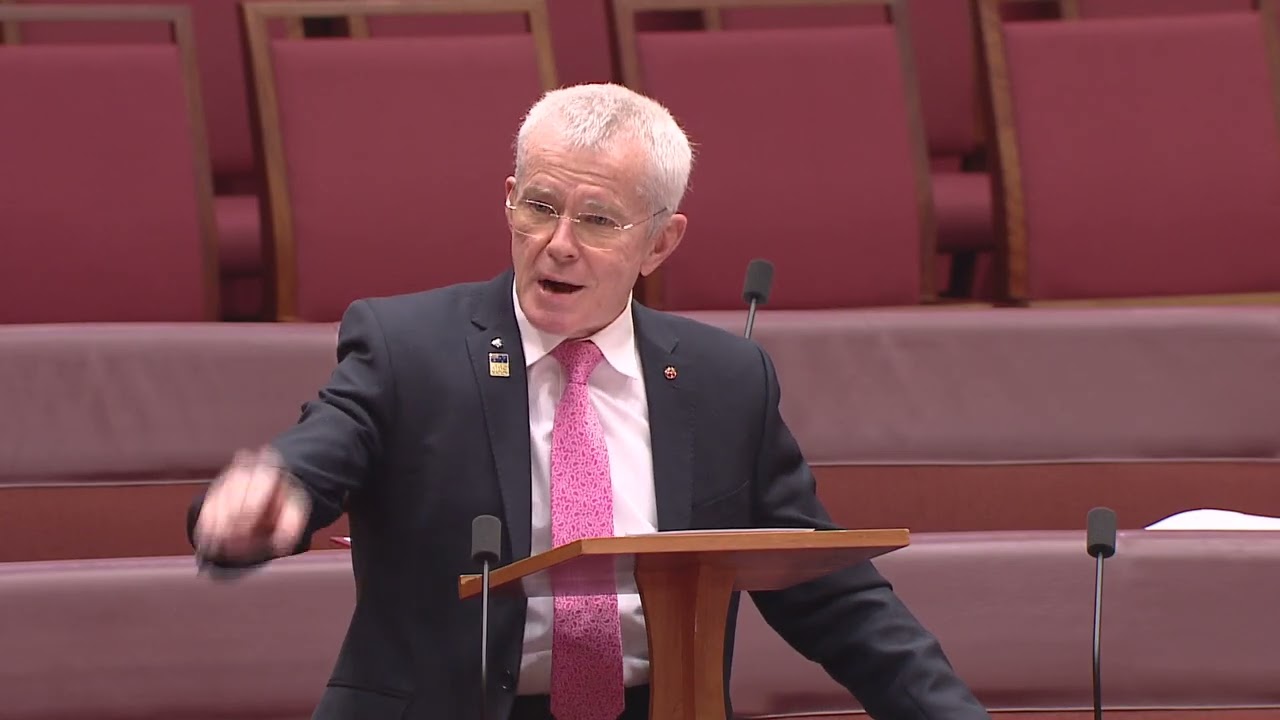
I thank Senator Blyth for this matter of urgency, which One Nation supports. Last night I read a list of large job losses from the last few months here in Australia. Today there’s one more to add. The retailer Cue, or Veronika Maine, has now gone into receivership. They may be saved, and I hope for the sake of their 69 stores and hundreds of people that they are. Other retailers in administration or liquidation recently include Betts, Lincraft, Barbeques Galore, Aussie Disposals, Stateside Sports, AH Beard, Harold’s and regional retailer Proud Poppy. These are names familiar to all Australians. I’ve shopped at them. This is personal. These are people in their communities that are now out of work.
According to the Australian Bureau of Statistics, in the 12 months prior to February 2026, nationwide retrenchments rose to 257,900 people. That is more than a quarter of a million people—Australians who no longer have a job, families without a breadwinner. Every community is suffering. Every retailer is feeling it. Unemployment has risen under the Albanese government from 3.4 per cent to 4.5 per cent. This follows on from the 14,152 business insolvencies last financial year—the second highest on record after the all-time high of 14,700 recorded under Treasurer Chalmers the year before. Australians having a go to provide for themselves and people we know in our communities keeping our local shops in business? No longer. There are 691,500 Australians without a job and looking for one.
Another million Australians on top of that are working and not getting all the hours they need to keep their heads above water. Imagine how hard that will be with another one million planned new arrivals to compete with thanks to Labor’s mass immigration program. Those still with jobs are increasingly classified as the working poor, dependent on government handouts to survive, which is exactly how totalitarian governments throughout time have wanted their citizens: desperate, broke and totally reliant on government. The bailout offered to keep Tomago aluminium smelter in business will, in my experience, only be temporary. Labor and the Liberals did the same thing with the Australian car industry. Remember when we made cars? Remember all those union jobs? Subsidies were used to keep the car industry alive long enough to transition from local manufacturing to a fully imported supply chain. Then the subsidies ended. They were pulled.
With modern, computerised, AI driven automated assembly lines, cost-efficient manufacturing is possible here in Australia and has been for years. Modern manufacturing does not need cheap labour. It needs proximity to raw materials, which we have, and capital to build our facilities. We have $4.5 trillion in capital stored in superannuation funds looking for profitable, safe investments. It needs a regulatory environment to free up that investment. A One Nation government will deliver that.
American industry has worked all this out. In the last few years, Apple, GE, Samsung, General Motors, Eli Lilly, Intel and Micron have all moved manufacturing back to the United States. Why? Because they’re on a track back to cheap power. If they can do it, so can we. Of course, this does need steel, and this Labor government just allowed our steel mill in Whyalla to close, with 600 jobs lost. That’s 600 jobs gone. That’s another heavy industry facility where subsidies were used as a bridge to allow the plant to be hollowed out and then replaced with imports. The LIBERTY Bell Bay manganese smelter closed in July—another 250 jobs gone. Instead of encouraging investment in manufacturing and heavy industry to bring jobs home, this government is growing the Chinese economy. When did unions stop worrying about Australian workers and start cheering on the Chinese Communist Party? Or was the $15 billion ripped out of Victoria’s Big Build a pay-off for silence? Who knows?
India is emerging as a major source of steel, using iron ore and coal. Where do they get theirs? Oh, that’s right! They get their iron ore and coal from Australia, of course. Australian workers are wondering how it could be possible to ship iron ore from Western Australia and coal from New South Wales and Queensland to China and India, make the steel using automated production and then ship it back here. I’ll tell you. It’s a one-word answer—energy. It turns out weather-dependent-power windmills can’t sustain manufacturing and heavy industry and can’t sustain an economy. This government’s insistence on advancing ideology over enterprise is costing everyday Australians their jobs, their homes, their marriages, their families and their dignity. The next election can’t come soon enough.





Leave a Reply
Want to join the discussion?Feel free to contribute!
Using your first name