

No Right to Be Here: Time to Act
At Senate Estimates, Labor admitted it’s deliberately slowing visa processing to reduce migration numbers and regain control of who comes into Australia.
They also confirmed there are around 80,000 non-citizens in Australia without a valid visa and acknowledge widespread “visa hopping” through the system.
For years, One Nation has been calling for controlled migration, and end to visa loopholes and the removal of people who have no right to be here.
Now even Labor is adopting measures that sound remarkably familiar.
When it comes to immigration, One Nation isn’t following the agenda. We’re setting it.
Transcript
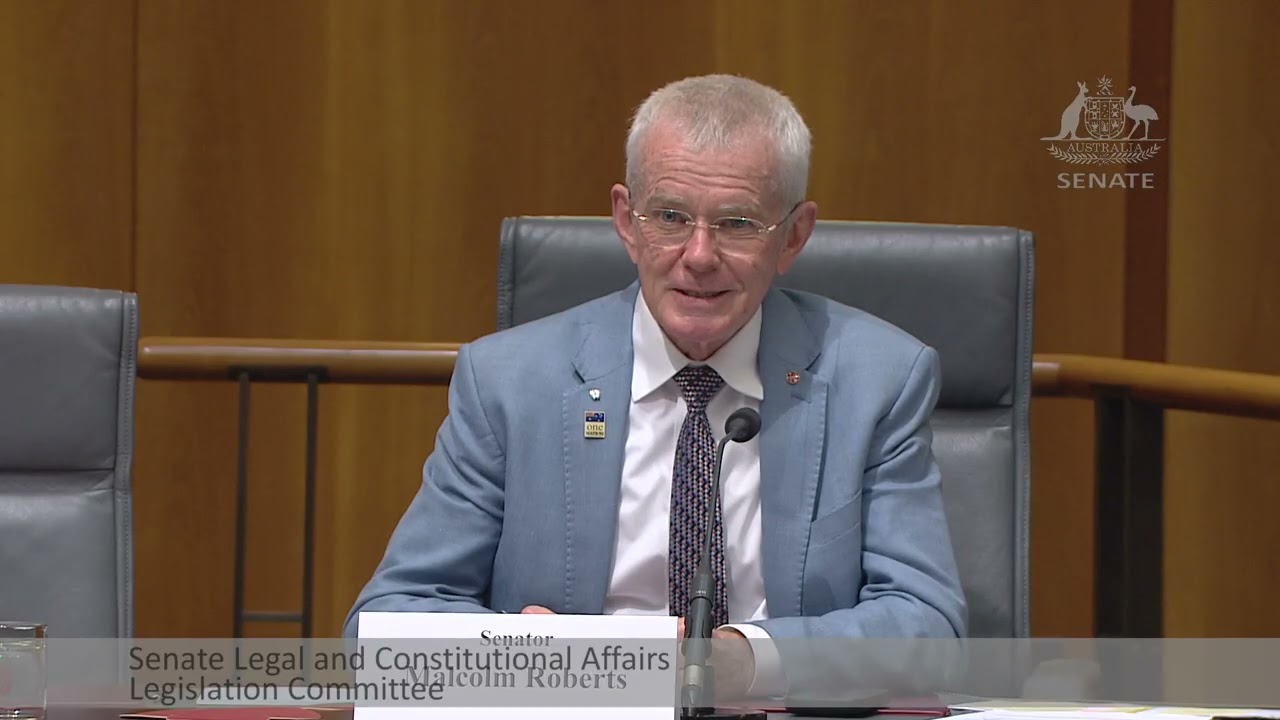
CHAIR: Senator Roberts.
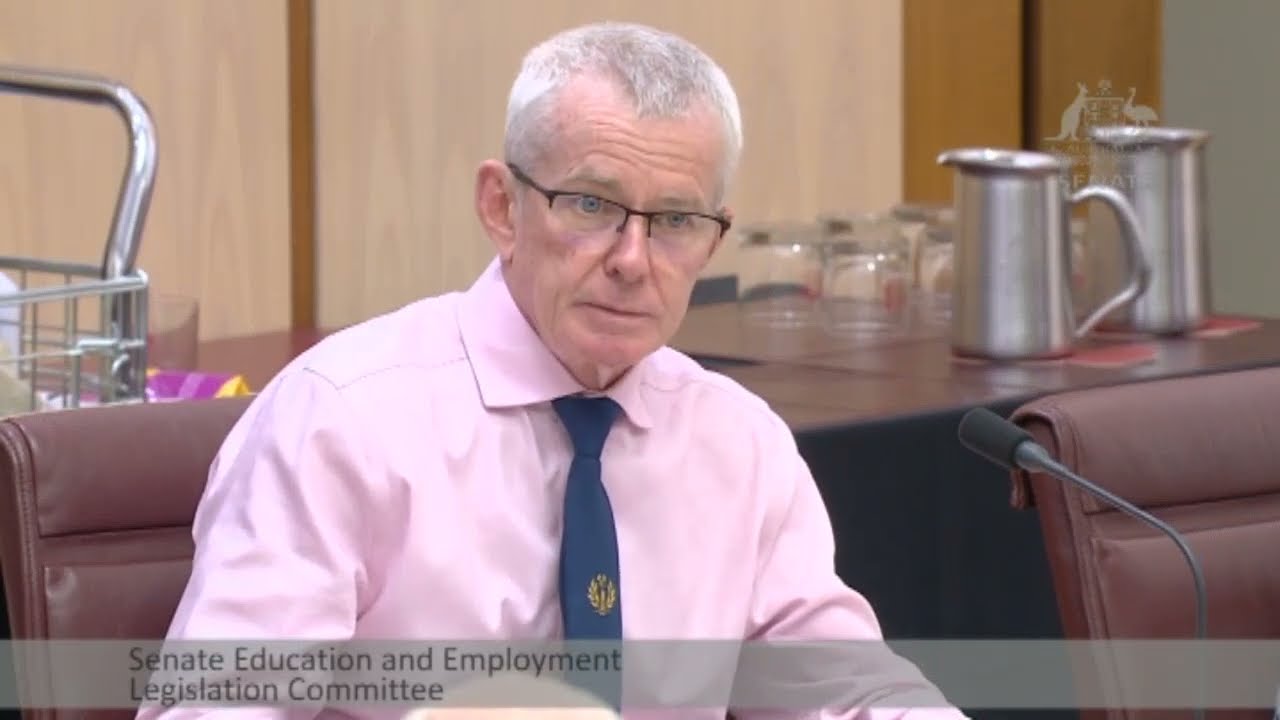
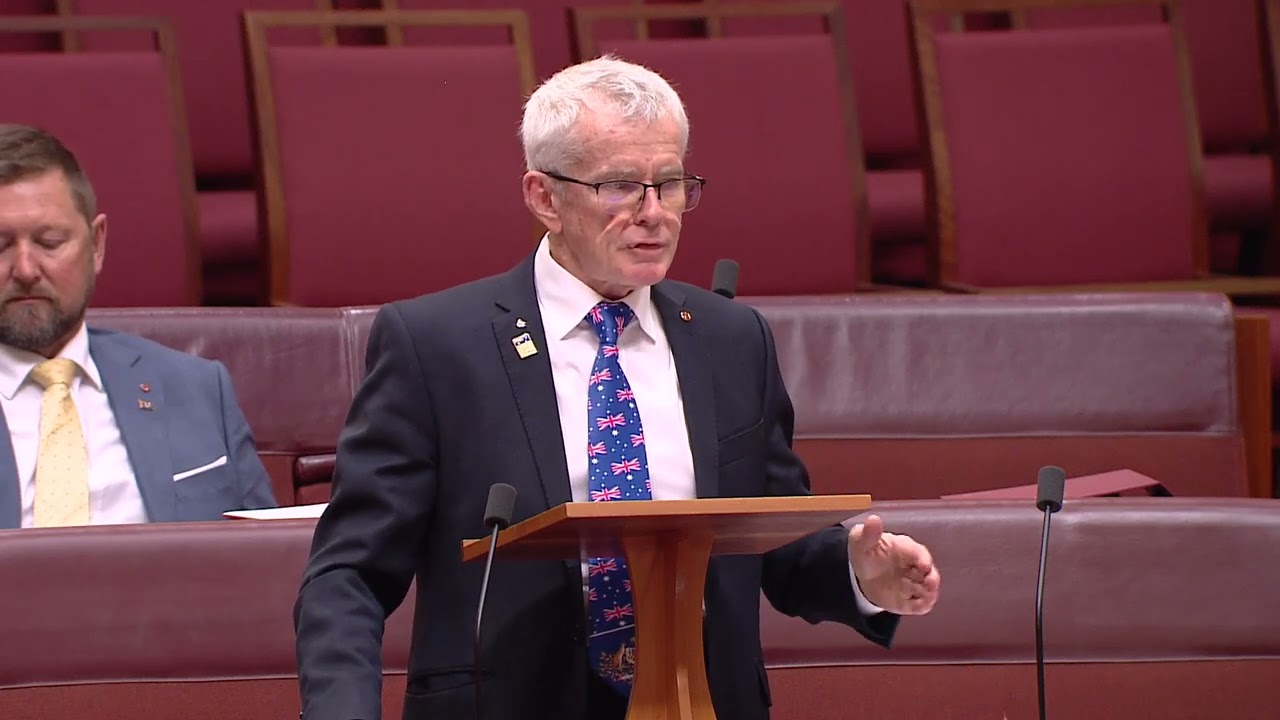
Senator ROBERTS: Thank you for appearing. Before we start, Ms Foster, thank you for the briefing on Friday, I think it was, last week. We’ve heard via the media that there is currently a ‘go slow’ practice occurring in the processing of some visa applications. Which types of visas are currently being processed slowly?
Ms Sharp: Minister Burke, in his Press Club address, made it clear that there was slower processing being applied to the working holiday-maker visa. That has stabilised now at around a three-month processing time for all working holiday-maker visa applications where there’s a specified work requirement, which is that every everyone is required, if they want to do a second year, to work in a regional area. For working holiday-maker visa applicants from the UK, who do not have the specified work requirement, those are still being processed more slowly.
Senator ROBERTS: How many such applications have had delayed processing?
Ms Sharp: Mr Willard might be able to help you with that.
Mr Willard: I might be able to give you some numbers in terms of numbers of visas on hand—the number of visas processed in the working holiday-maker visa space—if you’ll bear with me. In 2026-27, to 31 August, we’ve granted 22,377 working holiday visas. When we look at the active applications on hand, there are 48,752 on hand.
Senator ROBERTS: How many was that?
Mr Willard: 48,752.
Senator ROBERTS: Applications on hand?
Mr Willard: Yes.
Senator ROBERTS: Why are they being delayed again?
Mr Willard: Ms Sharp just outlined.
Ms Sharp: We have got historically high, very high, levels of working holiday-maker visas in Australia currently. The purpose of slowing the processing and stabilising the processing time with that three-month delay is to moderate the growth rate of working holiday-maker numbers in Australia. Longer term, we’re moving towards managing that number so that it’s not completely demand-driven through the use of ballots going forward.
Senator ROBERTS: It’s an official policy. It was directed by Minister Burke.
Ms Sharp: It’s certainly something we’ve worked on with Minister Burke to manage the number while we’ve been working on the longer term solution that will involve the use of ballots.
Senator ROBERTS: It’s an attempt to temporarily limit numbers of persons entering Australia and to smooth out the application processing.
Ms Sharp: Yes. It’s—
Senator ROBERTS: You’ve got a varying load, by the sound of it, and you want to smooth it out.
Ms Sharp: Yes. The challenge with the Working Holiday Maker program, prior to the government taking action this financial year, is that it is completely demand driven, which means that we’ve seen very rapid growth over several years, which led us to the situation where we had these historically high levels. The actions we’ve taken are seeking to moderate that growth and bring that level down somewhat, in the way that the minister has also talked through today. We’re looking at every visa class; it’s not just the Working Holiday Maker visa. That’s probably been the one most publicly commented on in the media, but there are other changes being made to student visas. We’re making changes to visitor visas. We’re making changes to the way our permanent program is allocated, all with the sole goal, if you like, of ensuring that the government has much better control over the number of people coming to and staying in Australia.
Senator ROBERTS: Thank you. You want to restore control to immigration entry?
Ms Sharp: We want to maintain control and, for some of these programs that have historically been completely demand driven, provide government with some levers to have control over numbers. In something like the Working Holiday Maker program, it has historically been a program where, however many people applied, if they met the criteria, they would be granted a visa.
Senator ROBERTS: Does this apply to international students and their dependants and families? Does it apply to illegals and the unskilled?
Ms Sharp: Certainly we are making changes. There have been a number of steps taken in relation to students over several years, and another round of changes was announced earlier this month. The most significant of those is restricting dependants accompanying students and temporary graduates—for most students, not all, but most. So, yes, certainly we are, as I said, looking across the system to make changes where they are sensible, moderate, and ensure government has levers to manage the volume.
Senator ROBERTS: What about graduate students?
Ms Sharp: Temporary graduates?
Senator ROBERTS: Yes.
Ms Sharp: Temporary graduates will be subject to similar controls to those we’re applying to students. Most temporary graduates will not, going forward, be able to have dependants attached to their visa.
Senator ROBERTS: It sounds like One Nation policy that you’re adopting. Could we have a copy of a listing of the numbers, please, and the cuts in each area?
Senator Watt: I’d love to see one of those from One Nation.
Senator ROBERTS: We’ve shown it. I’ll get it to you.
Senator Watt: Is that your version, Senator Hanson’s version or Mr Farley’s version?
Senator ROBERTS: It’s the party’s version.
Senator Watt: But I’ve seen about four or five. Which one should I look at?
Senator ROBERTS: The one that was finalised.
Senator Watt: Is that your version?
Senator ROBERTS: I’ll send it to you. No, it’s the party’s version. Ms Sharp, I’m very pleased to hear this, but I won’t endorse it until I see the actual numbers, because the Labor Party has been frightened to address the numbers.
Ms Sharp: Senator, we can take on notice the NOM effect of these measures.
Senator ROBERTS: What effect? I’m sorry.
Ms Sharp: The net overseas migration effect. What impact do we think these measures will have on net overseas migration? I would note that Senator Duniam also asked something similar, and there is an order for production seeking similar information as well. That’s currently being processed through our system.
Senator ROBERTS: Could I have the existing numbers and the reduced numbers expected in future for each of the visa categories: main visa applicants, students, graduate students, dependants of students, dependants of graduate students, illegals, the unskilled and graduates?
Ms Sharp: Yes. Illegals are a little different.
Senator ROBERTS: Yes, that will be different.
Ms Sharp: In that we don’t control—
Senator ROBERTS: You know they’re there, but you haven’t chased them. Okay.
Ms Sharp: That’s correct.
Senator ROBERTS: Have applicants been notified of potential delays in the processing of visas?
Mr Willard: Yes, Senator. There is information on our website that applicants receive that indicates they should expect three-month processing times.
Senator ROBERTS: This policy is contributing to enlarging the backlog of visa applications waiting to be processed, I take it?
Mr Willard: I gave you the figure for the on-hand number, which has risen over the last three months.
Senator ROBERTS: Minister, will this mean the Labor Party will start to use the word ‘no’ and refuse people entry?
Senator Watt: We already do that where someone seeking a visa doesn’t pass security tests or meet a range of other requirements.
Senator ROBERTS: What is the number of backlogged initial applications and currently known appeals awaiting a decision? Do you have those numbers, or is that a question on notice?
Ms Sharp: Across all visa types?
Senator ROBERTS: Yes.
Ms Sharp: Sorry, could you ask the question again, Senator?
Senator ROBERTS: What is the number of backlogged initial applications and currently known appeals awaiting a decision?
Ms Sharp: Across all visa classes? We would need to take that on notice.
Senator ROBERTS: That will be fine. Shifting slightly, how common is visa hopping? It sounds pretty common from Ms Foster‘s nodding.
Mr Willard: Visa hopping, as it’s referred to, is one of the practices that the changes that have been introduced are seeking to address. It refers to a circumstance where students, in particular, shift from visa to visa but never achieve completion of a course. In addition to the changes to dependence that Ms Sharp has outlined, there are also changes to the way in which people can apply for student visas onshore. That requires completion of a course and progression to a more advanced course. Those measures are designed to deal with that practice of visa hopping. In addition, the minister has announced that the visitor visas will be subject to a condition known as a ‘no further application’ or ‘no further stay’ condition, which means that only in exceptional circumstances would people be allowed to shift from a visitor visa to another visa while they’re onshore.
Senator ROBERTS: Thank you. You may not know the answer to this one. What is the current number of non-citizens in Australia with no valid visa?
Ms Sharp: Mr Thomas could probably come to the table and assist with that.
Ms Foster: Noting these are estimates because, by the nature of that cohort, we’re not managing them on visas.
Mr M Thomas: That’s right. At a point in time, 30 June this year, we estimate approximately 79,400 non citizens were here without a visa. That cohort is very fluid; it includes people that have been unlawful for a day, an hour, a week, a year. That cohort continuously changes as people become unlawful and subsequently leave the country as well.
Senator ROBERTS: Well, that’s remarkable. It gives me confidence because we’ve been saying there are 80,000 people here illegally, and that’s pretty much the target. What measures—
CHAIR: You are at time for your 10-minute block. Are you almost done, or is now a good time to rotate the call?
Senator ROBERTS: Now would be a good time to rotate.
CHAIR: Excellent. Thanks so much. Just indicating I’m going to share the call.
Senator ROBERTS: If I could just add one more to that—
CHAIR: Sure.
Senator ROBERTS: How many non-citizens are currently here illegally? Is that different from the number who are here with no valid visa?
Mr M Thomas: No, Senator. The number I gave you is the number of non-citizens that are here without a current valid visa.
Senator Watt: Can I just add one thing on that. The government’s position is that, if someone doesn’t have a valid visa, they shouldn’t be here. That is why one of the other measures that’s just been announced by Minister Burke is an increase in what’s called compliance activity to remove people who don’t have a right to be here. Under the former government, funding was removed from that function.
Senator ROBERTS: You’ve been here for half a decade.
Senator Watt: I know.
CHAIR: Senator Roberts.
Senator Watt: I know you don’t like hearing things about your Liberal mates, but the truth is that, under the former government, funding to remove people who didn’t have a valid visa was wound down. We are putting that funding back in to remove people who don’t have a valid visa.
Senator ROBERTS: And you’re chasing us because we introduced all these policies.
Senator Watt: We’re not chasing you.
Senator ROBERTS: Yes you are. We’re setting the agenda, Senator Watt.
Senator Watt: We are not chasing you.





Leave a Reply
Want to join the discussion?Feel free to contribute!
Using your first name