

We first brought this issue to light several years ago, urging stronger safeguards to protect children from explicit, graphic and pornographic books, comics and other harmful publications.
Recognising the validity of our concerns, the department acknowledged the problem and is working to reform the classification system for these materials.
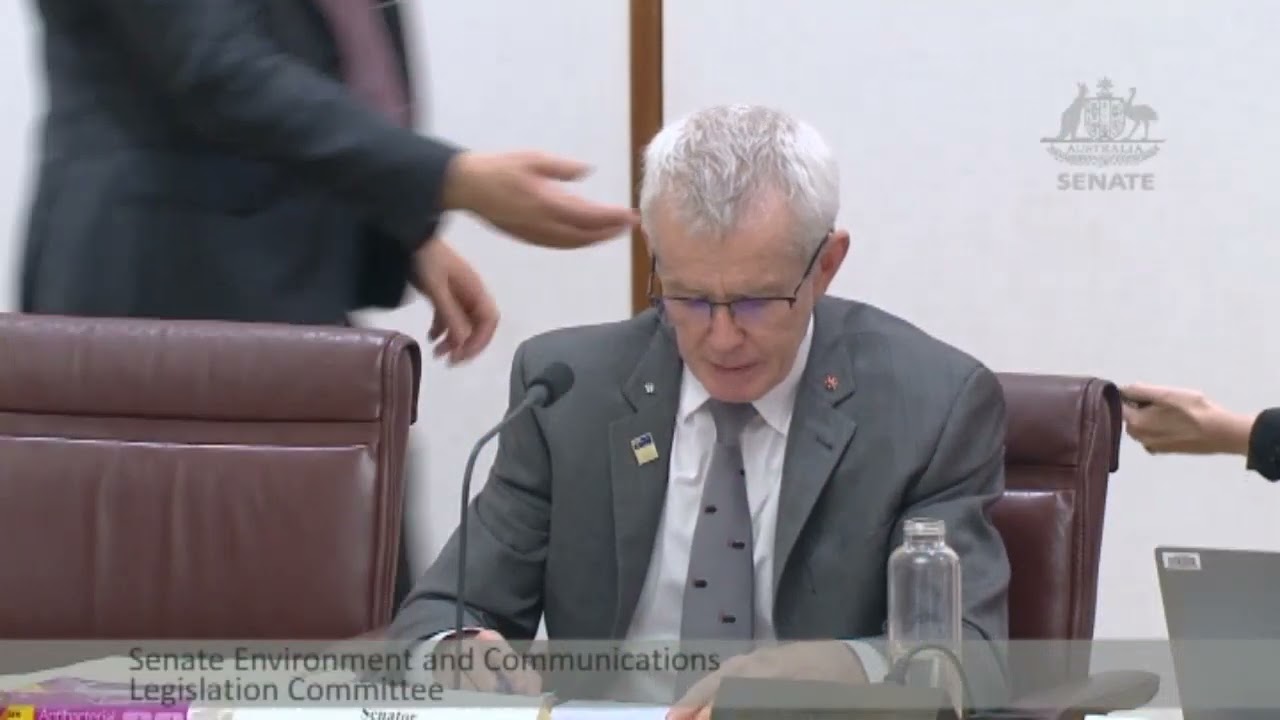
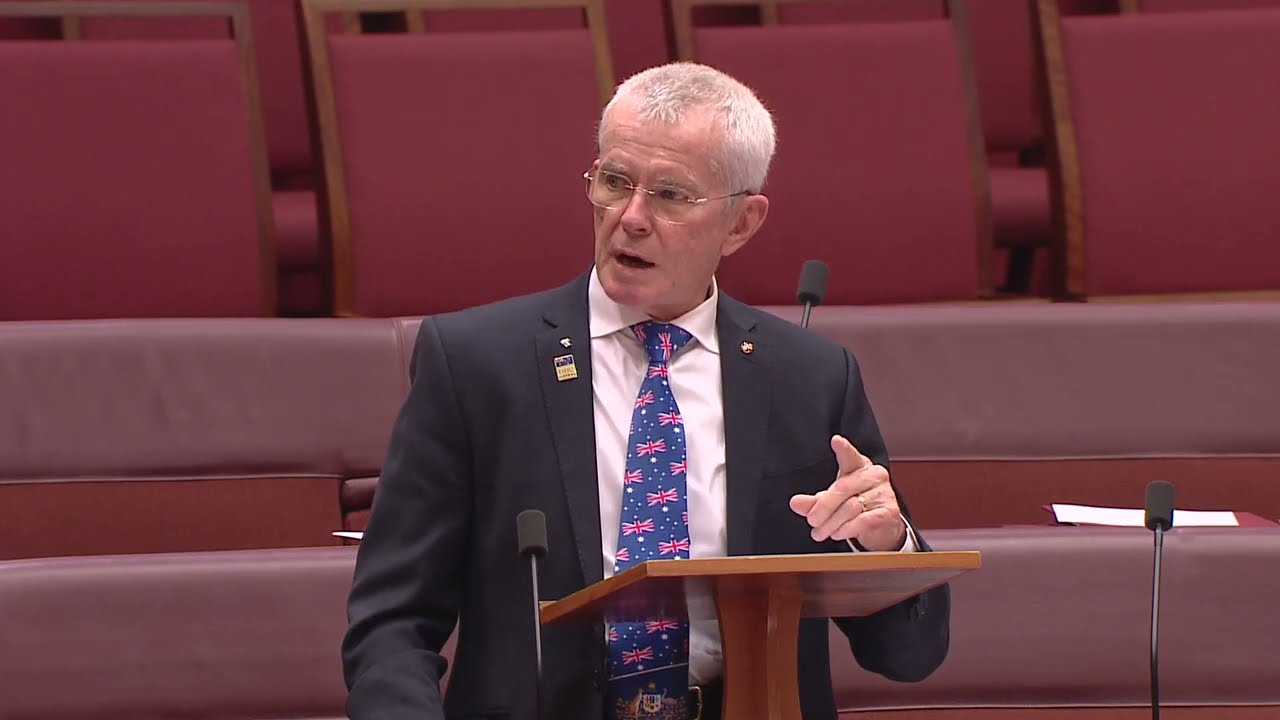
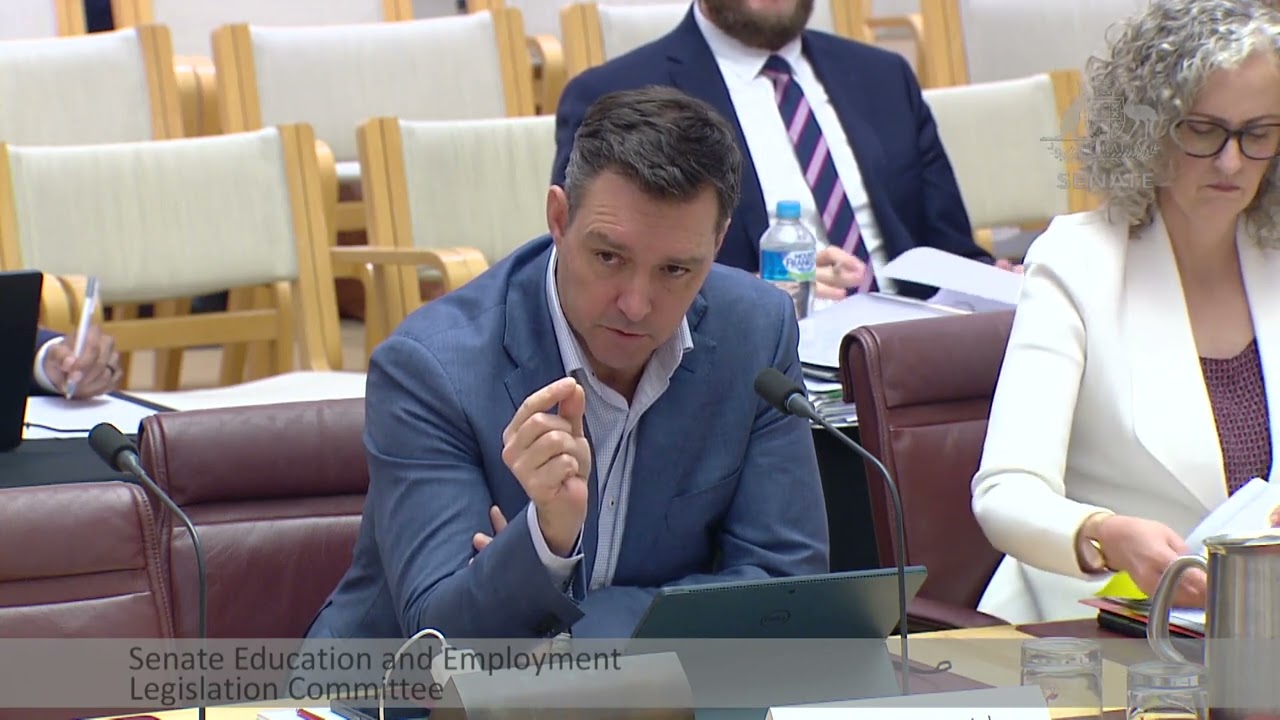
During this session with the Classification Board, I raised the proposed update to Australia’s classification scheme to transition from MA 15+ to MA 16+, noting that aligning this age limit with an under-16 social media ban makes sense for consistency.
I questioned whether the intent of the MA 16+ proposal is to legally block children under 16 from accessing this material in retail stores, libraries, or online – using the book ‘Welcome to Sex’ as an example.
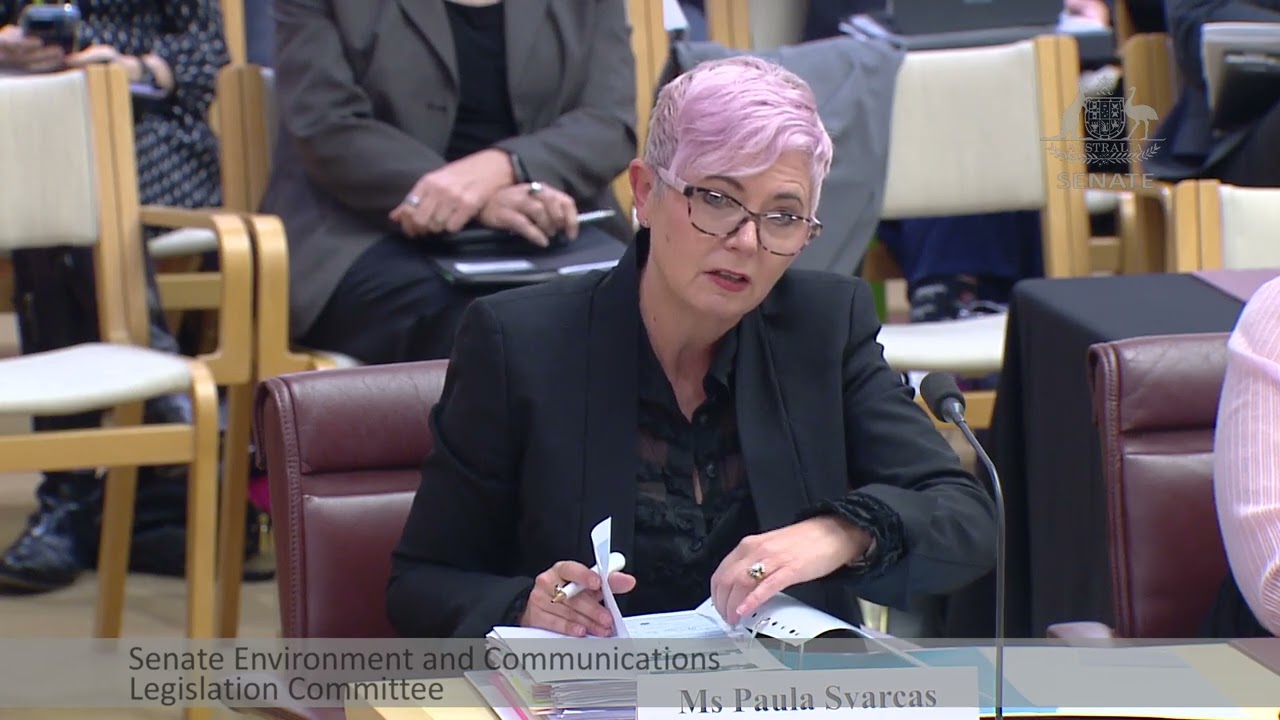
Officials clarified that the current public consultation (which closed May 29) is focused on changing the age limit from 15 to 16 for games, films and publications and does not guarantee that children under 16 will be completely barred from accessing them. Ms Vandenbroek noted that MA-rated content can typically still be accessed with parental consent and library/retail restrictions largely fall under state and territory jurisdiction.
Mr Mackay added that any final scheme changes will require a decision by the federal government alongside unanimous agreement from all states and territories.
I expressed frustration over the slow pace of the process and asked the department when legislation would be introduced. Mr Cole confirmed that no official commitment has been made yet, as they are still awaiting the conclusion of the consultation and subsequent government and state/territory decisions.
Transcript
Senator ROBERTS: I have very simple questions and they’re very short too. In the last Senate estimates session, ACMA suggested I should ask these questions here. Your review into modernising Australia’s classification scheme has moved on slowly to this draft proposal. I note the need for something in printed publications rated between G and R is still accepted. I thank the department and ACMA for that. The new classification applying to all content, including publications, is MA 16+. This harmonises with the under-16 social media ban and other measures of maturity, so I agree with making the ages consistent. My question is: can you confirm that the MA 16+ classification is intended to ensure that no child under 16 can access this material in a retail environment, in a library or through an online purchase?
Mr Betts: Chair, for your benefit, this is not a corporate question. But I understand that Senator Roberts has many commitments during the course of the day, so we will answer this question, noting that it is probably part of outcome 5.
CHAIR: It may not be to do with Senator Roberts’ commitments. From what he said in the preamble, it may be that ACMA suggested it be asked somewhere else. But if we are able to answer it now, that would be wonderful. Senator Green: Yes. It’s under the next outcome, but we can answer it.
Mr Mackay: It is a question for the department, but it does come under outcome 5.
Senator ROBERTS: We were both right.
Senator Green: Column A, column B.
Senator ROBERTS: Or both wrong.
Mr Mackay: Would you mind repeating the last part of the question?
Senator ROBERTS: Can you please confirm that the MA 16+ classification is intended to ensure that no child under 16 can access this material in a retail environment, in a library or through an online purchase?
Mr Cole: No, we’re consulting on that at the moment. We are open for consultation on the update to the guidelines and they will close this Friday 29 May. There have been recommendations by our external provider we had come in to do some work on that. They’ve made recommendations with regard to MA 16+, as you talked about before, but they’re open for classification. Sorry for consultation at the moment to work through whether we should introduce those. So it’s a consultation period.
Senator ROBERTS: Thank you. Let me clarify. The intent behind the proposal as it stands now, subject to consultation, is that no child under 16 can access this material in a retail environment, library or online purchase if it’s accepted?
Mr Cole: Can you repeat the question?
Senator ROBERTS: What you’re saying is that you cannot confirm it at the moment, because it’s still a proposal and you’re seeking consultation?
Mr Cole: That is with regard to the introduction of 16.
Senator ROBERTS: Is the driver behind the introduction to make it so that no child under 16 can access the material in a retail environment, library or online purchase?
Mr Cole: That’s not what’s being proposed at the moment.
Senator ROBERTS: What is being proposed?
Mr Cole: Some recommendations have been proposed that are outlined in the report that you talked about there. There has been discussion around the MA 15+ changing to MA 16+. That would include not just publications but films, games—what’s actually there now. That’s what’s being proposed through the consultation process. But what would be taken from there would be a decision of government.
Senator ROBERTS: Okay. Is the intent that a child under 16 cannot access this material in a retail environment?
Mr Cole: Not at this stage. Again, it’s a public consultation process.
Senator ROBERTS: No, I understand that. Given that it’s subject to public consultation, I accept that. That’s beneficial. Is the aim of this at the moment that, if it goes through as is, no child under 16 can access this material in a retail environment, a library or online purchase?
Mr Cole: No, that’s not what’s being proposed.
Senator ROBERTS: What is the intent?
Mr Cole: The intent with regard to changing from MA 15+ to MA 16+ is changing the age limits of the way people can access that material, whether it be games, publications or films.
Senator ROBERTS: Under this proposal, if it survives public scrutiny—consultation—could a child legally get their hands on a copy of books like Welcome to Sex?
Mr Cole: I can’t answer questions for the way that libraries, state governments et cetera provide publications. That’s not a federal government decision, so I’m unable to answer that.
Ms Vandenbroek: At the moment, for example, for films that are rated MA 15+, people under the age of 15—correct me if I’m wrong—are able to view those films with their parents’ consent. So it’s not that they can’t legally see it, but they do need their parents’ agreement. That would be what would happen for films.
Senator ROBERTS: What about libraries? How do we protect kids?
Ms Vandenbroek: Very few publications are actually classified. It’s only if they’re called in for classification. Because of the volume, it’s not feasible to classify all written publications. If a book were to be classified currently as MA 15+, it would then be a matter for the library or the bookstore to deal with how that is displayed and how access is restricted.
Senator ROBERTS: So children could still get access to this material?
Mr Mackay: As my colleague indicated, that really is a question for state and territory governments. Following the consultation that is underway at present, any changes to the scheme would require unanimous state and territory agreement, given the issues we’ve been discussing for any changes to the guidelines or to the national code, and that’s a step that would follow from the consultation process that’s on foot at present.
Senator ROBERTS: You proposed a PG 13 classification? Is that correct?
Mr Cole: A PG 13 classification has been consulted on. That’s correct.
Senator ROBERTS: So you’ve gone back out for further consultation, as we’ve discussed?
Mr Cole: Yes.
Senator ROBERTS: When will this legislation come before parliament? The process is taking too long. We’re not saying don’t have consultation—we believe in that—but it’s taken such a long time. When will it come before parliament?
Mr Cole: There hasn’t been a commitment by government to introduce legislation. At the moment, we’re going through the consultation process for the update to the guidelines. That concludes at the end of this week. Then the findings will be considered and provided to government, and how that’s taken forward will be a decision of government. As Mr Mackay mentioned, any changes have to be unanimously agreed by states and territories, so any changes that are proposed would still then need to go through that process agreed by states and territories before anything could progress.
Senator ROBERTS: Thank you.







Leave a Reply
Want to join the discussion?Feel free to contribute!
Using your first name