
Australians are being ripped off, while big corporations profits hit record highs. The reason? Excessive market concentration.
In sectors like banking, supermarkets, telecoms and insurance, four major players control over 70% of the market. In fact, 7% of Australian industries have market concentration over 80%, compared to just 1% in the US!
Take our four major banks for example. They offer identical products, use identical strategies and share the exact same major institutional shareholders like BlackRock and Vanguard.
We don’t have four distinct banks in Australia; we have one massive monopoly hiding behind four different logos.
When crony capitalism replaces genuine free enterprise, it’s Australians that pay the price.
The bureaucrats and the Government can offer all the excuses and buzzwords they want.
One Nation will never stop fighting to break up these monopolies and put money back in your pocket.
Transcript
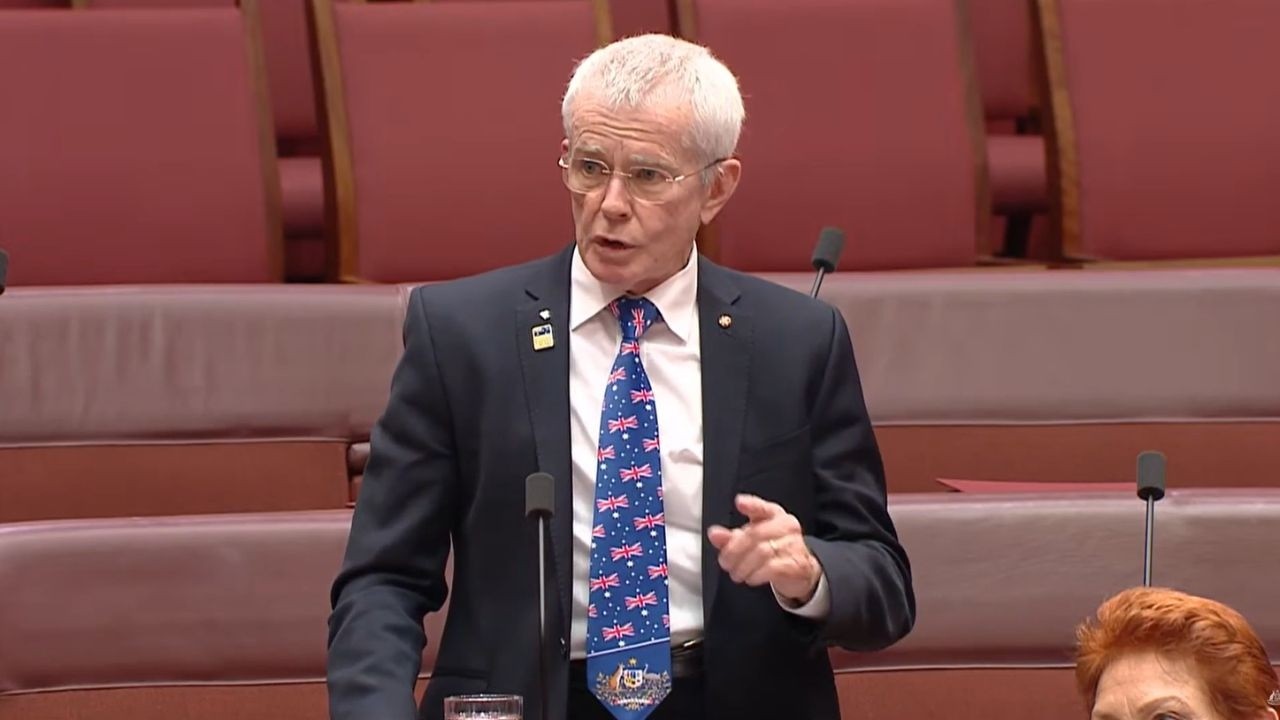
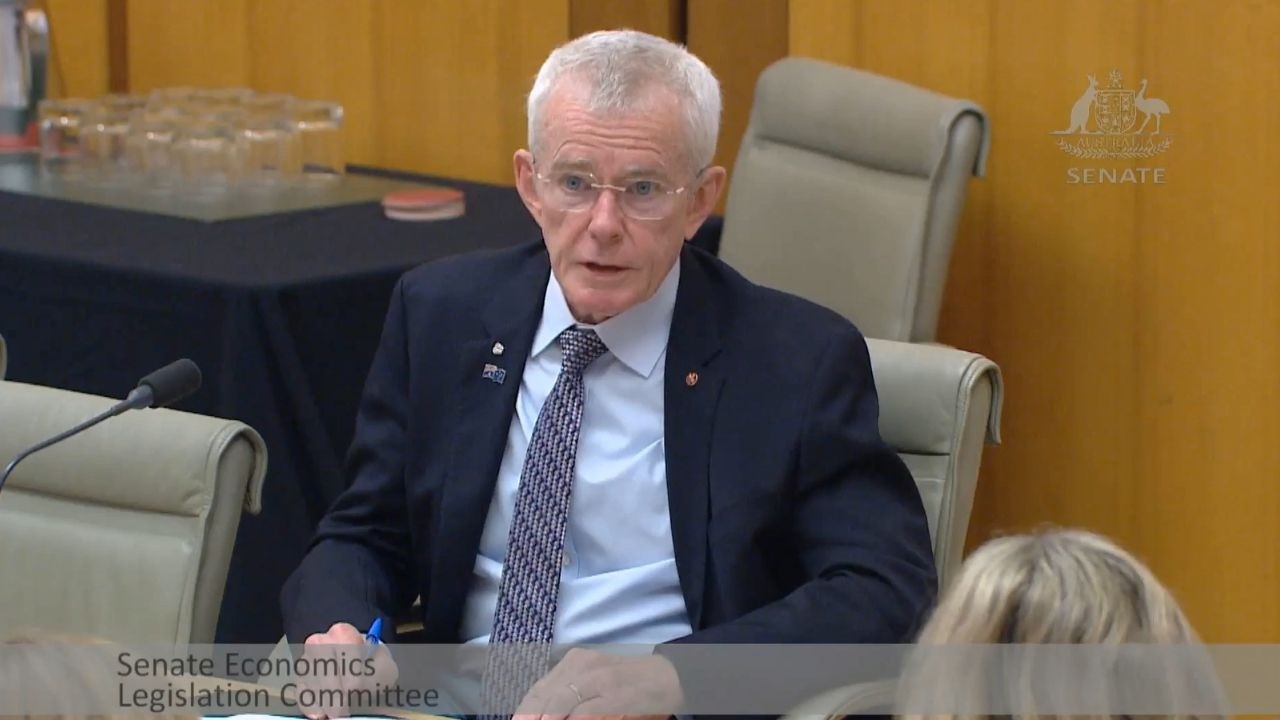
CHAIR: Senator Roberts.
Senator ROBERTS: This is my first attendance in this session with the National Competition Council. My question is inspired by a common theme in many calls to my electorate office noting that we have an apparatus of government that’s designed to ensure free enterprise competition sets market pricing rather than crony capitalism and yet prices seem to be out of control for many people and corporate profits are at record highs. The perfectly legitimate conclusion is that something is broken, and the attention must fall on the National Competition Council. It’s your task to ensure competition, isn’t it?
Mr Bezzi: Thanks for the question. We have a range of responsibilities under the Competition and Consumer Act. They include the promotion of competition but within the context of national competition policy and within the context of specific research projects that we’re given. So, for example, we’re dealing with a research project at the moment which will help tradespeople and people in other occupations operate across state borders. That’s an important aspect of promoting labour mobility within the economy. We are also working to support states and territories that have identified a range of areas of regulatory reform which will help promote competition. I’ll see if my colleague Mr Biesaga wants to add anything to the answer.
Mr Biesaga: I’d like to add that, with the intergovernmental agreement being put into place in November 2024 along with the respective federation funding agreement, we are at the early stages of getting national competition policy and standing that back up. Over the past number of years, the NCC was mainly responsible for the National Access Regime, and we are now in a phase of gearing up to be able to be more active in backing the National Competition Policy space.
Senator ROBERTS: The internationally used measure of concentration of market power is called CR4. It simply shows how much market share the top four companies have within a specific market. A high—above 60 per cent—CR4 suggests the market could be classified as an oligopoly with limited competition. In an oligopoly, profits are high because the entrants work together to rip off their consumers, who all lose. Can we agree a CR4 is too high in any industry?
Mr Bezzi: As I mentioned, our role is to promote competition. The Treasurer has identified that, in many areas of our economy, sectors are significantly concentrated and more concentrated than would be preferred. There are a number of reforms that the parliament and the government have engaged in in recent years that have sought to address this issue. One of them is the development of the National Competition Policy. Another is—and this is something that the Treasury worked closely with the ACCC on—the reformed merger control provisions. Those provisions were explicitly targeted at giving the ACCC the capacity to tackle market concentration in sectors where it had grown too strong. I hope that response assists you.
Senator ROBERTS: Let’s go on to some specific examples. An example of what goes wrong in an oligopoly is in our supermarket sector right now, where the ACCC has prosecuted Coles and Woolies for false and misleading advertising, increasing retail prices—which is inflation—and increasing corporate profits. These facts were proven by the court judgement against Coles. Does this mean the National Competition Council has failed to ensure free market competition in the supermarket sector, or are you just winding up to do that?
Mr Bezzi: We share responsibility for promoting competition with the ACCC. As you pointed out, the ACCC has done an excellent job prosecuting that particular case and has a mandate to enforce the competition law. That’s a very important task in concentrated markets like supermarkets. They’ve also been given specific power to deal with mergers in the supermarket context. Ms Cass-Gottlieb is probably best addressed to discuss how those powers are being used, but our mandate at the NCC is about promoting the National Competition Policy. Over time, we’re hoping that that will assist to create a more dynamic, more competitive economy.
Senator ROBERTS: In Australia, many sectors of the economy have a CR4 concentration of market power above 70 per cent, including banking, supermarkets, telecoms and insurance. These are industries which directly affect the cost of living for millions of everyday Australians. How did Australia get to this position, and when are you going to target these inflation-critical industries to restore free enterprise and competition and shift market power back to consumers?
Mr Bezzi: I’m not going to speak for the ACCC, but I can say that, over many years, the merger control provisions perhaps did not give the ACCC the capacity to deal with growing [inaudible] in the way that it should have been able to. That was certainly pointed out in the debate on merger reform, and I think that parliamentarians were convinced that that was the case. I’m not sure whether Ms Cass-Gottlieb wishes to comment further, but these things happen over a long period, and they’re largely a result of historical legislative and regulatory settings that enable developments such as concentrated markets to occur.
Senator ROBERTS: What options are available to you, and what are you considering?
Mr Bezzi: It’s not the role of the National Competition Council to engage in enforcement action. That’s the role of the ACCC, our responsibility—
Senator ROBERTS: What options can you give the ACCC?
Mr Bezzi: Well, they’ve got a range of options that they can speak to, including significant enforcement powers under the Competition and Consumer Act. They’ve also got significantly enhanced merger powers. That’s something that probably should be addressed to them.
Senator ROBERTS: Just checking, I thought you implied that we haven’t been doing our job in Australia in banking, supermarkets, telecoms and insurance and that you’re now looking at addressing that. What options can you address it with?
Mr Bezzi: Parliament has sought to address the concentration problem through the merger reform process.
Senator ROBERTS: Are there any others?
Mr Bezzi: There’re stronger enforcement powers that the ACCC has in relation to misuse of market power. As I said, enforcement isn’t really territory for the National Competition Policy. We’re also looking at supporting the process of National Competition Policy. Where there are states and territories that have come together and agreed over packages for reform, we support those reforms by recommending to the government that payments be made to states and territories to incentivise that reform process. Those payments will be made from the $900 million productivity fund that the government has established, and over time that should help to make the economy more dynamic and more competitive. There are a range of things that are being done.
CHAIR: I need to rotate the call.
Senator ROBERTS: Can I just ask two questions?
CHAIR: If they’re very quick.
Senator ROBERTS: Okay. Australian industries are more concentrated than in the US, with seven per cent of Australian industries having a CR of more than 80 per cent, as against one per cent of industries in the US. Revenue of Australia’s top 100 listed companies as percentage of GDP rose from 27 per cent in 1993 to 47 per cent in 2015, almost 50 per cent. The source of that is the ACCC. This is not a new trend; it’s been going on for years. Minister, your government, your department and your National Competition Council are responsible. Seriously, the Liberals are paid by their donors to look the other way. What’s your excuse? You’re concentrating the market.
Senator Gallagher: I don’t think you’ll find a government who’s done more than we have to address competition across the economy. Seriously, go back and have a look. Yes, there’s always more work to be done, but a combination of the reforms that have already passed the parliament, the powers that we’ve given to the ACCC and their ability to enforce the laws that the parliament has played is making a real difference.
Senator ROBERTS: Are you aware the four major retail banks have similar strategies, similar products, similar services? Their products are the same.
Senator Gallagher: I think those issues have been well understood and well canvassed.
Senator ROBERTS: They’ve each got a controlling interest in them by BlackRock, Vanguard, State Street, First State. We haven’t really got four major banks; we’ve got one major bank hiding behind four logos. The banks have got far too much power.
CHAIR: Senator Roberts, are you finished with your question?
Senator ROBERTS: Minister, do you want to make a comment?
Senator Gallagher: My answer is that there is a continued focus in this area. We have assistant minister Dr Leigh working with the Treasurer in this area. There was a lot of effort going into it in our first time term, and it continues in this term.
Senator ROBERTS: Thank you, Minister.