

When you can’t get through the front door — go through New Zealand
The Albanese Government has turned New Zealand into a back door for Australian citizenship. Under Labor’s 2023 changes, anyone who gets NZ citizenship, even if they weren’t born there, can come to Australia on a 444 visa, stay indefinitely, and become an Australia citizen after four years without ever becoming a permanent resident or passing our points test.
When I pressed the department on how many people become permanent residents without passing the points test, they took the question on notice. The response is staggering.
Only 29% of permanent visas granted in 2025-26 to 31 March 2026, were points-tested. That means 71% of people gaining permanent residency, and eventually citizenship, never sat the points test at all.
Even New Zealand’s Foreign Minister has warned his country is being used as a stepping stone. Yet when I raised these concerns, the Minister tried to spin migration numbers to mislead Australians, ignoring the truth that Morrison raised immigration after COVID, and Albanese then drove it two records high, followed by a slight dip he now claims is a “cut”. He fails to mention the latest year is another record.
Australians deserve honesty. This government created a back-door pathway that undermines our citizenship standards and disrespects migrants who did the right thing, followed the rules, and passed the points test.
The Minister needs to stop playing games with the numbers and start serving the Australian people.
One Nation will immediately deny permanent residency and citizenship to anyone who fails the points test.
Transcript
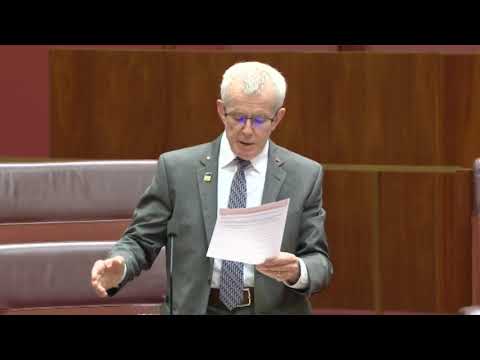
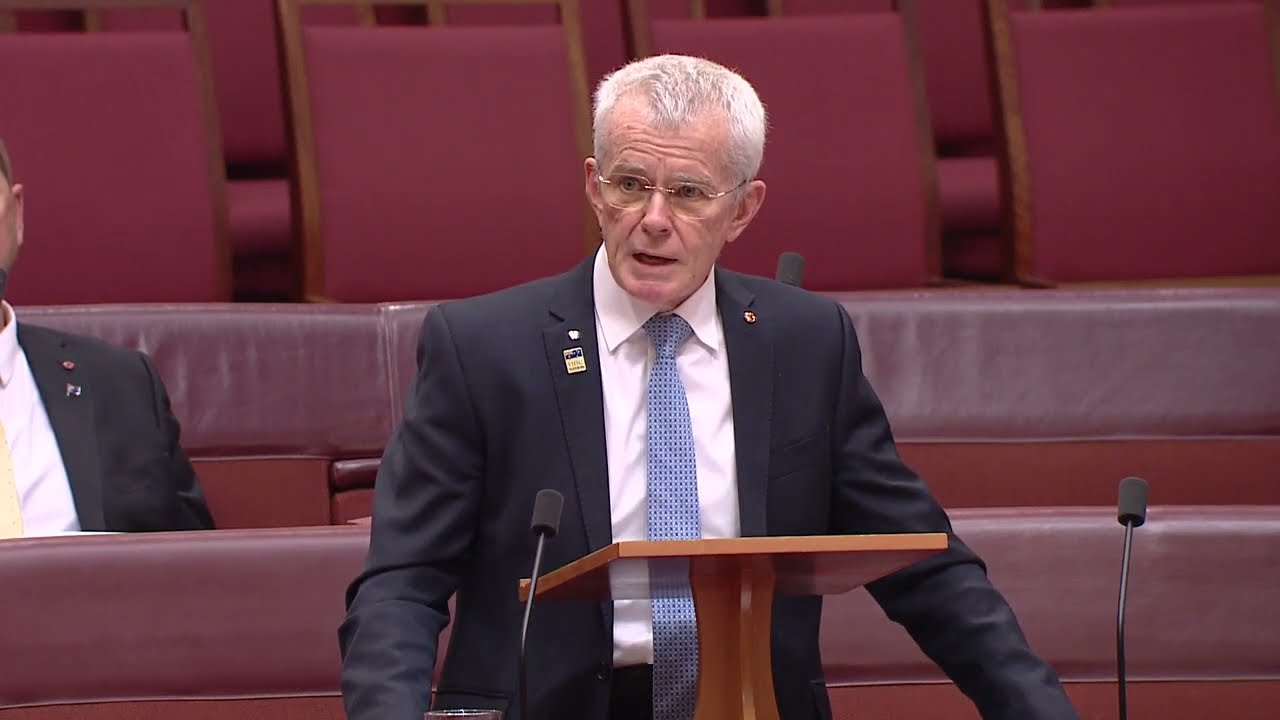
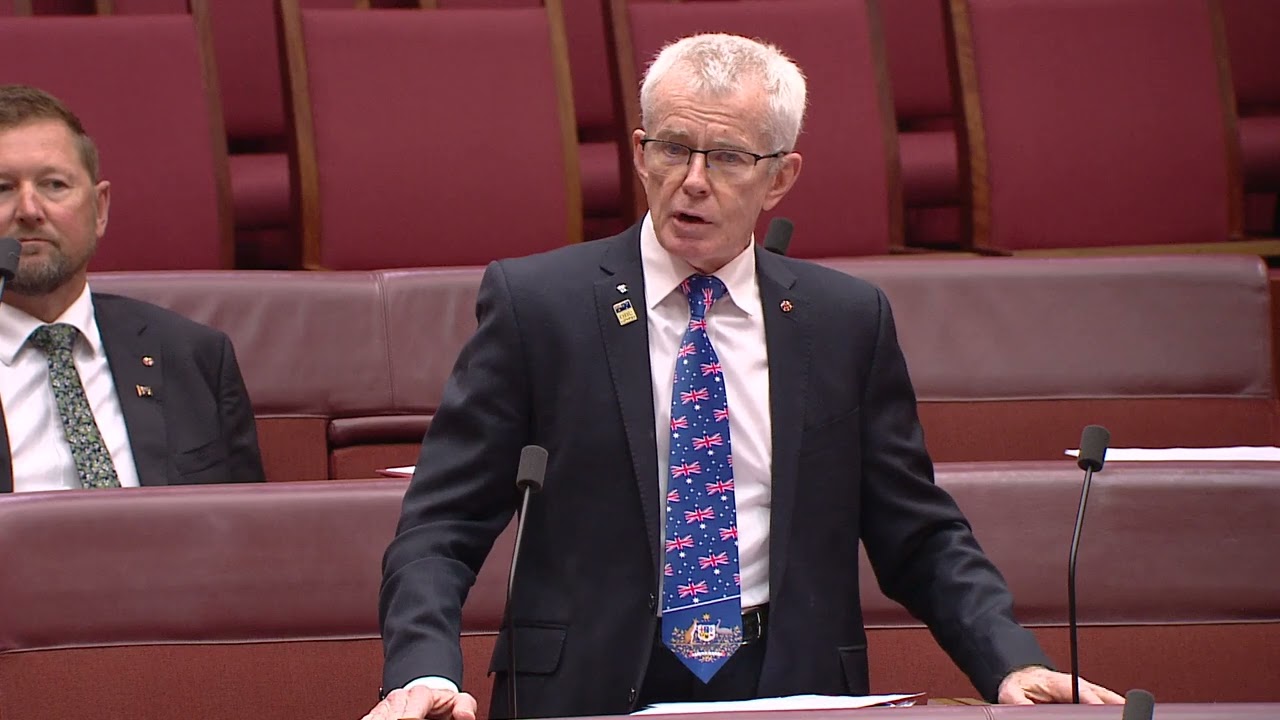
Senator ROBERTS: My questions are about the citizenship back door between New Zealand and Australia. Changes made by the Albanese government in July 2023 allowed New Zealand citizens who have lived here for four years to become Australian citizens without having to first become permanent residents. Is that correct?
Mr Layton: Technically, that is correct. The 444 visa is categorised as a temporary visa. The 444 visa holders have, since that time, become eligible for citizenship.
Senator ROBERTS: And a New Zealand citizen can come here without a visa and automatically qualify for a subclass 444 visa—that’s correct?
Mr Layton: No, that’s not correct. The 444 visa is applied, upon arrival, to a New Zealander. So they obtain that when they arrive in Australia.
Senator ROBERTS: Basically that’s the same as a permanent visa? Mr Willard: It’s a temporary visa, the 444.
Senator ROBERTS: Is it effectively a permanent visa—they can stay?
Mr Willard: They can stay indefinitely, but it’s classified as a temporary visa.
Senator ROBERTS: I don’t know why that’s the case, but let’s leave that. They can stay indefinitely. They arrive and get a 444 visa to stay indefinitely. Then, after four years, they can get citizenship without getting a permanent visa—straight from subclass 444 to citizenship. Is that correct? Mr Layton: Technically, that’s correct.
Senator ROBERTS: Then aren’t we really just relying on New Zealand having the same standards for citizenship as Australia?
Ms Foster: This was a government policy decision. We are responsible for giving effect to it.
Senator Watt: It’s worth recognising that many if not most of those New Zealand citizens who are gaining Australian citizenship have spent many years in Australia working and paying taxes.
Senator ROBERTS: I recognise that. I’ll go on. Do they in New Zealand, though—you may become a citizen in New Zealand if you’ve been there five years, can hold a conversation in English and are of good character proven with a police check. Summary offences don’t take away your good character. That’s the bar these people are using to become Australian citizens. Yes, some Kiwis are here for 20 years. It’s annoying that they don’t become citizens, but there are certain loopholes. There are certain benefits of not becoming citizens. I’m talking about people who use this as an easy entry. It is why New Zealand is now the No. 1 source of Australian citizens in the two-year period from 1 July 2023 to 30 June 2025. Isn’t it an easy back door? Someone who’s come to New Zealand can come straight here.
Ms Foster: Again, I think you’re asking us for an opinion. We can give you facts about the system, but we can’t comment on assertions of that nature.
Senator ROBERTS: They can do that, can’t they? I’m not asking for your opinion. They can do that. Ms Foster: Technically, someone can, as the officers have said, come to Australia on a 444 visa, and, after four years, they can apply for citizenship.
Mr Sharp: They would have had to have met the time threshold in New Zealand to acquire New Zealand citizenship as well.
Senator ROBERTS: But that’s at a very low threshold, a low bar. In that period from 1 July 2023 to 30 June 2025, 48 per cent of New Zealanders who are now Australian citizens were not born in New Zealand. They came into New Zealand from overseas. That’s a backdoor entry to Australian citizenship with a much lower bar because they had to meet the threshold for New Zealand, which is lower than Australian citizenship. That’s a much lower bar than people moving here directly and following the rules in Australia to citizenship, including passing what is called our 100-point test with at least a score of 65. This New Zealand back door is way easier than getting 65 on the 100-point test. For clarity, children don’t generally need to pass citizenship tests. Can you clarify that rule by age please. What’s the age threshold?
Mr Willard: It’s 18.
Senator ROBERTS: Do you understand the position that offering this pathway to people from foreign countries to come in through the back door in New Zealand without passing the points test is a slap in the face for those who have come here fairly, waited, worked, studied and done the right thing but can’t get citizenship because this government wrote in a backdoor way for no obvious reason? Can you understand that?
Ms Foster: We can’t comment on opinions of that nature.
Senator Watt: I have to say, I think it’s pretty insulting to a lot of New Zealand citizens who become Australian citizens to talk about them coming through a back door.
Senator ROBERTS: I’m talking about people who come into New Zealand, meet the lower threshold in New Zealand and come here. That’s who I’m talking about, Senator Watt. I’m surprised you can’t work that out. If this was about working with our neighbour New Zealand, why wasn’t there a provision for the pathway to be open only to New Zealand-born people rather than a deliberately set up back door to let in people that couldn’t pass a points test? What was the reason for that?
Mr Layton: The policy and the parameters around that are a matter for government.
Senator ROBERTS: Minister?
Senator Watt: I’m trying to remember the reason the government made that change in our first term. My recollection is that it was partly in recognition that, because of a change that had been made by the Howard government, there was a very large number of New Zealand citizens who had lived in Australia and worked, paid taxes and contributed to the community in a range of ways but, despite having lived here for such a very long time, were unable to get Australian citizenship, because of rules the Howard government imposed. That, in our view, was not fair. I remember that being at least one of the motivations for changing the policy.
Senator ROBERTS: I’ve got no problem with that. What I’m talking about is people who come to New Zealand, quickly meet the lower threshold for citizenship there and come here and automatically get citizenship.
Senator Watt: I’m not sure that people who, as you say, move to New Zealand and then move to Australia are necessarily of ‘low standard’. That’s what you’re implying in your question.
CHAIR: Senator Roberts, I would also suggest that the New Zealand citizenship process is not a matter for Home Affairs.
Senator ROBERTS: No, it’s about using that threshold for people who are new to New Zealand. How many citizenships have been awarded to people who haven’t passed the points test under any circumstances?
Mr Layton: Sorry, the points test?
Senator ROBERTS: The Australian citizenship points test.
Ms Sharp: The points test is one way somebody can gain a permanent residency in Australia, but not every person who gains permanent residency in Australia comes in as a points tested migrant.
Senator ROBERTS: How many do?
Senator SHOEBRIDGE: They fall in love with someone!
Senator ROBERTS: How many come in without passing the points test?
Mr Willard: I would have to take that on notice. I would note that there are also employer sponsored migrants. There are many different types of permanent residents.
Senator ROBERTS: Thank you. According to an article: It has also prompted New Zealand Foreign Minister Winston Peters to flag concerns his country is being used as a stepping stone by migrants wanting to come to Australia, and that the trend will further accelerate under an easing of its own migration rules which will grant residency in just 18 months for some workers. Those numbers, combined with the recent rise in New Zealanders moving to Australia, have raised doubts about Australia’s ability to meet a planned slowdown in migration— He doubts whether you’re going to slow down— as well as concerns it is robbing New Zealand of both its professional and low-skilled workforce.
Senator Watt: For starters, migration numbers in Australia have significantly fallen over the last couple of years.
Senator ROBERTS: Compared to when? What’s the baseline?
Senator Watt: Compared to the surge that we saw after COVID.
Senator ROBERTS: You mean the surge in 2023-24?
CHAIR: Senator Roberts, please let the minister finish.
Senator Watt: Yes. That was the surge that happened after COVID.
Senator ROBERTS: Your surge, where you went from 500,000 to 750,000.
Senator Watt: No, the surge that followed COVID.
CHAIR: Senator Roberts, we have been very orderly throughout today, and you are usually pretty good at not interjecting. I would ask that you maintain that order and allow the minister to respond, please.
Senator Watt: Here are a couple of other facts about this situation. I think we’ve already heard that the process that now applies still requires someone who has moved to New Zealand and gained New Zealand citizenship to have that for five years—so they spend five years in New Zealand and then four years in Australia. If you want to characterise that as a back door, that’s a pretty slow back door. Second, you’ve been asking questions about the points test. Any person who wants to get Australian citizenship still needs to meet the character and identification requirements and pass the security tests as well. As I said earlier, I think it’s a bit insulting to be suggesting these people are running through a back door and are of low standard. That’s what you’re suggesting.
Senator SHOEBRIDGE: There’s a bloody long garden path leading to that back door.
Senator ROBERTS: I’ve worked and lived in New Zealand, turning around a business there for 12 months. They’re wonderful people. But Winston Peters is concerned that their immigration system is being used for quick entry into New Zealand to go to Australia.
Senator Watt: That’s a question for New Zealand to address.
Senator ROBERTS: It’s also a question for Australia to address, and that’s what I’m doing on behalf of the taxpayers. Minister, I agree with you on one point: mass immigration was started by John Howard’s government. It was pretty much doubled since then in Scott Morrison’s government, and then you tripled it in the early days of 2023-24. Senator Watt: What’s NOM stand for?
Ms Foster: Net overseas migration.
Senator Watt: Actually, net overseas migration has fallen by 45 per cent over the last 12 or 18 months. I can get you the exact timeframe.
Senator ROBERTS: You had two very high years, a low year and now a very high year again.
Senator Watt: Yes, after COVID.
Senator ROBERTS: You’re playing with numbers.
Senator Watt: It’s another one of those ones. We’re never going to convince you.
CHAIR: Senator Roberts, have you got a question?
Senator ROBERTS: I go by the data.
Senator Watt: During COVID, migration crashed. After COVID—
Senator ROBERTS: Correct.
Senator Watt: lots of people came home. Migration rose. We have now reduced NOM by about 45 per cent by—
Senator ROBERTS: That’s misleading, Minister, because—
Senator Watt: No; it’s actually called facts.
Senator ROBERTS: it increased dramatically under Morrison to re-establish what he thought were the right numbers of migration. Then you almost doubled it, then you decreased it slightly, and now you’re doubling it again.
Senator Watt: So we should have told all those Australians who wanted to come home after COVID that they weren’t allowed home?
Senator ROBERTS: No, not at all. I’m talking about immigrant—
CHAIR: Can I interject for a second here—
Senator ROBERTS: Mass immigration—mass immigration.
CHAIR: Senator Roberts, I am not hearing any questions from you. Can I take it you have finished this line of questions?
Senator ROBERTS: Yes, you can.









As someone born in NZ seven decades ago, I knew about this sort of thing 50 yeasrs ago. Samoans would enter Australia and would self-describe as Maori. Then there were the Fijian Indians ,booted out of Fiji , they ended up in New Zealand and thus came to Australia. I have met Afghans and Pakistanis who have all entered NZ , claiming refugee status then come here. One lot claimed to be Pakistani nationals fleeing oppression but are Afghan Hazara. Six families in fact.
You did well by pushing back on the NZ back door visa 444.I believe that a lot of migrants go via NZ to get to Australia and obtain an Australian Citizenship. We need to protect our Border