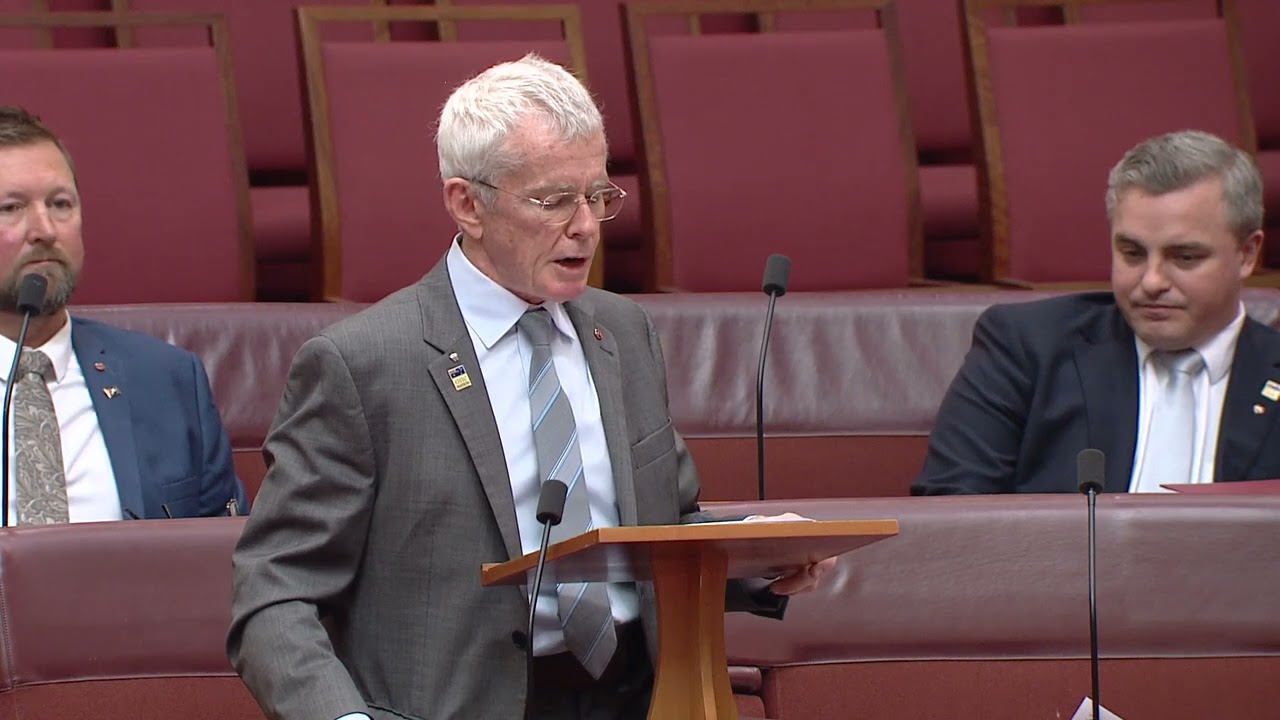
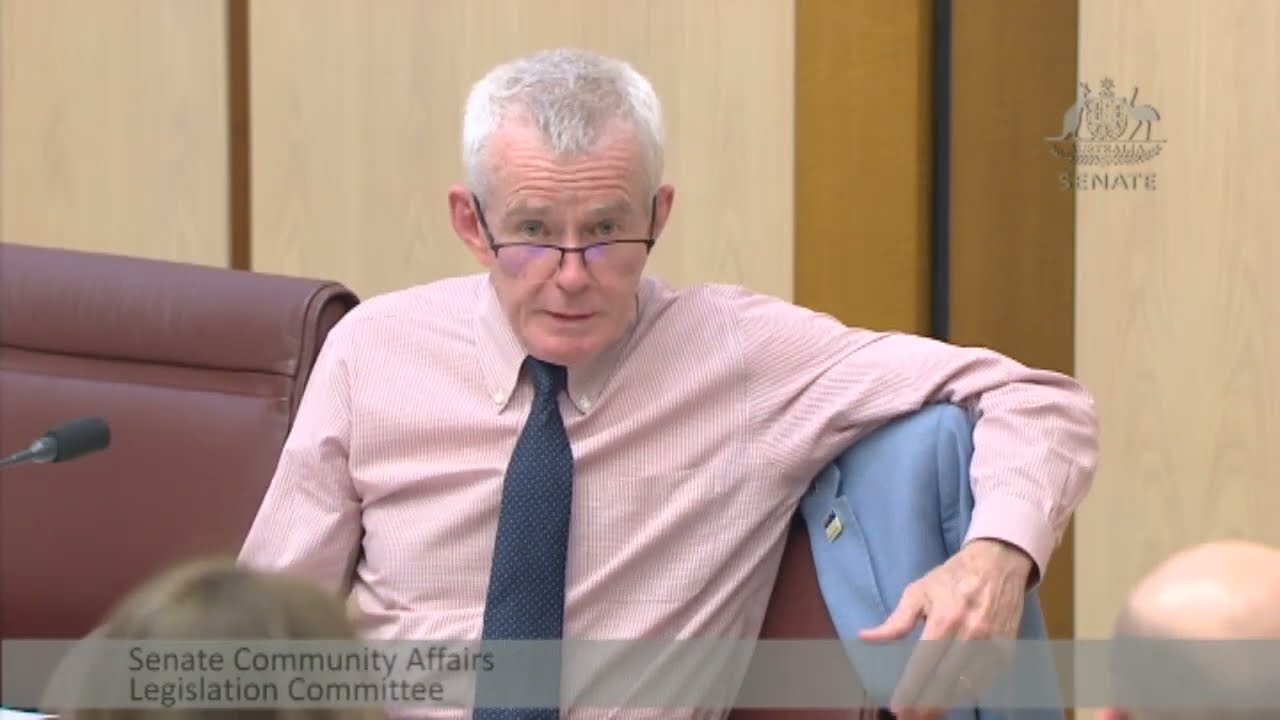
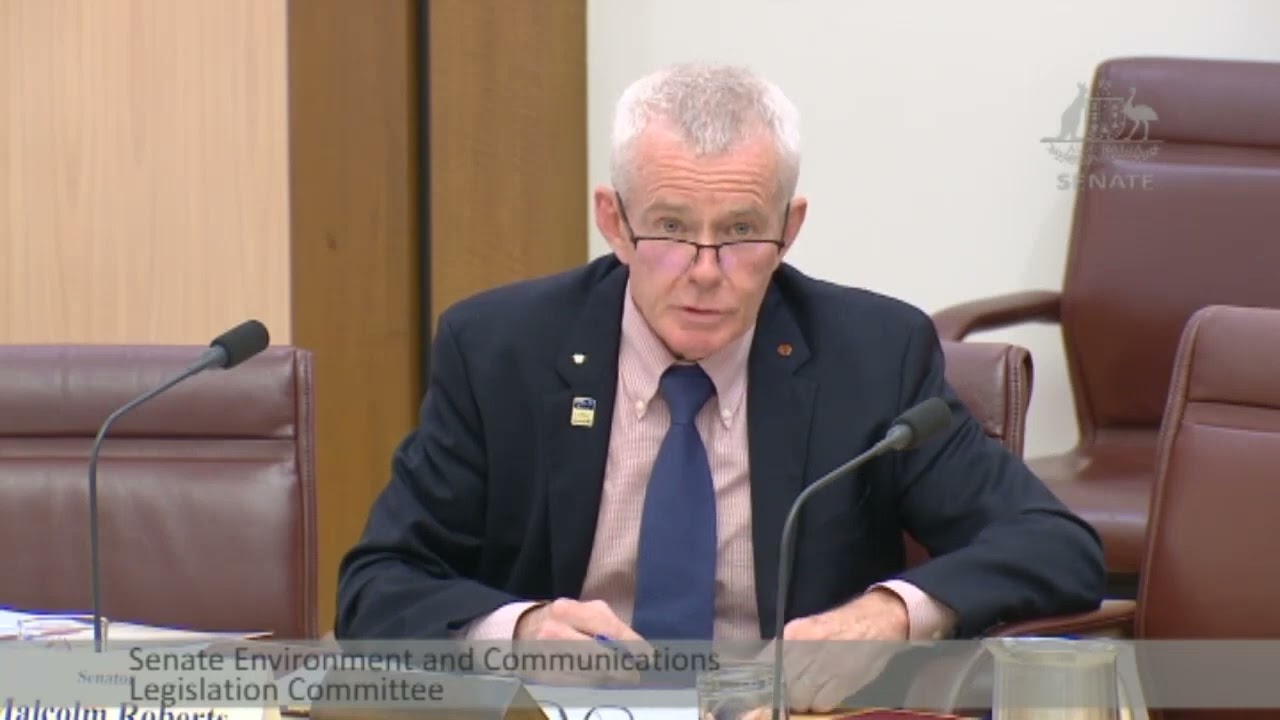
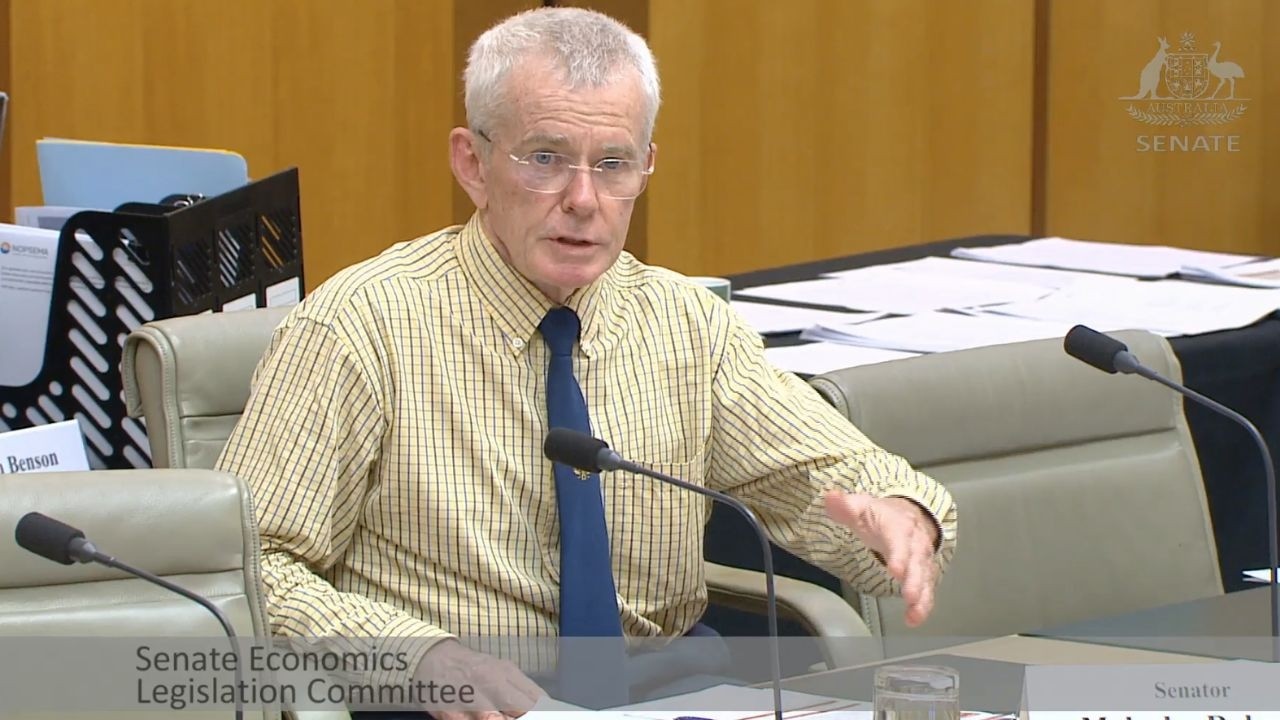
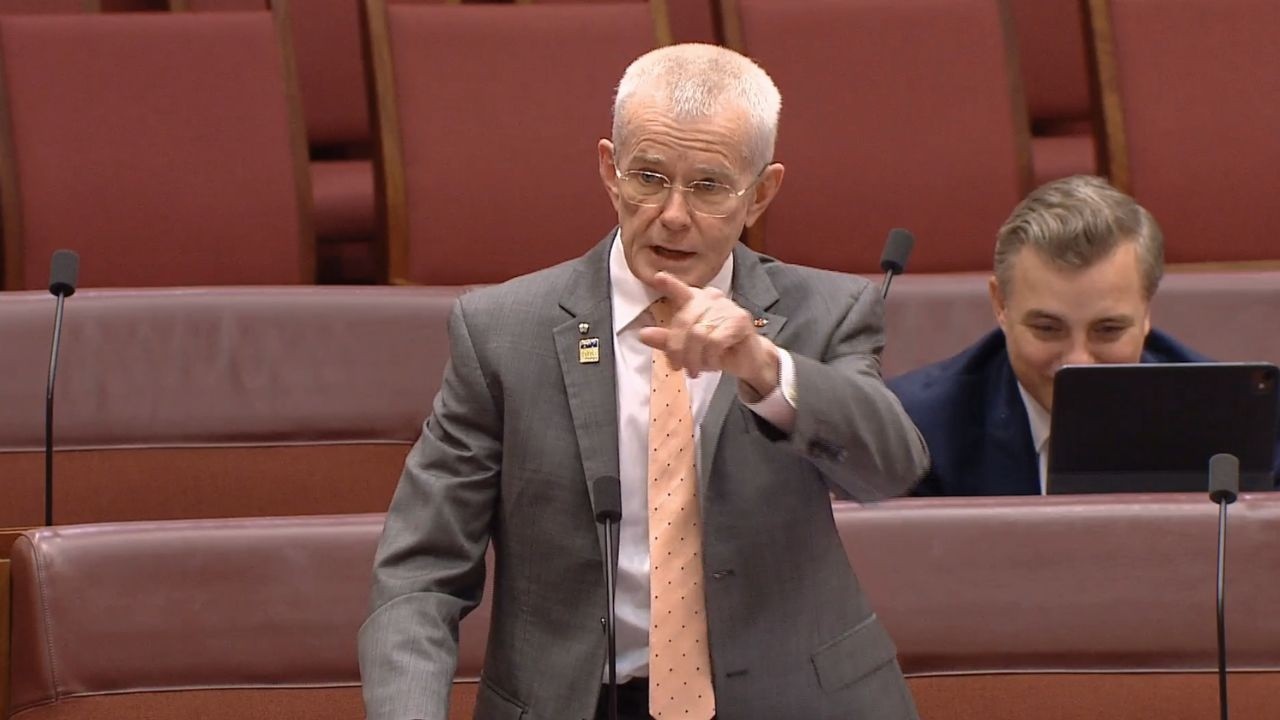
I questioned the National Health and Medical Research Council (NHMRC) on why taxpayers are funding a new $5 million vaccine-adjuvant research centre when Australians still haven’t been given clear answers about the safety of existing adjuvants.
Their written response to my questions confirmed the project was funded simply because peer reviewers ranked it highly, saying that “there are only seven adjuvants used in license vaccines which limits the choice” and the NHMRC’s Centres of Research Excellence aims to “discover novel adjuvants to improve vaccine development.”
That’s not oversight – that’s the NHMRC waving through millions without addressing the real issues.
I asked directly whether concerns about aluminum-based adjuvants or neurological conditions played any role and they couldn’t give me an answer.
I also confirmed that any new vaccine technology developed with Australian taxpayer money WILL NOT be owned by Australians.
This is simply not good enough.
Taxpayers should not be funding research that lines the pockets of big pharmaceutical companies. Any intellectual property generated through these grants must belong to the taxpayers. Handing over valuable IP to entities to monetise at our expense provides zero return to the taxpayers.
This has to stop!
For a billion-dollar grant body, Australians deserve better than vague justifications and no clear outcomes.
Australians deserve accountability that matches the scale of the spending.
— February | Senate Estimates
Transcript
Senator ROBERTS: Could I turn to the National Health and Medical Research Council, please. In 2025, the National Health and Medical Research Council funded the Vaccine Adjuvant Discovery and Development Centre of Research Excellence—CRE—led by Professor Katherine Andrews at Griffith University, with $5 million as part of a $72 million CRE package. This grant focuses on discovering new adjuvants to enhance vaccine efficacy, safety and related purposes. First question: Why do we need new adjuvants? What’s wrong with the existing adjuvants?
Prof. Wesselingh: We assess grants through a peer review process. Through that process, we utilise experts from around Australia to assess all of the grants that come to us—whether it’s for a centre of research excellence, an investigator grant or an ideas grant. The way that CRE would’ve been assessed would’ve been through that peer review process. Through that peer review process, they would’ve been elevated to the top of that scheme and would’ve been funded on the basis of their peers indicating that this was high-quality research that was likely to have a significant impact on health in Australia. We would take that on board; therefore, if they were ranked accordingly, we would fund them.
Senator ROBERTS: So you don’t know the reasons why their peers elevated it to No. 1?
Prof. Wesselingh: I would have to go back and look at all of the assessments by those peers. Obviously, I don’t have that directly in front of me at the moment.
Senator ROBERTS: Could you do that on notice, please? We’d like to know why that research was approved, why we need new adjuvants, and what’s wrong with the existing adjuvants?
Prof. Wesselingh: I’m very happy to look back at the peer review. But what I can guarantee you is that they would have been regarded as excellent research likely to produce significant impact.
Senator ROBERTS: I’d like to know what they are.
Prof. Wesselingh: Sure.
Senator ROBERTS: Thank you. Adjuvants and vaccines are there to enhance the body’s immune response to the antigen. Common adjuvants include aluminium hydroxide, aluminium phosphate, amorphous aluminium hydroxyphosphate sulphate and potassium aluminium sulphate. These have been widely linked to neurological conditions spontaneously occurring after vaccination. Is this program an admission that there might be a level of truth to the link between aluminium in vaccines and autism? I guess you wouldn’t know, because you don’t know the—
Prof. Wesselingh: So you’re asking us if the fact that we funded the CRE is an admission? We, again, funded the CRE on the basis of the scores that the CRE obtained. Those scores would indicate the quality of the science and the likelihood of obtaining high-quality evidence to improve the health of Australians.
Senator ROBERTS: Right, and you’re going to find the reason anyway, so perhaps you could check if there is any aspect of truth to the link between aluminium in vaccines and autism as part of the reasons for developing a new adjuvant?
Prof. Wesselingh: We can certainly look at the arguments that the CRE made and the peer review of that CRE.
Senator ROBERTS: Thank you. If research is successful and you find an effective adjuvant that is not neurotoxic, who will own the intellectual property the taxpayers just funded?
Prof. Wesselingh: The way our granting system works is that the intellectual property developed by—the people who get the grants from us, which are normally medical research institutes or universities or members of those organisations, own the intellectual property. So the intellectual property would be assigned according to a university’s intellectual property rules or a medical research institute’s rules. I’m not sure, with that CRE, where they were.
Senator ROBERTS: A $5 million synergy grant was awarded in 2024 to a multi-institutional team, including Monash University, to optimise vaccines for respiratory viruses, like influenza and RSV. This includes evaluating safety profiles to improve protection while minimising risks. If that develops new technology which achieves that objective, who will own that IP?
Prof. Wesselingh: Again, the IP would be organised according to the rules developed by the organisations as part of that synergy grant. Synergy grants tend to have a number of organisations from around Australia, so I imagine there are multiple universities and MRIs involved in that synergy grant, and they will have developed an IP policy and the IP will be owned according to that policy.
Senator ROBERTS: But not by the Australian government?
Prof. Wesselingh: Not by NHMRC or by the government.
Senator ROBERTS: We’re very concerned about the level of spending in this government. Professor Bette Liu from the National Centre for Immunisation Research and Surveillance received a $2.79 million investigator grant in 2024 to study adult vaccination programs. This explicitly includes assessing vaccine safety, identifying risks in high-risk groups and informing safer program designs. What was the outcome of that grant?
Prof. Wesselingh: Again, if I knew the outcomes of all of the grants that I fund—we fund a billion dollars worth of grants every year—I think I’d be pretty good. I can’t tell you the outcome of that grant, but we can take that on notice.
Senator ROBERTS: But you still think you’re pretty good?
Prof. Wesselingh: Do I think I’m personally pretty good or the NHMRC is very good?
Senator ROBERTS: Both! Okay, thank you very much.