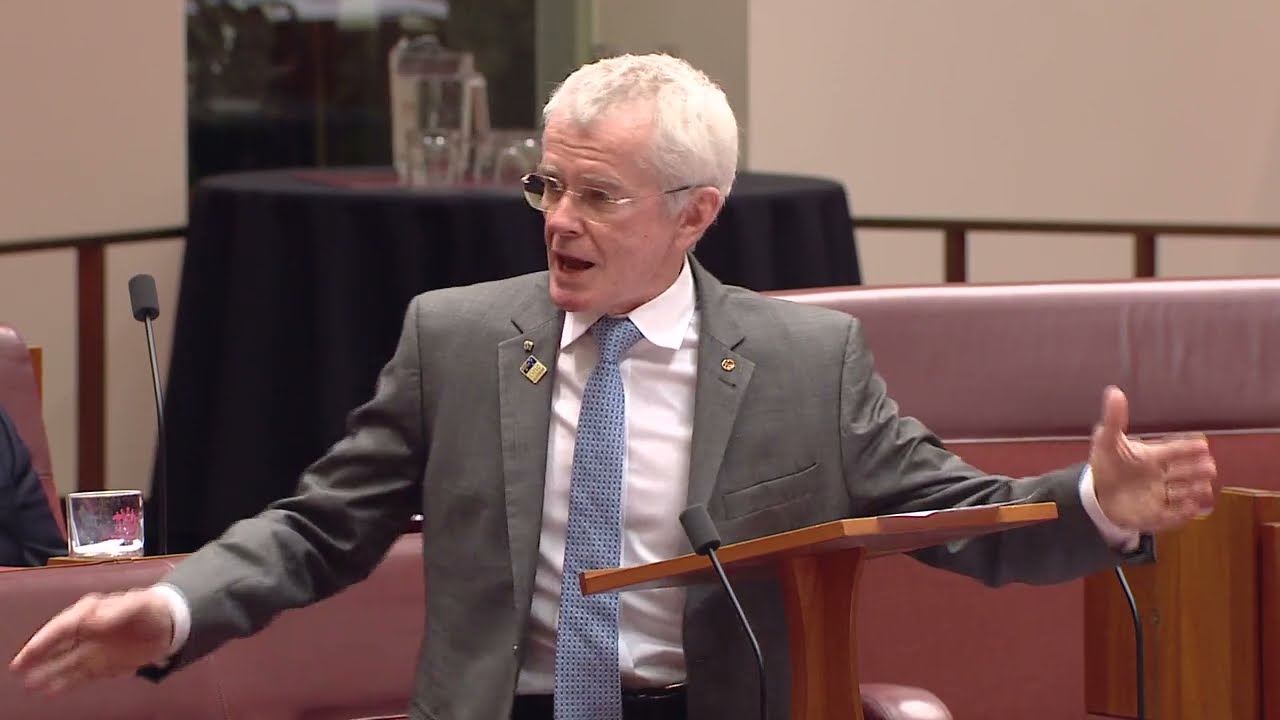
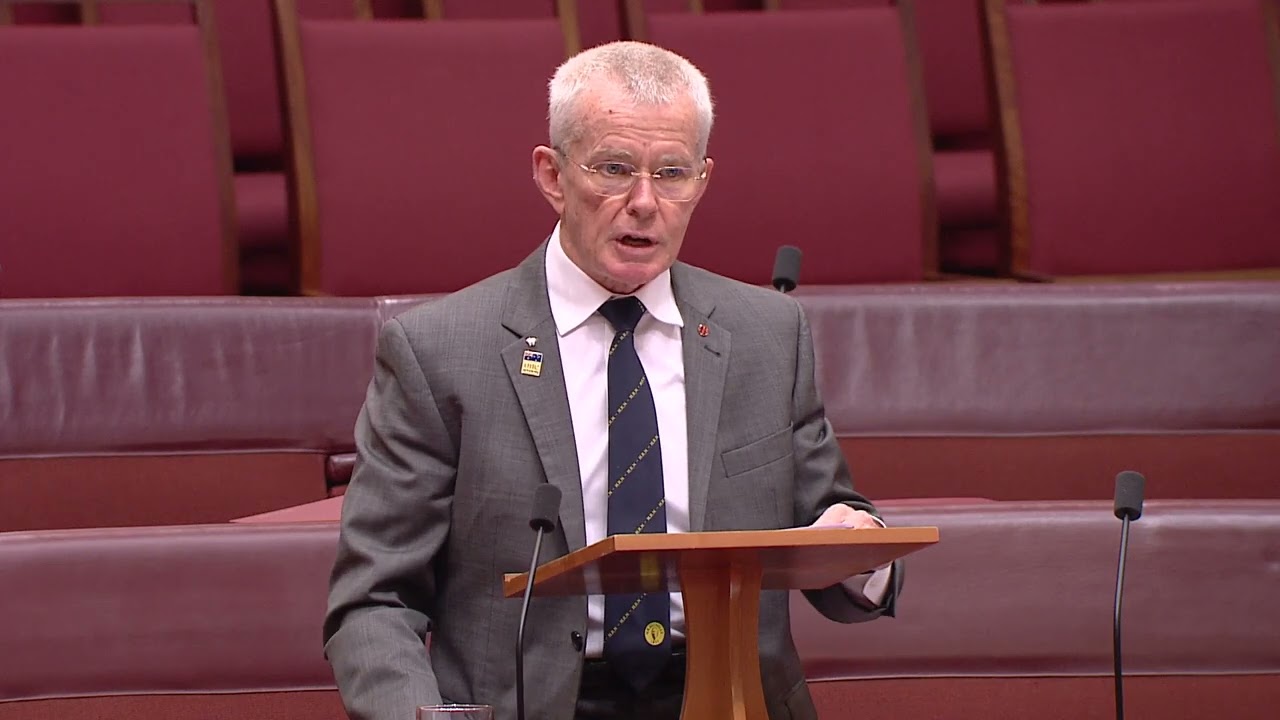
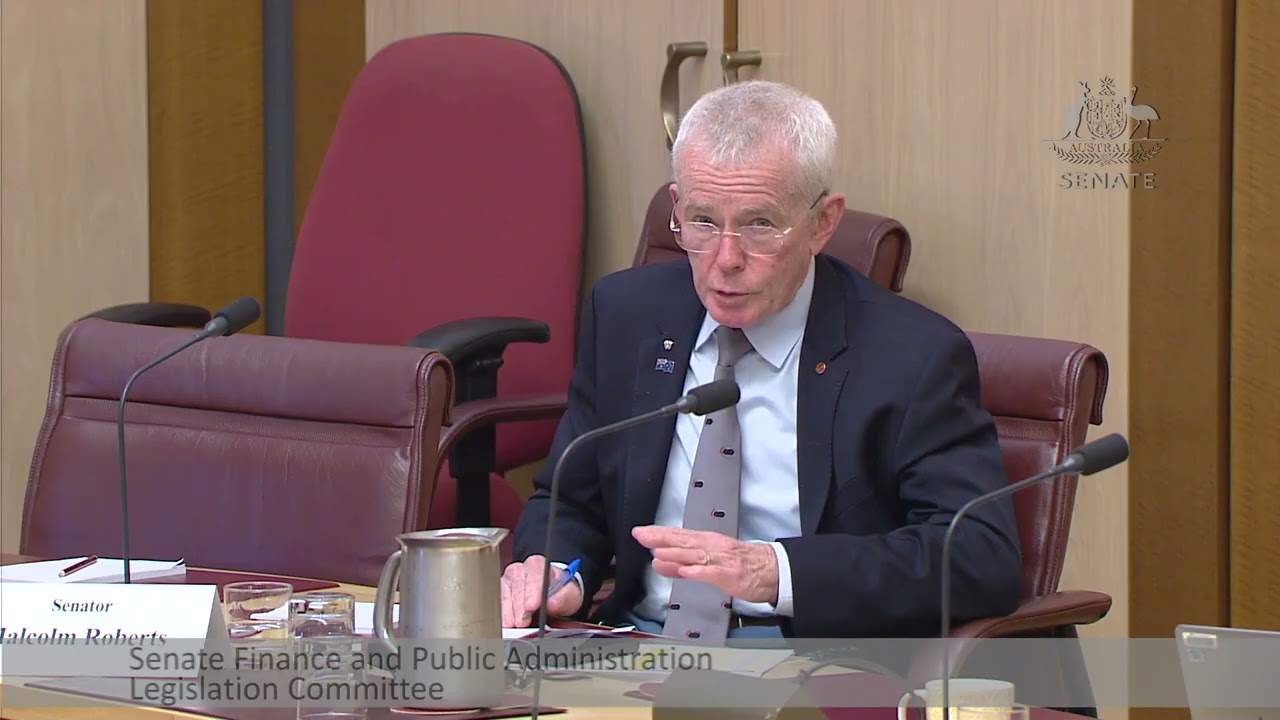
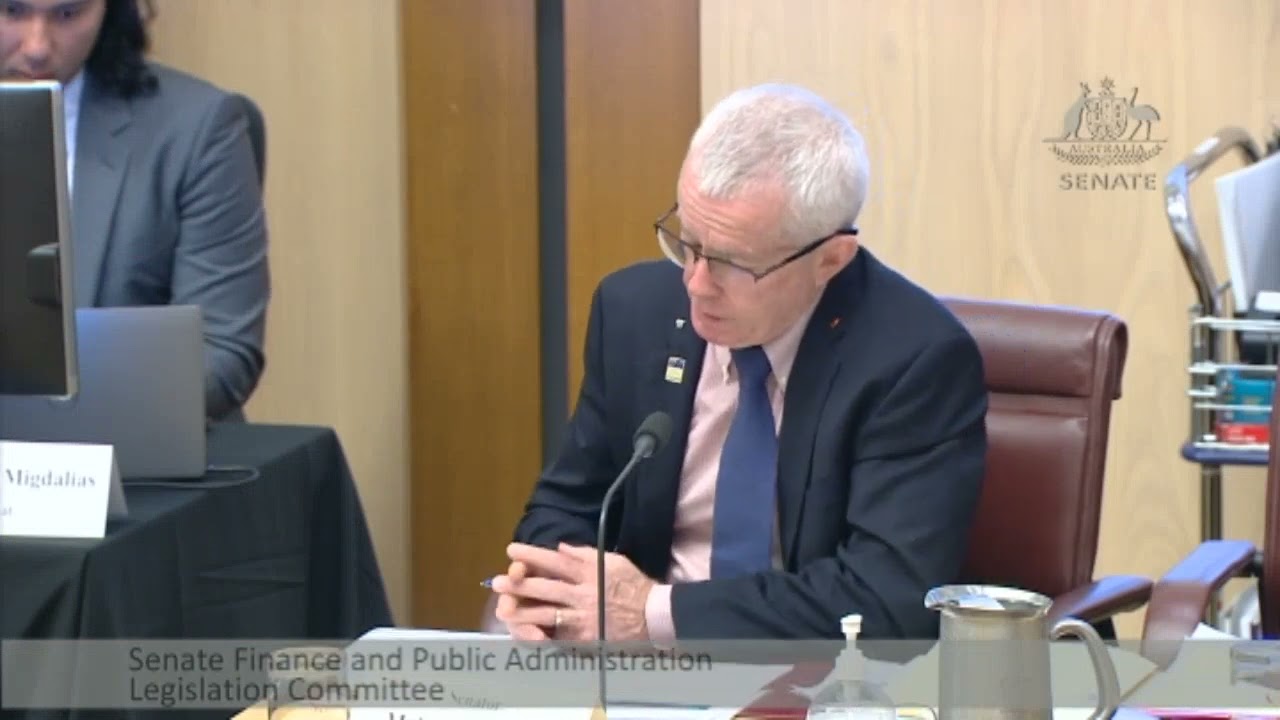
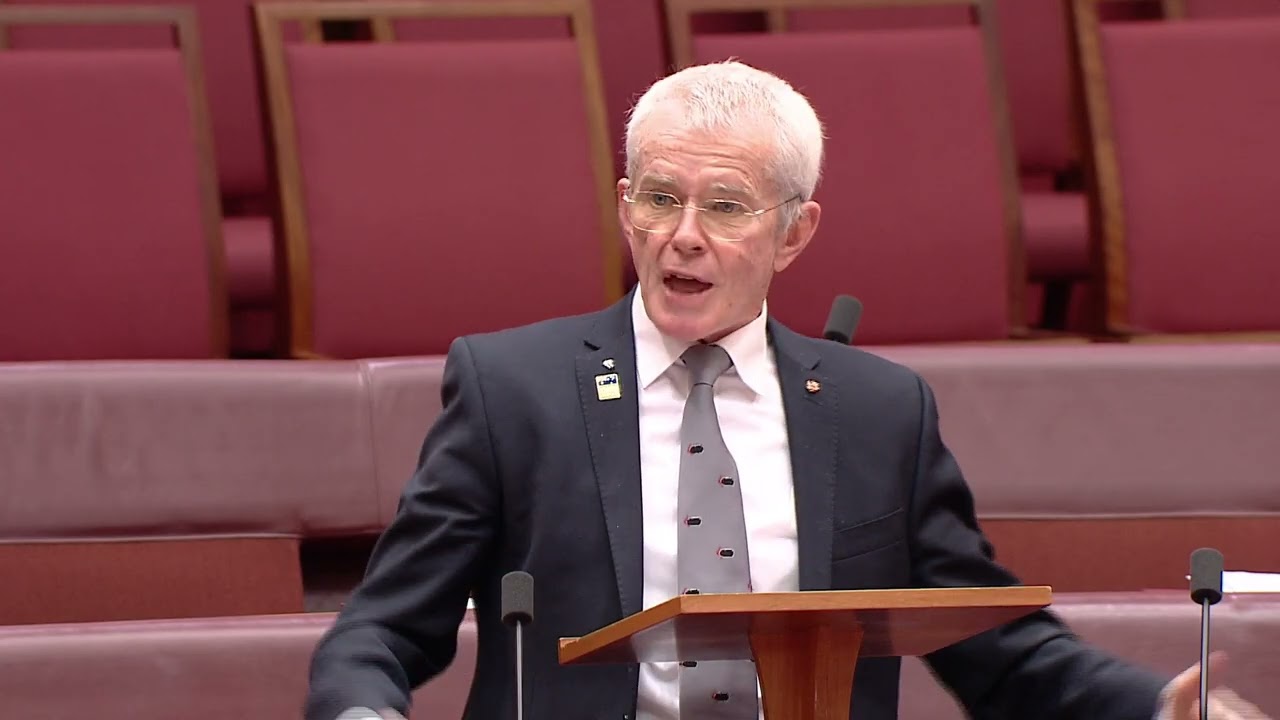
I seemed to upset my colleagues when I questioned why the Australian Research Council is spending close to a billion dollars a year on grants that taxpayers would struggle to see any value in.
ARC leadership repeatedly hid behind “peer review processes”, refusing to justify cost-benefit while signing off on a $889,275 grant for an Arab/Muslim Australian social movements study, and another $322,213 grant that produced a commercial sold book Coming of Age in War on Terror.
While I respect independent review processes, the real issue is being ignored.
How is this supposedly “world-class system” allowing taxpayer money to be poured into niche ideological research with no demonstrated benefit to the people footing the bill?
The problem isn’t that research exists – it’s why taxpayers are being forced to fund it.
— February | Senate Estimates
Transcript
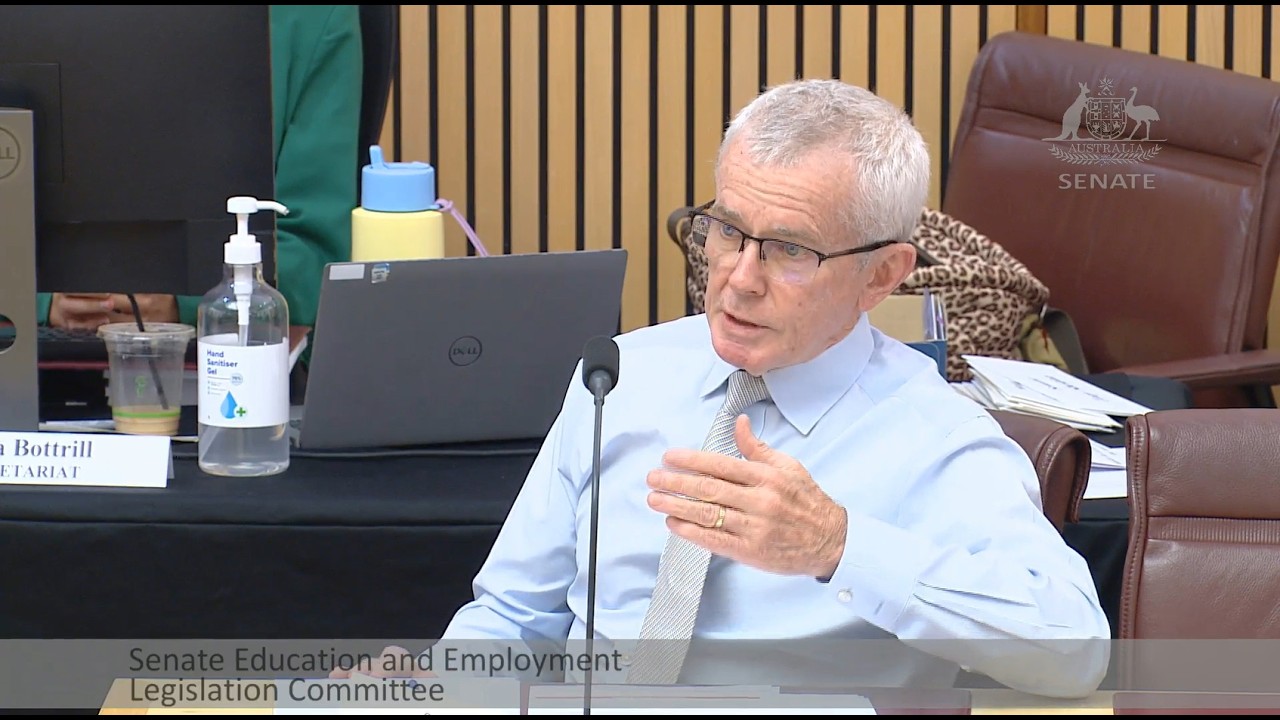
Senator ROBERTS: Thank you, Chair, and thank you for appearing tonight. Good evening. I have here grant reference FT220100427 for beneficiary Dr Randa Abdel-Fattah, covering the period from 2022 to 2027, with a grant amount $802,000, since increased to $889,275. The purpose of this very large grant—inter alia—is: Arab/Muslim Australian Social Movements since the 1970s: a hidden history … aims to recover previously untapped oral histories and rare archival collections of Arab/Muslim Australian activists … Who have struggled against external systems and internal conflicts to build a socially just future … include a greater understanding of the transformative activism of communities whose movement work is often relegated to the margins. This is what you’re spending taxpayer money on. What is the cost benefit of this study sufficient to justify an almost $900,000 price tag?
Senator FARUQI: Why do you hate Muslims, Malcolm?
Senator ROBERTS: I don’t; we have some in this party.
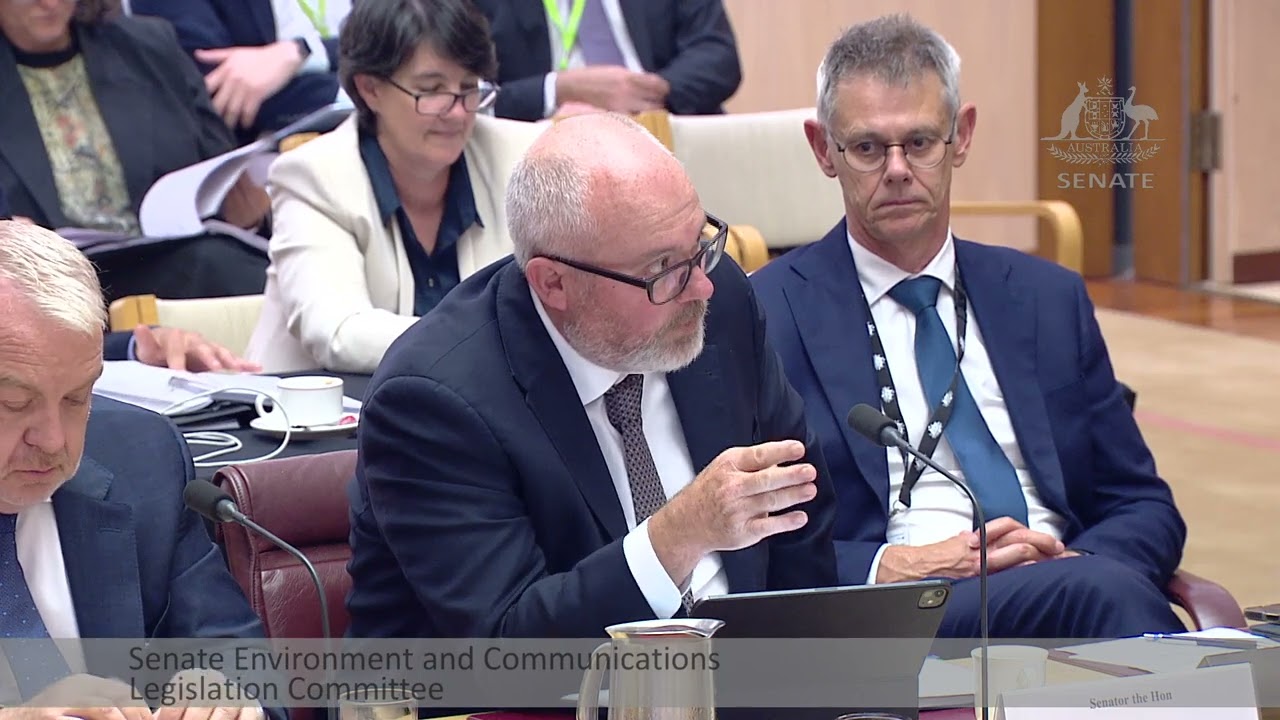
Prof. Shergold: Let me answer that question and I’m happy to do so because the key change to the ARC legislation, as you will be aware, is that, at this stage—in most instances, not all—it is the ARC and board which make the decision on grants and not the minister. So the minister is clearly at arm’s length. Now, what do you do if you’re on a board and you are trying to make sure that you use public funds for the best purposes available for projects that are deemed by universities to be in the national interest? If you look at the number of applications that come forward, you’ll start to understand what a challenge it is. I think last year—I’m looking for the numbers—there was something about 4,000 applications.
Senator ROBERTS: Is this getting to the answer of my question?
Prof. Shergold: I am going to get there, because I want you to share my pain. We’ve got 4,000 applications and about, give or take, 25 per cent are accepted. It is quite unrealistic and very bad governance to imagine I and the board members sit down and look at 4,000 applications, even as well as presented as you’ve just done with this one, and say yes or no. How do you do it? You try and make sure you have the very best world-class system, which is a peer-review process. The role of myself, the role of the board, isn’t to go through and second-guess those expert peer reviewers in the decisions they make. My role—an important one; I feel a burden of responsibility—is to make sure that the processes that are being used are best practice in peer review and are done with honesty.
Senator ROBERTS: Is there a cost benefit?
Prof. Shergold: This was a proposal that came forward out of about was about 1,200, give or take, that were accepted last year.
Senator ROBERTS: So you can’t tell me—
Prof. Shergold: What I can tell you is we are using the best peer-review processes that we have available. It was thought by members of college of experts and then by disciplinary experts that this would be an important and innovative and, no doubt, provocative piece of research.
Senator ROBERTS: But you can’t tell me the cost benefit.
Prof. Shergold: Well, I tell you what I can do. I can tell you the cost benefit as assessed of the ARC grants overall, which we had undertaken a few years ago—
Senator ROBERTS: Is that for this grant?
Prof. Shergold: which gave a return on all our grants of about I think $3.20 on the dollar, something like that.
Senator ROBERTS: I’ll move on. This isn’t your first grant to the doctor. There was also grant DP110101249 titled ‘Youth in the digital age: Being young and Muslim in Australia’ for $322,213 covering 2018 to 2021. Now my question is: why didn’t you use the correct name of the project, which was: ‘”Trust, Politics, and Fear: ‘Generation 9/11’ Muslim and Non-Muslim youth compared”‘?
Prof. Shergold: Well, it wasn’t my piece of research.
Senator ROBERTS: This grant allowed the doctor to write a book titled Coming of Age in the War on Terror, published by Allen and Unwin. Why are you funding this person to write a book which she sold commercially and for which the doctor most likely received payment? Did she?
Prof. Shergold: I have no idea—
Senator ROBERTS: That is what bothers me.
Prof. Shergold: if she received payment from that. But I am delighted overall when pieces of research that we fund end up in books or articles. I think that was a good use of money.
Senator ROBERTS: Minister, this is socialising costs and privatising profits. Why is the Australian Research Council allowed to use taxpayer money to provide a commercial benefit to their friends in academia—paid to write the book, paid to sell the book? This seems to be a great scam going on here for academia.
Prof. Shergold: Well, in answering the question, and you were frustrated at the delay, the one thing I did show is how this is a best-practice peer-review process, and to identify that as a scam is probably stretching it somewhat.
Senator ROBERTS: Minister, why is the ARC allowed to do this—socialise costs and privatise benefits?
Senator Walsh: The ARC’s role in the process is through its independent and expert board to use the process of peer review that Professor Shergold spoke about to be responsible for the approval of grants and fellowships and so on. That’s the ARC’s role and they rely on independent peer review to discharge their obligations. I think you’re asking questions about academics then publishing books after they have conducted research which may be funded by the ARC or may be supported in other ways. I think that publishing opportunity is just a part of higher education; it is standard procedure.
Senator ROBERTS: Minister, you have been funding this person continuously since 2018. Dr Randa Abdel Fattah is a radical Islamic activist who just participated in the figurative ‘burning down’ of the Adelaide Writers Festival. Is this grant nothing more than the ARC funding Islamic activism?
Prof. Shergold: I won’t repeat the process which the minister has described well. I will say we have a college of experts carefully selected who do a first assessment. We then have detailed assessments from over 20,000 assessors from Australia and around the world that then assess each of those pieces of research. And roughly about 25 per cent of them manage to make the cut. I wish I could fund more. There are many more good projects you could, but that’s the truth. There is a process. I can’t possibly step in and start to overrule decisions of that process on the basis that I don’t like particularly the political advocacy that someone does. I’ve got to make sure on your behalf that that process is being used as well as it possibly can be to make sure that decisions are being made fairly, honestly, transparently and in the national interest.
Senator ROBERTS: They’re nice words. But I’d leave this to the taxpayers to decide. The doctor has now organised an alternative event to the Adelaide Writers Festival, which, by all reports, is designed to exclude people of a certain faith or belief. Minister, I keep on hearing about social cohesion and yet this grant has gone to a person who is attacking social cohesion to advance Islamic propaganda. Why is your grants program encouraging social conflict?
Senator Walsh: There are a lot of incorrect premises there about the role of the ARC and the grants process and the investigation that was undertaken by Macquarie University. Essentially, Professor Shergold has already gone through that process. To go over it again, briefly, the minister wrote to the ARC and, I think, to Professor Shergold and asked the ARC to look into this particular grant to the doctor and make sure that the grant was being appropriately used. The way that works is that it’s the university that receives the grant that is then tasked with doing the investigation. Macquarie University appointed academic experts to conduct the review. The review investigated whether the grant funding was being used for its intended purpose. During that process, the funding was suspended. The process concluded and the grant was reinstated. It was reinstated, as I understand it, because there was no evidence that there was an inappropriate acquittal of public funds. So that’s the process.
Prof. Shergold: The only thing I would add is that, of course, we will continue to review this grant, just as we review all the other grants.
Senator ROBERTS: Thank you. Minister. Just moving on then—
Senator FARUQI: Chair, may I raise a point of order?
CHAIR: Yes.
Senator FARUQI: Senator Roberts is making completely unfounded and false allegations about a very respected academic and researcher. I would really like you to ask him to withdraw those or stop that line of questioning.
Senator ROBERTS: I’d like to move on, Chair.
CHAIR: Senator Roberts, you need to wait for me to respond to the point of order before you can direct the committee to move on. I take your point, Senator Faruqi, but I don’t believe there has been a breach of the standing orders from what I can observe. But I would just remind all senators, as we continue through this session, to do so respectfully of the witnesses and topics we’re dealing with and of each other at the table. Senator Roberts, you still have the call.