

A $68.5 million budget measure (allocated over three years) intends to provide HIV treatment to people who are not eligible for Medicare.
Why are Australian taxpayers funding treatment for non-citizens when we are in the middle of a cost-of-living crisis?
Officials declined to comment on this, stating the policy and funding mechanism were developed strictly by the Department of Health.
I then shifted the discussion to the Significant Cost Threshold (SCT) for visa health requirements, which was raised from $51,000 to $86,000 in July 2024.
How this works is that if a medical officer of the Commonwealth estimates that an applicant’s health condition (such as HIV, a physical disability, or other chronic illnesses) will cost the Australian healthcare system more than $86,000, they fail the health requirement, and the visa is refused (unless a specific waiver is applied).
I asked whether this framework allows Australian citizens a “perfect way” to bring in family members with known health conditions to receive immediate taxpayer-funded care, provided the projected costs fall just under the $86,000 limit.
The Department repeatedly stated they could not answer the “family member” line of questioning.
They reiterated that immigration rules and the $86,000 threshold are applied uniformly to all applicants, independent of separate Department of Health funding measures.
Data on exactly how many people reside in Australia under the updated threshold was taken on notice.
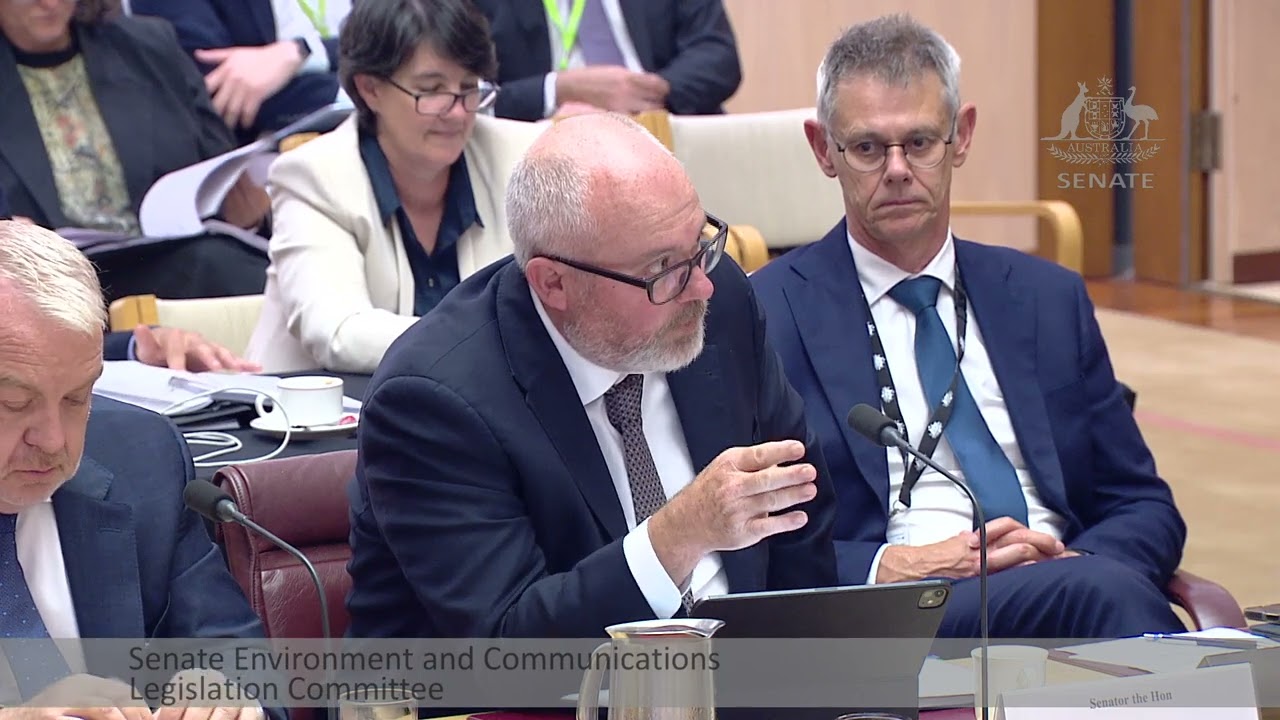
Transcript
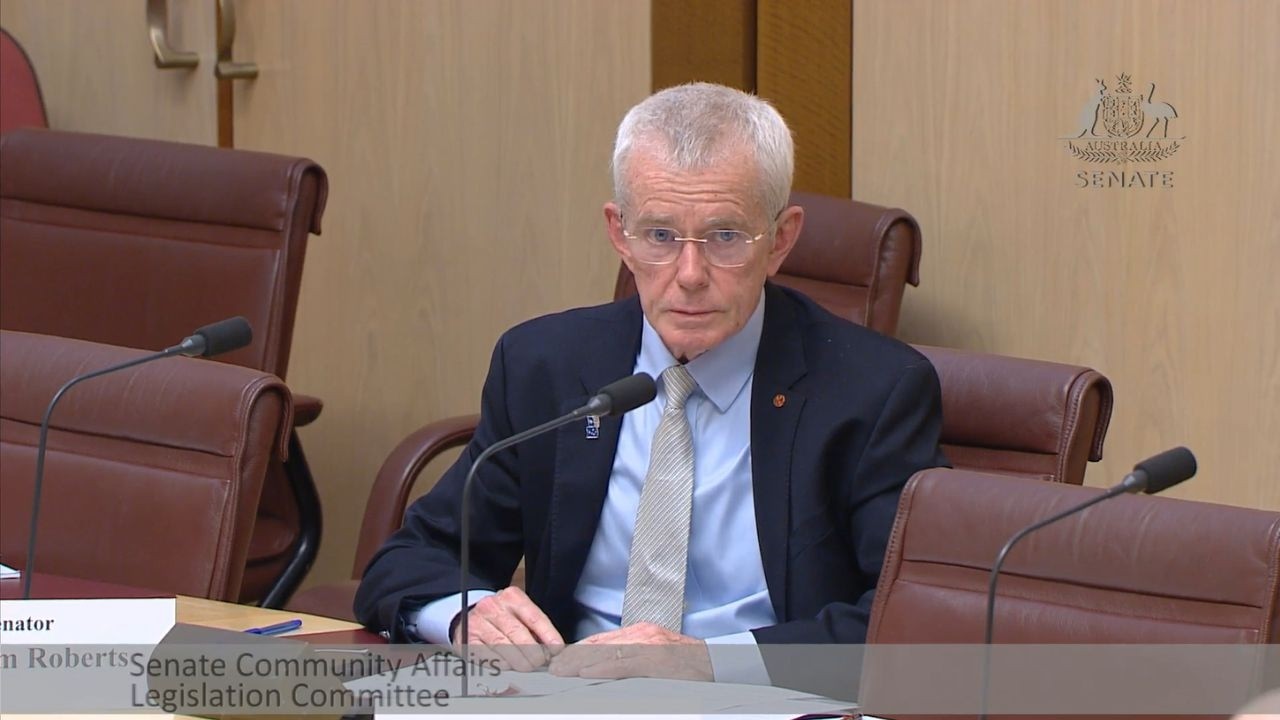
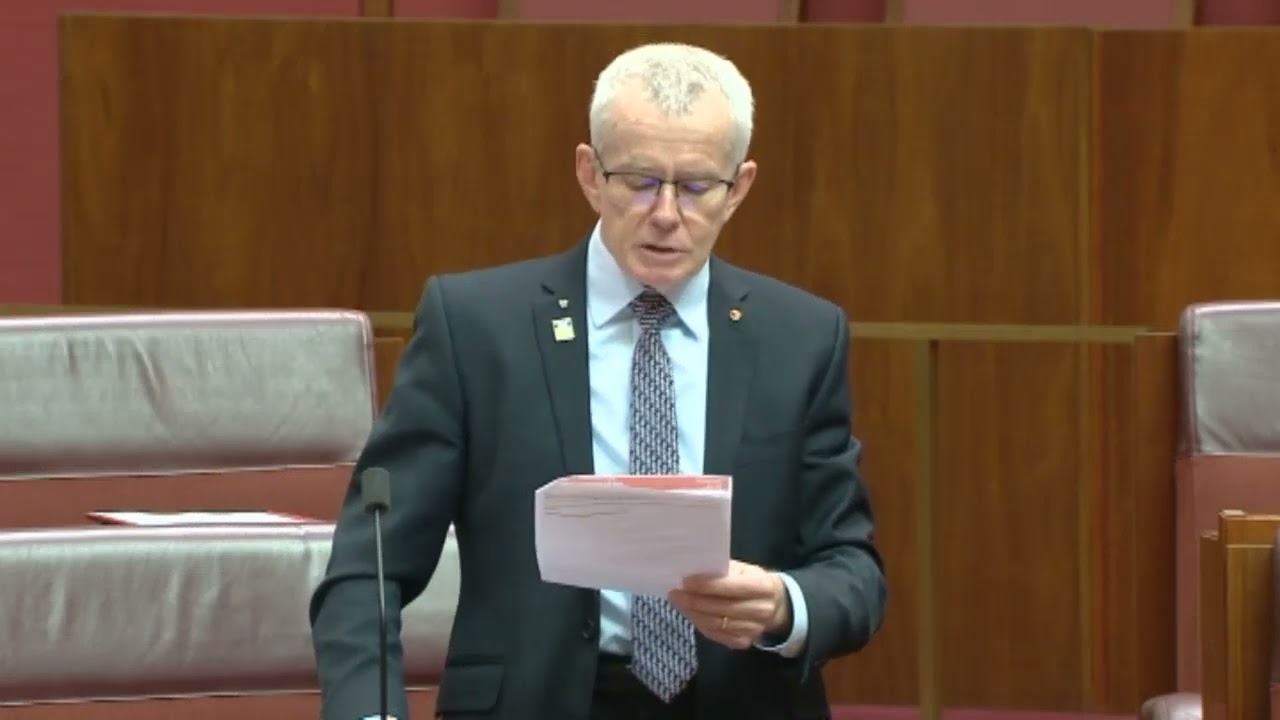
Senator ROBERTS: I’ll get back to the topic I started on this morning. It’s an immigration issue, not a health issue.
Ms Foster: We’ll just get our chief medical officer up to the table.
Mr Willard: I can speak broadly about the criteria. There’s a health criteria that applies to all visas. It looks at questions of health protection for Australians. It looks at costs to the health service, and it looks at the access to health treatment for Australians. It’s applied across all our visa types. It’s applied on a risk management basis. It looks at where somebody is coming from, and the sorts of health risks that might be presented. It looks at what the person might be doing in Australia, whether they’re going to go to a medical facility, whether they’re staying for a short time or whether they’re looking for a permanent visa. All of these factors are taken into consideration when the health criteria are assessed. Dr Grant Pegg, our chief medical officer, oversees the system that undertakes medicals. I think there are very large numbers of medicals undertaken each year.
Senator ROBERTS: Can you tell me what the three basic criteria are again?
Mr Willard: It’s health protection for Australians. It’s cost to the health system, and it’s access to Australian health services.
Senator ROBERTS: This is primarily with No. 2—cost. The 2026-27 federal budget included $68.5 million, or $69 million, over three years to provide HIV treatment and pre-exposure prophylaxis, which is medication that stops transmission to people in Australia who are not eligible for Medicare. They’re not eligible for Medicare, but we are paying for their treatment anyway so they don’t infect Australians with their HIV. Is that the logic behind this allocation? I know it wasn’t allocated by you.
Mr Willard: Because it is a measure from the department of health, I really can’t talk to the logic behind the measure.
Senator ROBERTS: Why should Australians allow entry of people with HIV and then pay for their treatment, especially when Australia is under pressure economically and individual Australians are under pressure cost-of-living-wise?
Ms Foster: Mr Willard is unable to comment, because the measure was developed by the department of health.
CHAIR: Senator Roberts, I think that the right place for this is at the community affairs estimates committee next week.
Senator ROBERTS: But I want to know. Many Australians are calling for noncitizens who have HIV or AIDS to be deported instead of paying for their medical care. We’re letting people in here with a known liability of cost to Australians. What is your response to that criticism of this budget allocation—the criticism, not the budget allocation itself? People are concerned that we’re letting in people who have a disease, and now we’re paying for their treatment.
CHAIR: Senator Roberts, I think that is asking the officials at the table for their opinion on a matter that is not within the purview of the questions allowed to be asked at Senate estimates, particularly as it relates to the budget.
Senator ROBERTS: Okay. I’ll move on to the next one. Australia raised the significant cost threshold for visa health requirements in July 2024, from $51,000 to $86,000. For those following this thread, I’ll give a quick explanation. The significant cost threshold determines whether a health condition, such as HIV/AIDS or physical disability, is likely to impose significant costs on Australia’s health and community services. Exceeding it typically means failing the health requirements for a visa, although health waivers are available for some visa subclasses, including partner and humanitarian. A person who comes in under your new, higher cap can access medical care and medications for free or for a small co-payment depending upon the state in which they live. How many people are here under this arrangement across all health conditions?
Mr Pegg: I don’t have the data in that detail, so I’d have to take that on notice.
Senator ROBERTS: If you could. Thank you. This is my last question on this topic, Chair. Isn’t this a perfect way of getting a family member into Australia and having their care paid for straightaway? The other part of the question is that the numbers are increasing, which means the Australian taxpayer is paying more.
Mr Pegg: Perhaps, if I can just offer, that’s the purpose of the operation of the significant cost threshold—to try and avoid significant cost to the Australian healthcare system. That’s why it exists.
Senator ROBERTS: Could you explain that more?
Mr Pegg: When someone is identified as having a health condition through the immigration medical examination as part of their visa process, they’re then costed by a medical officer of the Commonwealth who looks at that, on a hypothetical basis for someone with the same condition—the nature of condition and severity— to determine what their costs might be to the Australian healthcare system. That could be lab tests, X-rays, visits to the doctor—those sorts of things. There’s a comprehensive process that is undertaken to do that. When that’s undertaken, a figure is determined, and then, if that figure exceeds the number that you talked about, $86,000, that is considered to be ‘not meeting the health requirement’.
Senator ROBERTS: The first part of my question was: isn’t this a perfect way of getting a family member into Australia and having their care paid for straightaway?
Ms Sharp: Are you talking about a situation where the health requirement is waived? I guess what we’re saying is that the general rule is that if you fail the health requirement—as in your healthcare costs are coming in above $86,000—you will not be granted the visa; you won’t come to Australia.
Senator ROBERTS: That’s initial assessment. Forget about the—well, the payment matters, but I’m not interested in the total amount. What I want to know is: isn’t this a perfect way of getting a family member into the country and having their health care paid for straightaway? That’s basically what it is. The government’s allocated $69 million over three years to provide treatment and pre-exposure prophylactics just for people with HIV. They’re coming in here with a known condition, and we pay for the treatment.
CHAIR: Was there a question, Senator Roberts?
Senator ROBERTS: Isn’t this a perfect way of getting a family member into Australia and having their health care paid for?
CHAIR: This is a question that the officials at the table have responded to. It sounds like—
Senator ROBERTS: Yes or no?
CHAIR: you’re not using the same words to describe the same thing. I think the officials at the table have spoken about what their role is. I think you’re talking about it in a different way, but it’s not necessarily what the officials are—
Senator ROBERTS: It’s about immigration, though.
CHAIR: I think they’ve responded to your question, which is that there’s a program that exists to essentially weed out, for want of a better term, people who have costs higher than the amount the official said.
Senator ROBERTS: No. If they’re projected to have a significant cost threshold higher than $86,000, then I understand, but, if it’s less than $86,000, isn’t this a perfect way of getting a family member into Australia and having their care paid for straightaway?
Ms Foster: Senator, I don’t understand the link between the answers we’ve been giving and the family member issue.
Senator ROBERTS: Yes or no?
Ms Foster: That’s why we’re struggling to answer you.
Senator ROBERTS: Yes or no?
Ms Foster: We don’t understand the relation of the question to the information we’ve given, and, in a sense, it’s asking us for an opinion: ‘Is this a perfect way to do something?’ That’s not our role. Our role is to provide you with information about how the program operates.
Senator ROBERTS: Okay, I’ll make it easier. Is it a way of getting a family member into Australia and having their care paid for straightaway?
Ms Sharp: We might finish it where we began which is I think you need to direct this question to the department of health to ask them for the policy reasoning behind the measure—which group of people they were aiming to support.
Ms Foster: We apply our immigration rules irrespective of whether or not the government has funded a measure such as this through the department.
Senator ROBERTS: One of your immigration rules covers a significant cost threshold maximising at $86,000. If you assess an application to migrate here and it’s less than $86,000 then they are welcomed in. Is it a way of getting a family member in here?
Ms Foster: We don’t understand the relationship between what we’ve told you and the question about a family. I can’t say that any more clearly. I’m not trying to be unhelpful. We just don’t understand the question.
Senator ROBERTS: Could a citizen of Australia use this to bring in someone who is going to cost Australia money and health care immediately?
Ms Foster: The rule would apply irrespective. We would apply that rule as part of our visa consideration to any visa applicant.
Senator ROBERTS: I understand that, but this is a way for a citizen of Australia to bring in a family member and have their health care paid for by the taxpayer?
Ms Foster: I’m sorry, but we have nothing further to add.
Senator ROBERTS: Thank you.






Why are government departments prepared to accept migrants with HIV Aids? We do not need more people with communicable diseases brought to our country, especially with a price tag of $68 million over two years. I thought that the various government bodies were supposed to be protecting us in every way possible. It is obvious that they are not trying to protect us at all. Rather they are busy trying to deceive us and to reduce any protection that we did have.
Keep on asking questions and put the pressure on them as much as possible.
Thank you for your good efforts..