

The Urannah Dam project was cancelled by the Albanese Labor government in 2022. I wanted to see the final business case and environmental impact study (EIS) to see what they’re hiding.
The Commonwealth threw $22.65 million into the business case and approvals, then Bowen River Utilities withdrew the scheme from Queensland’s environmental assessment processes in December 2022.
When I asked why it was withdrawn, where the final business case is, and where the EIS is, the department agreed to provide it on notice. They claimed that because of “Commonwealth-state relations,” the ownership of these taxpayer-funded documents rests with the state, though they “encourage” publication. I’ve requested copies if they have access to them.
I asked if the bureaucrats are looking at the bigger picture regarding future water demand in the Burdekin Basin.
There is massive potential in the Great Australian Infrastructure Project, which would see a major steel mill established at Collinsville, along with other mills in Central Queensland. These visionary projects will have a massive appetite for water.
The department representative admitted he only knows about these vital industrial opportunities from reading the newspapers. They did note they are partnering with Queensland on a broader “Burdekin Regional Water Assessment” to look at basin-wide supply and demand, however it’s clear they are disconnected from real-world economic development.
Whether it’s Paradise Dam or Urannah Dam, we are seeing the same pattern: endless assessments, massive cost escalations, secret reports and a total lack of urgency from state and federal governments to actually build the water infrastructure Australia.
Transcript
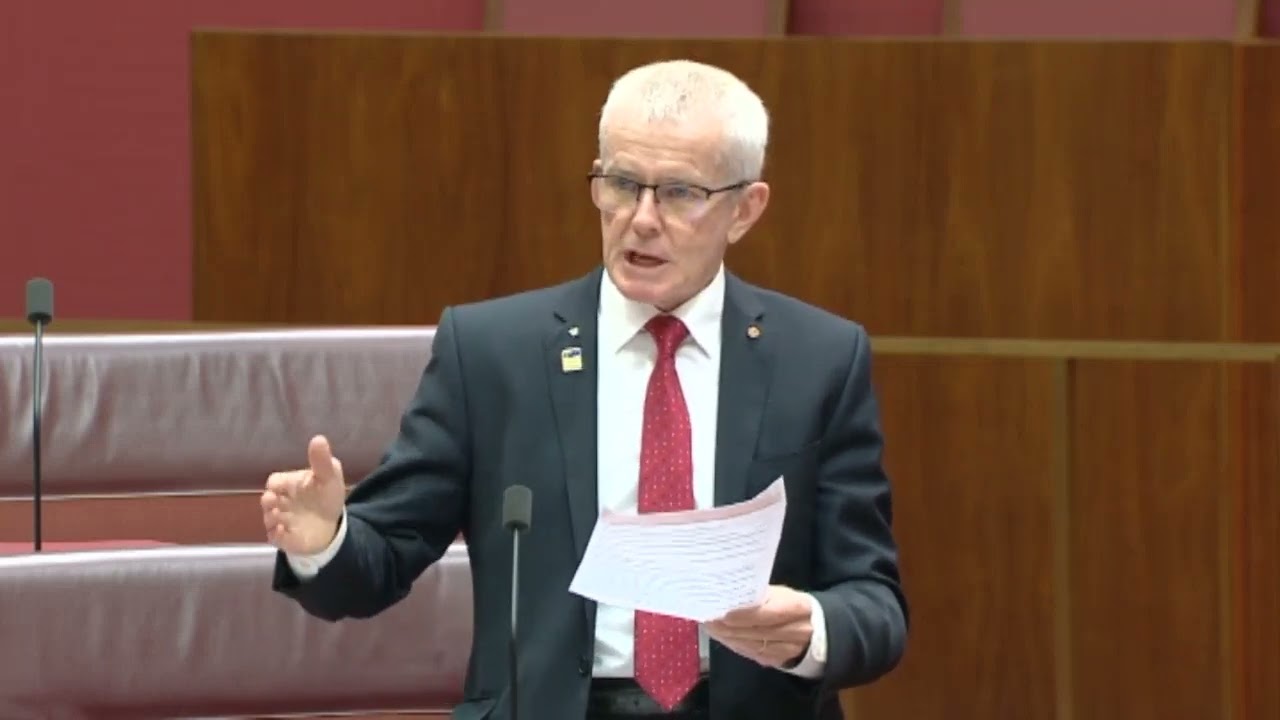
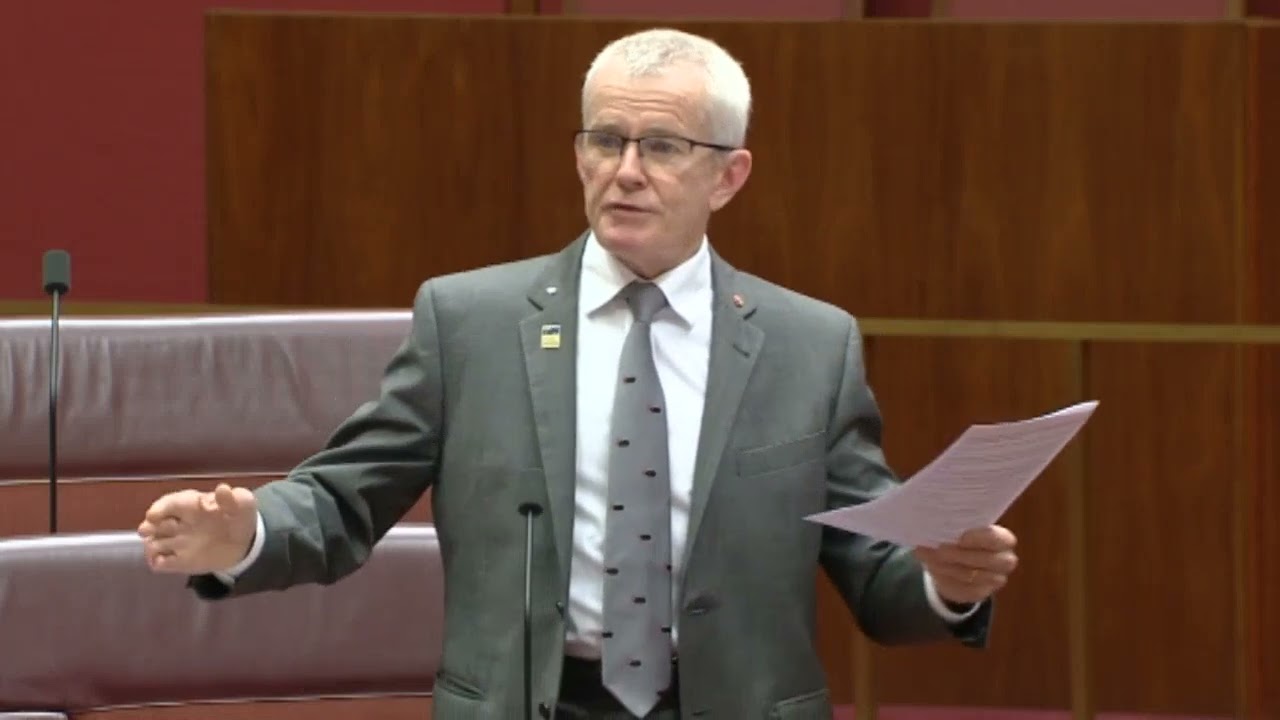
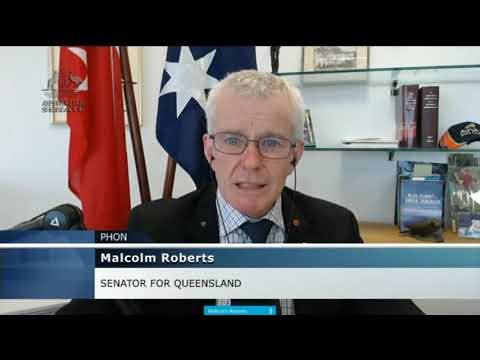
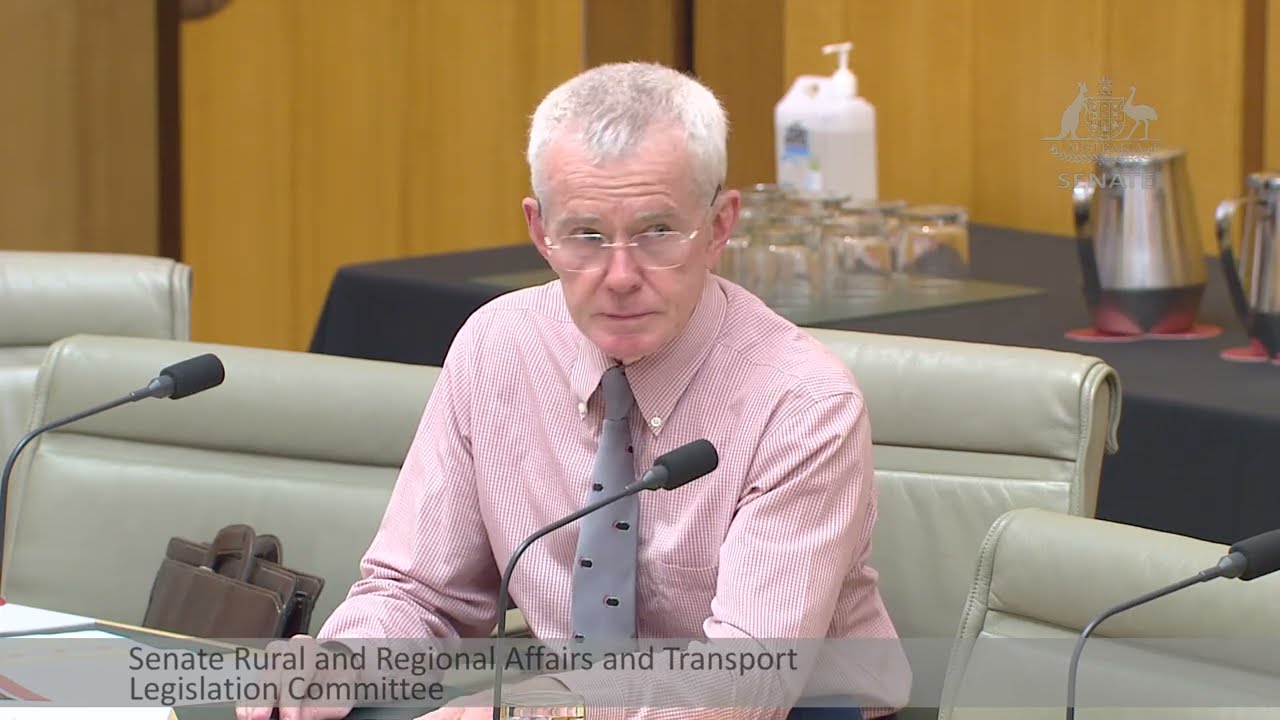
Senator ROBERTS: Thank you all for appearing again today. I have some brief questions about water infrastructure. I’m told this needs to be asked here. Is anyone familiar with Paradise Dam?
Senator Watt: Oh yes!
Senator ROBERTS: It’s about the new dam wall for Paradise Dam. The last update we can find on this project is the conduct of foundation geological mapping conducted by Sunwater in November 2024. Has anything progressed beyond that and, if so, what?
Senator Watt: While the officials are getting ready, I’ll say that this is a Queensland government project. There will be a limit to the role that this department has in that project, but obviously the officials can share whatever they have.
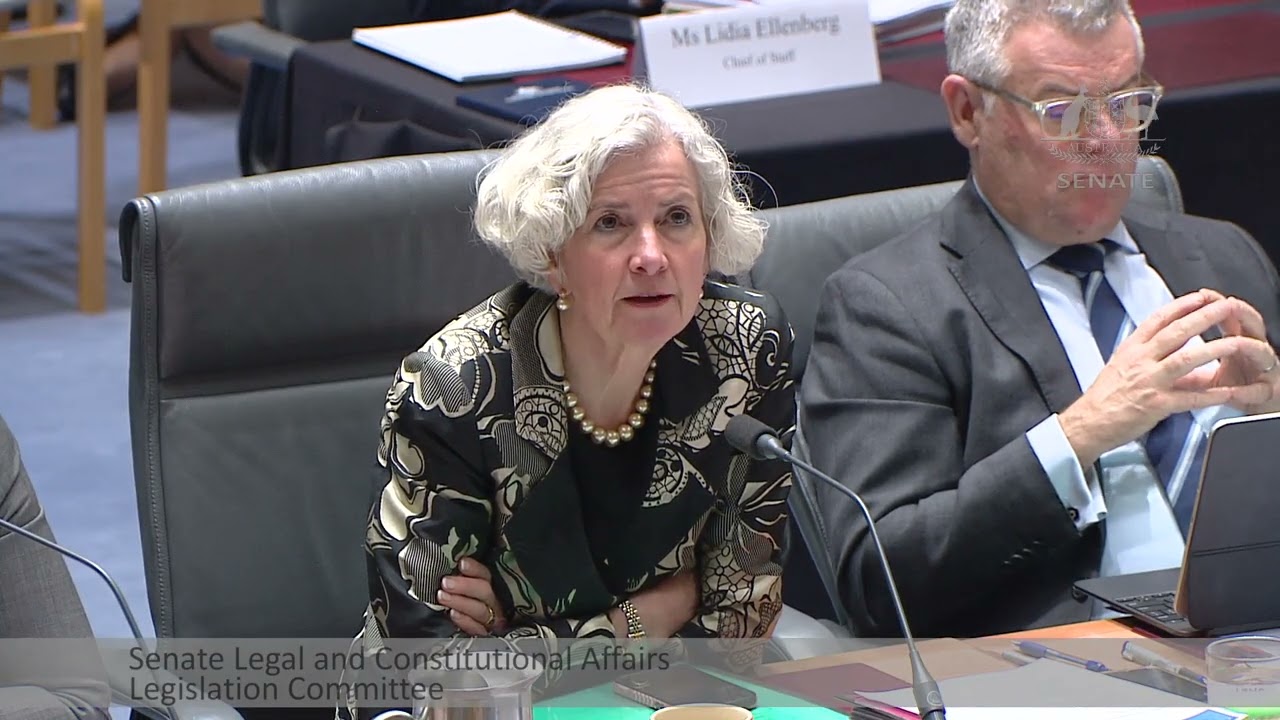
Mr Darrough: The detailed business case was finalised in July 2025 and is being considered by the Queensland government. The Queensland government hasn’t submitted a proposal for the new project with the revised dam wall arrangements. Infrastructure Australia published its evaluation of the detailed business case in September 2025.
Senator ROBERTS: Who’s funding the new dam wall and in what proportions?
Mr Darrough: The Australian government made a commitment of $600 million; $50 million of that is contracted with Queensland to deliver early enabling works and the detailed business case, and the balance of the funding remains available in the budget.
Senator ROBERTS: What do you expect the total cost to be? How much will the Queensland government pay?
Mr Darrough: I think it’s on the record that it’s an estimated $4.4 billion.
Senator ROBERTS: So the vast majority will come from the Queensland government?
Mr Darrough: The Queensland government hasn’t put forward a proposal to the Australian government for funding.
Senator Watt: In case you’re unaware, Senator, the commitment that our government made of $600 million was 50 per cent of the funding for—was it going to be a new dam originally?
Mr Darrough: It was originally to reinstate the old dam wall, but, when the early work was done on that, Sunwater realised that it couldn’t be restored and that they needed to do a new dam wall downstream, so the price has been revisited. That’s also some time ago, so the estimates have gone up through escalation factors in any case.
Senator ROBERTS: So you’re waiting on the Queensland government to get the total cost?
Mr Darrough: Yes.
Senator ROBERTS: Is there any formula for funding of that from federal compared to state?
Mr Darrough: No. The National Water Grid Infrastructure Investment Framework puts in place arrangements whereby states and territories can ask for up to 50 per cent of funding for capital and construction projects, but there is no formulaic base. The level of contribution that the Australian government would make is a matter that’s decided by the government, and it’s informed by the business case evaluation from Infrastructure Australia, the proposal from Queensland and advice from the department.
Senator ROBERTS: So, in summary, you’re waiting on the Queensland government.
Mr Darrough: Yes.
Senator ROBERTS: Let’s move on to Urannah Dam. It was cancelled by the Albanese Labor government in 2022, I understand. We have the preliminary business case, which was released. I don’t have the final business case and environmental impact study, which I’m assuming showed why the project was not feasible. Were these completed?
Mr Darrough: On Urannah Dam, the then Australian government committed $22.65 million to support the business case, environmental approvals and geotech. On 16 December 2022, the delivery agent, Bowen River Utilities, announced it had withdrawn the scheme from environmental assessment processes in Queensland.
Senator ROBERTS: Was any reason given?
Mr Darrough: I’d need to take that on notice. The funding that was actually in the budget for construction of Urannah Dam was within the infrastructure portfolio, not the water elements that transferred to DCCEEW.
Senator ROBERTS: In whose hands is the final business case?
Mr Darrough: I’ll need to take that on notice.
Senator ROBERTS: And also the environmental impact study?
Mr Darrough: Again, I’ll take that on notice. We encourage jurisdictions to publish business cases that the Australian government contributes to, but, ultimately, the Commonwealth-state relations and the funding arrangement that we have puts ownership of those documents in the hands of the jurisdiction. It’s ultimately a matter for them to decide whether or not they publish.
Senator ROBERTS: That’s the state?
Mr Darrough: Yes, but we encourage in all cases that it be published.
Senator ROBERTS: If you have access to it, may we have a copy, please?
Mr Darrough: I’ll need to take it on notice.
Senator ROBERTS: Yes, that’s fine. If the business case says there’s not enough use for the water, then are you aware that there’s a Project Iron Boomerang or, actually, Capricorn Steel, which is a large project—I won’t go into the details—that would involve putting a steel mill at Collinsville?
Mr Darrough: I can talk more broadly about the Burdekin Basin, of which the Urannah area is part. The Commonwealth is partnering with Queensland on the Burdekin Regional Water Assessment, and that process is under way, looking at a basin-wide assessment of demand and supply for water in the catchment.
Senator ROBERTS: I don’t expect you to know this, but I’ll ask it anyway. Are you aware of the potential for a steel mill at Collinsville and other steel mills in Central Queensland?
Mr Darrough: Only from newspapers.






It seems that the bureaucrats at all government levels are holding up progress on needed water infrastructure in Australia. This is not surprising given the ecological-environmental bent many public servants have in primary industry and resource portfolios, that has severely handicapped finalisation of projects at all scales due to misplaced environmental advocacy and climate change nonsense. Hence, progress and productivity have declined, and rural people and industry are suffering the political and environmental biases of city folk. Of course there is nothing new about this process, bet it seems more instutionalised now than previously.