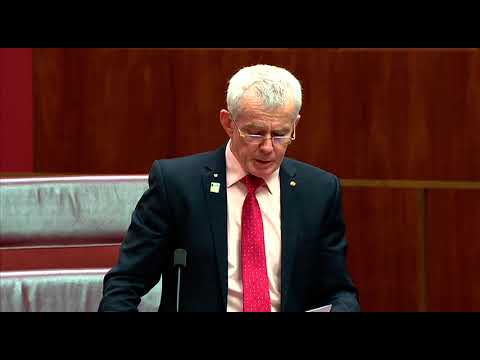
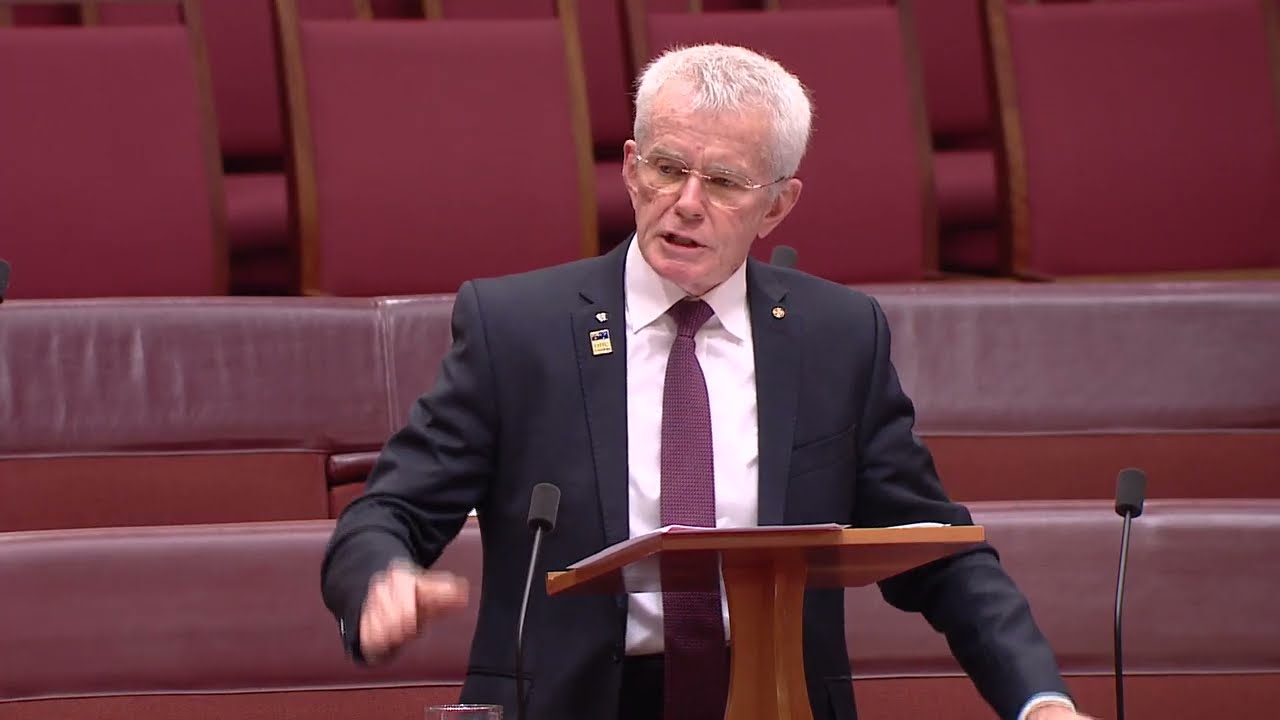
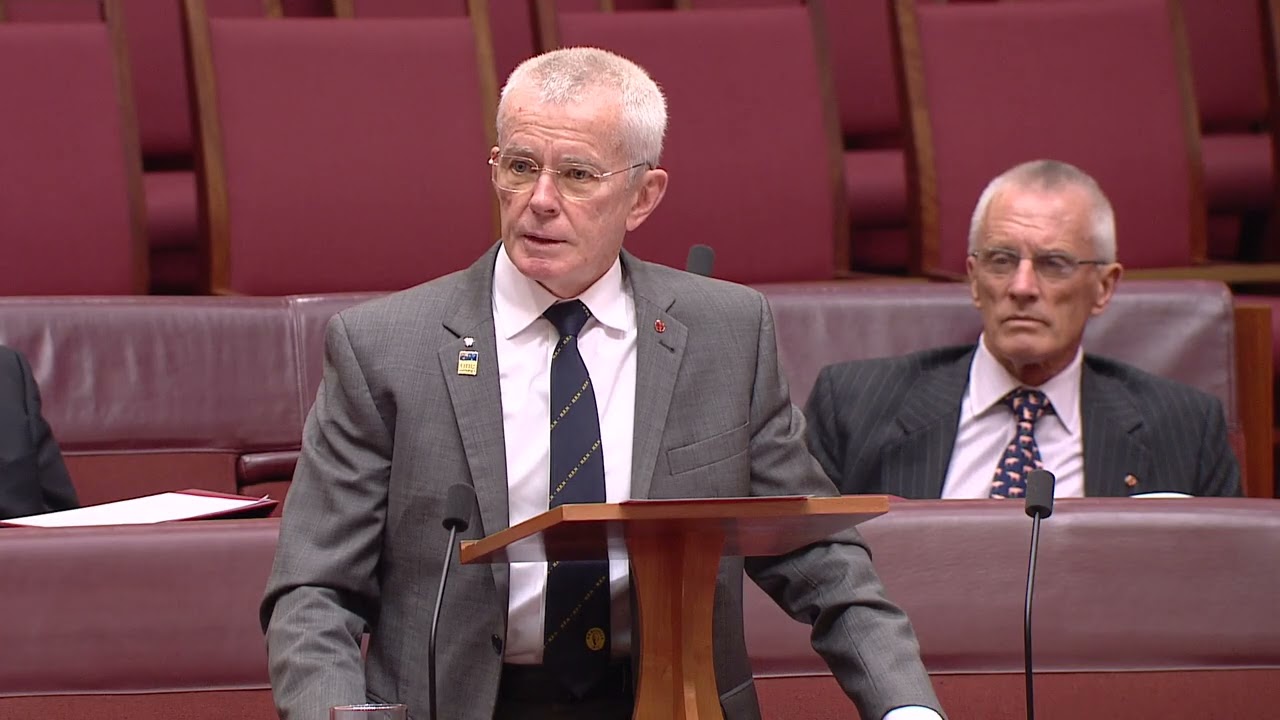
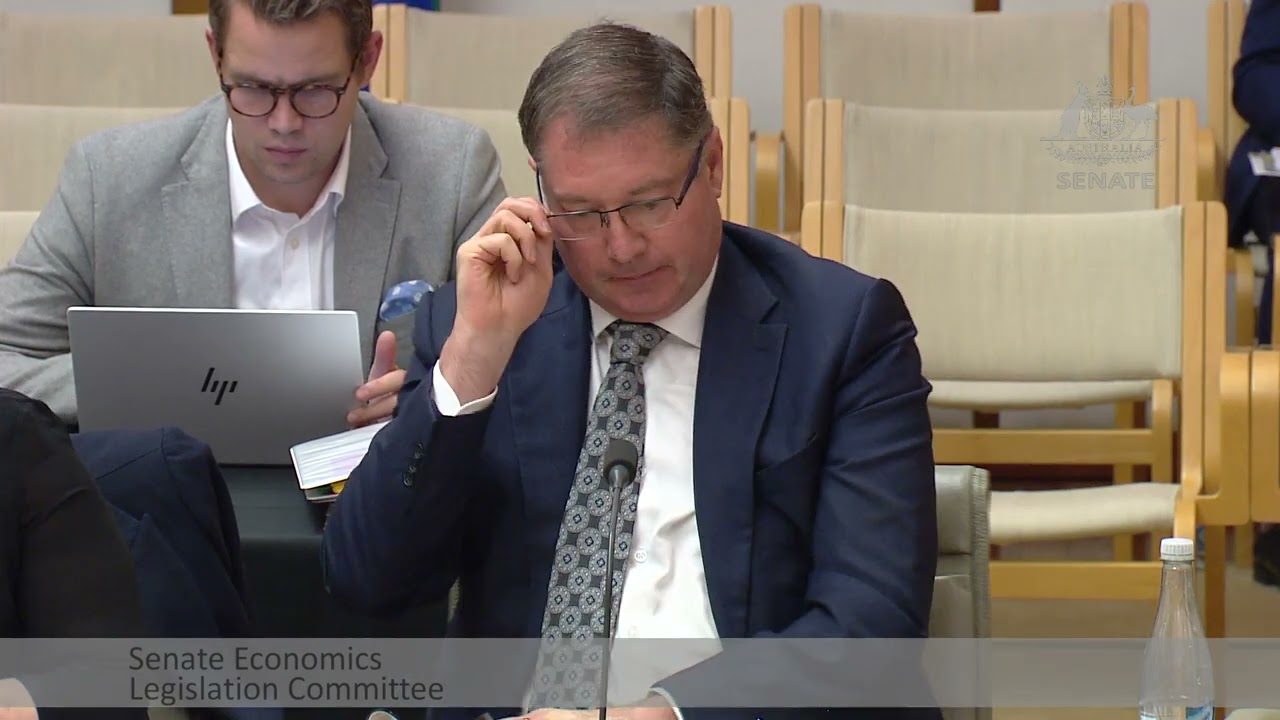
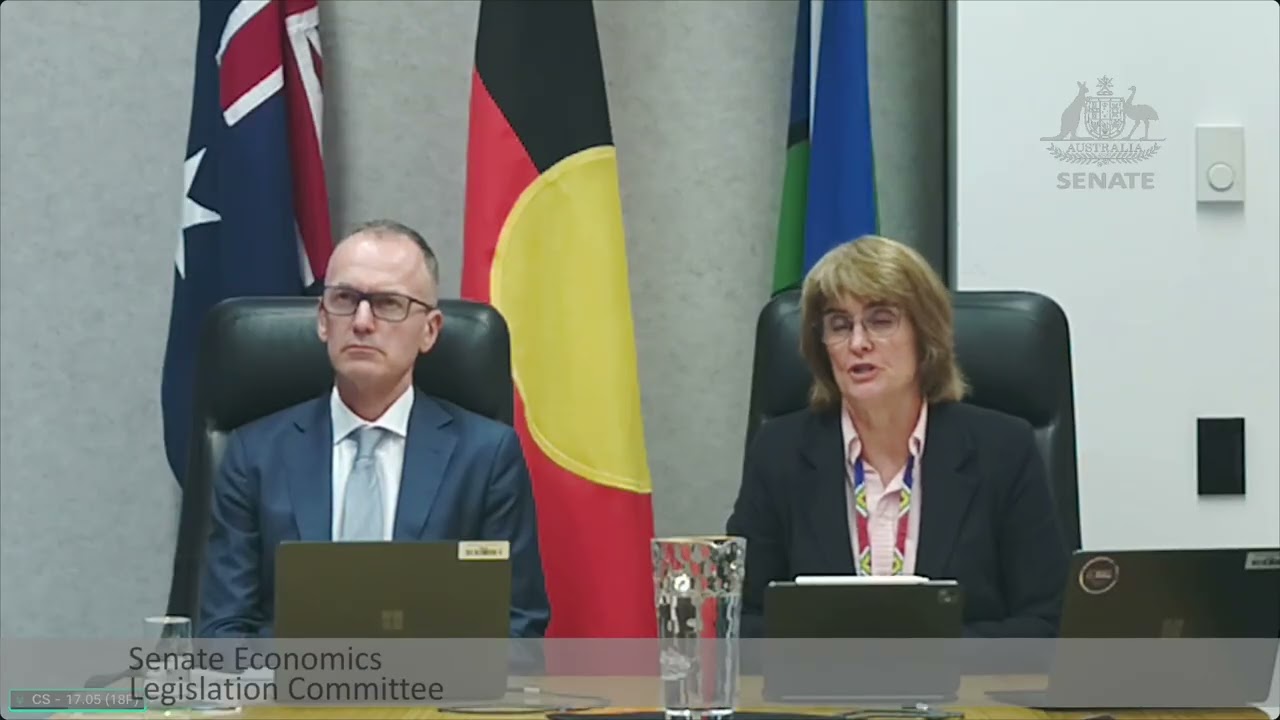
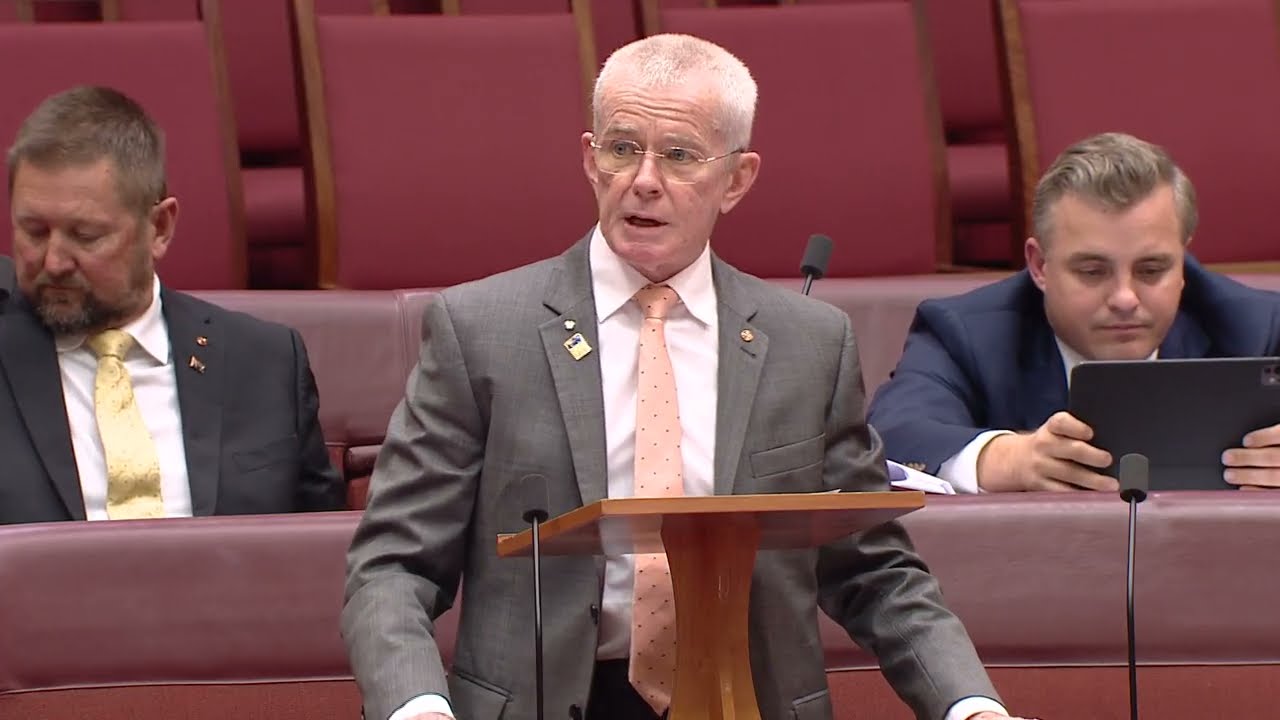
I wanted to get some straight answers about the government’s 5% deposit scheme, because to me, it looks like risky lending at the taxpayers’ expense.
APRA have previously said that loans with a 95% value ratio are high-risk. I asked how they reconcile that with a government scheme that encourages this exact behaviour. They admitted that high-ratio lending is “more risky” and they are watching it closely.
I’m worried about what happens if property prices drop by 10 or 20%. If people fall into negative equity, the taxpayer is underwriting a huge chunk of those losses. APRA ducked out of giving a specific answer on the scheme itself, however insisted their “stress tests” for the overall banking system are even more severe than the scenarios raised.
I asked: was the Treasurer warned about the scheme’s risks? They told me they gave some advice to Treasury early on about mortgage insurers, but nothing specifically to the Treasurer. They will provide me with a copy of that advice on notice.
I questioned APRA as to whether this scheme follows their own sound risk management standards. They replied that they don’t “opine” on government policy, however confirmed that they’ll expect banks to hold the same amount of capital against these loans as any other high-risk product.
Finally, I asked if they would publish stress test results specifically for this 5% scheme. They stated that their stress tests are “much broader than any one government policy” and that they are “not aware of a stress test” planned for this specific scheme.
APRA knows these loans are risky and are tiptoeing around the topic.
Transcript
Senator ROBERTS: Thank you for being here. APRA has previously stated that loans with loan-to value ratios above 90 per cent ‘clearly expose an ADI to a higher risk of loss’ and that prudent loan-to-value ratio limits are essential for portfolio risk management. How does APRA reconcile those warnings with the government’s five per cent deposit scheme, which institutionalises 95 per cent loan-to-value ratio lending, backed by taxpayers?
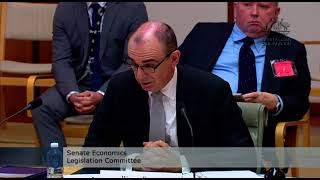
Mr Lonsdale: Well, it’s something that we’re watching very closely, Senator. I think the premises of your question is correct: high LVR lending, as a general statement, and high debt-to-income lending are at the more risky end. Because of that, we watch that type of lending very closely.
Senator ROBERTS: Has APRA provided advice to government on the systemic risk and implications of guaranteeing high loan-to-value ratio loans under this scheme? If so, will you table that advice?
Mr Lonsdale: As I mentioned to Senator Brag, we were asked for our advice on LMI providers for the early design of the scheme, which we provided to Treasury, not the Treasurer. But we’ve not provided any advice to the Treasurer on the systemic effects of the Home Guarantee Scheme as currently implemented.
Senator ROBERTS: Could we get a copy of that advice that you gave to Treasury, on notice?
Mr Lonsdale: I’m happy to take it on notice.
Senator ROBERTS: Borrowers with 95 per cent loan-to-value ratio loans are more likely to fall into negative equity during downturns, and taxpayers are underwriting 15 per cent of these loans. Has APRA modelled fiscal exposure if property prices fall by, say, 10 to 20 per cent?
Mr Lonsdale: We do very stringent stress tests on the banks and on the system that are more stringent than you just outlined there.
Senator ROBERTS: So you’ve done what I’ve said?
Mr Lonsdale: More stringent, I would say, and we publish those results. The outcome is that our banking system, particularly our major banks, are very resilient.
Senator ROBERTS: Does APRA consider the scheme consistent with Prudential Standard APS 220 and APG 223, guidance of sound risk management?
Mr Lonsdale: I don’t want to comment directly on the scheme, but what I can say is that that’s a very important standard that you mentioned, and we deal with the banks all the time to make sure that they are resilient and are adhering to our standards, of which that is one.
Senator ROBERTS: Why can’t you discuss the scheme in relation to that?
Mr Lonsdale: As I said to Senator Bragg, if we’re looking at the scheme, we want to have a look very closely at the empirics, the loans being used—
Senator ROBERTS: Once you’ve got experience.
Mr Lonsdale: After we’ve got experience. We like to base our conclusions on facts.
Ms McCarthy Hockey: Government schemes at federal level and state level come and go from time to time. We see different structures of ways in which government make their decisions and put in place policies. At all points in time, it is for the bank to determine its risk appetite for the kind of lending that it would extend and then that it adequately capitalises that and puts liquidity against it. So, I think the really key point here is that we don’t opine on any regime put forward by a government. It is their prerogative. However, the banks are to uphold the lending standards and the risk management, and to capitalise it and put liquidity accordingly. What we then do is look at the macroprudential picture that we monitor—you can see us very regularly publishing our view of that— and take our macroprudential measures accordingly, which are within our gift to do. There are different roles that we play, but the key thing is that banks are managing that risk, we are managing the system risk, and governments will make their decisions as they see fit.
Senator ROBERTS: APRA’s guidance emphasises limiting large volumes of high-risk lending. Does APRA classify the government’s scheme as high-risk lending?
Mr Lonsdale: Again, I don’t want to comment directly on the scheme, but I’ll make this general point: the higher the LVR, generally, the higher the risk involved, and the higher the probability of default. I think that is true. Because we’ve had a large number of questions on high-LVR lending, can I just make this point: it is part of our normal course that we would seek reporting from the banks on high-LVR lending; because it is high-risk lending, we do that. The other thing that I think is a very important point is that when you look at the capital settings that we apply, the vast bulk of lending that is happening in the country—but also that we’d expect under this scheme—is done by the major banks, the lion’s share. The capital that we are requiring to be held is agnostic to the Home Guarantee Scheme. So, regardless of that guarantee, we are requiring the same amount of capital to be held.
Senator ROBERTS: So that means that APRA will apply the same supervisory expectations to banks originating these loans as it does to other high loan-to-value ratio products?
Mr Lonsdale: Yes, we will.
CHAIR: How are you going, Senator Roberts?
Senator ROBERTS: Almost. Will APRA commit to publishing stress test results for the five per cent deposit scheme under scenarios of price declines and unemployment shocks?
Mr Lonsdale: The stress tests that we do are much broader than any one government policy, and we do publish those. I’m not aware of a stress test that we will be doing on the particular scheme.
Senator ROBERTS: Thank you for your succinct answers. Thanks, Chair.