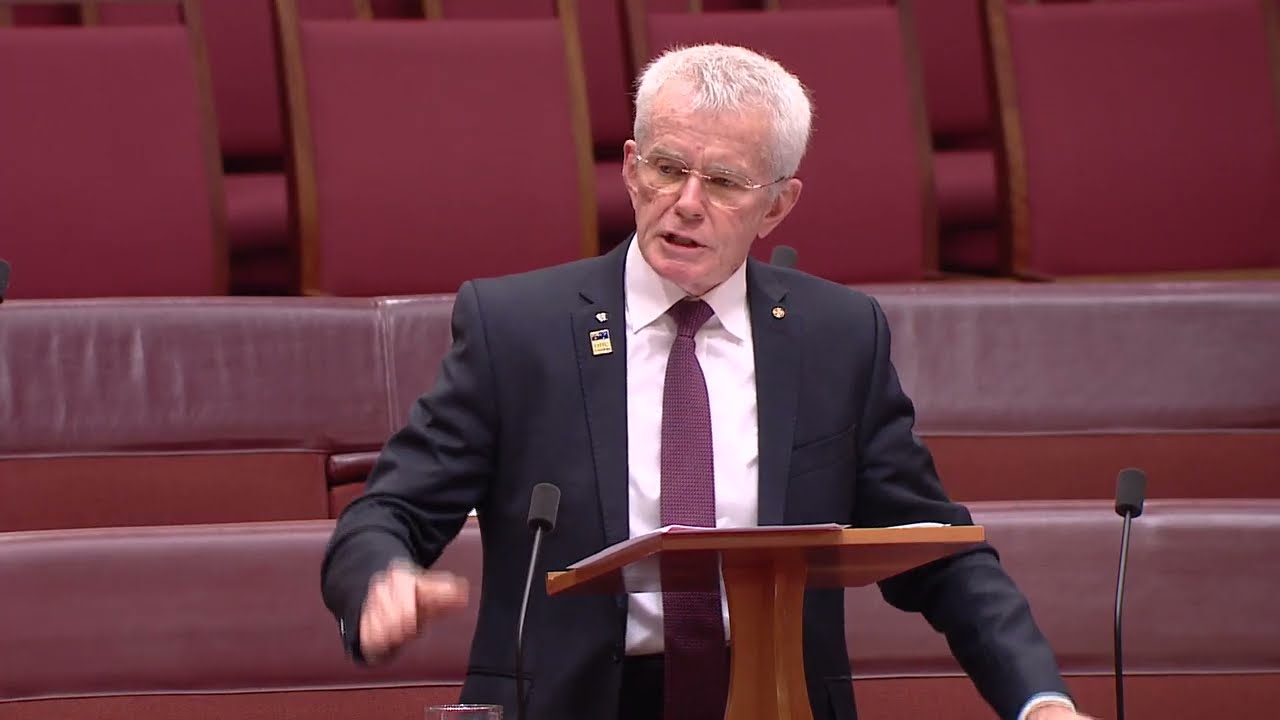
During this session of Estimates, I asked questions on the COVID vaccine redress scheme. By the closing date, 4962 claims had been lodged, yet only 522 have been paid—amounting to $50.9 million. A large portion of applications were rejected, withdrawn, or remain under assessment, with 722 still in progress. I pressed for details on why so many were refused, and it was confirmed that hospitalisation was a key eligibility criteria, a policy set by the Department of Health.
I questioned why compensation offers under the COVID vaccine redress scheme are so small, given the evidence of significant harm suffered by claimants that included lifelong disability. Mr Turnbull responded that this question should be directed to the Department of Health, Disability and Ageing, as the compensation policy and parameters are set by them, not by Services Australia. While Services Australia administers the scheme, they advised that payout levels and eligibility rules are dictated by the Department.
Mr Turnbull stated that he did not have the average payout figure on hand and would take that question on notice. However, he explained that payouts are calculated based on various categories of loss, including specified out-of-pocket expenses, lost earnings, paid and gratuitous care, loss of capacity to provide domestic services, and pain and suffering. Additionally, lump-sum payments are available for claims involving death.
— Senate Estimates | October 2025
Transcript
CHAIR: Senator Roberts.
Senator ROBERTS: Thank you for attending tonight. How many applications for redress were received by the COVID vaccine redress scheme before the closing-down date?
Mr Turnbull: We received 4,962 claims by the closing date.
Senator ROBERTS: Thank you. How many were successful?
Mr Turnbull: To date, 522 claims have been paid, to the value of $50.9 million.
Senator ROBERTS: Thank you. How many applications were refused. Was that the rest of them, or were some partially paid?
Mr Turnbull: Of the remaining, 2,670 were not payable, 1,048 were withdrawn and there are 722 claims at different parts of the assessment process.
Senator ROBERTS: What was the most common reason for being refused?
Mr Turnbull: We assess each claim against the criteria—for example, the different vaccines that are eligible, the different conditions—
Senator ROBERTS: They’re all covered?
Mr Turnbull: Yes. I’d have to check what the most common reason is, but—
Senator ROBERTS: Can you take that on notice, please.
Mr Turnbull: Sure.
Senator ROBERTS: One of the criteria to be satisfied, apparently, is that the applicant needed to be hospitalised. Is that correct?
Mr Turnbull: I believe so, yes.
Senator ROBERTS: Why is that?
Mr Turnbull: We don’t set the policy. If you’re asking about the particular policy parameters of the scheme, those questions are better directed to the Department of Health, Disability and Ageing. They set the policy parameters, and they’ll have their rationale for that. Our role is to then administer the payment against the criteria that they set.
CHAIR: Senator Roberts, this session is really just on the service delivery aspects.
Senator ROBERTS: Okay. How many complaints have been made about claims being rejected—appeals, I guess.
Mr Turnbull: We would need to take that on notice. What I can tell you is that we do have a review process. For example, at the moment we have 144 claims that are undergoing a review of the decision. The agency has also finalised 161 review decisions. That gives an indication of the total number who, having received the assessment—
Senator ROBERTS: The agency has reviewed them? They’ve already reviewed them?
Mr Turnbull: There are 144 that are being reviewed. There are 161 where the review process has been finalised.
Senator ROBERTS: How many applications are still being processed?
Mr Turnbull: There are 722 applications still being processed. They’re at different stages of that assessment process. Of the 722, there are 221 with Services Australia at the moment for assessment, there are 344 claims where we are requesting further information from the applicant to support the claim, there are 103 claims with an expert panel—that’s either an expert medical panel or an expert legal panel—and there’s another group, which is 54 claims, where we’ve made an offer and the applicant has six months to decide whether or not to accept that offer. That’s the break-up of the 722 on hand.
CHAIR: I’ll get you to wrap up, Senator Roberts.
Senator ROBERTS: Okay. What’s the average payout that has been made, and how are payouts calculated?
Mr Turnbull: I don’t have the average payout with me. We would need to take that on notice. Payouts are calculated based on a range of categories of loss—for example, specified out-of-pocket expenses, lost earnings, paid and gratuitous care, loss of capacity to provide domestic services, pain and suffering. There are also lumpsum payments for claims involving death.
Senator ROBERTS: Last question—very simple. Why are the offers of compensation so small, taking into account proof of the significant damage that complainants have suffered, including some being crippled for life— debilitated for life?
Mr Turnbull: I think that particular question is best directed to the Department of Health, Disability and Ageing because it relates back to the policy.
Senator ROBERTS: Because they—
Mr Turnbull: They set the parameters.
Senator ROBERTS: Okay. Thank you