

Families and relatives of Australian Defence Force personnel killed in a fatal military helicopter crash appeared at a Senate hearing to share their stories.
They expressed deep anger over the senior ADF leadership’s refusal to admit fault, take responsibility, or answer straightforward questions, resorting instead to defensive “word salad” and bureaucratic deflection.
Critical equipment oversights were highlighted, such as flying aircraft with known defective turbines (unlike the Navy and New Zealand, which grounded their fleets) and ignoring safety reports regarding malfunctioning fast-release ladders.
They told us of a toxic culture where service members avoid raising safety concerns out of fear of harming their careers, promotions, or looking weak, leading to dangerous normalisation of risk.
Surviving partners detailed immense frustration with the Department of Veterans’ Affairs (DVA), citing rigid, unrolling support packages, bureaucratic hurdles, and a lack of practical assistance during their acute grief.
While these families maintained immense respect for frontline soldiers, sailors, and airmen, as well as immediate unit commanders, they expressed profound distrust in senior military leadership and questioned the overall security posture of the ADF.
Despite their devastating losses, the families expressed profound hope that the inquiry would finally bring out the truth, ensuring greater safety and accountability for future generations serving in the armed forces.
Transcript
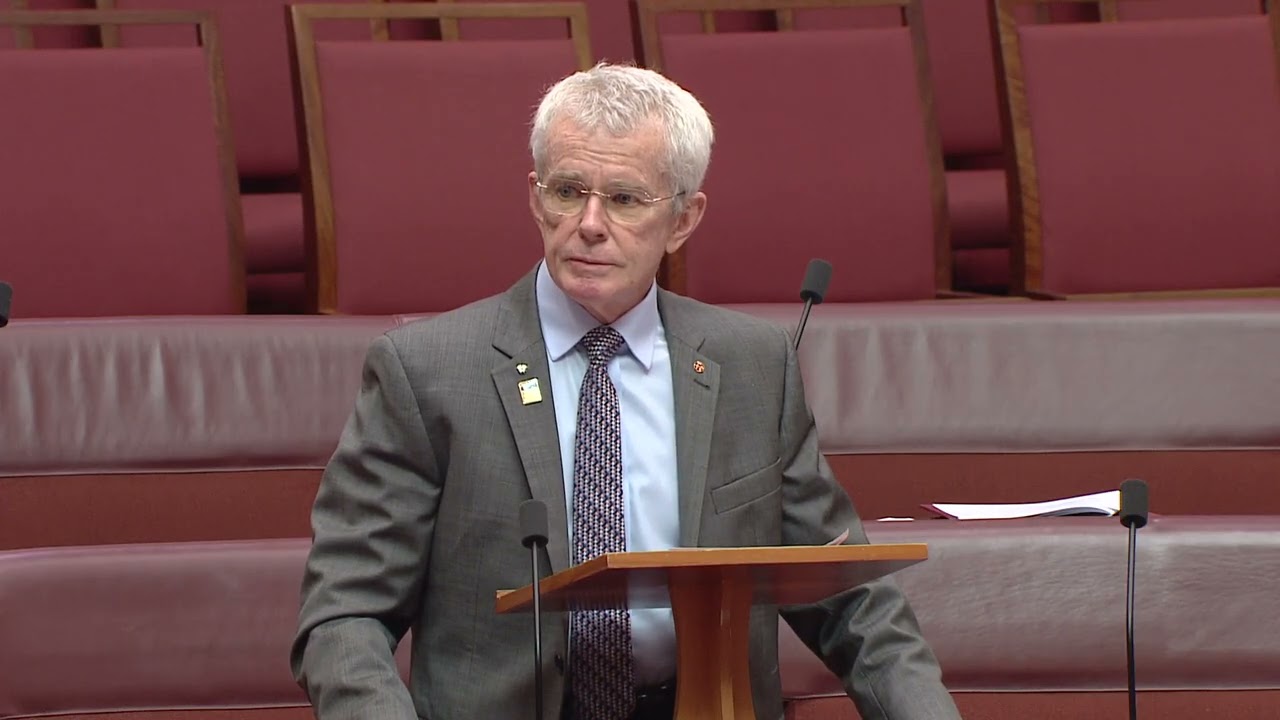
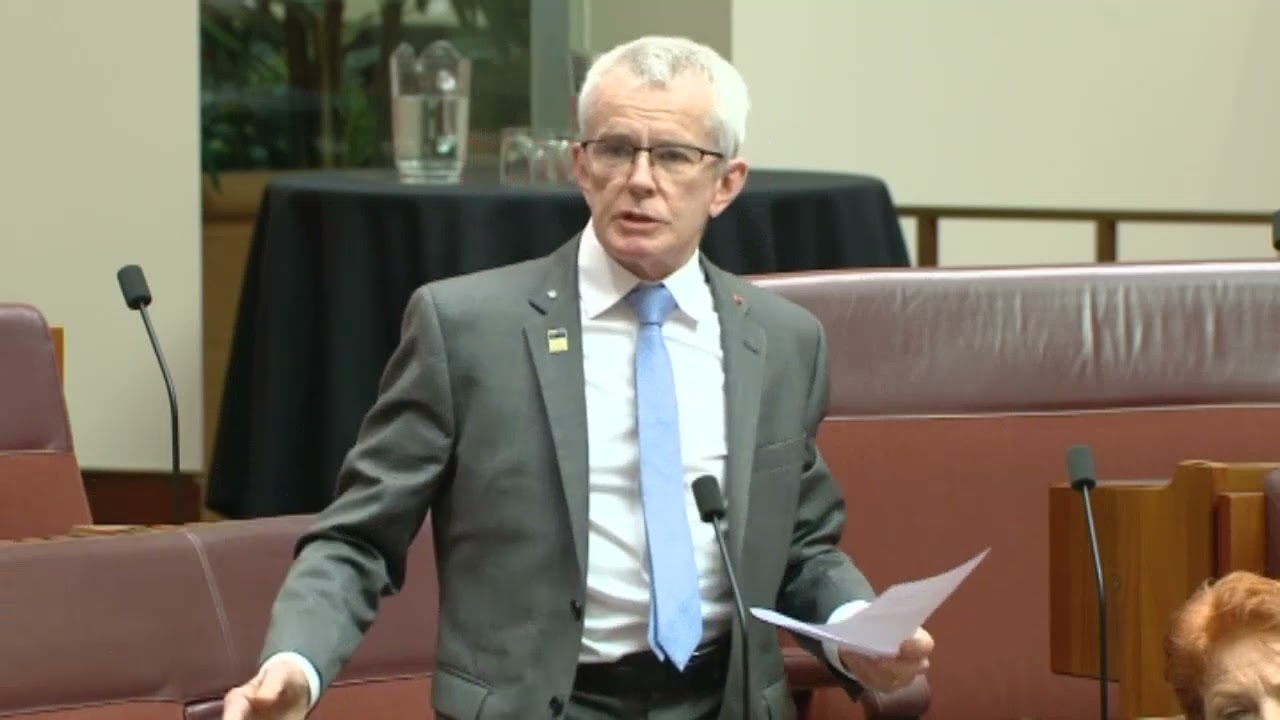
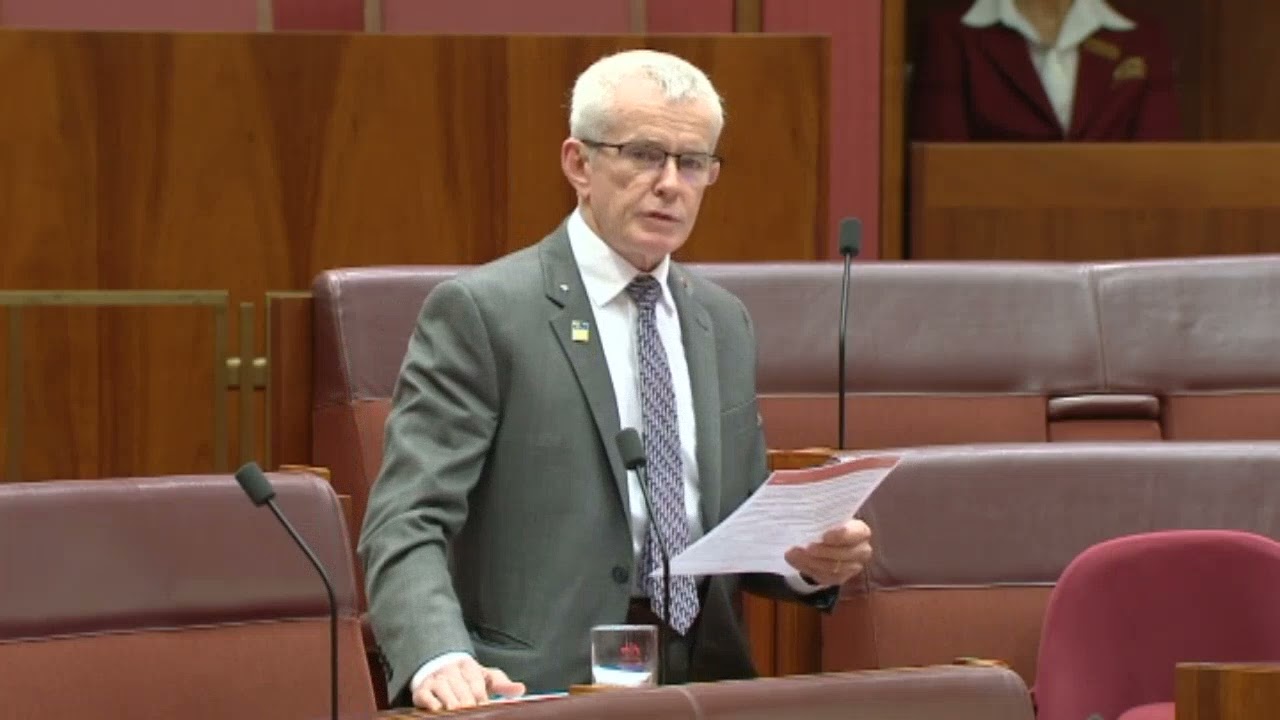
Senator ROBERTS: Thank you for appearing. Thank you for your families’ service, because it’s not just the person who enlists who serves, is it? Thank you for your submissions and for sharing what your boys, your men loved. Look, I can’t imagine your grief and anger—I just can’t—especially because your loss and harm were avoidable. I asked some questions and had a briefing from Defence, Army, after the Jervis Bay incident. I kept asking why, and I got the feeling very strongly—I want to put it on the record—that they were delaying. They were dodging. Is there anything else you’d like to put on the record that you want to say? Your statements have been really effective. Does anything else come to mind? How do you feel? What are you feeling? Yes, Mr Naggs?
Mr Naggs: ‘Where does this end?’ is a question I think we all have. How does it end?
Senator ROBERTS: You’d like clarity.
Mr Naggs: Yes. I’d also like an admission from the leaders of Defence that something went wrong. What we just saw there was an absolute effort to not admit anything. I don’t know where that fits in with the concept of leadership. I always thought leadership was about accountability and honesty—just an admission of, ‘Hey, we can do better.’ There are a whole heap of recommendations that can come out of these reports, and they can say, ‘We’ll adopt them,’ but the first thing of reform is to admit some accountability and transparency and go forward. That’s leadership. How do you train leadership when that fundamental value is not displayed in your leaders?
Senator SHOEBRIDGE: Sometimes it feels like, when you’ve got Defence, it’s ‘pin the tail on the jellyfish’. It just keeps moving and avoiding.
Ms Loft: Unfortunately, we often see that it’s not the people making the decisions that are held to any account or fault. It’s the people far down the chain of command who are simply enforcing those decisions that were made far above them.
Senator ROBERTS: I’ve seen that in a number of ways in the last 10 years.
Mr Nugent: I was sitting here today listening to the evidence of the Defence people—General Hafner—and I was waiting for you to ask the question: ‘How big is the flight manual? How many pages does the flight manual have? 10? 100? 1,000? 2,000?’ It’s huge. To sit there and say, ‘We put it in the book. Read the book. The pilots had read the book. And then, in those fatal few seconds, recall the book. Act appropriately. Follow your training’—
Ms Nugent: And on something that’s against human instinct. Completely against human instinct. Unfortunately, they talk about pitch ladders and horizons in the TopOwl, and you don’t get an opportunity to see what that actually looks like. That’s things moving around in front of you. It’s not something just off in the corner. It’s right there in front of you. To say, ‘It’s in the book,’ is an absolute cop-out. The Jervis Bay incident is a classic example of that. No-one told the pilots, and it’s in evidence that the pilots weren’t told that they were flying aircraft with a known defective turbine that was going to get fixed in maintenance down the line— Unidentified speaker: But not at the same time. and that turbine could fail in a critical phase of flight.
Mrs Lyon: Everyone else changed their turbines. Navy did. New Zealand did. Everyone else changed them.
Ms Loft: They grounded the fleet.
Ms Whyte: Immediately.
Mr Nugent: My question for that one is: would those pilots on that night or the pilot in the ditched aircraft, had they known that they could have experienced an engine failure in a hover or a critical phase of flight, have reacted differently?
Ms Nugent: Would they have gotten in there?
Mr Nugent: Would they have just powered the aircraft away?
Ms Nugent: They had people dangling underneath them. They didn’t even have a chance to know, to even stand up for themselves. They just said: ‘Alright, off we go. Everything’s fine.’ And they had however many people under them. It wasn’t just the pilot’s life or the crew’s life that was at risk then. That’s a lucky incident.
Senator SHOEBRIDGE: We’ve since found out that the Army Aviation evaluation team also told them that the fast release on the ladder wouldn’t work in situations like this. They’d been told about it and they hadn’t fixed it. In that very situation, the fast release was pulled and didn’t work, and that’s why we were so close to yet another catastrophe. The ladder wasn’t released and all of those service personnel were pretty much under the helicopter as it was going down because, again, they ignored an AATES report.
Mrs Lyon: That’s my concern. I’ve said it before. So we now know about the turbines and we now know about the circumnavigating and getting through TopOwl. What other pieces of equipment sitting in military aircraft, inside weapons, inside other really life-altering devices have also been circumnavigated? What else are they putting in or not putting in? Do you know?
Senator ROBERTS: You need exposure, truth, openness.
Mrs Lyon: Yes, that’s all we’re asking for.
Mr Nugent: The cynical version of me says that they had made the decision to change the new Black Hawke prior to Talisman Sabre. Max was getting ready to go and do his Black Hawk conversion. The cynical part of me says, ‘This is the big show. Every two years is the big show. How bad will we look to our allies when we say our aircrafts don’t cut it? We can’t fly tonight. We shouldn’t be flying.’ They didn’t put in the recommendations from the near-miss at Townsville. If those recommendations were in practice and in place, would they have launched that night?
Senator ROBERTS: I was going to ask and I still will: what can I or what can we do? You’ve already answered the question in part. You won recognition and acknowledgement that your husband fought to the end because he cared.
Mrs Lyon: Yes.
Senator ROBERTS: The last thing he did was to prevent that accident, that fatality, so I give you that acknowledgement—from me anyway.
Mrs Lyon: Thank you.
Senator SHOEBRIDGE: You can read it in the report. I just wish it was said in the conclusions. You read it in the report. Actually, for the first time ever, I heard it expressed just before. There wasn’t a lot that pricked my ears up. We did hear that expressed just earlier, Mrs Lyon.
Mrs Lyon: We did.
Senator SHOEBRIDGE: We should reflect back on that and acknowledge it.
Senator ROBERTS: I asked: what do you need? You’ve already said ‘care’—care for those who are left behind.
Ms Loft: Self-Determination. Alex told me one day, if he were not to come home, that I’d get this, this and this and I’d be looked after, and we have not been looked after. They go to work every day on the assumption that, if they do not come home, everything will be okay for whoever’s left behind and that is not the case. You’re left to fight through bureaucracy. You’re left to fight through a number of systems. We were a complex situation. We didn’t find out the result of the FSB investigation for almost two years. They were two years left to sit there, twiddle our thumbs and wonder what the heck was actually going on. You’re given two years under DVA with an acute support package to regain capacity. We’re still in the thick of this process. How can you even begin to regain capacity? This has been raised. Under those two years, you are allocated X amount of funding. That funding is then sent off to a delegate to actually determine where that funding is allocated. I did not use the majority of the funding that I received because it did not sit in something that I needed at that time. As part of my package, I was given services for return to work. I returned to work maybe six months ago. How could I use that in two years when we spent 57 days sitting in hearings? It’s one thing to hear that and say, ‘Okay, we’ve been given 57 days of hearings. That’s 57 days out of two years.’ Sure it is. That’s not wrong. We had the emotional lead up, where you spend a week preparing yourself to know that you’re about to hear the most traumatic information you could possibly hear about your loved one and the continued failures. Then you have the comedown from that during which you come home and you’re so mentally and emotionally fatigued that it takes another few weeks to put your life back together. So, yes, it may have been 57 days. In reality, it was far more than that. Yet we actually applied. We petitioned to have our acute support package extended and it was denied. It didn’t reach ministerial level. It was handled below that.
Senator SHOEBRIDGE: Was this even though that each of you had unspent funds in it?
Ms Whyte: The fact that it doesn’t even roll over—
Ms Loft: Yes, it doesn’t roll over.
Ms Whyte: is one recommendation that would make sense, and to be able to extend it because we didn’t have the capacity to (a) know it existed, that we could choose when it started. We didn’t know. We didn’t have the capacity. We weren’t informed. And (b) we didn’t have capacity to use it. We weren’t capable of being like, ‘Oh, what could we do right now in our free time to build capacity?’
Ms Loft: Things that we asked for, we actually couldn’t get. I couldn’t cook. I cooked for Alex, so the thought of actually being able to cook a meal—I didn’t use my oven for 18 months. I asked for something like a thermomix because you just have to be able to delegate and offset any of those day-to-day tasks that used to be very simple
Senator ROBERTS: The other thing that you said, Mrs Lyon, was that you’d like an admission from Defence, for them to have some responsibility. Basically, you’re saying that they failed your families in the fatal crash and they’re continuing to fail your families.
Mrs Lyon: Correct. What happened to Dann and the boys and what happened to our family unit is the most devastating thing you could ever imagine. What then happened afterwards, and the trauma that that has caused, has been indescribable. It has not stopped, it will not stop and every time we turn around there is something that makes it worse. I would like that acknowledged and apologised for.
Senator ROBERTS: Is there anything else anyone would like to say along that line? I want to change tack slightly and I don’t want to do that—
Mr Nugent: I appreciate that. Look, I’ve listened to a lot of evidence over the years. I’m a 30-year-plus career policeman. I’ve been in enough courtrooms. I’d really like senior Army officers to just answer questions with ‘yes’ and ‘no’. I got a little bit tired of them thinking that they were the smartest people in the room. Sadly, they’re not. They definitely weren’t at the IGADF inquiry. There was the word salad, the stretching of words and the adding of acronyms to deliberately not answer questions. Even with the last question today about reputational damage— that damages their reputation.
Ms Whyte: Precisely.
Ms Loft: But also it’s—
Mr Nugent: There’s damage to their reputation because they just cannot be honest and answer a question with ‘yes’ or ‘no’.
Ms Nugent: And then it’s a punch in the face for us, again, to sit there and not—
Mr Nugent: I sit there and I listen to this word salad over and over and over again.
Ms Nugent: You just want someone to say ‘I’m sorry’—not even ‘I’m sorry’, but just ‘yes’ or ‘no’: ‘We were at fault here’ or ‘We were not’. I’m not going to take it personally. To go around and have my brother, your partner, your husband, your son to just be a blip of nothing and to not acknowledge that they were a human and that they mattered is exhausting. It’s just exhausting.
Senator ROBERTS: Did you see the testimony of Mr Wilson and Mr Lamb?
Mrs Lyon: Yes.
Senator ROBERTS: The accusations of conflicts of interest stymied the investigation. We heard about the corruption—and I think you used the word ‘suppression’; it may have been someone else—and also evidence being fabricated. That is pretty serious stuff.
Mrs Lyon: It is, isn’t it?
Mr Nugent: This is no different to an internal investigation in the police. It’s no different.
Senator ROBERTS: Yes.
Mr Nugent: The first question that you get asked—the first form you fill out is the conflict-of-interest form. Perceived or real, you must disclose it before you take part, and I can tell you hand on heart: if you tick that box to say there is a perceived or potential conflict of interest, in 100 per cent of occasions you will be excluded from that investigation.
Senator ROBERTS: Let me ask you a question, because some people in Defence have said that this inquiry just prolongs your agony. Does this inquiry needlessly extend your grief, or does it give you hope that some truth might come out?
Mrs Lyon: It absolutely gives hope.
Mr Naggs: It gives us hope.
Mrs Lyon: We are so incredibly grateful, because we are desperate for the truth, and we can do this for as long as it takes to get there, because our boys deserve that. Our men and women who serve this country deserve it. Everyone has a right to go to work and be safe—everyone, no matter what they do. There is a difference between going to war, being in war, and going to work every day and doing your job, and that’s what they were doing. They were doing their job, and they had a right to be safe.
Ms Whyte: I’ll add to that. Special operations shouldn’t be a reason not to adhere to that as well. It shouldn’t be more of a reason to go under the carpet—’Let’s not look at that or acknowledge it.’ They still had the same duty of care to uphold, and they didn’t.
Ms Loft: They understood that their roles were inherently risky. Everyone knows that when it comes to military aviation, realistically, unfortunately, it’s a matter of when, not if. But, as has been said multiple times, they stepped onto those jets assuming that everything was fine and that everything had been put through rigorous testing and was signed off by the best of the best, and they had faith in that.
Mr Nugent: Well, they have to have absolute 100 per cent faith in that, don’t they?
Ms Loft: And they can’t question it, because otherwise how do they do their jobs
Mr Nugent: Defence in general leverages young people with a can-do attitude. It exists for that reason—or not for that reason but because of that reason. Young men and women will put themselves in dangerous positions, and they leverage that. Over time, you get risk normalisation: ‘It was okay last night; we got away with that one.’ Probably, sadly, it was too long a gap between the Black Hawk disaster and our crash.
Senator ROBERTS: Even Jervis Bay.
Mr Nugent: Jervis Bay is a classic example. Max was rattled by that incident, and he said, ‘But hopefully it’s okay; they’re fixing the engines.’
Ms Whyte: And he had faith in that. He thought they would do that.
Mr Nugent: That’s pretty telling, you know. And how did they deal with that accident? They all went out on the drink, didn’t they? ‘Come on, boys. Let’s go to the pub. We’ll sort this out and have a chat.’ Culture—this comes down to culture.
Ms Loft: And I think the inherent—I suppose I’ll use the word ‘tendencies’. Even though they may want to speak openly and honestly, at the end of the day, if they speak, it’ll cost them a promotion or it’ll cost them their career.
Ms Nugent: You don’t want to be the one to say, ‘I’m too scared for that,’ or, ‘I don’t feel comfortable.’ You don’t want to seem like that. There are some girls in 6 Av, and I’m good friends with one of them. But, if you’re a guy, you don’t want to speak up, because you’ll look bad. Max was the one of the most junior. He was, I think, the youngest. He doesn’t want to say, ‘I’m sorry,’ because it’ll look bad on him, because that’s the culture of it.
Senator ROBERTS: Twenty-odd years ago, when I was working as a consultant, I found it hard to get people to do their planning in underground coalmines: ‘Oh, no; she’ll be right.’ I went to a retired colonel and a retired captain, and their pride in the Australian Defence Force—both were in the Army, and I realised that the Australian Army punched above its weight in so many ways right from its inception. It’s got a record and a history of punching above its weight, earning the respect of its enemies and its allies. What the hell has happened?
Ms Loft: It makes me really sad, because Alex discharged—this is before I was with him—because he kept getting passed over for deployment. He enlisted at 18. At 18, you think you know the world, but you really don’t. So he discharged and he got back in, and at that point that’s an informed decision. You already knew what was happening. It was his late 20s. He understood what he was signing up for, but he didn’t sign up for this. He was a proud soldier. One of the first things that we did together was the dawn service in the driveway, because it was the start of COVID. I had said to him, ‘Hey, I’m doing the dawn service in the driveway tomorrow.’ He goes, ‘Well, yes, I will be, too.’ We were two of only a few in the street in Toowoomba, freezing, listening to the neighbours’ radio. The guy bled green. He would have been in Army until he was retired in Army, because he loved what he did and he was good at what he did. But this is not what was in the contract or what he signed up for. It really upsets me that he was so proud to be a part of that organisation, and we’ve just seen ongoing failures.
Mr Naggs: And do you know what his whole impression of civilian life was? He went and got a mechanic’s apprenticeship at a car dealer’s while he was out.
Ms Loft: Maybe censor what he actually said!
Mr Naggs: When he told me he was going back in, he said: ‘No-one’s got your back out here. Everybody’s trying to bring you down in civilian life. In the Army, people have got your back. They’ve got to have your back, and you’ve got to have theirs.’
Mrs Lyon: And the boys do have each other’s back.
Mr Naggs: Yes, the boys do.
Ms Loft: I cannot fault his friends. They have stepped up where there have been so many failures.
Senator ROBERTS: What level are you talking about? His immediate superiors?
Mr Nugent: No. I will put it on the record that Max’s commanding officer—I won’t use his name because it’s probably still protected—is out of the Army now. He has been very good to me and our family.
Senator ROBERTS: You’re talking about the senior levels of aviation?
Mr Nugent: He’s the commanding officer at 6th Aviation.
Unidentified speaker: At the time.
Mr Nugent: At the time. But the senior officers now, when I look at the evidence that’s been given—I look at Senate estimates. I take an interest when it’s Defence because I like watching them sit there and not answer questions—
Senator ROBERTS: We don’t!
Mr Nugent: on every single topic.
Senator SHOEBRIDGE: I’ll take that on notice, Mr Nugent.
Senator ROBERTS: Let me ask you another question—has anyone else got anything to say?
Mrs Lyon: We were incredibly proud of Dan being a pilot as well. Dan would always line up our home, or my daughter’s—or at the time, my son’s—day care and fly over. He always made sure that we always were able to see him coming home. We always waved. We knew it was daddy’s helicopter, and that was what our family did. We were so proud, and my son was so proud. He wanted to grow up to be a helicopter pilot just like his daddy. He doesn’t want to do that anymore. He will tell you that he doesn’t want to die like his daddy, and that, as a mother, is the most heartbreaking thing to hear. I don’t want him to join our ADF. I don’t trust it, and I don’t want him anywhere near it. I want my son to come home. I can’t imagine what that is like. It just breaks my heart because it would have been so different for our family otherwise. We were so proud of that service, and we still are. But it’s in a different capacity now. Sorry.
Senator ROBERTS: No, don’t apologise. Thank you for sharing that with us. Anyone else?
Ms Loft: Everything’s in my submission really. I’m sure there are other things I’ve forgotten about.
Senator SHOEBRIDGE: Can I say that for all four of these young men, if they have family and partners like you, their lives were blessed.
CHAIR: I think that—
Senator ROBERTS: If I could just ask my final question.
CHAIR: Of course.
Senator ROBERTS: As Australians—not as bereaving parents, sisters and mothers—do you feel secure under the Australian Defence Force supposedly guarding our country?
Ms Whyte: What did you say, Dan? ‘Open the doors.’
Mr Nugent: Yes, open the doors. The clock is ticking, isn’t it?
Senator ROBERTS: It’s my biggest concern.
Mr Nugent: To get this right. Defence knows it. Government knows it. I fear we’ve missed the boat a little bit. I think the average soldier, airman and sailor on the ground will do a fantastic job with what they’ve got at the time.
Mrs Lyon: Because they have a love of it.
Mr Nugent: I have every faith in that, but—
Ms Whyte: They can only do as much as they can do under the circumstances.
Mr Nugent: you can only do with what you’ve got.
Ms Loft: I think it’s important that we still have incredible men and women that are willing to sign up because if we don’t, then who’s left?
Senator ROBERTS: Mr Naggs, can I summarise by bastardising your phrase because I thought it was very, very powerful and it reflects my view of reality as well. The senior ranks of the ADF are not defending Australia; they’re defending their mistakes.
Mr Naggs: This platform was the last of the non-American weapon systems. If you’re going to bring in the American weapon systems, this had to go. But did that have anything to do with it?
Senator SHOEBRIDGE: I was about to say something about French submarines, so I think we shouldn’t—
CHAIR: I am going to end now because that will lead us to AUKUS somehow, I’m sure.
Senator ROBERTS: Could I comment about something else?
CHAIR: Just one thing.
Senator ROBERTS: I want to acknowledge the testimony of everyone today, especially this group, and Mr Wilson and Major General Lamb. I also want to acknowledge your chairmanship. You’ve done it very sensitively and honestly. Thank you.






Leave a Reply
Want to join the discussion?Feel free to contribute!
Using your first name