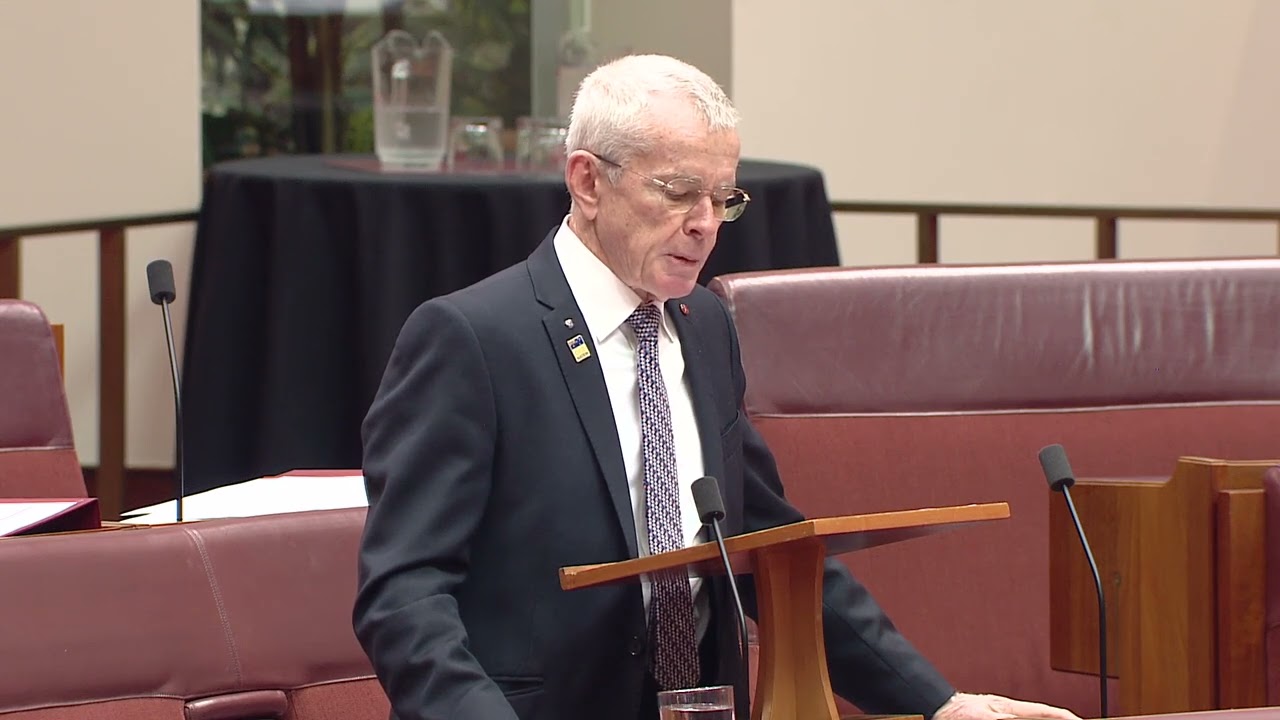
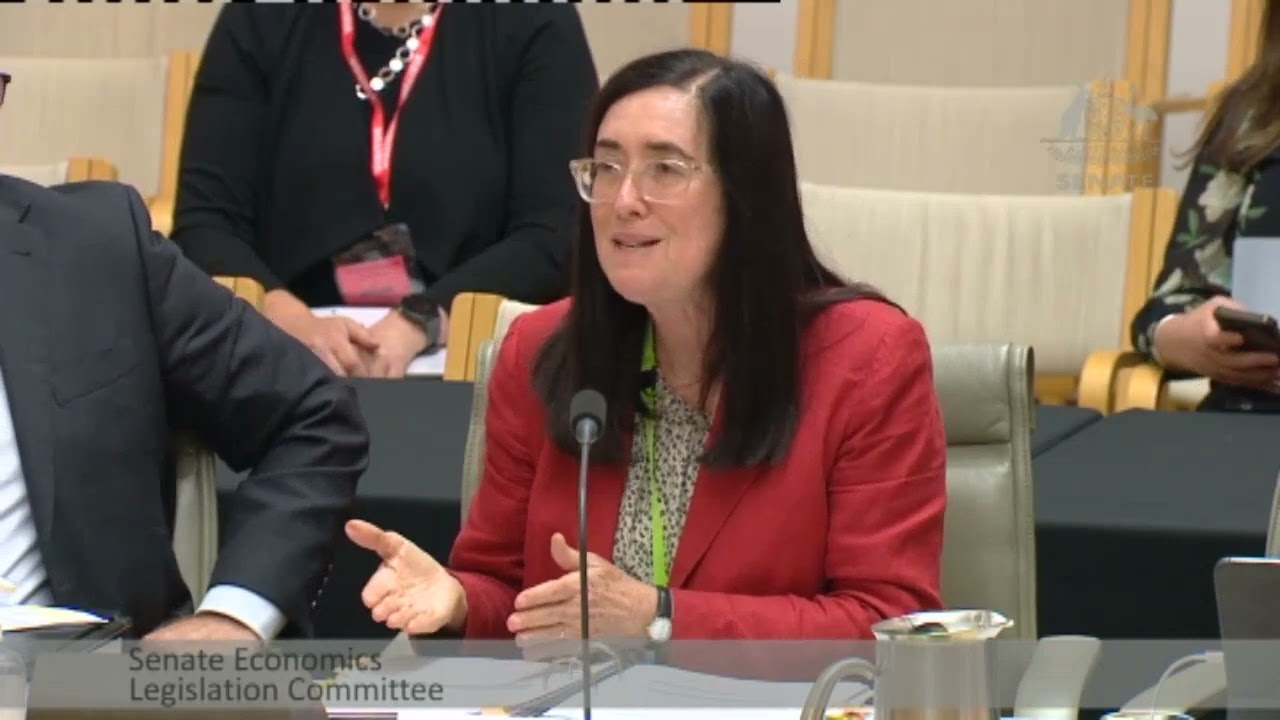
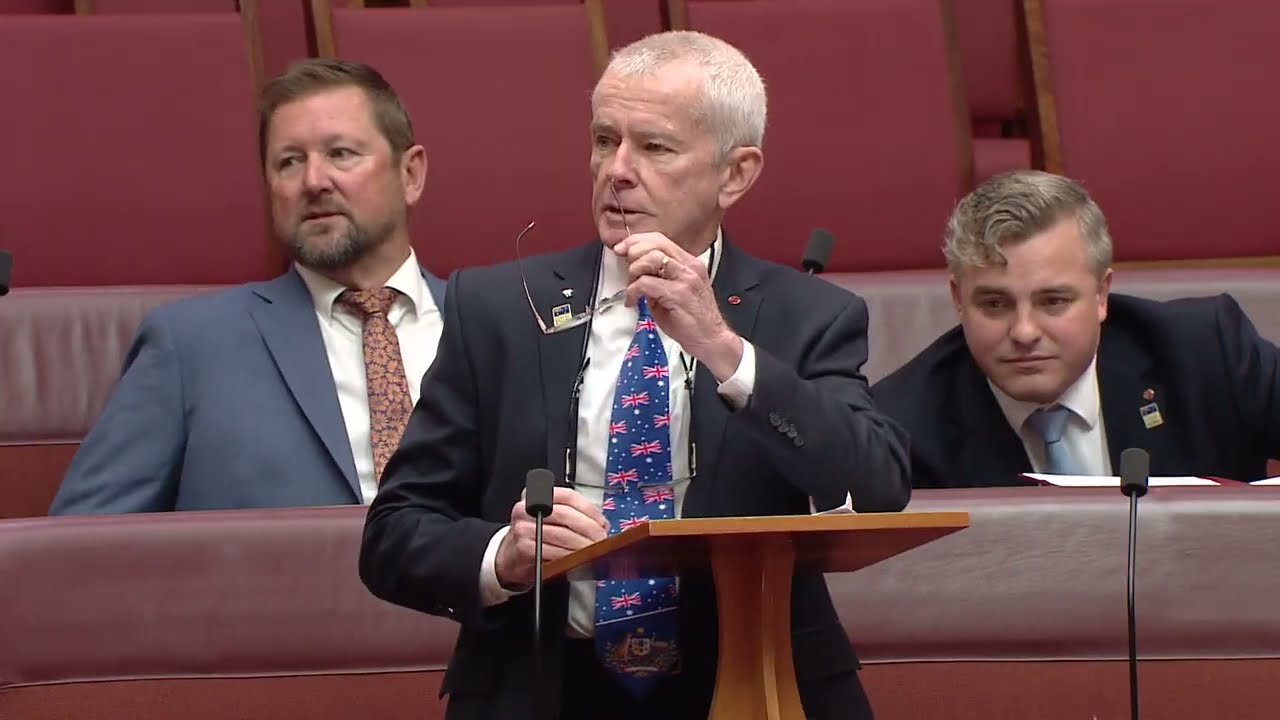
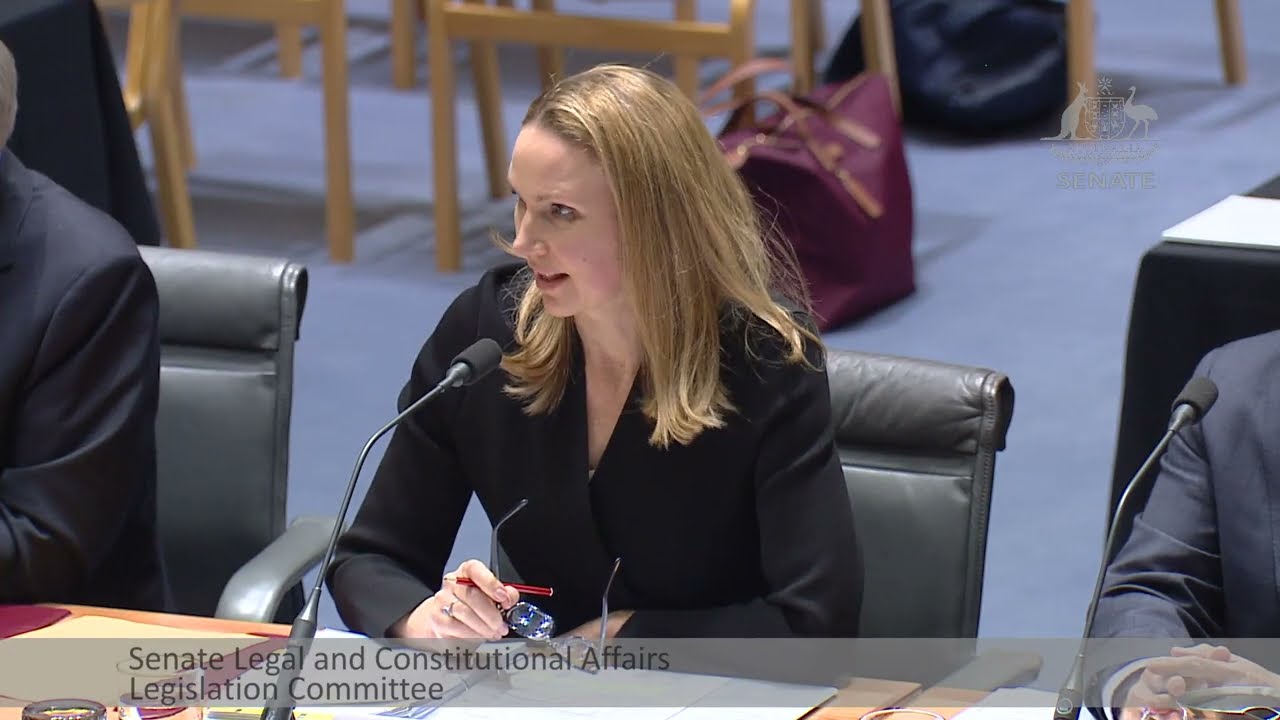
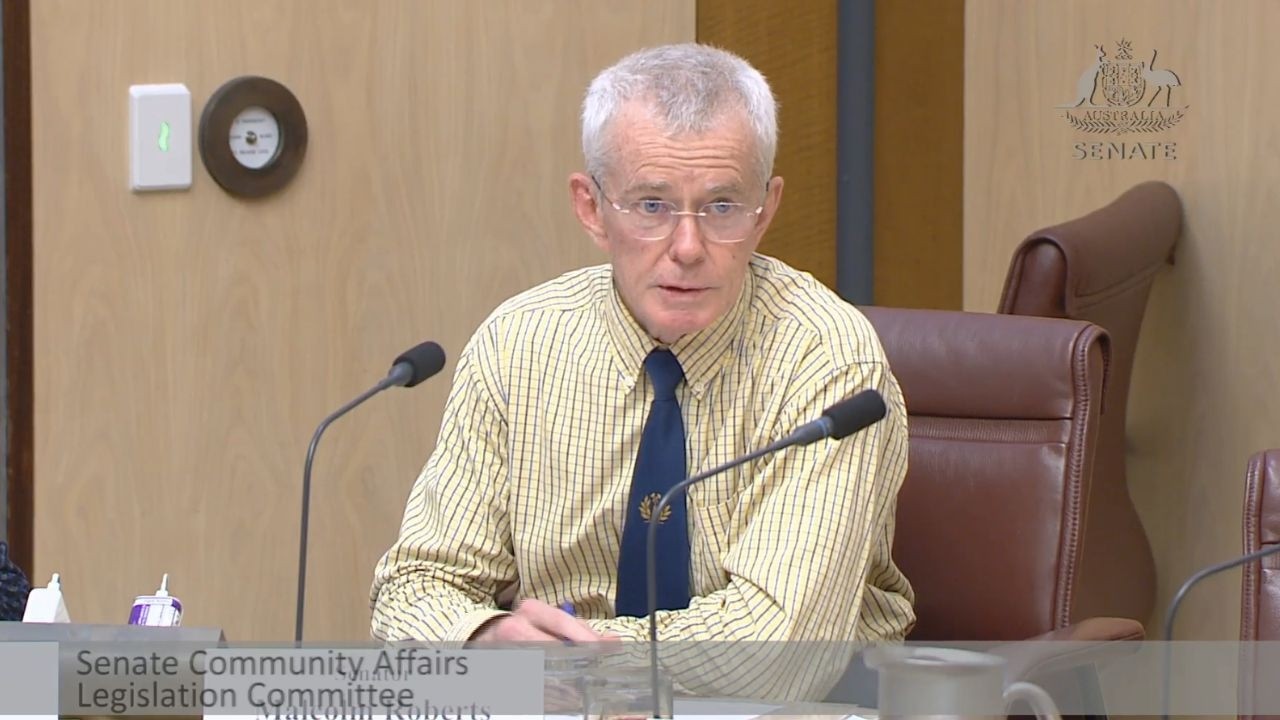
I welcomed the ACCC’s decision to oppose the takeover of the insurance arm of the Royal Automobile Club of Western Australia by the IAG Group – and pushed hard on a bigger issue: the revolving door between regulators and major law firms.
I raised recent examples of senior ACCC figures moving straight into firms with competition clients, stressing that, even with separation deeds, the perception and potential for insider advantage remain.
Australians deserve a regulator beyond reproach, and senior officials shouldn’t be able to jump straight into the industries they once oversaw.
It’s time to restore integrity and end the cosy pipeline.
— February | Senate Estimates
Transcript
CHAIR: Senator Roberts.
Senator ROBERTS: Thank you for appearing again.
Ms Cass-Gottlieb: It’s a pleasure.
Senator ROBERTS: It was intriguing hearing some of your comments in answer to Senator Sharma—taking on Apple and mentioning Apple Pay and some of your other comments. I just use cash, because governments have been trying to get rid of cash, so we have to protect it. Anyway, it was very brave, so thank you for your refreshing comments. I’m going to start with a compliment, actually. In October, we discussed the growing concentration in the ownership of insurance companies. You mentioned you were reviewing the takeover of the insurance arm of the Royal Automobile Club of Western Australia by the IAG Group. I note that, on 11 December, the ACCC announced the takeover had been opposed on the basis of a reduction in competition. Thank you. That’s all I wanted to say on that. I hope this is the start of the end of market concentration in insurance.
Ms Cass-Gottlieb: It was based upon a careful analysis of the market conditions in Western Australia. It is possible that transaction will be brought back to us under the mandatory merger notification regime. The parties did foreshadow that when we announced the opposition under the informal regime. So it may be reassessed.
Senator ROBERTS: Tonight’s line of questioning is about a potential revolving door of staff between the ACCC and private legal firms. Are there restrictions on someone who is on the ACCC payroll, especially the executive, leaving and immediately taking a position in the business they may have just been regulating at ACCC.
Ms Cass-Gottlieb: We require the entry into a separation deed that—
Senator ROBERTS: What does that mean?
Ms Cass-Gottlieb: They enter into an agreement with the ACCC, which is a binding, enforceable agreement, to firstly preserve the confidentiality of the information that has been received and also to continue to observe obligations that applied under the employment in relation to conflict of interest. We did, in one case, specify a period of required leave before employment could be taken up in a private law firm, but we look at that question—beyond the general obligations in relation to conflict of interest and preservation of confidential information—on a case-by-case basis.
Senator ROBERTS: Is signing that deed a requirement that the prospective employee must agree to before signing up?
Ms Cass-Gottlieb: Yes. Employees are obliged to do so, and commissioners enter into a code which, during the term, obliges us to comply with all statutory obligations and legal obligations and also to enter into that separation agreement upon leaving.
Senator ROBERTS: That relies on trust. It would be very difficult to enforce it, because you don’t know what’s happening in the new employer’s offices.
Ms Cass-Gottlieb: We have some observation because we see who comes before us. But, yes, we do not know what is being said.
Senator ROBERTS: The Australian Financial Review has reported on this topic, and I’m considering legislation to stop politicians and senior bureaucrats leaving and going to work for a company they were just regulating. This practice is too commonplace. ACCC Commissioner Liza Carver—is that how you pronounce her name?
Ms Cass-Gottlieb: Yes.
Senator ROBERTS: She left in May 2025, halfway through her term, and went to work for Herbert Smith Freehills. Is that correct?
Ms Cass-Gottlieb: It is correct.
Senator ROBERTS: Did you address this move at the time, in respect of the perception—and I’m sure this was a false perception—that HSF bought off an effective commissioner with a large job offer?
Ms Cass-Gottlieb: I think that is an incorrect perception, and Ms Carver did sign a separation agreement.
Senator ROBERTS: Commissioner Carver was the enforcement committee chair for the 2023-24 ACCC prosecution of BINGO bins. BINGO bins were represented by Herbert Smith Freehills. Bingo lost and were fined $30 million. In the Sigma Healthcare and Chemist Warehouse merger—
Ms Cass-Gottlieb: Sorry; just one moment. I should note that, to my knowledge, though it was resolved before I became chair, Ms McDonald would know Miss Carver was conflicted and did not participate in the consideration of BINGO matters when she came to the ACCC.
Senator ROBERTS: Okay, thank you. In the Sigma Healthcare—Chemist Warehouse merger, Carver as deputy chair of the Mergers Review Committee participated in merger assessments in that period. The merger was approved in November 2024. Herbert Smith Freehills advised Chemist Warehouse—I’m not suggesting misconduct in any way by any party, but I am saying the capacity for corruption exists in these arrangements. I think you’re acknowledging that.
Ms Cass-Gottlieb: We have a very clear and very strict conflict policy. Commissioners are required to disclose conflicts of all work that has been done, if they have been in private practice when they join the ACCC, that results, depending upon the extent of the seniority. If it’s a one-off transaction, it’s at one end of the spectrum; if it’s continued advising, it’s at another. If at the continued-advising level, that person will be conflicted and not have involvement in matters for that company for a number of years while at the ACCC. But, if a clear disclosure is given, the chair receives advice on it from our general counsel and our CEO, and I then take a recommendation to the commission, and we decide and record in a register the treatment of that conflict. So we take that very seriously. Frequently, for the initial period, when commissioners join, if they have been in private practice, they will be absented from a number of matters. They leave meetings, they don’t participate at all in the deliberations, they don’t receive papers, and they do not then participate in decision-making.
Senator ROBERTS: Of course, I didn’t think of that, but there are potential conflicts entering ACCC as well as departing from ACCC.
Ms Cass-Gottlieb: There are. There is an objective to bring in highly skilled and experienced people. We have many highly skilled and experienced people who have worked in the public service throughout their career, and they are significant—they are the majority of contributors in the ACCC, there is no doubt—but we also bring in and are keen to attract appropriate people with skill levels, and that requires careful management.
Senator ROBERTS: I suppose it’s small, but there may be some people who want to get into ACCC so they can get out again later and use their contacts. It’s always a possibility.
Ms Cass-Gottlieb: It’s a possibility. We do seek through our legal arrangements in the separation deed to manage this, but it’s a possibility.
Senator ROBERTS: Jennifer Barron was promoted to general counsel for merger reform in early 2025—this is my last question—with a major task on the books: preparation for merger law changes. In late April 2025, King & Wood Mallesons announced her appointment as a partner in their national competition team in Sydney, a team which does merger cases. The law says this person can’t use direct knowledge of an upcoming event at the new company, but they can use any other insider information to make themselves a valuable new employee. Is there anything being done about that?
Ms Cass-Gottlieb: Ms Barron also entered into an agreement undertaking ongoing obligations to preserve confidential information.
Senator ROBERTS: Thank you very much.
Ms Cass-Gottlieb: My pleasure.