

It’s wrong that Australian parents are forced to pay child support to a parent holding their child in Japan contrary to Australian court orders.
During this session, the department couldn’t tell me how many Aussie parents are trapped in this nightmare, nor how they ensure these funds actually benefit the children.
While I welcome news of updates to Japanese domestic law, we must stop enabling parental abduction.
Transcript
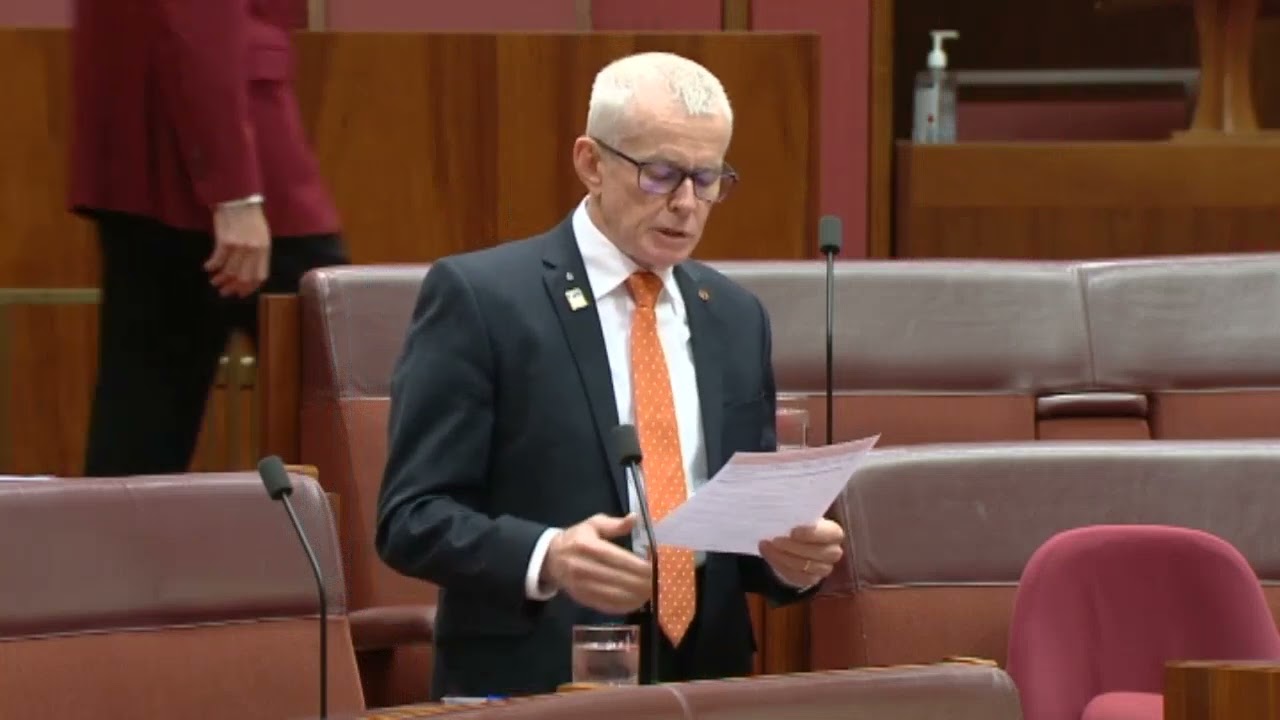
Senator ROBERTS: Thank you all for being here again today. My questions should be fairly brief, I think. For those not familiar with this scenario, many Australian children have been taken by one parent to Japan, with that parent refusing to return the Australian child to Australia, contrary to both the wishes of the other custodial parent and an Australian court order. In Japan, the non-Japanese parent is often denied access to their child or to even have contact with that child. Sometimes contact is limited to a small number of written letters or emails per year. This is because of Japanese domestic law. Senator Chisholm, I’ve just heard good news from Senator Wong that Japanese domestic law has been changed. So this may be eased somewhat. This organised child stealing is still happening, to some extent with the financial support of our welfare system here in Australia. Why should an Australian parent be forced to pay child support to a Japanese parent where the child is being held in Japan contrary to the wishes of the Australian parent and other family members and contrary to court orders? Why should that happen?
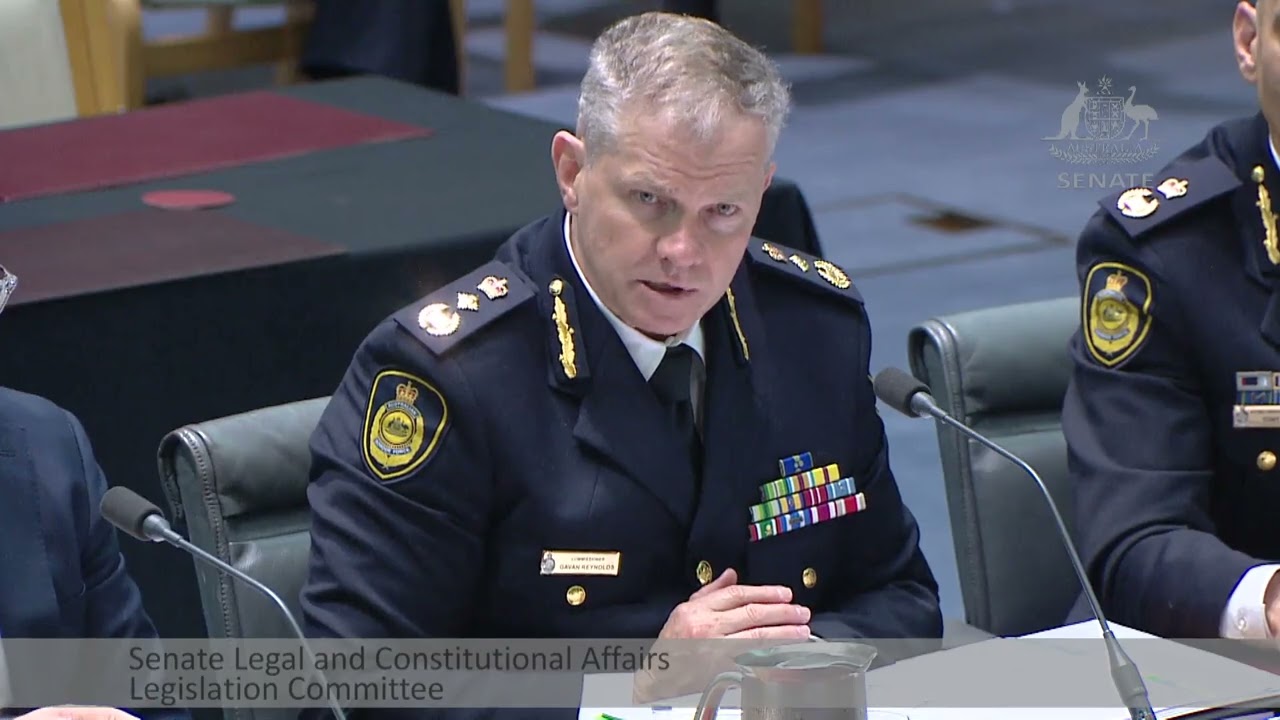
Mr Flavel: On child support, there are a number of different agreements that exist between countries in relation to child support, and I don’t really want to get into providing a commentary on their adequacy or the way that they apply in individual cases.
Senator ROBERTS: Could you take it on notice?
Mr Flavel: I am very happy to take it on notice.
Senator ROBERTS: Thank you very much. How does Social Services know that the money being paid to the parent in Japan is used for the benefit of the child?
Mr Flavel: That, of course, goes to any payment made, if what you’re referring to is child support payments, because you mentioned welfare. Child support isn’t welfare. Child support is a payment from one parent to another. There aren’t requirements for the receiving parent to acquit the payments. Obviously, there would be an expectation, though, that they are being applied for the wellbeing of the children.
Senator ROBERTS: Does this system of paying child support to an overseas parent encourage the child stealing parent to basically hold the child at ransom by taking the child to Japan?
Mr Flavel: I think that’s veering dangerously into giving an opinion, so I’m not going to do that.
Senator ROBERTS: How many Australian based parents are being forced to pay child support to a parent holding a child in Japan?
Mr Flavel: If you are after numbers of international child support arrangements, we can take that on notice and provide that to you, and, if it’s specifically in relation to Japan, we can come back on that.
Senator ROBERTS: Thank you. Is the situation as it is really in the best interests of the child?
ACTING CHAIR: Again, Senator Roberts, I think you’re going to an opinion. Could you frame your question in the sense of a fact that the officials can respond to.
Mr Lye: The child support scheme is about making sure that children in separated families are not left in poverty and receive the benefits of the resources of both parents where possible. It’s to address high rates of child poverty. I know the issue that you’re pursuing is a particular one in relation to that, but the reason why the scheme itself is there is to protect the interests of children. There has been a lot of conflict in the scheme over the years because separated parents, almost by definition, don’t agree on things, but very few people would contend that a child shouldn’t benefit from the economic resources of their parents, even where they’re separated.
Senator ROBERTS: I agree with you on that score, Mr Lye, but I’m wondering how we can make sure it’s being effective.
Mr Lye: We can come back to you on the questions you’ve asked.
Senator ROBERTS: Thank you.





🛐🙏