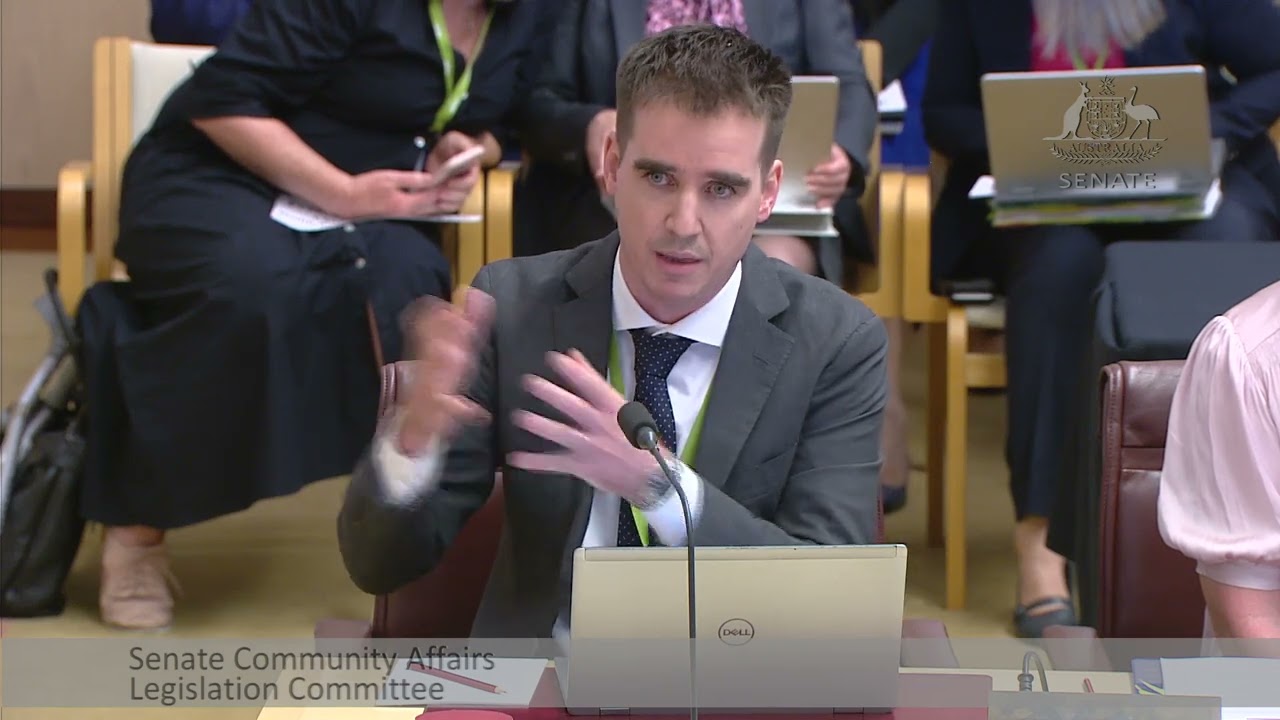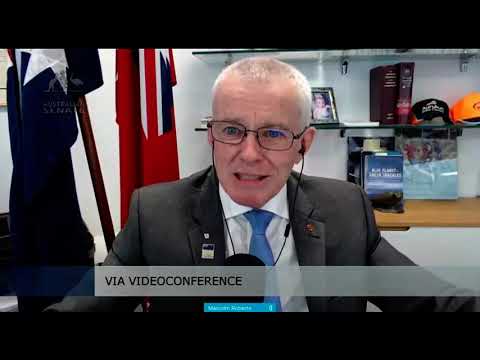

In this session, I asked about the system for testing childhood vaccines before authorisation and during use. I asked because the United States FDA has recently de-listed approximately half of their scheduled vaccines due to adverse events (side effects).
It was a simple question, yet the answer was “tag-teamed” across the panel of witnesses from the TGA to avoid answering it directly. It is damning that their own Database of Adverse Event Notifications (DAEN) shows numerous adverse events, which the TGA simply ignores.
Instead, they quote the benefits of vaccines, which have never actually been proven in field trials. I have spoken about this before: in comparisons between vaccinated and unvaccinated children, the unvaccinated were healthier. I will return to this line of questioning during the next estimates.
You will also note they relied on an answer provided to me in Question on Notice 3212, which has neither been published nor provided to me.
— Senate Estimates | February 2026
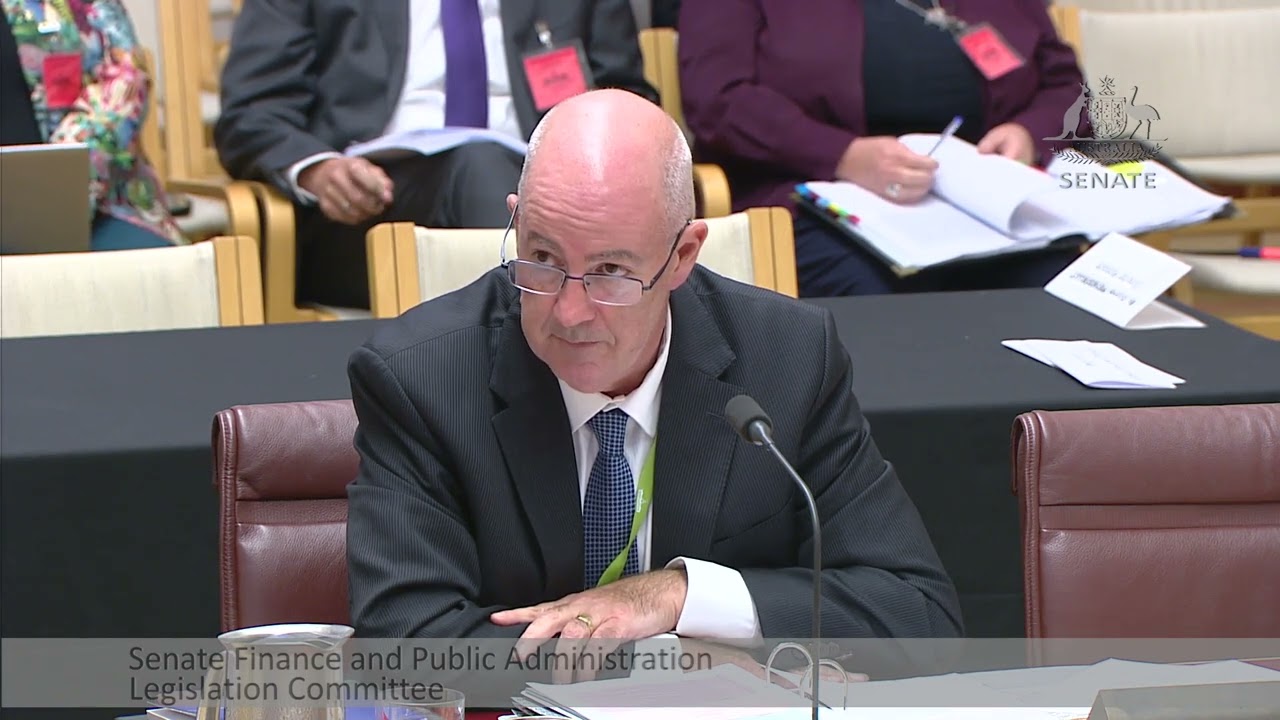
Transcript
Senator ROBERTS: Thank you. I come back to two separate points you raised. Ms Peatt, you mentioned that Australia assesses the vaccines. Do they do actual testing? What is the method of assessment? Trials?
Dr Peatt: I’d have to throw to Professor Lawler about the assessment that the vaccines go through, but, from my knowledge, we don’t assess the vaccines. What we do do is rely on evidence and data to ensure their safety. I’ll hand to Professor Lawler.
Senator ROBERTS: Okay. Where do that evidence and data come from?
Mr Henderson: We have a process where we rigorously evaluate submissions provided by sponsors of these vaccines.
Senator ROBERTS: The drug companies?
Mr Henderson: The pharmaceutical manufacturers, who then sponsor—
Senator ROBERTS: Submissions from the drug companies?
Mr Henderson: Yes. We require a significant amount of evidence to support our assessments of the safety, efficacy and quality of those vaccines before they can be marketed and supplied in Australia.
Senator ROBERTS: Let me understand this. I go back to March 2021. I think it was. I asked the previous head of the TGA, Professor Skerritt, or Dr Skerritt, what testing was done in this country on the COVID injections. He said none. They relied on the FDA. At the time he said that, it was after the FDA had admitted they did no testing themselves; they relied on Pfizer. You’re telling me you’re doing the same thing. Okay. The next—
Mr Henderson: Sorry, Senator. I might just jump in there. No, all the COVID-19 vaccines are now what we call fully registered, so they have been assessed on a full suite of evidence to support safety, quality and efficacy of those vaccines. For COVID-19 vaccines, as well, we did have a program in place where we did batch testing of all vaccines in the TGA laboratories before they could be supplied in Australia.
Prof. Lawler: I might add to that if I may, Senator. I note your use of the word ‘testing’. The role of the regulator—and this regulatory practice is standard worldwide—is that we undertake an unbiased and objective assessment of the evidence that is presented to us, particularly—
Senator ROBERTS: From what entity? The supplier?
Prof. Lawler: That was part of the rest of my answer, Senator. I’m going through the process that we follow. While, for the most part, that is supplied by the sponsor who is seeking registration of the product, it does undergo an appropriate assessment by our own experts to determine that the size of the sample, the controls that are placed, the primary endpoints, the outcomes and the adverse events—all of those elements of the study—indicate that the risk-benefit analysis is positive. The process that we undertake is similar to others.
As Mr Henderson’s highlighted, during COVID we had a provisional registration pathway. This was during a time, as you would recall, when the risk-benefit of providing a provisional authorisation for that vaccine was high. Since then we have undertaken a transition of that vaccine through to a full market authorisation. There are other mechanisms for assessing the evidence, and obviously in this instance we can also rely on the real-world evidence that the overwhelming benefit—that the risk to benefit is positive given the number of lives saved by the administration of the COVID vaccine when compared to the incidence of adverse events.
Senator ROBERTS: Mr Lawler, before I ask my—
Prof. Lawler: Professor Lawler. Sorry, Senator.
Senator ROBERTS: Professor Lawler, you said a minute ago in another answer ‘Australian disease patterns—forget overseas’. Now you’re saying they’re similar to others, so our testing is similar—or our assessment is similar to others; you don’t do testing.
Prof. Lawler: I actually said neither of those things, Senator. I certainly didn’t say that we should forget other countries. What I said is that we make our own vaccine schedules based on the demography, the epidemiology, the disease patterns and so forth of Australia. We certainly have a mind to others. Just as an example, the disease patterns in the northern part of the world circulate to the southern part of the world some six months later. So we certainly have to be mindful of what’s going on in the rest of the world. We don’t forget what’s going on there. What I then said was that there are consistent, if not identical, approaches to regulatory decision-making around the world. There is significant positive collaboration and work sharing between regulators so that we can know what the appropriate practices are, particularly horizon scanning, so that we know what’s coming up. But I would highlight that the answer that I gave actually went to how we regulated during COVID, which was different to other countries. Other countries undertook what’s called an emergency-use authorisation. We undertook a process of provisional registration, which was an abbreviated and expedited process that did not lift from sponsors the requirement to provide appropriate evidence, particularly real-world evidence, and then the appropriate, more fulsome transition to full market authorisation thereafter.
Senator ROBERTS: I can only go by what your predecessor said—that they relied on the FDA. Dr Peatt, you said the childhood injections are free.
Dr Peatt: Yes.
Senator ROBERTS: They’re actually paid for by $750,000 by the taxpayer.
Dr Peatt: Yes. That’s correct. What I should have said is that they are provided free to people who are eligible for those vaccines. But, yes, they are fully funded by the government.
Senator ROBERTS: The taxpayer.
Dr Peatt: Yes.
Senator ROBERTS: There’s no such thing as government money. It’s all taxpayer money.