

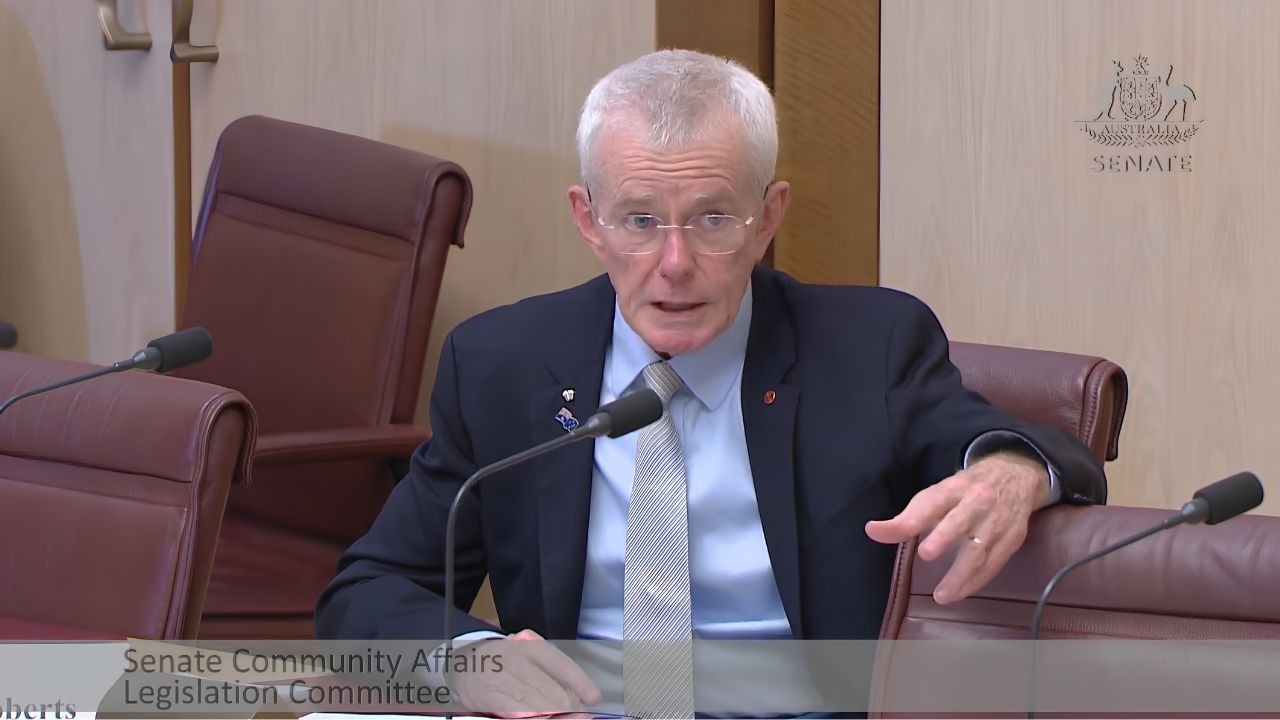
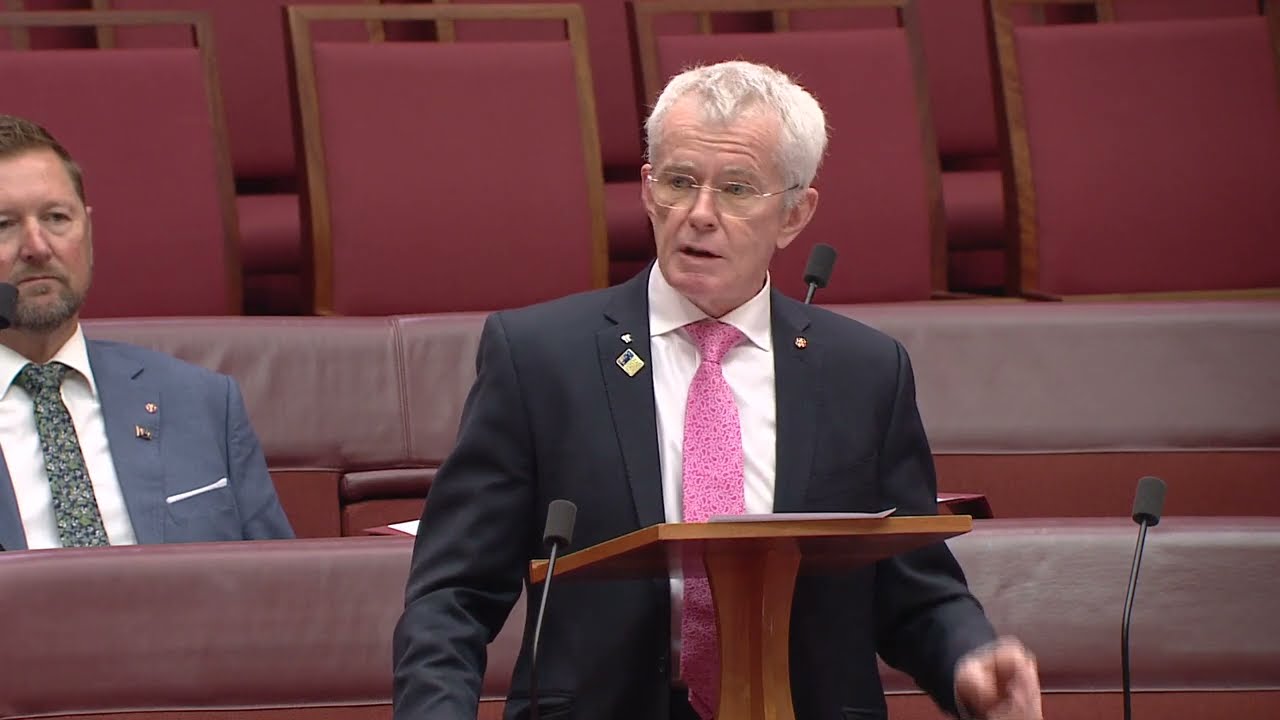
In this session, I question the Aged Care Safety & Quality Commissioner on why some Commonwealth-funded aged-care facilities are banning family visitors without a legal or public health mandate. Many constituents are raising this issue, and I wanted to find out what was the lawful basis for these “operational discretions.”
I was pleased to get a direct admission from Ms. Metz that there is no legal basis under the Aged Care Act for a provider to unilaterally ban a visitor. In fact, the Act explicitly protects the resident’s right to have visitors.
The ACQSC confirmed that they view an unjustified visitor ban as a serious breach of residents’ rights.
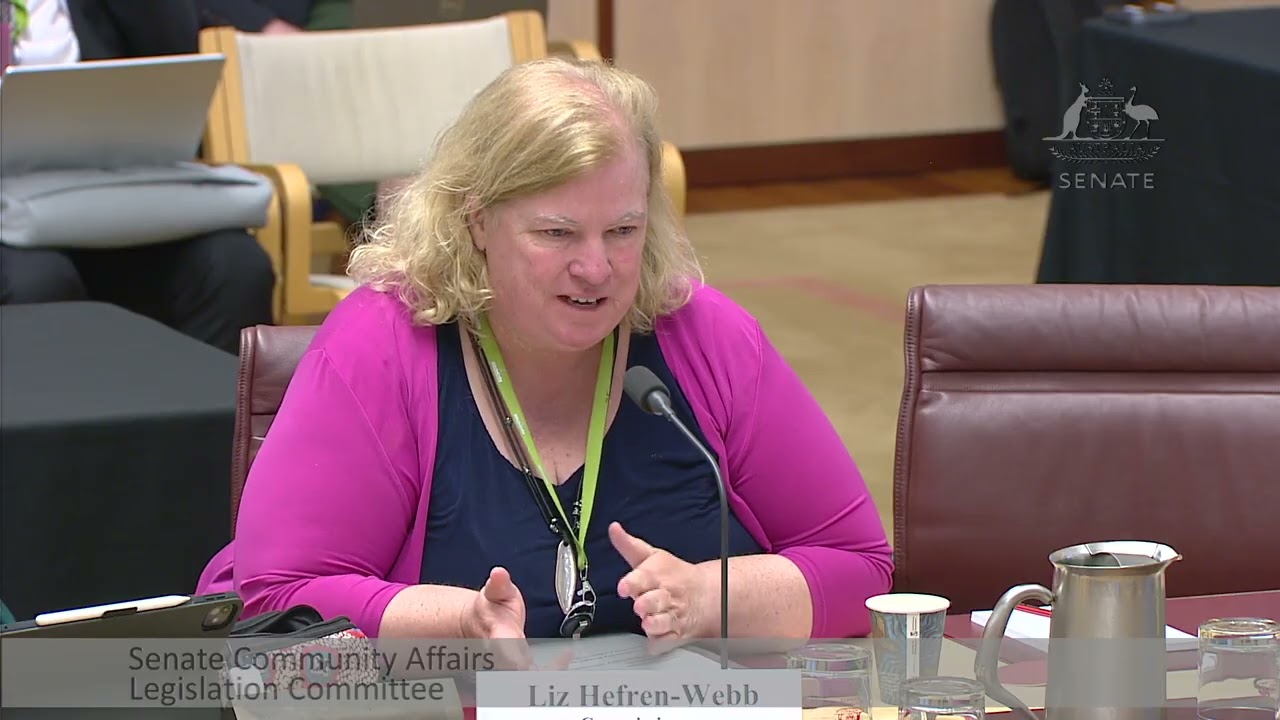
I questioned why funding continues to flow to these providers while they are under investigation for unlawful bans. Ms. Hefren-Webb clarified that while they don’t control the “funding lever” (which sits with the Department), they do have the authority to pursue civil penalties and compliance notices.
It was concerning to hear from Mr. Day that the Department hasn’t issued explicit guidance to providers telling them they can’t use visitor bans as a lazy substitute for proper staff discipline or complaints management.
The Commission could not provide immediate data on visitor ban complaints or subsequent enforcement actions, and took these questions on notice.
We must ensure that our elderly are not isolated from their loved ones just because a provider finds a family member “difficult.”
– Senate Estimates | February 2026
Transcript
Ms Hefren-Webb: Hi, Senator.
Senator ROBERTS: I think my questions are fairly straightforward, so we should be able to move through them pretty quickly. On what lawful basis does the ACQSC permit Commonwealth funded aged-care facilities to impose visitor bans where there is no public health order, no tribunal decision or no resident request?
Ms Hefren-Webb: Can you just repeat that last bit of your question? Where do we allow them to impose visitor bans where there is no—
Senator ROBERTS: No public health order, no tribunal decision or no resident request.
Ms Hefren-Webb: I’ll have to take that question on notice. I think. Is there a specific circumstance you’re referring to?
Senator ROBERTS: No—I don’t want to bring it up now but constituents are asking us. Does the ACQSC accept that a provider may unilaterally ban a family member as a matter of operational discretion? If so, where is that power derived from in law or regulation?
Ms Hefren-Webb: I might ask Ms Metz to come forward who heads up our Sector Capability and Regulatory Strategy area. I am aware that there are cases where family members are alleged to have caused issues or disruption, and that’s been the subject of the service, maybe, seeking that they don’t attend, but I’m not aware of a ban per se. I’ll just see if Ms Metz has anything to contribute.
Senator ROBERTS: What I’d like to know is where their power is derived from in law and legislation.
Mr Metz: Under the Aged Care Act, residents have a right to visitors and people who are important to them. There’s no legal basis under the Aged Care Act for a visitor to be banned. In fact, it’s the opposite, that people have the right to have visitors. We often, through our complaints process, will work through some of those difficult issues that Ms Hefren-Webb mentioned, where providers have difficult situations with certain family members. We do work through those, with both the providers and the families, to resolve those issues.
Senator ROBERTS: How many complaints has ACQSC received, since 1 January, relating to family or visitor bans in residential aged-care facilities?
Ms Hefren-Webb: We would have to take that on notice.
Senator ROBERTS: That’s fine. Of those complaints, how many resulted in enforcement action, compliance notices or findings of noncompliance with the aged-care quality standards?
Ms Hefren-Webb: Again, we’ll have to take that one on notice.
Senator ROBERTS: I can understand that. Does ACQSC consider the imposition of an unjustified visitor ban to be a serious breach of residents’ rights and if not, why not? I think you’ve already answered that.
Ms Hefren-Webb: Yes, we would consider it to be a serious breach of rights.
Senator ROBERTS: Is Commonwealth funding continued to providers while they are subject to unresolved complaints regarding unlawful visitor bans?
Ms Hefren-Webb: We have complaints that cover a wide range of matters. Our focus is on working with the provider and the complainant and their family and carers to resolve those matters as quickly as possible, to make necessary restoration, if needed, to undertake mediation or other activities. We have no responsibility for the funding of the facilities. That’s the department. Our enforcement activities go to things like enforceable undertaking, civil penalties et cetera. There’s no direct link between if we consider that a provider has failed to respect someone’s rights and a funding lever. We would be taking action through other means.
Senator ROBERTS: You have the authority to do that.
Ms Hefren-Webb: Yes.
Senator ROBERTS: Has the department of health issued any guidance to providers clarifying that visitor bans cannot be used as a substitute for proper complaints management or staff discipline processes?
Ms Hefren-Webb: I’m not aware whether or not there’s been direct guidance on that matter. We can follow that up for you though.
Mr Day: We haven’t provided explicit guidance on that specific issue. We have provided guidance on the impact of the statements of rights that came into effect with the new act, including, as Ms Metz indicated, the right to have access to individuals that are important to an aged-care resident.
Senator ROBERTS: This is my last question, Chair. In the context of the new Aged Care Act and rights based reforms, what steps are being taken to ensure residents are not isolated from family due to provider convenience, disputes or risk aversion?
Ms Hefren-Webb: We have a number of mechanisms by which we are assessing the extent to which providers are respecting the rights of residents. Obviously, complaints are one source of information that we can follow up on. We also receive reports—
Senator ROBERTS: Those are complaints direct to you?
Ms Hefren-Webb: Yes, that’s correct, as well as serious incident reports that come through to us. We also, as I mentioned before, undertake audits of all residential care facilities every three years. In that, we will be interviewing a number of residents, family members and staff to make sure that residents’ rights are being upheld and respected. We also receive anonymous complaints, tip-offs and whistleblowing. So there are a range of ways that those matters can come to our attention. If we were made aware that someone’s right to have family or friends or loved ones visit them was being impeded, we would take that extremely seriously.
Senator ROBERTS: Where do you have offices around the country? If someone in Central Queensland made a complaint, how would you address it? Through the phone?
Ms Hefren-Webb: Initially, we do address matters over the phone. But, if the matter raises significant safety concerns for us, we will send a team, and we can do an unannounced visit of a facility. We have staff who are trained to go and assess what’s happening, find out, investigate. Our staff are based in all the capitals around Australia. In that case, if it were Central Queensland, we’d send a team probably from our Brisbane based staff.
Senator ROBERTS: Chair, I want to put on the record that I rushed my questions because of another deadline, but I want to acknowledge the three respondents. They’ve been very prompt and concise with their answers. Thank you very much.
CHAIR: Thank you, Senator Roberts, for using your eight minutes very efficiently for us. That’s very generous of you today.






Malcolm, many people in parliament state they ” will take it on notice” . Do any of them ever reply- just curious.
Senator Roberts,
As a result of your questioning many departments, the public servants in Canberra must have a new department to answer all those questions and the “take that on notice” responses, many answered with overtones of belligerence
Although the questioning here re Aged centres anb visitors was answered in a far better manner.,