

The Labor Government keeps telling you migration is coming down. The data tells a different story.
Right now there are about 2.9 million people here on temporary visas and another 1.8 million on permanent non‑citizen visas — a total of roughly 4.7 million non‑citizens.
That’s 4.7 million people competing for a home, clogging your roads, and filling your GP waiting rooms. Our infrastructure cannot cope with the scale of this influx.
This isn’t ‘sustainable’ — and it’s a disaster for the Australian way of life.
Transcript
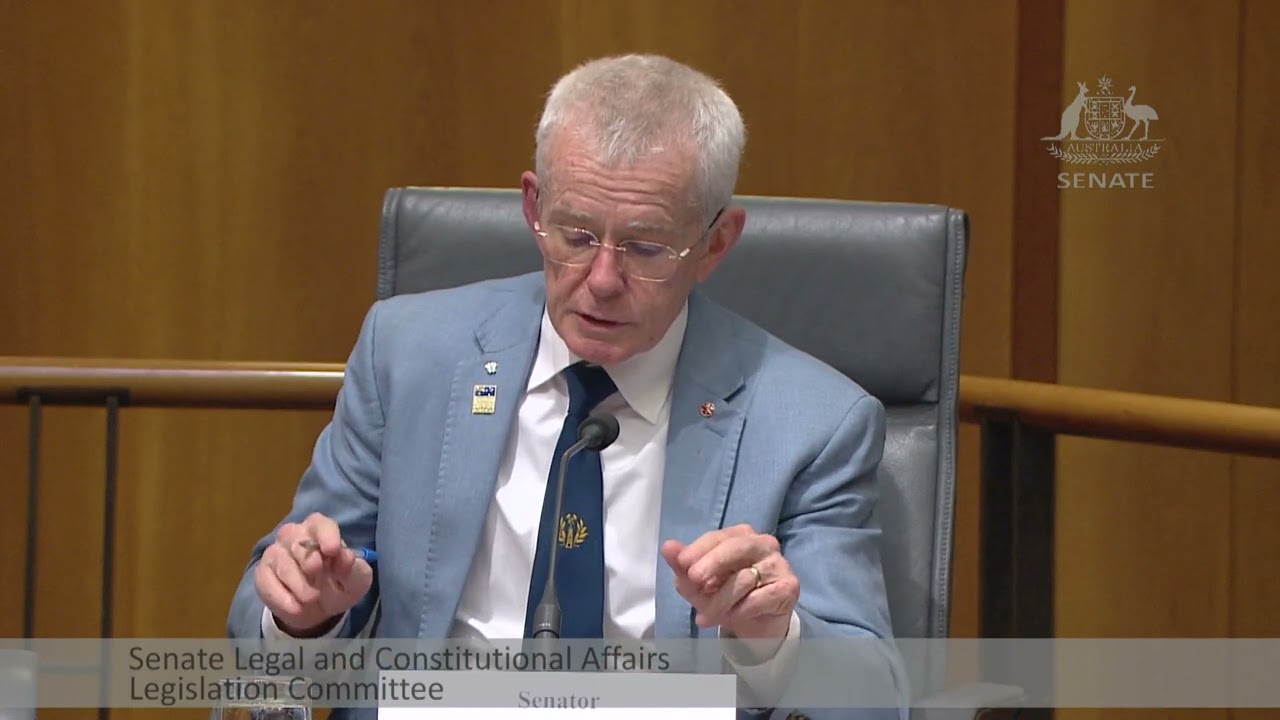
CHAIR: Senator Roberts.
Senator ROBERTS: Thank you for attending. I’d like to discuss migrant numbers and stock data. Can I go to the number of temporary visa holders in the country first. The temporary visa holder stock data says that, at 30 September this year—which is the latest data, apparently—there were 2.9 million temporary visa holders in the country, and 2.53 million when excluding tourists and crew. Can you confirm, please, that that’s the largest number of temporary migrants in the country ever recorded in the month of September.
Mr Willard: I will just find those figures. The 2.925 figure you provided is correct. I’m not able to confirm it’s the largest number ever; I’d have to take it on notice and check every other month.
Senator ROBERTS: If you could—thank you. So we have the government saying that migration is coming down but we actually have what we understand to be the highest number of temporary migrants in the country for this season on record. The total number of migrants in the country certainly hasn’t gone down, has it?
Mr Willard: That figure has increased. Just so we’re clear, that’s temporary visa holders, so that includes people like tourists. It also includes, as I think you mentioned, crew visas, and it includes New Zealanders, who are in fact the largest cohort. The visa that New Zealanders have, through the trans-Tasman agreement, is technically a temporary visa.
Senator ROBERTS: But the 2.53 million figure excludes tourists and crew. That’s what you confirmed.
Mr Willard: Yes. I’d have to do the maths, but that looks about right.
Senator ROBERTS: That’s my understanding of what you said. So we’ve got a high number of migrants, and it hasn’t gone down. Now let’s turn to permanent visas. At the last hearing, the department confirmed there were 1.8 million people in the country on permanent visas. Do you have an update on that figure, or is that still the same?
Mr Willard: I do have that figure. I think it is about the same, but I can’t give you the precise number. I might
have to take it on notice.
Senator ROBERTS: Okay. So, adding the 2.9 million temporary to the 1.8 million permanent, there are now
4.7 million visa holders in the country who are not Australian citizens, correct?
Mr Willard: That’s correct.
Senator ROBERTS: Is that a record for the number of visa holders in the country?
Mr Willard: Again, I’ll have to take that on notice to check the records.
Senator ROBERTS: My understanding is that it is, but I’ll wait for it to be confirmed by you. Can you give a breakdown, please, of the categories of permanent visas and their numbers, as per your latest data.
Mr Willard: Bear with me, Senator.
Senator ROBERTS: That’s okay. No need to rush. We just want it accurate.
Mr Willard: You asked for permanent visa holders?
Senator ROBERTS: Yes—categories of permanent visa holders.
Mr Willard: I’ll run through the figures here. The largest category is the resident return visa. I think last time we were at estimates we spoke about this visa. This is a visa that permanent residents can get once they’re at the initial travel period on their first permanent visa.
Senator ROBERTS: So they can return to the country.
Mr Willard: It’s called resident return, but essentially it’s a permanent resident renewing their travel rights on their visa. That’s 855,000. These figures are to 30 September 2025. There’s the partner permanent visa, which is 205,000. There’s the skilled migration visa, which is 447,000. There are parent visas, which are 38,000. Then there’s a range of other visas—child, other family, other permanent, and special eligibility, which are all smaller amounts, but there’s a range of other visas there as well.
Senator ROBERTS: Why don’t you publish the number of permanent visas on issue like you do with the
temporary visa stock?
Mr Willard: We publish the Migration Program numbers every year, in terms of the Migration Program
outcome.
Senator ROBERTS: Is that including the permanents?
Mr Willard: It includes all the visas issued in the context of the Migration Program for that particular year.
Senator ROBERTS: But not the total number of permanents?
Mr Willard: It doesn’t include the total number. We do publish a paper called ‘The Administration of the immigration and citizenship programs’, which has a lot of data. I’d have to come back to you as to whether it has that specific number in it.
Senator ROBERTS: Could you tell me why you don’t publish the number of permanent visas on issue, like
you do with the temporary visa.
Mr Willard: Sure. I can take that on notice.
Senator ROBERTS: Thank you.








How much notice does this Government official have before attending this Senate Estimate Committee?
Why is it acceptable that he does not know the answer?
When does this Government official have to provide the answer and to who?
How are we able to follow up on the answer?
Thank you 🙂