

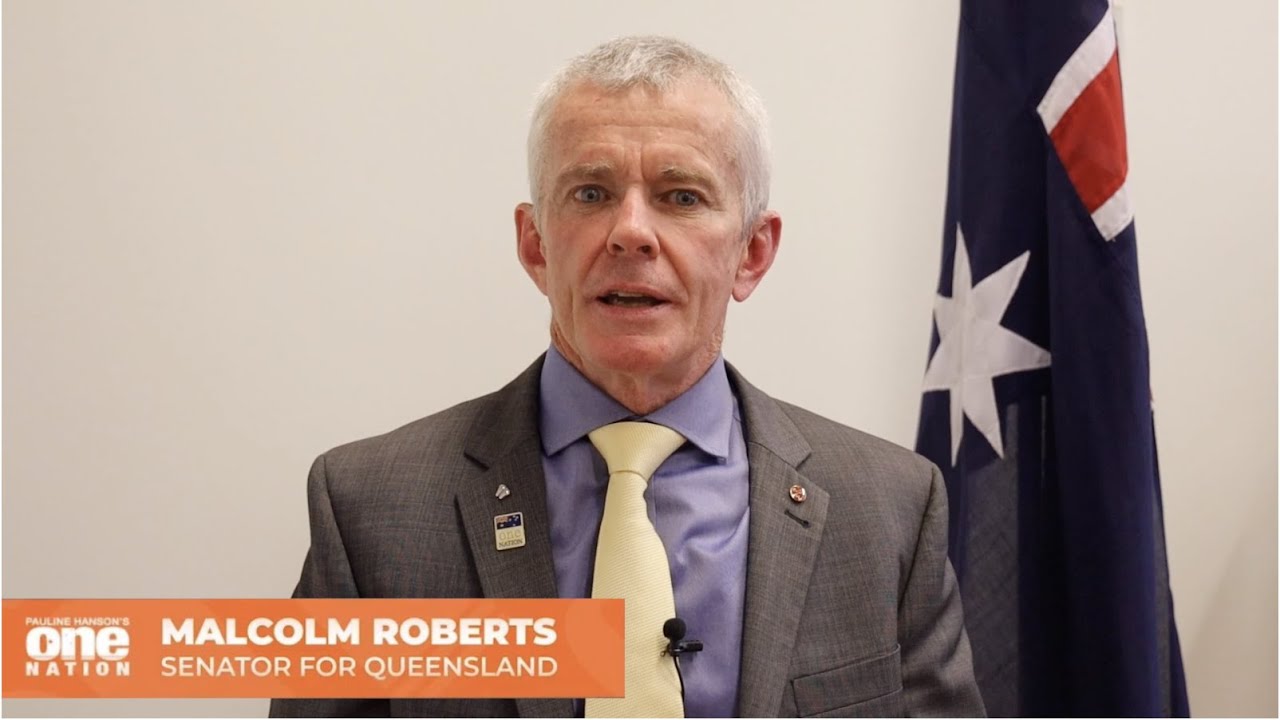
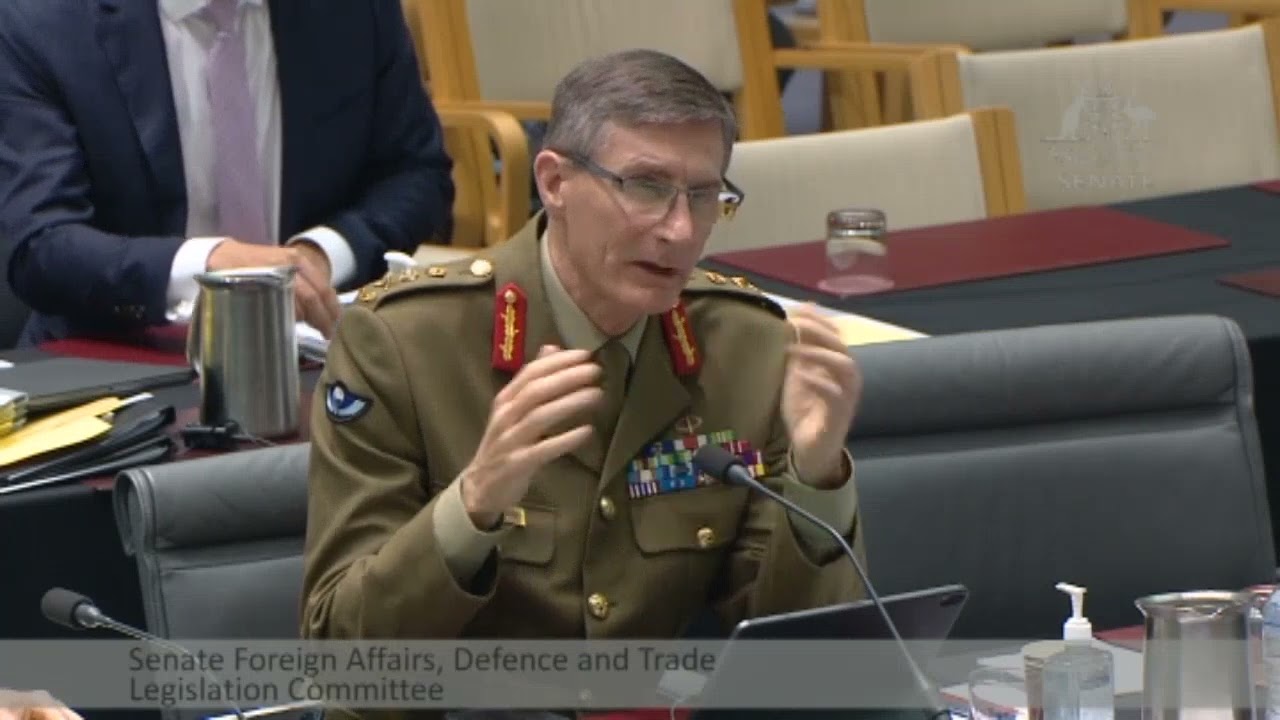
During the February Senate Estimates, I asked questions of the ADF about the tragic case of LAC Andrew Armfield.
From what I’ve been told, the facts are damning:
Mandatory suicide management policies were ignored after his first attempt.
Evidence suggests FOI redactions were used to smear Andrew’s brother, a whistleblower, to protect the ADF’s reputation.
Senior leadership was briefed on “media risk” while claiming elsewhere they were unaware of the situation.
It’s the same old story: The top brass is more worried about bad PR than the lives of our sailors, soldiers, and aviators.
Mateship and trust are strategic assets, yet you can’t have either without the TRUTH.
The ADF leadership has taken my questions “on notice.” I’ll be holding them to it.
Our service members deserve justice, not excuses.
Transcript
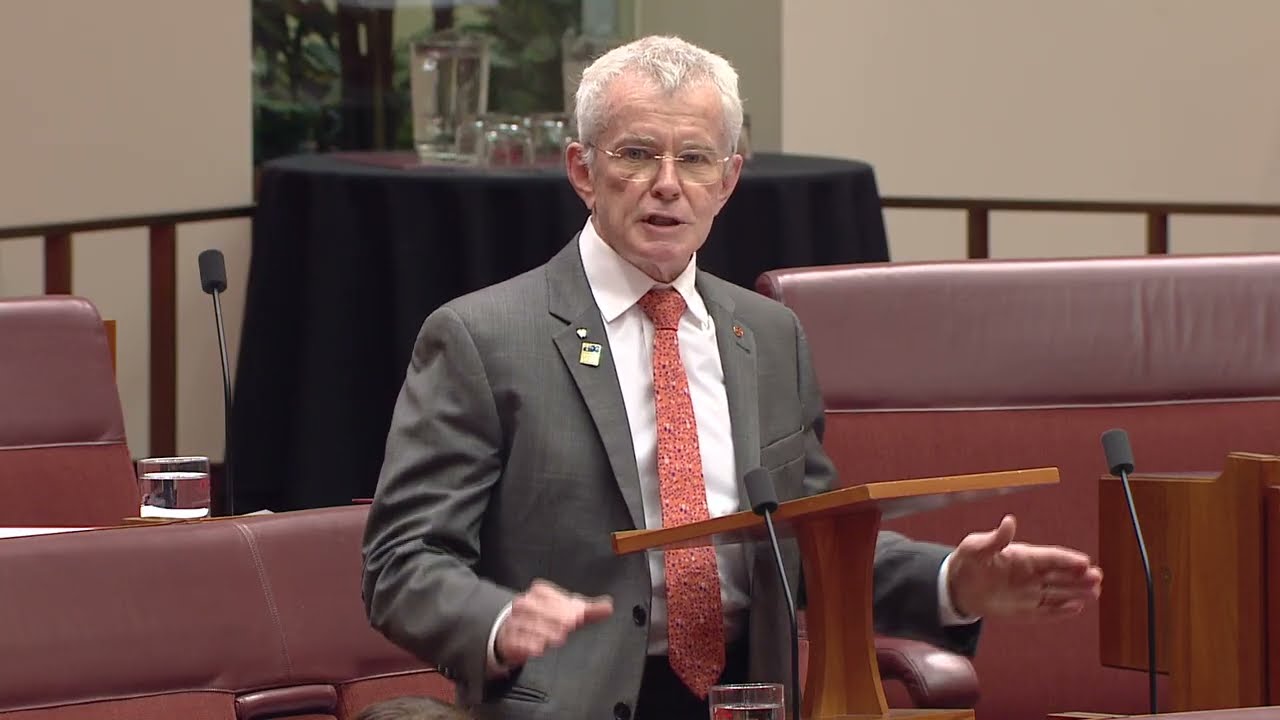
Senator ROBERTS: We’ve heard today that people are important, and that’s reassuring. My understanding is that in the ADF mateship and trust are of strategic importance. They’re strategically significant. Going to safety and trust, I’d like to get to questions that relate to the way that the ADF has mismanaged the suicide of Leading Aircraftman Andrew Armfield and failed to provide him with the support he needed after his first suicide attempt in June 2011. Are you aware that the royal commission transcripts dated 6 March 2024 and a ministerial background brief from the Deputy Chief of Navy, Commodore Ray Leggett, to Minister Matt Keogh in October 2022, copied to Vice Chief of Defence Force David Johnson and Chief of Defence Force Angus Campbell, warned of negative media risk if Mr Armfield’s story became public?
Adm. Johnston: Of course it is very difficult for us to talk about the individual circumstances. As we have explained to you before, we can talk around the support that we are doing to improve suicide awareness, our proactive response to reducing the prevalence of it in the force. Mr Armfield’s circumstances were very much a part of the Royal Commission into Defence and Veteran Suicide. For officials to talk on the particular nature of his circumstances, there is very limited that we can say without his authority to do so. If it is helpful for you to have officials come forward and just explain how we are responding to the types of circumstances that Mr Armfield experienced and what we are doing to improve our response to it, I would be very happy to do so.
Senator ROBERTS: I’ll point out that Mr John Armfield has been involved in developing these questions. We got the data from him. He’s happy for us to talk about it.
Adm. Johnston: That might be true of what he’s provided to you, but that’s not an authority that we have from him.
Senator ROBERTS: I’ll ask again: are you aware that you were copied as Vice Chief of Defence Force on the royal commission transcripts?
Adm. Johnston: I am aware of Mr Armfield’s transcripts, yes.
Senator ROBERTS: Given that ministerial brief, do you accept that sworn royal commission evidence by then Vice Chief of Defence Force, yourself, claiming you were unaware of Mr Armfield’s situation was incorrect as you had been copied in?
Adm. Johnston: Sorry? I’m just not clear on your question about which part you mean was incorrect.
Senator ROBERTS: The ministerial brief to Minister Matt Keogh in October 2022. Given that brief, which you said you got, do you accept that sworn royal commission evidence by yourself claiming that you were unaware of Mr Armfield’s situation?
Adm. Johnston: My comment to you was that I’m aware of the transcript of Mr Armfield’s evidence after the royal commission had occurred. I would have to go back to my own testimony of the evidence to be able to answer that question for you.
Senator ROBERTS: It’s claimed that you were unaware of Mr Armfield’s situation, but you were aware.
Adm. Johnston: Mr Armfield appears directly prior to me appearing as a witness. I heard his evidence. I would have to check the circumstances of that question. I heard the evidence that Mr Armfield gave, because he appeared immediately prior to me on the morning that I appeared at the royal commission. If you could allow me to go back and clarify the question you’re asking to make sure I get the accurate response to it?
Senator ROBERTS: That’s fair enough. At the time of Leading Aircraftman Andrew Armfield’s first suicide attempt in June 2011, was DIGPRS 1626 a mandatory policy requiring a risk management team? Is it accepted that no risk management team and no crisis management plan were ever established by Dr Suresh Babu or Wing Commander Peter Davies?
Adm. Johnston: You’re asking me particulars of details of that set of circumstances. We would take them on notice and do our best to answer them for you.
Senator ROBERTS: I appreciate your desire for accuracy. Do you accept that, by failing to comply with that mandatory policy, Defence removed structured oversight of Leading Aircraftman Andrew Armfield’s care and therefore failed to discharge its duty of care regardless of treatment occurring in a civilian hospital?
Adm. Johnston: Again, I’m not in the position to answer the detail. I just don’t have sufficient knowledge of it. I would look at it, but I would restate the importance and the amount of work that we have done to address suicide within the Defence Force and that with veterans after. There are considerable initiatives, and we have learnt from each one of these tragic circumstances about how we need to change our policies, the awareness of our people and the proactive environment that we can provide in order to minimise the circumstances of suicide occurring. That was a tragic set of circumstances. We are doing our best to learn from them and to change the environment to prevent suicide occurring within the force.
Senator ROBERTS: That’s a nice broad fluffy statement, and it’s honourable, but I’d like a specific answer to that question, if you could give it to me. I accept that you’re putting yourself in a difficult position if you just answer off the cuff, so we’d appreciate the answer on notice.
Adm. Johnston: I’ll take that on notice.
Senator ROBERTS: Why did Defence redact freedom of information material under sections 47E and 47F relating to statements by Flight Lieutenant Carlisle Miles, Commodore Fiona Southwood and Colonel Matthew Freeman when an FOI review later revealed those redactions concealed false and subjective statements portraying Petty Officer Armfield—that’s the deceased’s brother, and he’s also the complainant—as dishonest or mentally unstable? Some of those statements were emailed 11 times to 14 commissioned officers, thereby damaging his professional reputation and shaping a false narrative to protect Defence.
Adm. Johnston: I’m sorry. I don’t have that knowledge, but we will take it on notice.
Senator ROBERTS: Why did the Inspector-General of the ADF in his assessment report of 2022 identify that Lieutenant Colonel Matthew Freeman conducted a fact-finding investigation without the required investigator qualification, acted with bias and exceeded his terms of reference by commenting on Mr Armfield’s mental health? That’s the brother.
Adm. Johnston: Sorry? What is the question within what you’ve just presented?
Senator ROBERTS: Why did the Inspector-General of the ADF in his assessment report of 2022 identify that Lieutenant Colonel Matthew Freeman conducted a fact-finding investigation without the required investigator qualification, acted with bias and exceeded his terms of reference by commenting on Mr Armfield’s mental health? That’s Petty Officer Armfield.
Adm. Johnston: If your question is why did the Inspector-General of the ADF come to that conclusion, that is best, of course, presented to the inspector-general rather than to the department.
Senator ROBERTS: I’d like to know if what he said was true and you’re aware of it?
Adm. Johnston: I would have to take that on notice.
Senator ROBERTS: What authority or qualification did Commodore Bannister rely upon to decide that Mr Armfield’s allegations of criminal conduct, supported by ADF legal advice and reviewed by senior external lawyers, were not referred to police or prosecutors?
Adm. Johnston: Again, I will take it on notice.
Senator ROBERTS: Petty Officer Armfield reported alleged breaches of Commonwealth law on the advice of an ADF lawyer to Commodore Fiona Southwood, Warrant Officer Navy Andrew Bertoncin, Captain Anne Andrews, Chief of Navy Mark Hammond, IGADF and the Defence Force Ombudsman. All were provided the evidence. Process and policy was followed. If each officer deflected or claimed it was not their remit, who exactly does an enlisted sailor, soldier or air crew report allegations of criminal conduct to within the ADF?
Adm. Johnston: That is one of the areas where we have extensively sought to enhance the options that are available to individuals of how they report. Some of them, as you were referring to, would be up through their leadership chain. We have ensured there are independent options that are outside of an individual’s unit or command structure so that in those circumstances where they feel more comfortable reporting externally they have multiple options, whether it is to military police or the inspector-general of the ADF. We now have a centralised reporting mechanism where reporting can be made that is separate to the command chains. We have ensured there are multiple pathways available to people when either they believe that reporting that they may have made to their leadership is not being acted on or where they are uncomfortable with reporting in that environment and they wish to be able to report externally to it.
Senator ROBERTS: What I’m hearing—correct me if I’m wrong—is that mandatory defence suicide management policy was not followed, that oversight failed and you’ve made changes since. Serious concerns raised by Petty Officer John Armfield, the deceased’s brother, were known to senior Defence leadership and possibly yourself while being denied under oath elsewhere; is that correct?
Adm. Johnston: That’s not what I said, with respect.
Senator ROBERTS: No, I wasn’t saying what you said—what I’ve heard, what I’ve interpreted.
Adm. Johnston: No, I didn’t comment on the individual circumstances of the case but did explain what we had done. If your question is around that set of circumstances, I will need to take it on notice.
Senator ROBERTS: If you could take it on notice, please. I accept your correction there. We’ve heard that reputationally damaging material was withheld under freedom of information, that flawed and unqualified investigations occurred and that allegations of possible criminal conduct were not referred despite legal advice; is that correct?
Adm. Johnston: Again, I do not have that detail. I would have to come back to you.
Senator ROBERTS: Notably, the only person referred to law enforcement in this matter was the whistleblower himself, who was acting on the advice of an ADF lawyer, and none of the officers whose conduct is now in question. Could you confirm or correct that, please?
Adm. Johnston: I would have to take it on notice.
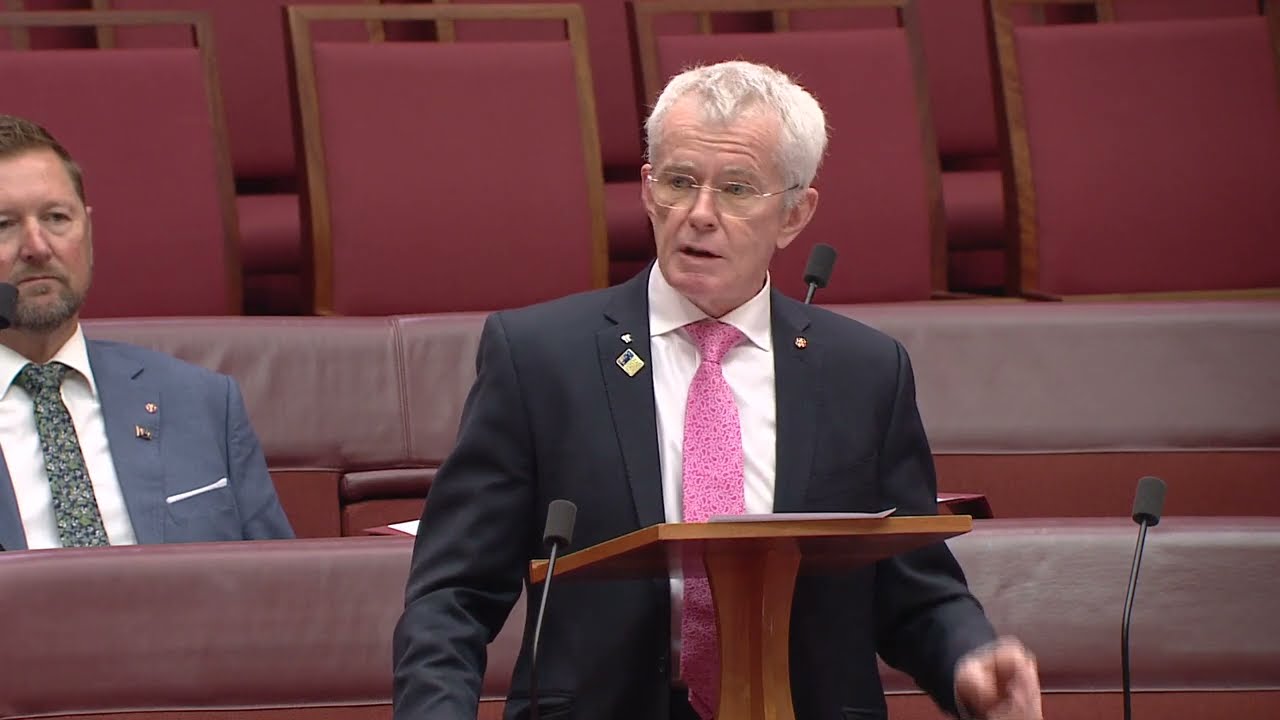
Senator ROBERTS: I don’t see this as support for a whistleblower. It’s avoidance. It goes to the heart of institutional integrity and accountability. I look forward to your answers to questions on notice, because the public deserve the truth. Your officers and your enlisted people deserve the truth—Army, Navy, Air Force—and they deserve justice. Anything less confirms that protecting the institution still matters more than protecting those who serve it. That’s what I’ve seen, being blunt, for the last few years in Senate estimates. The senior brass of the ADF is not standing up and providing leadership.
Adm. Johnston: I hope you have seen significant evidence that, as we have already canvassed this morning, people are critical to our capability, and that the work we are doing through implementing the royal commission recommendations within Defence is a significant priority for us. The structure of support and the environment and culture that we are seeking to build, both within the Defence Force and more broadly across Defence, is highly supportive of our people. There are circumstances—and the royal commission was clear—where we have let people down, and we have acknowledged that. We have put significant effort and priority around doing everything that we can to change those circumstances.
Senator ROBERTS: I look at the report from the inquiry into honours and awards. There was a clear recommendation that Defence put in place a more objective process, and that was nixed by the government. I still don’t see that desire for accountability and truth at the top of the Australian Defence Force.






Leave a Reply
Want to join the discussion?Feel free to contribute!
Using your first name