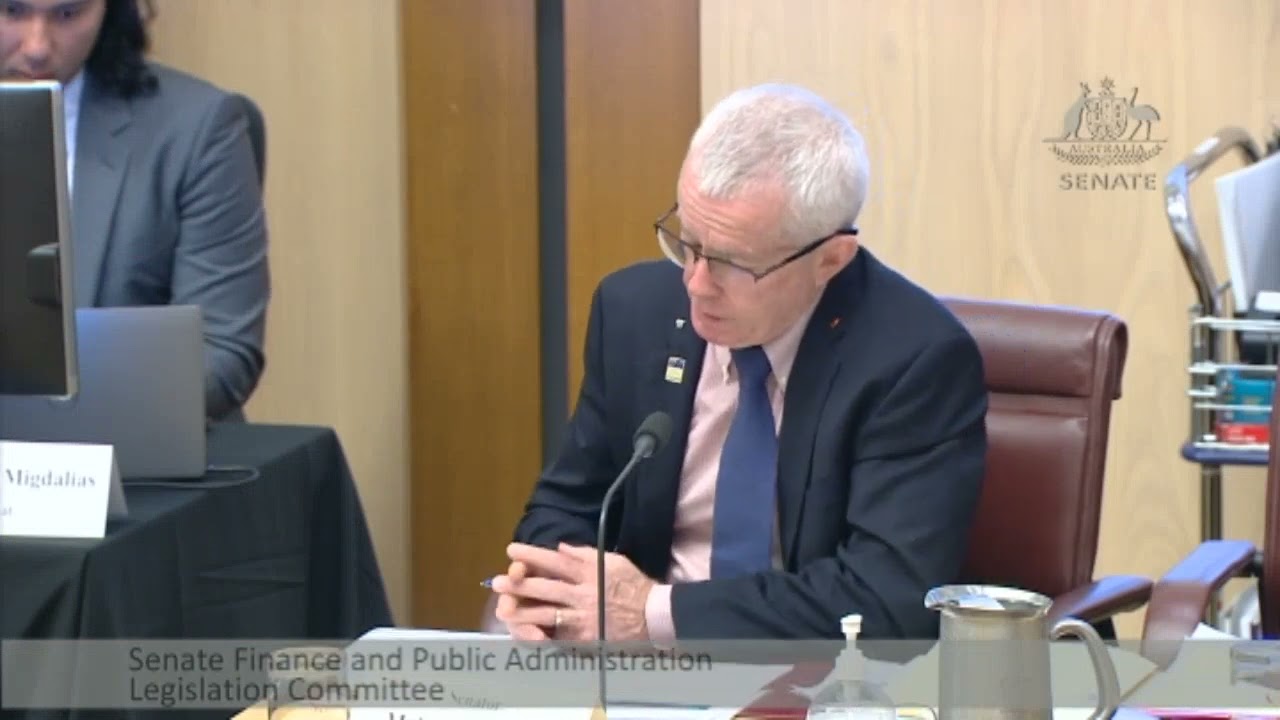
I recently asked questions of the National Anti-Corruption Commission (NACC) about its refusal to engage with complainants who hold critical information—information that could help expose corruption at the highest levels. One such individual is economist John Adams, who has referred serious allegations involving the Prime Minister and ASIC officials. Despite providing extensive documentation, Mr Adams has been shut out of the process. The NACC confirmed they do not consult complainants before deciding whether to investigate. This raises serious concerns about transparency and accountability.
I also asked whether the NACC has served any legal notices or conducted compulsory examinations of the Prime Minister. Their response? “I’m not in a position to answer that.” The NACC “hides” behind confidentiality provisions in the Act, refusing to confirm or deny any action. Why is the federal body so secretive? Australians deserve to know if their leaders are under investigation.
— Senate Estimates | October 2025
Transcript
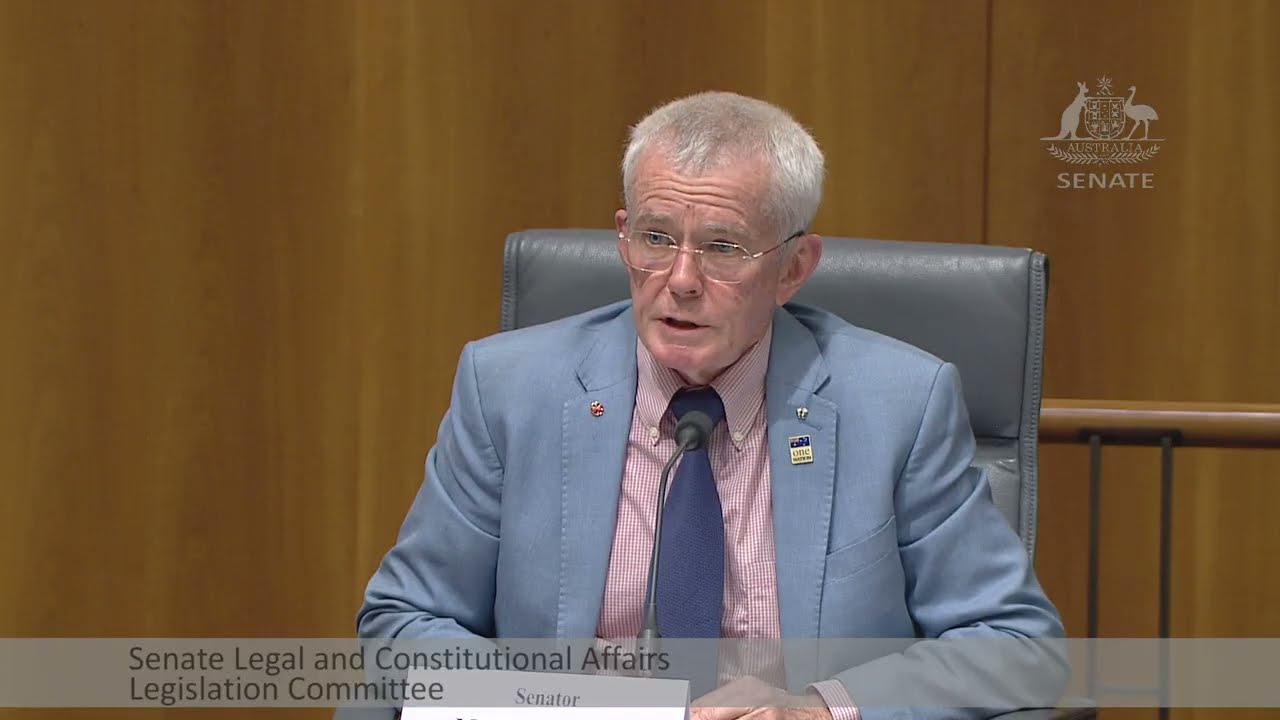
Senator ROBERTS: Why is the NACC refusing to engage with complainants in either preliminary investigations or corruption investigations—complainants who have critical information which can help the NACC fulfil its mission? One person, who has given me permission to name, is John Adams, and he has referred the Prime Minister and ASIC officials. Why haven’t you talked to him?
Mr Reed: Mr Adams has made a number of referrals to the commission. We go through a process of triage and then assessment, and the outcome of that, if it goes from tier 1 triage to tier 2 assessment, is then considered by the NACC Senior Assessment Panel to determine whether or not there’s a corruption issue that could be investigated.
Senator ROBERTS: Can you make that decision without consulting the complainant?
Mr Reed: What happens is that people make referrals, and we assess them. We decide whether or not we’re going to proceed with any further work. Eighty-four per cent of the matters—
Senator ROBERTS: Mr Reed, I accept what you’re saying. Can you make those decisions to take it from one stage to the next without taking to the complainant?
Mr Reed: It depends on what material the complainant has provided. Mr Adams has provided enormous amounts of material.
Senator ROBERTS: He’s diligent.
Mr Reed: He is just one of those individuals who is very invested in one particular matter, and the commission has spent a significant amount of time considering the material that he’s provided and has made decisions about that matter. I don’t think that Mr Adams is happy about that or will ever be happy about the outcome. So we don’t have to go and talk to individuals who made referrals.
Senator ROBERTS: I accept that you don’t have to.
Mr Reed: It’s just the reality of it.
Senator ROBERTS: Mr Reed, has the NACC served any legal notices on the current prime minister of Australia?
Mr Reed: We have received 6,055 referrals since our inception, and it’s just not possible that we’re going to talk to all of them, and, in many ways, there’s no requirement to. Sorry, I missed your question.
Senator ROBERTS: Has the NACC served any legal notices on the current prime minister of Australia. If so, how many and when?
Mr Reed: I’m not in a position to answer that. We don’t talk about the work that we do. We don’t talk about referrals, unless they’re on the public record. We don’t talk about investigations. We don’t talk about where notices are served.
Senator ROBERTS: Why not?
Mr Reed: It’s just the nature of the act. The act requires us to do things confidentially and largely in private. That’s the reality of the act.
Senator ROBERTS: Has the NACC compulsorily examined the Prime Minister?
Mr Reed: We will never talk about the work we’re doing until we publish a report at the end of the work we’re doing.
Senator ROBERTS: Does the same apply to ministers, not just the Prime Minister?
Mr Reed: I’m not going to enter into a debate about the work that the NACC is undertaking in any of its investigations. It’s not appropriate to talk about it here.
Senator ROBERTS: In October 2021, the NSW Independent Commission Against Corruption published a media release indicating that Premier Berejiklian was under formal investigation for corruption. This publication led to the resignation of the premier. Does the NACC have the approach of informing the public if a minister of the Crown or the head of a Commonwealth government or agency is under investigation for corruption? You’ve already said no, but it has happened before in a different state, in a different jurisdiction.
Mr Reed: I worked at the New South Wales ICAC for five years. I very much understand how it operates. It has a different legislative base, a different approach. They ultimately end up in public hearings as part of an investigative process, but most of the work they do is done privately. If I can quote some figures to you out of the most recent annual report of the ICAC, they had one public inquiry in 2023-24, which occurred over 11 days, yet, in the same time period, they undertook 36 of what we would call private hearings and what they call compulsory examinations over 30 days. The bulk of the work done by the New South Wales ICAC is done in private. Then, when they get an investigation to a particular point, they have the option to go to public hearing. There are provisions that relate to that, and they use that option on a regular basis, but it’s a different bit of legislation.
Senator ROBERTS: In May 2024, the Prime Minister of Australia and senior ASIC officials were referred to the NACC after allegedly facilitating an illegal cover-up of a company called ABC Bullion. Are you familiar with that? It occurred during an official investigation.
Mr Reed: We don’t ever comment on matters that are referred to us or where they’ve ended up unless it’s been put on the public record previously, and most matters have not. So I’m not going to answer either positively or negatively about that particular referral.
Senator ROBERTS: Again, the NACC has resisted in engaging the key witness, so we’ll move on to the last issue. Given that there have now been two senior judges finding that Ms Brittany Higgins lied about not receiving support from her employer Senator Reynolds, will the NACC reopen the complaint about Ms Higgins receiving a $2.4 million payment of taxpayer money based on lies, being that she would never be able to work again.
Ms O’Meagher: In relation to Ms Higgins, she wasn’t a Commonwealth public official at the time of the conduct you refer to, so it’s not within the jurisdiction of the commission.
Senator ROBERTS: Okay. Thanks.
CHAIR: Thank you, Senator Roberts.