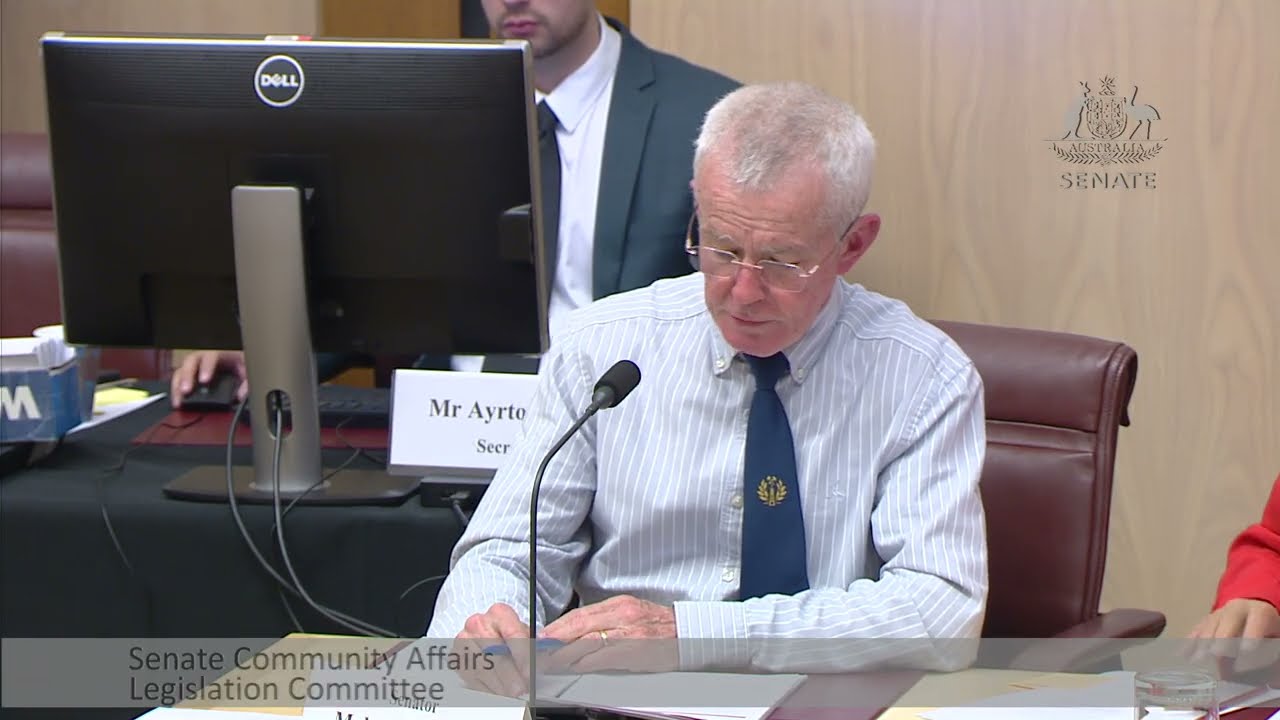
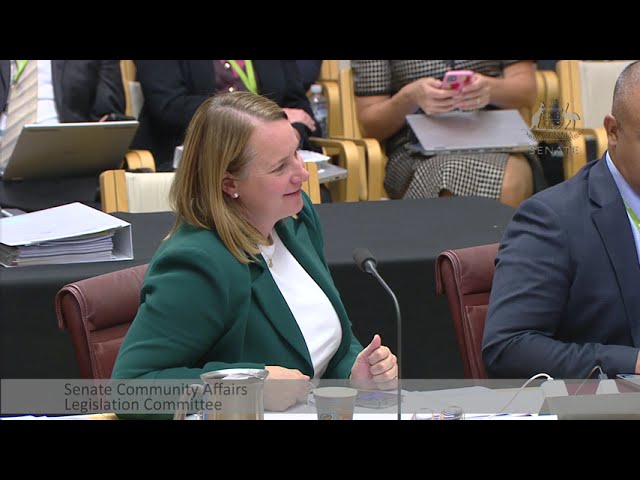
At Estimates, I asked Professor Adriana Platona why the Australian Government and CSL took the unacceptable risk of allowing its haemophilia patients to receive a product that would likely infect them with Hepatitis C – as it later became known as. That question was left unanswered.
I asked why, even after safer 80-degree heat-treated products were available in the UK from 1985 for both Factor VIII and Factor IX, Australia continued to allow hepatitis-infected factor concentrates to be used—until 1990 for Factor VIII and 1993 for Factor IX. That question, along with five others, was taken on notice.
I made it clear: a Royal Commission is warranted. The government has failed to deliver justice to victims, unlike the toothless 2004 inquiry that achieved nothing.
Victims of this scandal deserve answers. They deserve to know why they were infected.
— Senate Estimates | December 2025
Transcript
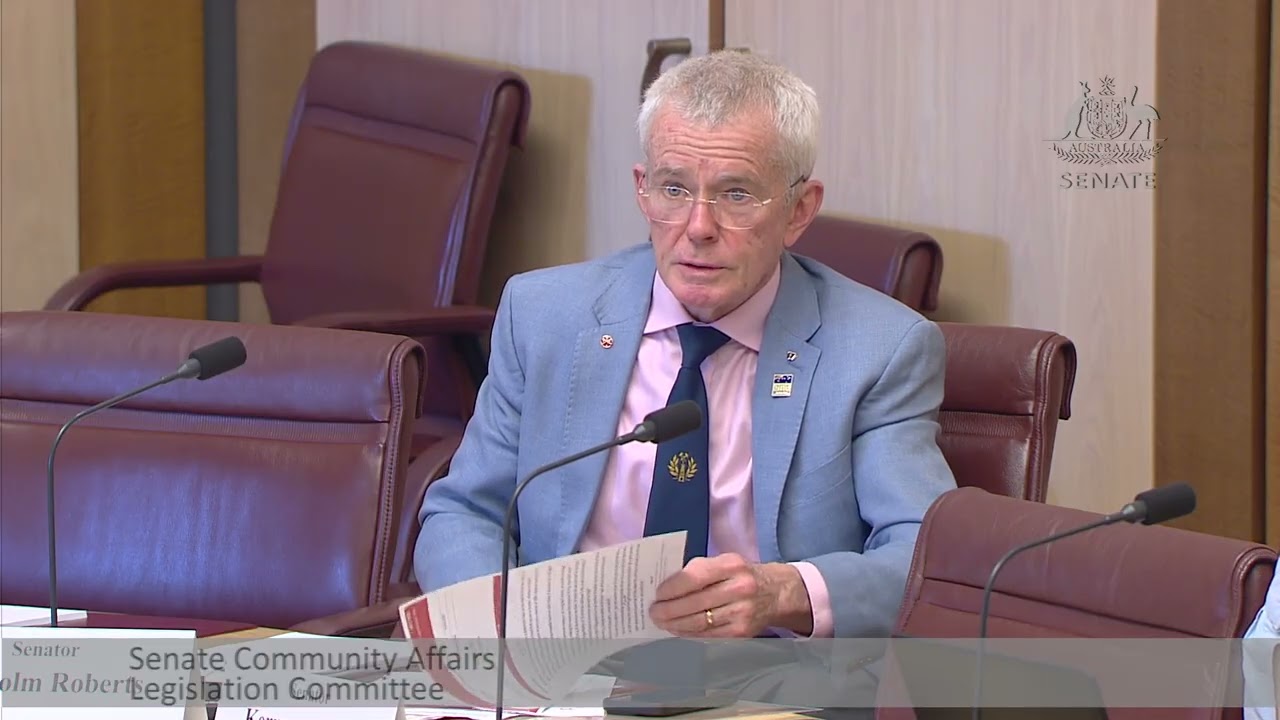
Senator ROBERTS: I’ll start with the National Blood Authority and tainted blood. These questions are from constituents. In the UK, from 1985, factor concentrates began to be heat-treated at 80 degrees for 72 hours. That’s in Britain. Australia, though, chose to go with an alternative heat treatment method of 60 degrees for 72 hours, which at the time was considered to be a method to inactivate HIV, although it was noted that it was not likely that the 60-degree method of heat treatment would inactivate Non-A, Non-B hepatitis, which came to be known as hepatitis C. Why did the Australian government and the Commonwealth Serum Laboratories take the unacceptable risk of allowing its haemophilia patients to receive a product that would likely infect them with Non-A, Non-B hepatitis—hepatitis C?
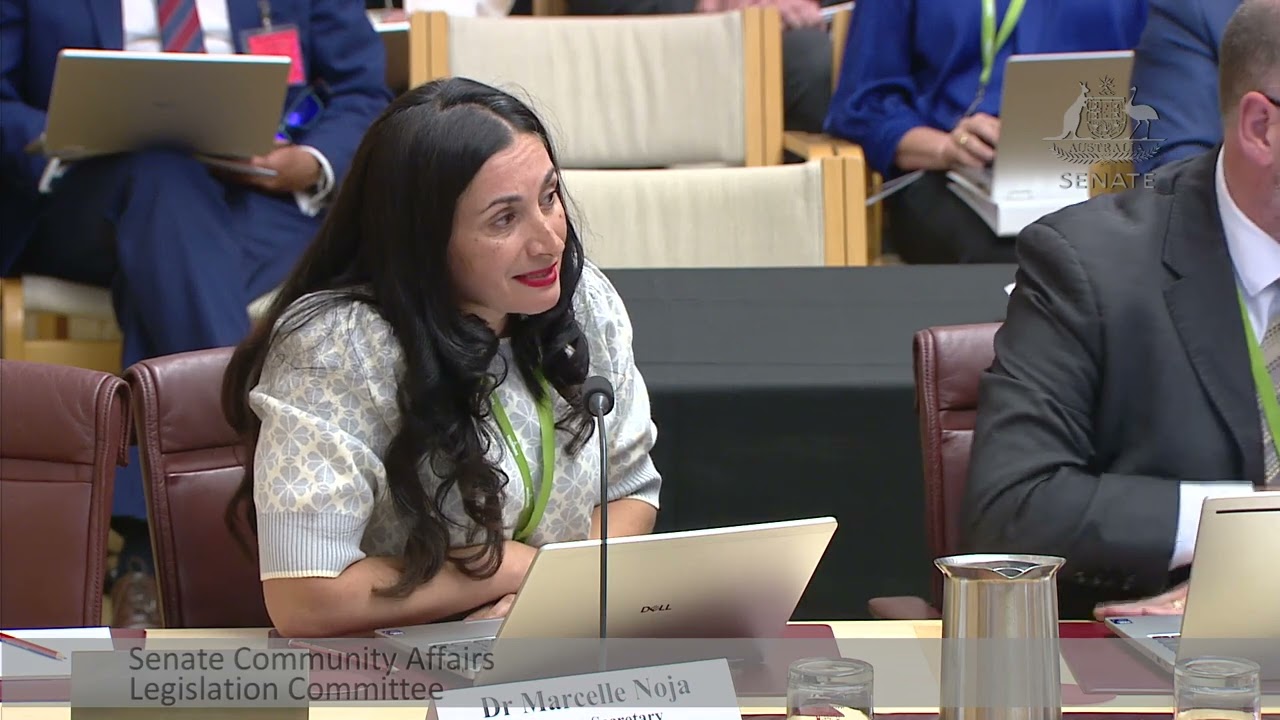
Professor Platona: Thank you, Senator, for your question. Australia has one of the safest blood systems in the world, and the testing for hepatitis C and HIV was introduced in Australia much sooner than it was in the UK. So the situation between Australia and the UK is not comparable. In 2004, there was an extensive inquiry into hepatitis C and the blood supply in Australia. Many of the questions that you have raised were discussed extensively around April 2004. People have provided submissions, testimonials. There was an extensive inquiry at the time. Many of these issues were discussed extensively at the time.
Senator ROBERTS: Thank you, Professor. We’ll get to those points in a minute. Why did the Australian government and the Commonwealth Serum Laboratories—by the way, you didn’t answer my question as to why the Australian government and the Commonwealth Serum Laboratories took the unacceptable risk of allowing its haemophilic patients to receive a product that would likely infect them. So I’ll move on to the second question. Why did the Australian government and the Commonwealth Serum Laboratories—and these questions, by the way, are from people who have had their lives damaged seriously—continue to allow patients to receive hepatitis infected factor concentrates, all the way up until 1990 for factor 8 and, unbelievably, 1993 for factor 9, when the UK were receiving the safer 80-degree treated product for both factor 8 and factor 9 concentrates since 1985? So we were five years behind and eight years behind.
Professor Platona: That is not my understanding of the fact. I would be very happy to check those facts for you and provide that on notice, with reference to the material submitted in 2004.
Senator ROBERTS: Thank you. I’ve got five questions on notice in the interest of speed. Minister, these questions relate to events that occurred long ago—I acknowledge that—yet they still impact and kill victims today. There are people with their lives damaged seriously. That’s precisely why we need a royal commission into what occurred. The government cannot produce the answers that the victims deserve. These people are deeply upset, deservedly so—not deservedly so, but rightly so. We need a thorough investigation where people are compelled to give evidence and answer questions under oath, unlike the 2004 Senate inquiry which has been described as a toothless inquiry by prominent lawyer Des Collins, who was heavily involved in the UK infected blood inquiry. We don’t accept the 2004 Senate inquiry. Minister, don’t you think the victims of this scandal deserve answers as to what occurred and why they were infected?
Senator Green: I don’t think that’s an appropriate question that I can answer for you other than to say that the constituents’ issues that you raise continually in this committee are valid and that the officials have provided you, I think, very reasonable and factual advice. I don’t have any information that I can give you other than what the officials have given you. You’re very entitled to come here and advocate for your constituents and their concerns, but I don’t have any other advice I can give you.