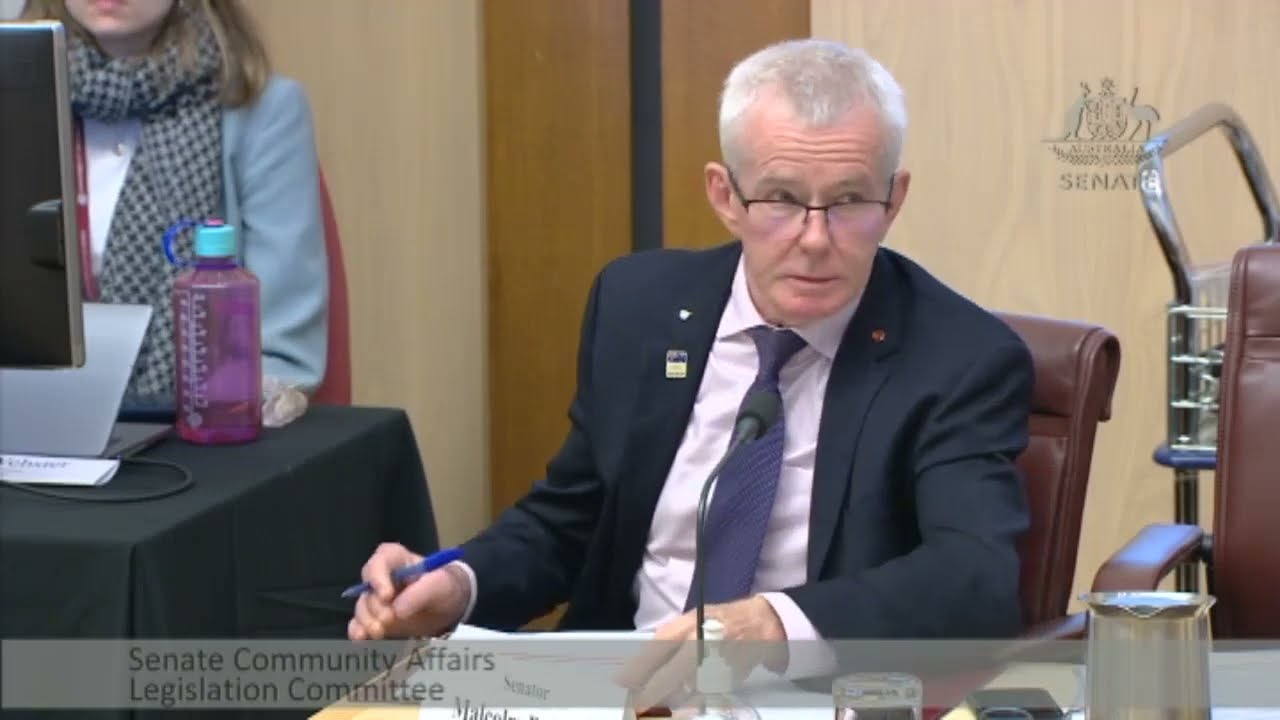
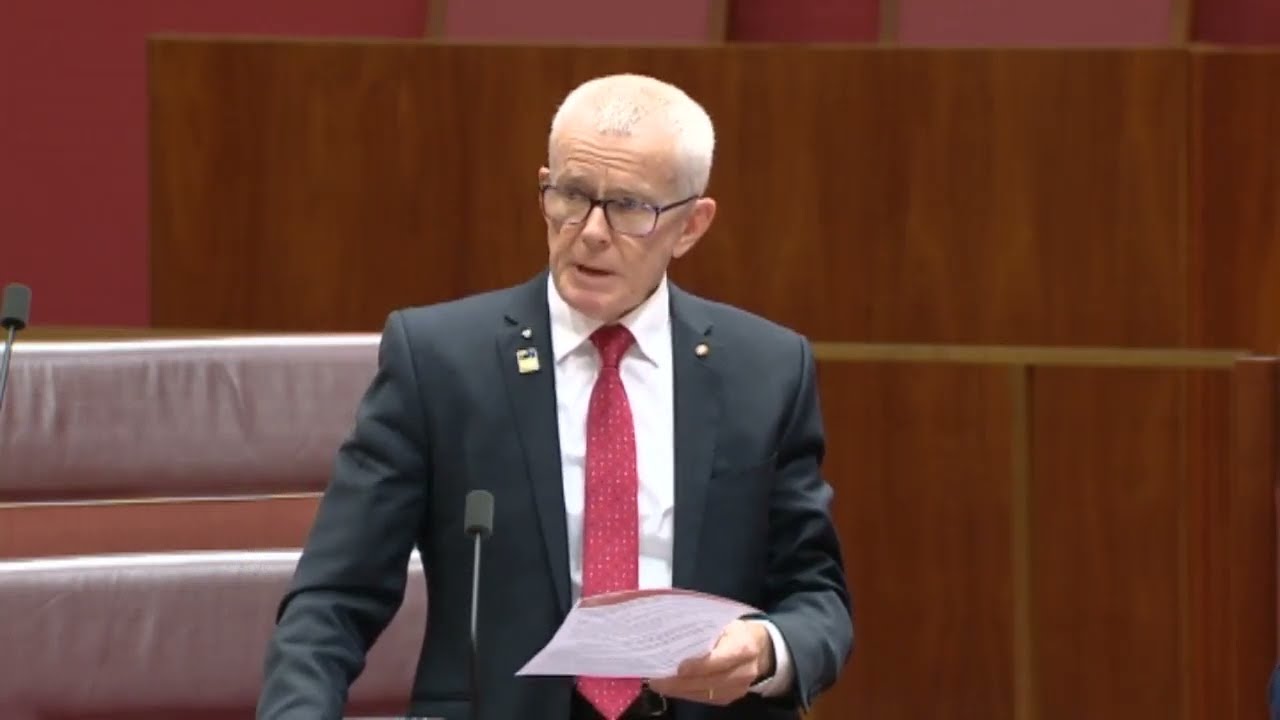
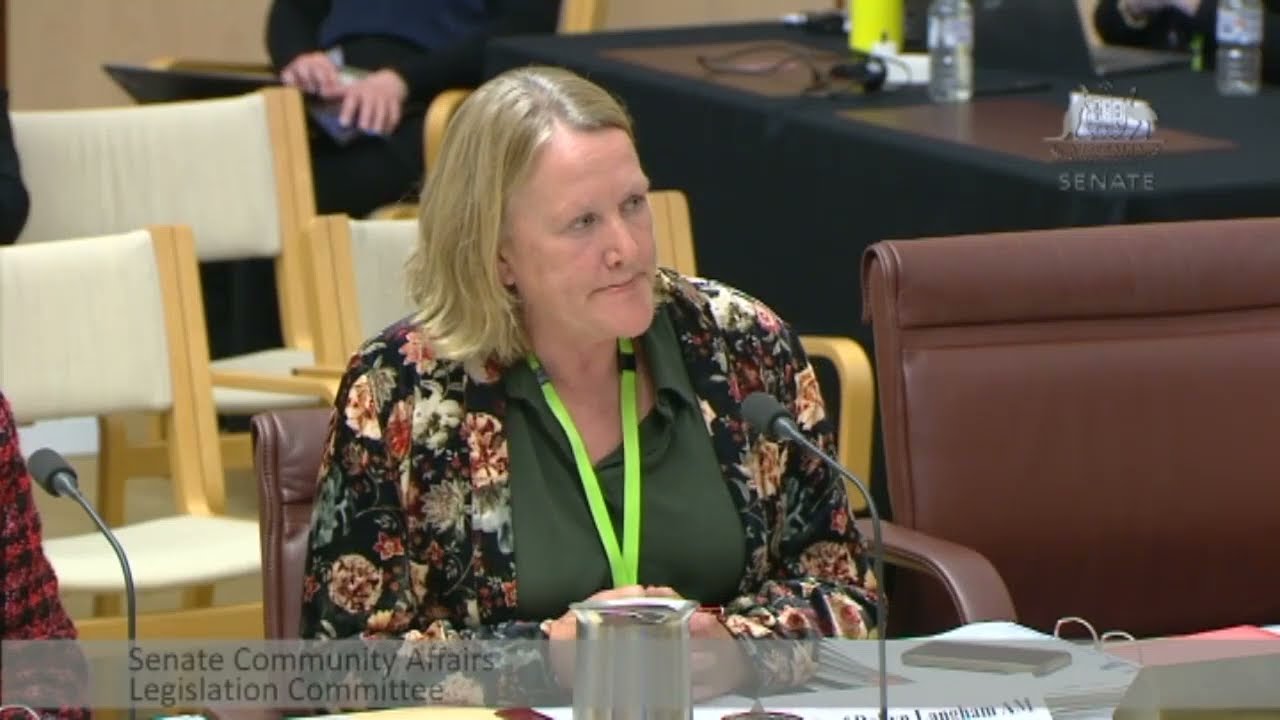
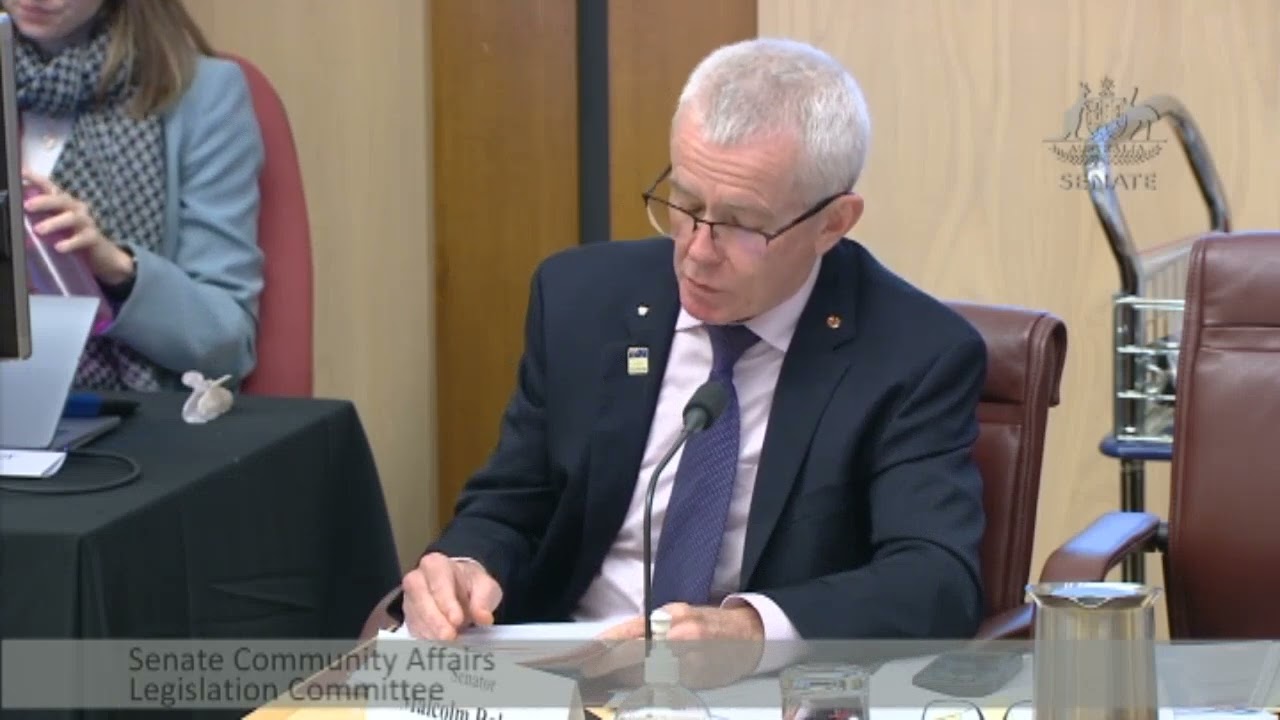
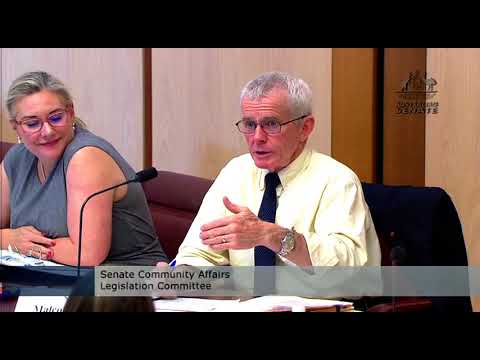
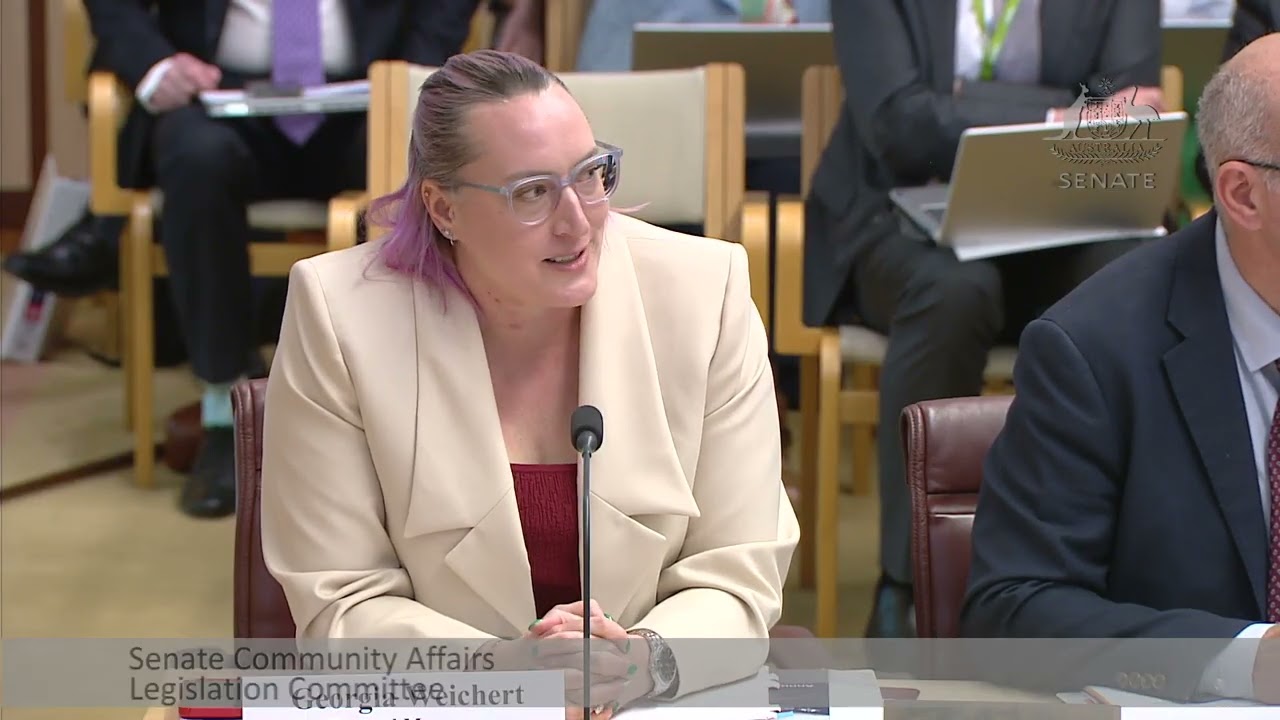
I spoke with Dr. Marcelle Noja, who expressed sympathy for those whose health has been compromised by mesh complications.
When asked about the Australian Pelvic Floor Procedure Registry’s failures in following up with patients, she stated that this question would be taken on notice.
I also inquired about the steps the government is taking to assist with the cost of remedial surgeries; this question was likewise taken on notice.
Regarding the differences in approach taken by the UK and New Zealand—where mesh has been banned or severely restricted—I was informed that, because the mesh is used for other treatments, Australia has decided against a total ban on the product.
Due to time constraints, I will submit the remaining unasked questions on notice.
— Senate Estimates | December 2025
Transcript
Senator ROBERTS: Let’s move on to pelvic mesh. Following a Senate inquiry, a formal government apology, overwhelming evidence of harm and international bans in multiple countries, transvaginal mesh
continues to be implanted in Australian women daily. Can you explain why these devices have not yet been banned and what specific evidence would be required for the health department to recommend an immediate hold to their use?
Dr Noja: Thank you for this question and thank you advocating for many of the patients who have had urogynaecological mesh and had negative outcomes as a result of it. The TGA was similarly concerned with the
impacts of urogynaecological mesh. That is why we have taken a number of actions in relation to this. When we look at postmarket activities in relation to mesh, and in fact all products, we undertake a risk analysis, we look at the evidence, and we go to the companies and ask them for information in relation to those products. When it came to these products, we did look at the products and we found that, for many, the evidence was not there to support their ongoing inclusion. Many of those products were actually removed from the Australian Register for Therapeutic Goods. However, for some of the products, we did find that, for some health conditions, there was still benefit for patients. So, for those products, we have continued to include them in the register. However, in support of patients, we have done other activities. We have undertaken a number of reforms. Some of those include increasing information for patients. That means more information about the product, more information about what may occur and working closely with the health professionals to make sure that information does get to consumers. We’ve also recently implemented mandatory reporting regulations for mesh. What we found was that the TGA did not have significant signals to be able to act on doing something. Under this new regulation, it will be mandatory for healthcare facilities to report all adverse events to us. We will then be able to pick up signals sooner and act faster. We continue to monitor this, and this includes undergoing ongoing signal-detection activities. These are critical devices for some Australians, so we really have to be balanced in what we remove from the register versus what we allow to continue, as well as how patients can access it.
Prof. Lawler: I’ll add briefly, as Dr Noja has said, that the role of the regulator is to understand the balance between the risk to patients and the benefits to patients. As we’ve heard, there are certain instances with certain products and certain conditions where there continues to be strong benefit. One of the roles that we take as a regulator is to regularly update product information so that the information that’s necessary for patients to make informed decisions is available to them for conversation with their registered health practitioner.
Senator ROBERTS: Dr Noja, perhaps you can correct me on this, but this is my understanding—I take note of what you said—on the back of the 2018 inquiry, a pelvic mesh registry, the Australian Pelvic Floor Registry, was established. Unfortunately, this registry fails to track long-term health outcomes of mesh affected women, because it only tracks certain women from certain hospitals and only for a period of 24 months. That may have changed. You can correct me if I’m wrong. Will the government amend the failings of the Australian Pelvic Floor Procedure Registry and instead establish a comprehensive, long-term health monitoring program?
Dr Noja: Responsibility for the pelvic floor mesh registry doesn’t sit with the TGA; it sits with my colleagues in another part of the department. I’m not sure if our colleagues from HERD are here. I don’t believe they are. We can take that on notice and talk to our colleagues to provide you with an answer.
Senator ROBERTS: Thank you. The mesh clinics established after the 2018 inquiry are fundamentally failing women by providing only partial medical intervention. Apparently these clinics will remove mesh devices
but categorically refuse to repair the resulting extensive damage, leaving women in a state of severe medical compromise. Can you explain why these clinics are permitted to create additional harm?
Prof. Lawler: We’re not familiar with the practices of those clinics. The regulation of clinics and health practitioners is not a responsibility of the TGA, and, as I mentioned previously, these are largely conversations
between patients and their treating health practitioners. We are not responsible for the management of the operation of those clinics.
Senator ROBERTS: Can you give any advice to women who are still in a lot of pain—not medical advice, but where to go?
Dr Noja: The TGA has established a range of information on our website. We have what’s called the mesh hub, and I’m happy to provide that link to anyone in the committee, if that’s helpful. The mesh hub includes a
range of information for people who have suffered from mesh injury. It includes information about accessing various aspects of our Medicare system as well as treatment options and information about other services that are available to them.
Senator ROBERTS: The mesh hub?
Dr Noja: That’s correct.
CHAIR: Senator Roberts, I’m just flagging that I will need to shift the call shortly.
Senator ROBERTS: I’ll keep sprinting.
CHAIR: You’re in the sprint, yes.
Senator ROBERTS: Every day Australian women are facing an impossible choice due to pelvic mesh complications—and I’m sure you’re aware of that—draining their retirement savings and suffering ongoing
medical trauma. Many women are forced to access their superannuation on compassionate grounds to fund critical mesh removal or repair surgeries, while others completely forgo necessary care due to prohibitive costs. What steps will the government take to establish a comprehensive support system for women that covers the full cost of surgeries and ongoing care that they need from being harmed by a government-approved medical device? Perhaps the minister might want to comment, as well as you, Dr Noja.
Dr Noja: I will allow the minister to comment, but I will just note that our website does include information for patients with respect to what services they can seek support with. There are a number of MBS and PBS items available to them, which they can seek access to, and there are a number of available resources there for them.
Senator Green: For completeness, I’ll take your question on notice so I can provide you with some information about what supports are available. I don’t disagree with you that these women have gone through an
awful ordeal. I’m confident that we’ll be able to give you some fulsome information about what’s available, but you should continue to raise these issues.
Senator ROBERTS: Last question in this sprint—the UK, Scotland and New Zealand have banned or severely restricted transvaginal mesh use, due to unacceptable harm rates, but Australian women continue to
receive these implants daily. That doesn’t seem to make sense to me. What makes Australian women different from British or New Zealand women and justifies continuing a practice that other countries apparently have
deemed too dangerous?
Dr Noja: I will note that the TGA doesn’t tend to ban devices. Our approach is around inclusion versus exclusion of products so that there remain a number of pathways available to clinicians should they deem it
appropriate for a member of the public to have access to a product. The reason we don’t ban products is that it is important that patients get the best appropriate care for their individual circumstance. I really respect your
comments around what we are doing to protect women, and, as I mentioned, we have actually undertaken a number of actions specifically related to these products. As part of our post-market review and our action, we did upclassify some products and remove others, but it is important that these products remain available. They are used for other surgical procedures, apart from urogynaecological conditions, so it is important we make sure that access is available. We just have to have rigour around where access occurs to ensure that the products are fit for purpose in how they’re being used. Part of that, really, is the patient information and making sure that patients are appropriately provided with all the information they need to support them in making sure that it is the right decision for them.
Senator ROBERTS: I hear what you say, and I acknowledge it, but why is the mesh banned in other countries and not banned here?
Dr Noja: I don’t believe it is banned in other countries. Australia has taken the step to upclassify these products. Other countries have not gone as far as Australia has, in terms of its regulatory approach. Some
countries are continuing to look at these products and make decisions about what they do, but they will be making those decisions based on the evidence they have in front of them and the signals and risks that they’ve seen in the patients that are presenting in their jurisdiction.
Prof. Lawler: In your question you did say that in other countries these products have been banned or significantly restricted. As Dr Noja has indicated in her answer, we have also undertaken some actions that have
restricted those devices, through the upscheduling and through the removal of some from the register, and also through the imposition of conditions of inclusion. So we have taken regulatory actions as well.
Senator ROBERTS: So you’re going to send me more information and the minister is going to give me an answer on notice, and I’m going to stay on the treadmill.