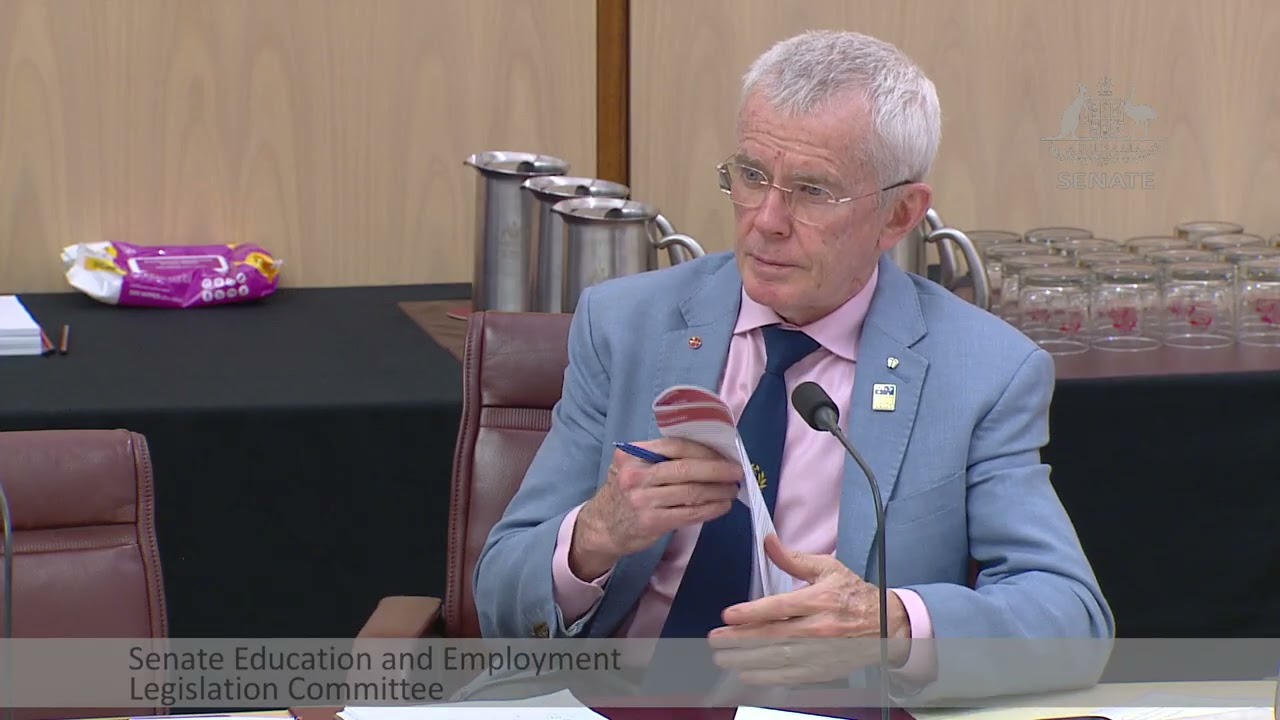
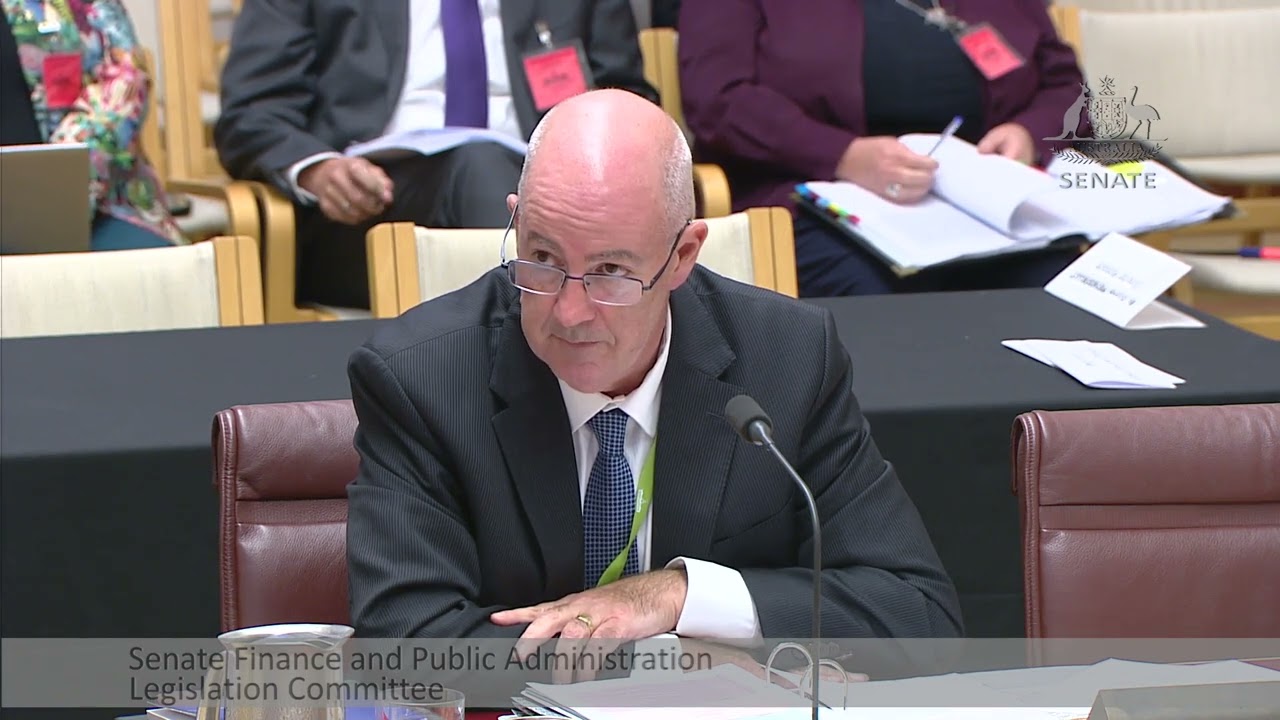
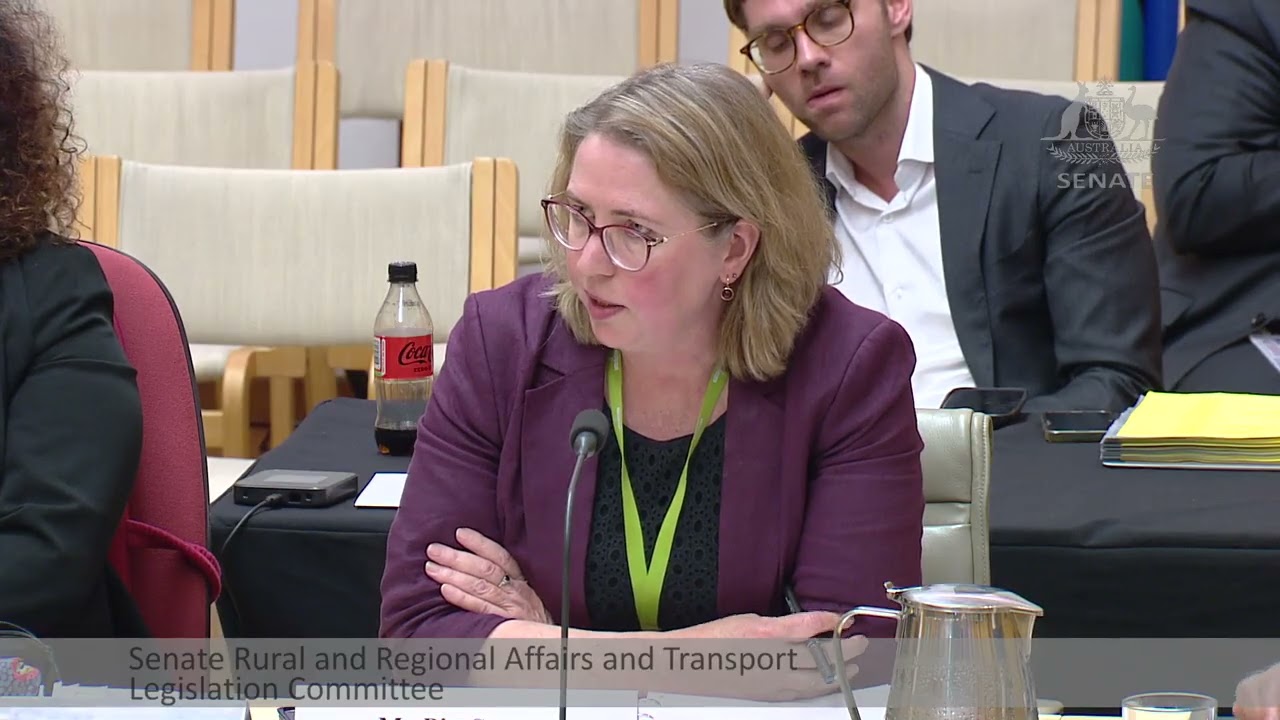
I questioned ANAO on the transparency, or lack thereof, surrounding Coal LSL.
While they’ve given the financial statements a “clean” bill of health, serious questions remain about the $2 billion sitting in this fund. I’m particularly concerned for our coal industry casuals. Employers are paying compulsory levies for these workers, but many leave the industry before the 8-year mark, meaning they never see a cent of that benefit.
Where is that money going?
The ANAO confirmed their remit is limited to the finances, not the management. It’s been decades since the courts flagged a lack of government accountability over this corporation, and it’s time we got real answers on board composition and the integrity of the scheme.
I won’t stop asking until we ensure these funds are serving the workers they were meant for, not just sitting in a pot controlled by an unaccountable entity.
— Senate Estimates | February 2026
Transcript
Senator ROBERTS: Thank you all for appearing tonight. Have a good evening. The most recent audit report conducted by ANAO of Coal LSL—Long Service Leave—flagged higher risk related to both valuation of investments and the valuation of provision for reimbursements. What’s the real meaning of these two findings of risk as regards the effective operations of and the integrity of the scheme? These are risks of what and to whom?
Ms Jago: That would be in relation to our annual financial statement audit for Coal Long Service Leave. That is setting out where we see the main risk areas. Often, when there are valuations of assets and liabilities, those are of higher risk in an audit because more assumptions and judgements are involved. In Coal Long Service Leave’s case, they are the two riskier items in their financial statements. We have completed that audit for the 2024-25 year, and they received an unmodified auditor’s report.
Senator ROBERTS: That means you accepted it?
Ms Jago: Yes.
Senator ROBERTS: Thank you. What would be the fallout if these risks crystallised?
Ms Jago: From a financial reporting perspective, it may be that we would conclude that it’s not a true and fair representation of the liabilities that are actually owed to others or assets held. If that were the case and it weren’t corrected, that may lead to what we would call a modified auditor’s report. That’s the financial reporting aspect. A more financial management aspect is that, if you don’t understand what liabilities you actually have, it’s very difficult to plan for how you’re actually going to meet those liabilities.
Senator ROBERTS: Thank you. The funds arrive in the accounts of the scheme from compulsory levies upon the relevant employers. The funds held by the fund are now in excess of $2 billion. Who gets the excess income generated from the scheme after leave entitlements are paid out? I don’t know if you’re aware that there’s a significant proportion of casuals now in the Coal workforce.
Ms Jago: No, I’m not.
Senator ROBERTS: There are a lot of casuals. They don’t like the way they’re treated. They get in and get out before the eight years, so, effectively, their employer pays for their contributions but then they leave the contributions behind and don’t get it because they leave before the eight-year entitlement. Do you know what happens to that money?
Ms Jago: I think that’s actually a question best directed to Coal Long Service Leave.
Senator ROBERTS: Emmett J, In the Federal Court in 1998, had emphasised that there was a lack of control of the corporation by the government. He’s not talking about today’s Labor government or the last Liberal government; he’s talking about government and a lack of accountability to the government. Now, before I arrived in the Senate in 2016, COLE LSL, I was told, had never appeared at Senate estimates, and yet we saw some startling irregularities. That led eventually, when they were proven, to a review by the LNP, which in my opinion was a pretty soft review. But I would agree with Emmett about the lack of control of the corporation. What change in governance, if any, has occurred within Coal LSL since 1998?
Ms Jago: That’s quite a long period of time. I don’t know that I could answer that today, and it’s how their governance arrangements changed is probably more a question for Coal Long Service Leave.
Senator ROBERTS: So your assessment, your audit, was just to do with the financial reports?
Ms Jago: Correct. We were auditing their financial statements.
Senator ROBERTS: Not the company—not the entity?
Ms Jago: Correct.
Senator ROBERTS: We’ve got serious concerns about the board composition and many other governance factors. Given the fund was originally set up as a stopgap measure to cover an estimated shortfall of funds to cover Long Service Leave’s claims, can your office comment on what purpose is satisfied for the fund to continue generating millions of dollars per year after the original purpose was met a quarter of a century ago?
Ms Jago: That’s not something that was part of our financial statement audit.
Senator ROBERTS: It’s beyond your remit.
Ms Jago: We were just looking at the financial statements.
Senator ROBERTS: Thank you. That’s all. Like me: short and sweet!