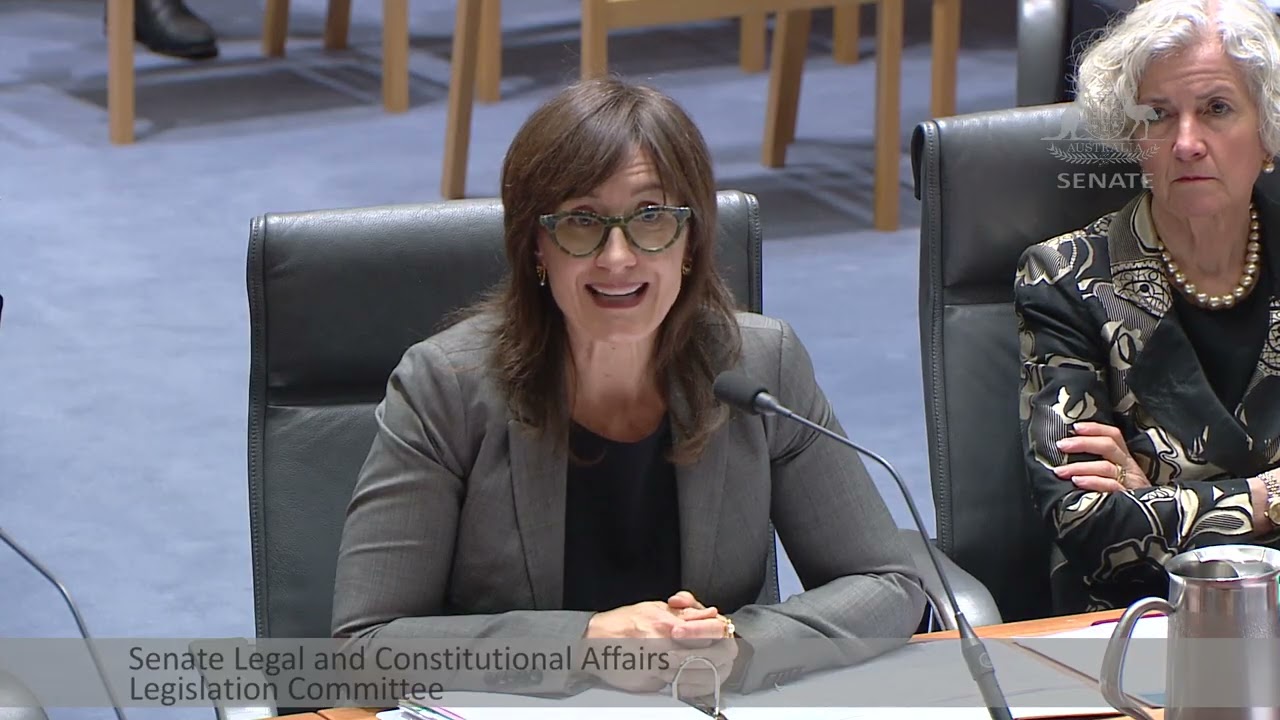
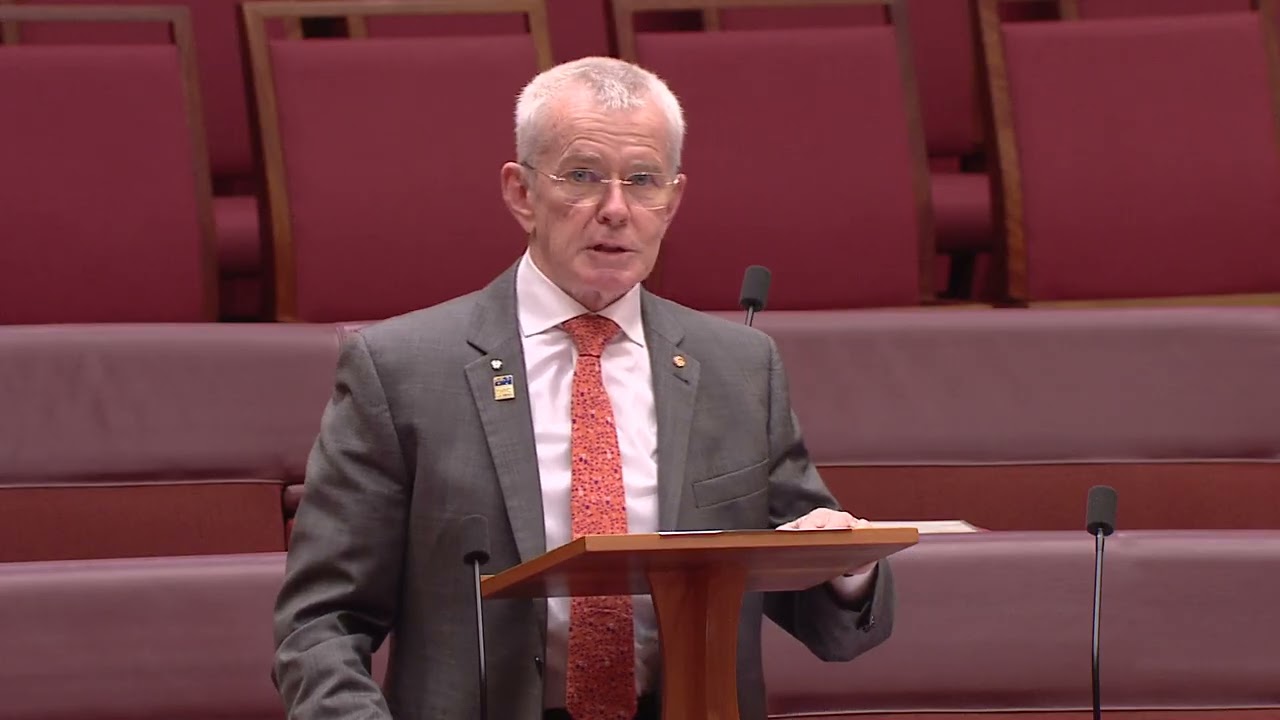
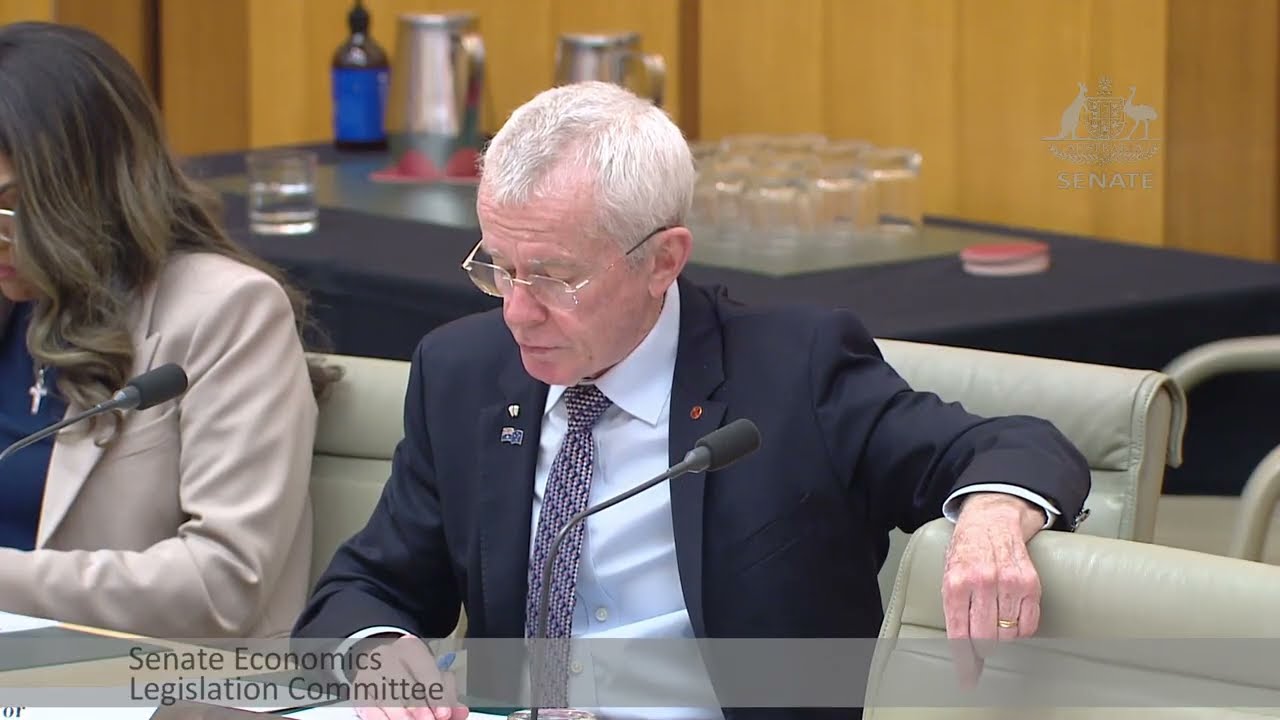
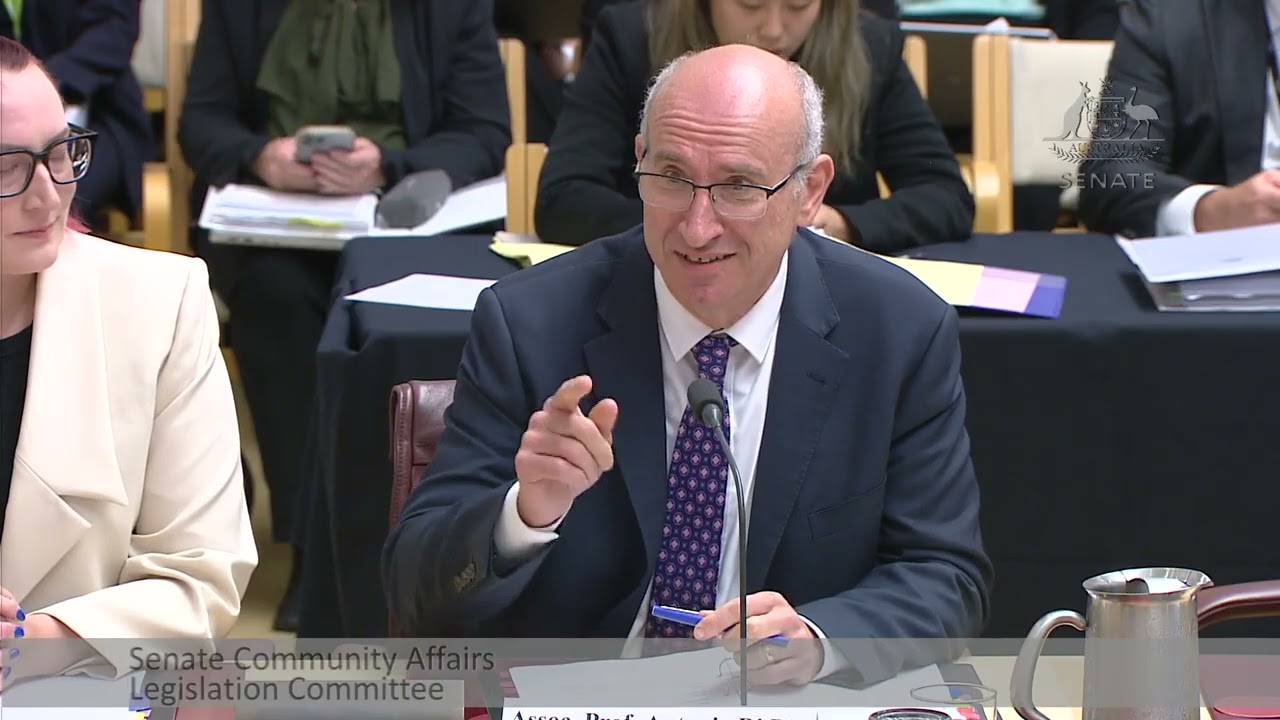
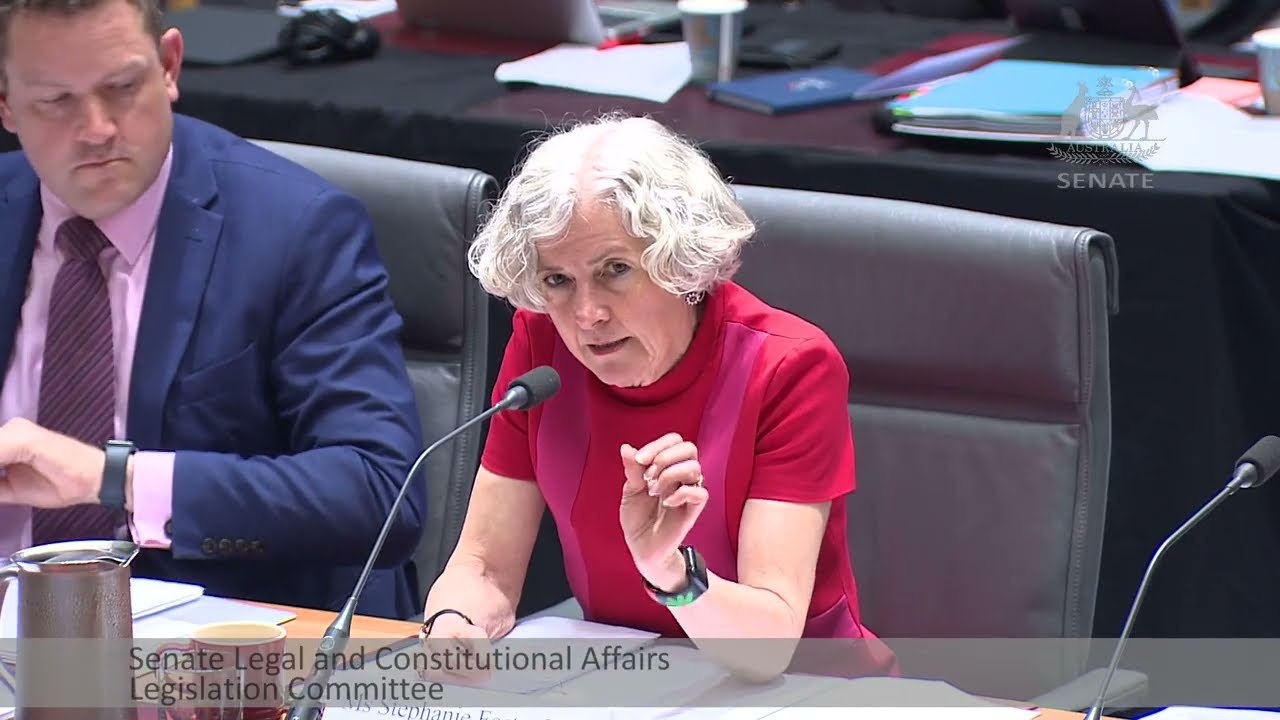
In the recent estimates session, I questioned officials from the Attorney-General’s Department about the Legal Services Directions – the rulebook that dictates how the government must behave when involved in legal proceedings.
The government isn’t supposed to play dirty. Under these rules, they are required to act as “model litigants”, meaning they must be honest, fair, and efficient.
The Department isn’t a “police force.” Government agencies are largely responsible for reporting their own mistakes. The Department just “supports” them in fixing those errors.
I asked officials if these rules were followed during the Brittany Higgins settlement and the ongoing cases of Linda Reynolds and Fiona Brown. Their response: they stated that Comcover (the government’s insurer) is handling the cases and “complying absolutely” with the rules.
When asked why the government hasn’t “accepted” court findings that cleared Reynolds and Brown of wrongdoing, officials dodged, stating they simply “note” the judgments but see them as separate from the Higgins settlement.
When I asked about legal costs or why the government isn’t mediating with Fiona Brown, the Department passed the buck to the Department of Finance.
The big question? Is the government actually following its own rules, or is the system designed to let them off the hook?
— Senate Estimates | February 2026
Transcript
Senator Roberts: Thank you for appearing again today. What are the Legal Services Directions? Could you explain that, please?
Ms Jones: The Legal Services Directions are established under statute in order to provide an overarching framework for the conduct of legal proceedings that the Commonwealth is party to. I have the experts to the right of me who can talk to that in detail.
Mr Ng: Thanks for the question, Senator Roberts. As the secretary has indicated, the Legal Services Directions are made by the Attorney-General under the Judiciary Act, and they govern, in part, the conduct of much of the Commonwealth legal services.
Senator Roberts: There are requirements for sound practice in the provision of legal services to the Australian government?
Mr Ng: That’s correct. One of the aspects that they cover is in relation to, for example, how the Commonwealth is to conduct itself in litigation. One of the appendices to the Legal Services Directions reflects those model litigant obligations.
Senator Roberts: Are they binding, and on whom are they binding?
Mr Ng: The application of Legal Services Directions applies in full to non-corporate Commonwealth entities. There are aspects of the directions that apply to corporate Commonwealth entities, who are in a different category. Also, they won’t apply to the Commonwealth Director of Public Prosecutions, which are not covered. They’re referenced in a couple of points, but not directly covered.
Senator Roberts: Does noncompliance have to be reported? If so, by and to whom?
Mr Ng: There are provisions under the Legal Services Directions where noncompliance with the directions is reported to the Office of Legal Services Coordination within the department. It remains the responsibility of agencies, relevant agencies or named agencies, to assess those allegations of noncompliance, but the department maintains an overarching role in supporting those agencies to assess and deal with the complaints that they may have received.
Senator Roberts: So it’s the department’s responsibility?
Mr Ng: How I would characterise it is that agencies have a responsibility to notify our department of possible or actual breaches of the Legal Services Directions and to assess their compliance with that. The department has a role in that, in supporting those agencies in meeting their obligations and in addressing noncompliance. Absolutely, the department has a role, but the agencies themselves are the ones who, of course, are responsible, and are running their own cases, where some of these complaints may arise.
Senator Roberts: Who enforces noncompliance?
Mr Ng: The Office of Legal Services Coordination is not a regulator as such. Our role here as a department is to support agencies in the assessments they make. They submit what are called agency notification forms to the department which identify both the allegation of the breach and, where there are instances that the agency themselves has assessed as noncompliant, the corrective steps that are taken and the corrective steps they intend to take as well. The department plays a role in engaging very closely with those agencies to ensure that those steps are taken.
Senator Roberts: Were the Legal Services Directions applied in the Brittany Higgins mediation and settlement?
Mr Ng: The matter you refer to is a matter that was managed by Comcover; that is probably the first thing to say in that instance. Comcover, as a non-corporate Commonwealth entity, is required to comply with the Legal Services Directions, and that was managed in accordance with the Legal Services Directions.
Senator Roberts: So they did comply. Are the Legal Services Directions being applied in Linda Reynolds’s and Fiona Brown’s cases?
Mr Ng: Both of those cases are, again, managed by Comcover, within the Department of Finance. Comcover is obliged, as I outlined earlier, to comply with the Legal Services Directions in all aspects of the management of those cases.
Senator Roberts: Were they complied with?
Mr Ng: I’m sorry; I’m just trying to clarify your question, Senator. Is it whether there are allegations of noncompliance? What is it that—
Senator Roberts: Were the Legal Services Directions being applied?
Mr Ng: From the department’s perspective, Comcover are complying absolutely with the Legal Services Directions, noting that they’re managing those claims.
Senator Roberts: Do the Attorney-General, the Attorney-General’s Department and the Australian Government Solicitor now accept the findings of two senior Australian courts that the workplace allegations made against Fiona Brown were without foundation?
Ms Jones: It’s not a matter for us to accept the findings of court judgements. We note the judgement, but those proceedings dealt with issues that were separate to the settlement that we had a role in administering.
Senator Roberts: What are the total legal costs incurred to date by the Australian Government Solicitor in external legal assistance for the federal government in relation to Fiona Brown’s claim against the Commonwealth?
Ms Jones: I think we’d need to take that on notice. It’s a matter for Comcover. In fact, I would request that question be put to Comcover. They are the instructing agency.
Senator Roberts: What external legal assistance has been engaged, and from whom? What rates have been agreed, and who approved any extra rates? Ms Jones: Again, that is a matter for Comcover. They are the instructing agency. S
Senator ROBERTS: Who does Comcover report to?
Ms Jones: The Department of Finance. They’re a division within the Department of Finance, although set up as a separate entity.
Senator Roberts: The bureaucracy is so big that we can’t comprehend it all. Why is the Commonwealth not mediating with Fiona Brown?
Ms Jones: We couldn’t provide a view on that. I think that goes to the conduct of that matter, which is a matter for Comcover.
Senator Roberts: Moving to Linda Reynolds—
Mr Ng: As it’s an ongoing legal proceeding, of course it would not be appropriate for us to comment.
Senator Roberts: Do the Attorney-General, the Attorney-General’s Department and the Australian Government Solicitor now accept the findings of two senior Australian courts that the workplace allegations made against then minister Reynolds were, in the words of Justice Lee, ‘without reasonable foundation in verifiable fact’ and, in the words of Justice Tottle, ‘objectively false and misleading’ and ‘dishonest’?
Ms Jones: I return to my previous comment. It’s not a matter for us to accept or not accept comments that are made by judges in the course of their decisions. Those proceedings addressed separate issues to the issue of the settlement of Ms Higgins’s claims.
Senator Roberts: Have these judgements that I just referred to given you cause to review your actions in relation to then minister Reynolds over the Brittany Higgins settlement?
Ms Jones: I think I’d just repeat my previous comment that the settlement in relation to Brittany Higgins’s claims went to related but slightly different issues than to the matters that were the subject of the two judicial observations that you’ve referred to.
Senator Roberts: Is the current Reynolds litigation being handled as an exceptional case or as a major claim, and who made that determination?
Ms Jones: I think—
Ms Chidgey: It’s a matter for Comcover again. I’m not sure what you’re referring to, Senator.
Mr Ng: Also, it’s been reported as a significant issue under the Legal Services Directions.
Senator Roberts: Thank you.