

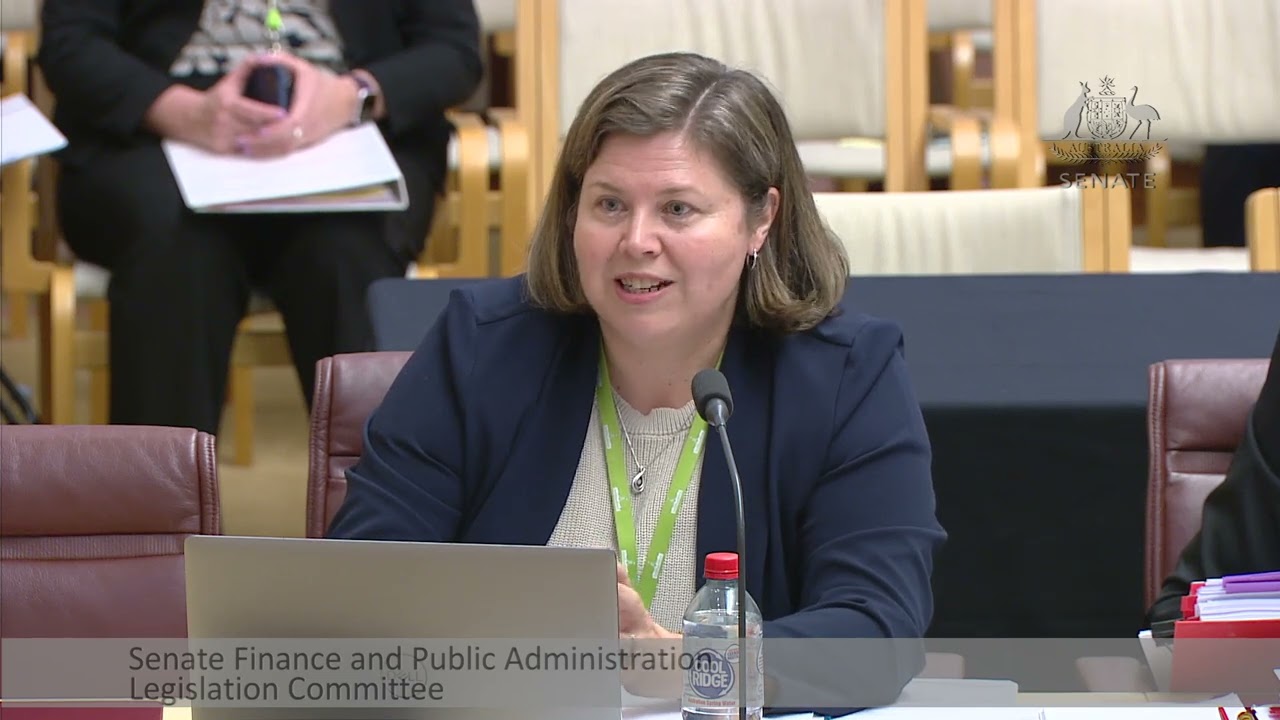
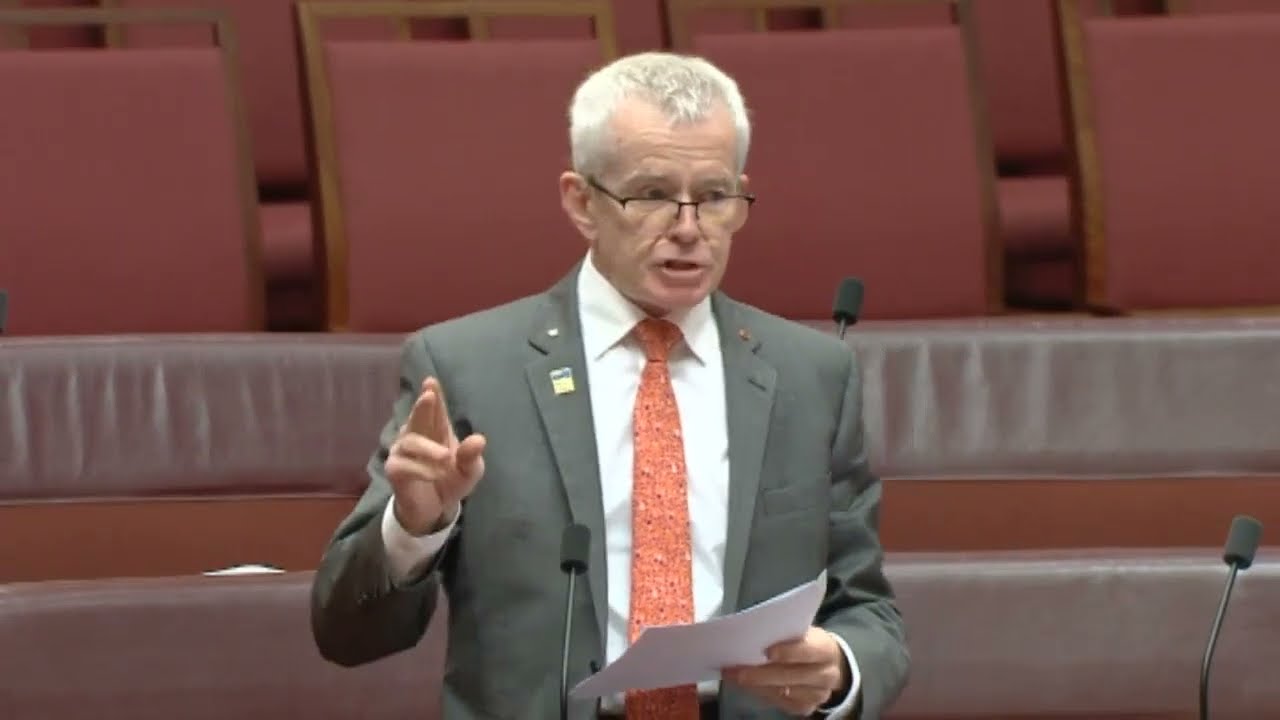
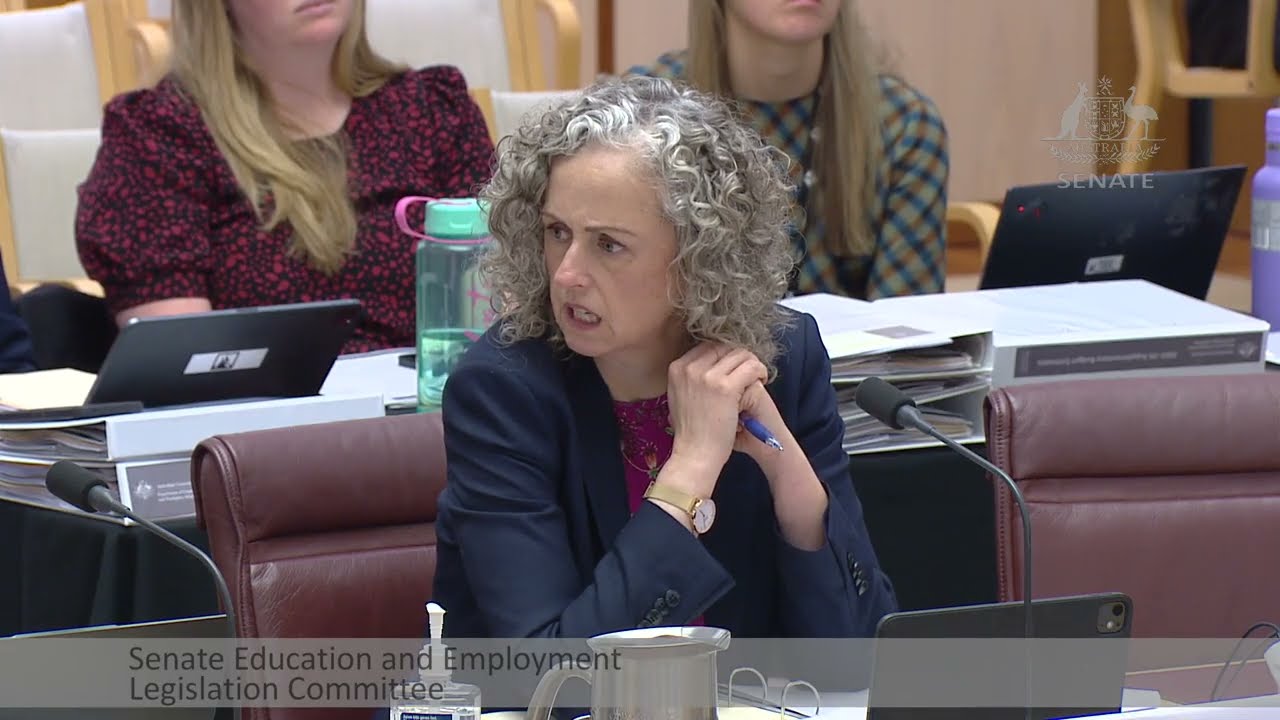
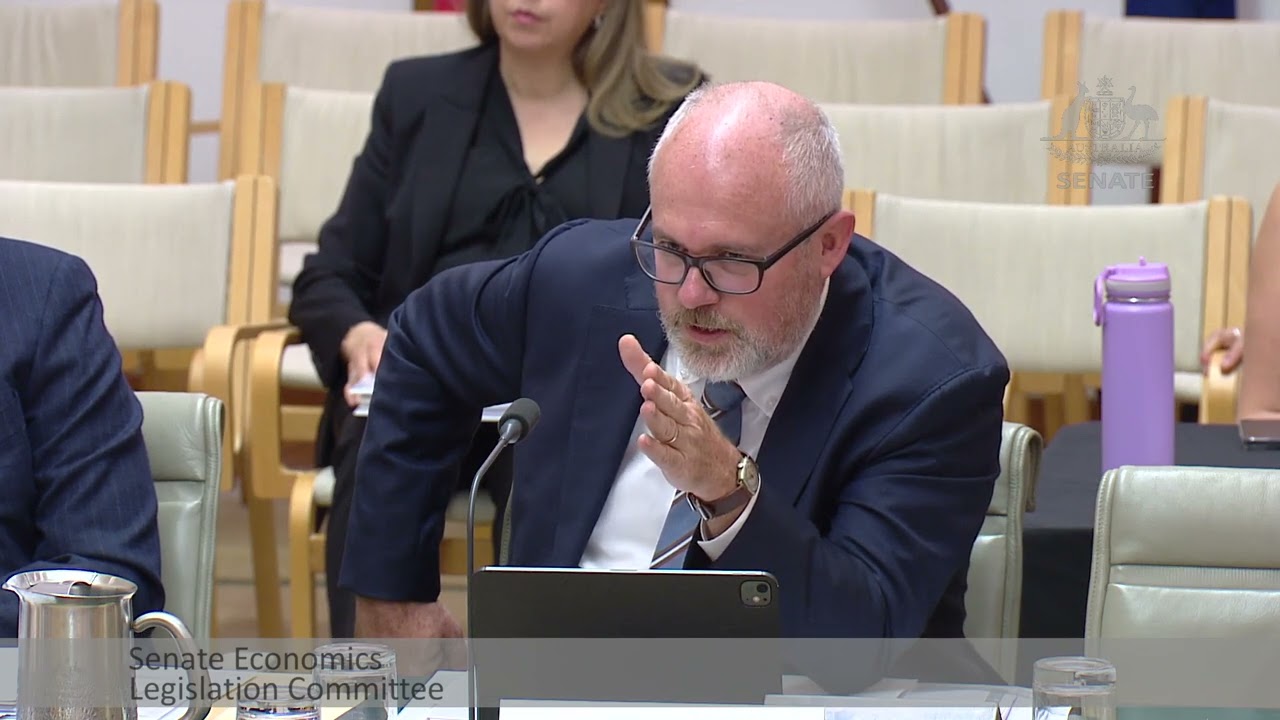
During this session with the Fair Work Commission, I asked Mr Furlong if he agreed that you cannot use an enterprise agreement to strip away rights provided by the Fair Work Act and the National Employment Standards. He agreed.
During our exchange, I highlighted several concerns:
I reminded Mr. Furlong that the High Court in Rossato was clear — contract terms must be given effect unless they are contrary to statute. You can’t take away annual leave or award entitlements if the law says otherwise.
When I asked how losing annual leave and getting lower pay could possibly make a worker “better off,” the Commission hid behind “abstract” assessments. There is nothing abstract about a coal miner losing their leave and being underpaid compared to the Black Coal Award.
The Commission tried to tell me we’ve “traversed” this ground before. My response was simple: I will keep traversing it until these workers get what’s owed to them in full compliance with the law.
— Senate Estimates | February 2026
Transcript
Senator ROBERTS: Mr Furlong, you have previously agreed that an enterprise agreement cannot remove all applicable award entitlements. You have agreed that an enterprise agreement cannot remove entitlements provided under the Fair Work Act and the National Employment Standards. Both of them were in November 2022. Do you still hold the same views today?
Mr Furlong: I do.
Senator ROBERTS: Isn’t it true that these propositions were confirmed by the majority of the High Court in the Rossato decision?
Mr Furlong: I can’t talk to the High Court decision, Senator.
Senator ROBERTS: The court went on to say: …where there are express terms of the contract between the parties, they must be given effect unless they are contrary to statute. Are you aware of that?
Mr Furlong: It has been a long time since I’ve looked at that decision. I can’t comment on it.
Senator ROBERTS: I know what you mean. If an agreement includes terms that would remove statutory rights such as annual leave and other award entitlements, wouldn’t those terms be considered contrary to statute?
Mr Furlong: It’s difficult to talk in the abstract about such matters. The terms and conditions in an enterprise agreement are that they need to be better off overall. It’s a global assessment in determining whether or not an enterprise agreement will satisfy a member of the commission and subsequently be approved by that member.
Senator ROBERTS: Thank you. This issue was further considered in One Key Workforce v CFMEU. The full bench of the Federal Court held that: It is an error of law to fail to have regard to relevant material in a way that affects the exercise of power. An administrative decision-maker— the Fair Work Commissioner— who makes such an error exceeds his or her authority and acts without jurisdiction. Isn’t this exactly what the commissioner did when approving an enterprise agreement that ignored the Black Coal Award, which was relevant material?
Mr Furlong: I think that the circumstance of One Key relate to the One Key enterprise agreement. Are we are talking about Chandler Macleod and other agreements about casual coalminers? Senator ROBERTS: If an enterprise agreement takes away annual leave by calling someone a casual, is that going against statute? Mr Furlong: It depends on whether the employee is a casual or a permanent employee. If they are a permanent employee, they would be entitled to annual leave and sick leave and all the other conditions that would be applicable to a permanent employee. There are casual conversion entitlements now for employees that they can exercise if they want to transition from casual employment to an ongoing role. Senator ROBERTS: How does it comply with the National Employment Standards and the Fair Work Act if someone loses annual leave, ends up on lower pay and doesn’t meet award provisions? It goes against statute.
Mr Furlong: The Fair Work Act provides the framework that members of the commission have to observe before they can approve an enterprise agreement. If there is an aggrieved party to a decision made by a member of the commission, those decisions can be the subject of an appeal. If the agreement has reached its nominal expiry date, then a party to that agreement can make an application to have that agreement terminated.
Senator ROBERTS: So the express terms of the contract or EA must be given effect unless they are contrary to this statute?
Mr Furlong: No. What I’m saying is that for a member, in assessing whether or not to approve an enterprise agreement which has been lodged with the commission for approval, a number of statutory tests need to be satisfied. One of them is the better off overall test. Once a member of the commission who has been allocated that file is satisfied that each of those conditions has been met, they are required to approve the agreement.
Senator ROBERTS: Can you tell me how the loss of annual leave, a pay rate that is less and the loss of other award provisions complies with better off overall, because the award prevails? That’s the High Court.
Mr Coyle: It’s very difficult to talk in the abstract here. It’s a case-by-case basis.
Senator ROBERTS: The loss of annual leave, a lower pay rate and the loss of other award provisions—that’s not abstract.
Mr Furlong: We’ve traversed this several times.
Senator ROBERTS: I will keep traversing it until we get these people their fair due in compliance with statute.





https://uploads.disqus do.com/images/8f7170600ef3eb7f72f6ef86e060b78b9b660ccc03e6444d180328153acd5350.jpg
Can One Nation get this on the road, Malcolm.(
This poster should be printed and distributed across Australia. It is the Australian concept of injustice that it must be seen to be done. What we are witnessing is a character destruction of fine Australian manhood who has received the pinnacle of military achievement.
He must be exonerated and his unblemished character reinstated.’ SAY IT FOR BEN ‘ as a mass counter to what seems to all of us, as a highly sophisticated move to destroy, a man, his partner and two daughters.
SAY IT FOR BEN, encompasses all that is inherent the culture a fair go!
Bruce Whiteside