I asked the Commonwealth Director of Public Prosecutions about a decision that has shocked many Australians — the choice not to lay charges over the 2023 Taipan helicopter crash in the Whitsundays.
Four Defence personnel — Captain Danniel Lyon, Corporal Alexander Naggs, Lieutenant Max Nugent and Warrant Officer Class 2 Joseph Laycock — lost their lives. Comcare’s investigation identified two serious breaches of law, yet charges weren’t pursued. Media reports suggest that decision is now under review, and Ms Sharp confirmed that she is personally conducting that review. It’s ongoing, with no timeline for completion.
I asked why charges weren’t laid when the evidence pointed to potential offences. Ms Sharp explained the prosecution test: first, is there a prima facie case? Second, are there reasonable prospects of conviction? And third, is it in the public interest? She said the evidence didn’t meet the second test — reasonable prospects of conviction. That’s what’s being reviewed now.
— Senate Estimates | December 2025
Transcript
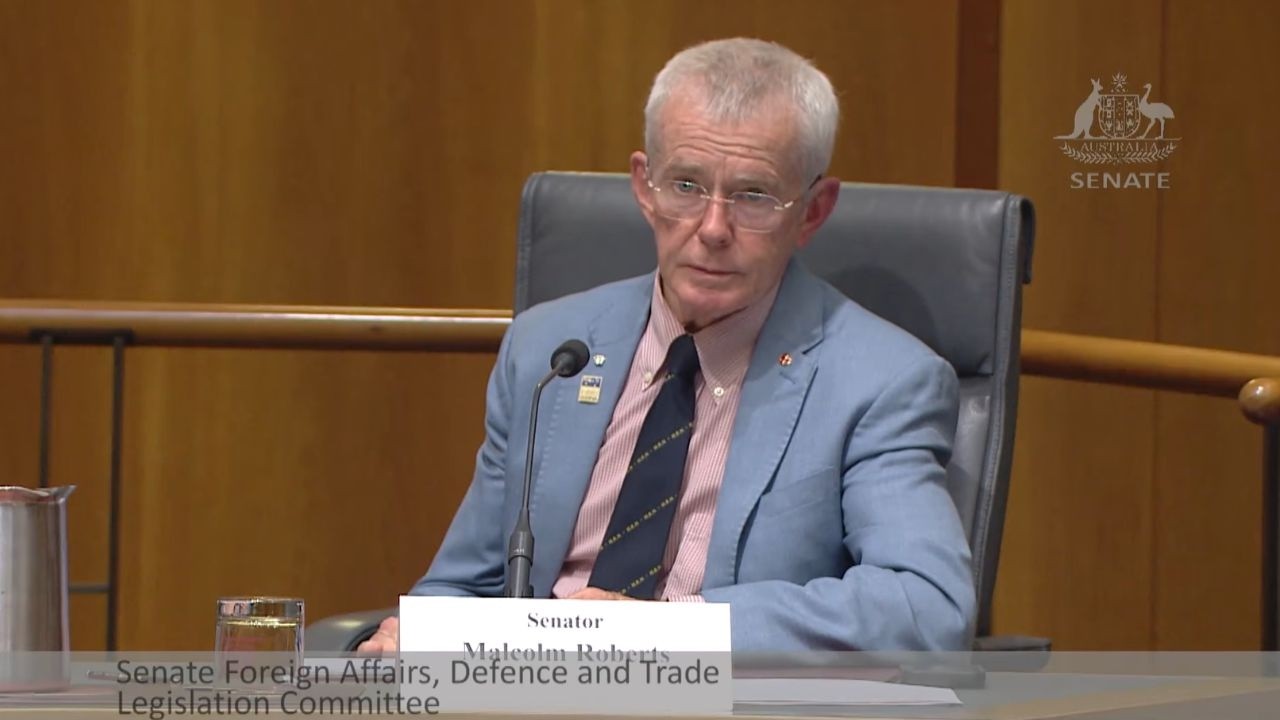
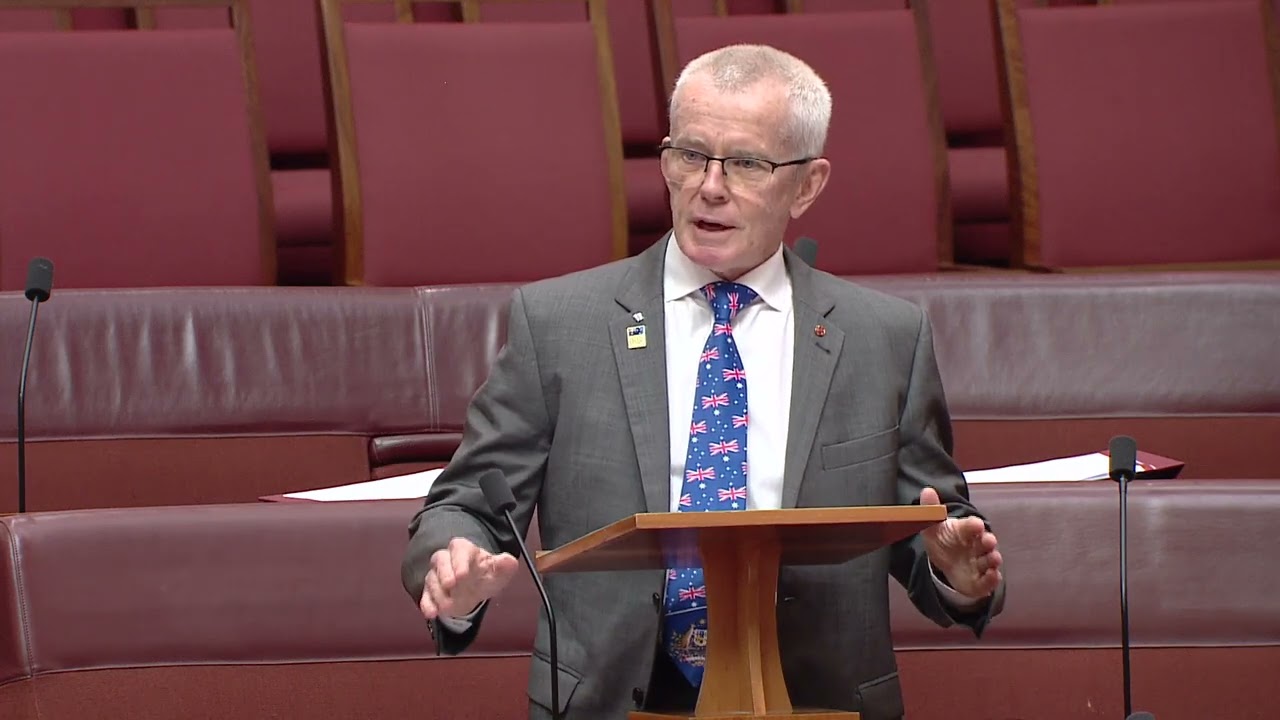
Senator ROBERTS: Thank you all for appearing today. I’ve got two sets of questions; they’re both fairly brief. Firstly, I want to go to your decision not to lay any charges in relation to the 2023 Defence Taipan helicopter crash in the Whitsundays. Four Defence Force personnel—Captain Danniel Lyon, Corporal Alexander Naggs, Lieutenant Max Nugent and Warrant Officer Class 2 Joseph Laycock—died in the crash off the Queensland coast, as you would be aware. Comcare, the country’s workplace, health and safety investigator, delivered a brief of evidence on an investigation to you where they identified two significant breaches of law— category 1 and category 2 offences. Media reporting indicates that the decision to not lay charges may be under review. Is that accurate? If so, is your review still ongoing, or has it been finalised?
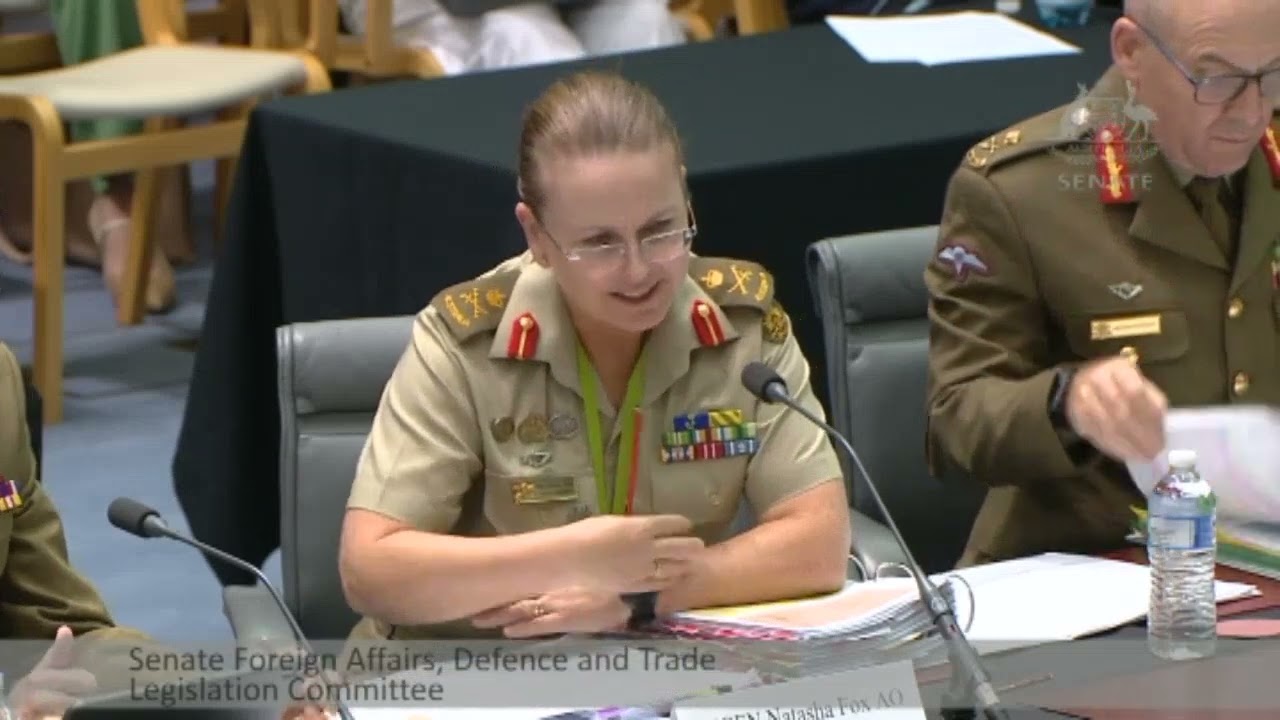
Ms Sharp: Thank you for your question, and I’d like to thank the committee for its interest in the work of my office. Before I answer your question, I would like to take this opportunity to acknowledge the loss of lives—the loss of Captain Danniel Lyon; Corporal Alexander Naggs; Lieutenant Maxwell Nugent; and Warrant Officer Class 2 Joseph Laycock, known as Phillip Laycock. I also recognise the grief of their families. Your information is correct. The decision that was made not to lay charges in relation to the briefs that were referred from Comcare is under review. That’s a review I am personally conducting, and that review is ongoing.
Senator ROBERTS: When do you expect it to be finished?
Ms Sharp: I can’t give you a date for that. I’ll give it the attention it deserves. It’s an important matter and needs to be done thoroughly.
Senator ROBERTS: Why did you decide to not lay those charges in the first place, when the federal investigator laid a brief of evidence on your desk that very clearly identified potential offences?
Ms Sharp: Prosecutions are taken in accordance with the Prosecution policy of the Commonwealth. This is a publicly available document. It outlines the steps that are undertaken to determine whether a prosecution can be laid. The first step is whether there’s a prima facie case: has there been an offence committed? The second step is: are there reasonable prospects of conviction? This involves a thorough analysis of the evidence contained in a particular brief of evidence. It’s only then, if there are reasonable prospects of conviction, that the third stage of the test—whether the proceeding is in the public interest—is considered. In this case, it was determined that there were not reasonable prospects of conviction, based on the evidence contained in the briefs referred by Comcare.
Senator ROBERTS: Is that what you’re reviewing?
Ms Sharp: Yes.
Senator ROBERTS: The families want this to go to court. You’d be aware of that, I’d say.
Ms Sharp: Yes.
Senator ROBERTS: The workplace investigator says this should go to court. The commission of inquiry has had extensive evidence, and you say, ‘No, we aren’t laying charges.’ Why not? What turned you against it?
Ms Sharp: As I said, the evidence that was referred in the briefs by Comcare was considered. On the basis of that evidence, there were not reasonable prospects to convict. I understand the family’s desire for this matter to go to court. All of the things that the family have identified are relevant to the public interest. I can say that if there were reasonable prospects, the prosecution of these charges would clearly be in the public interest. But that’s the third stage of the test.
Senator ROBERTS: Do any of your employees who worked on the referral for this Taipan helicopter crash have any current or previous association with the Department of Defence? You can take that on notice.
Ms Sharp: Not to my knowledge, but I’d have to take that on notice.
Senator ROBERTS: Thank you. Do you feel you have adequate resources and budget to take on this matter?
Ms Sharp: Yes.
Senator ROBERTS: Thank you. I appreciate your direct answers; it’s refreshing. Turning to another case, I’m alarmed by the recent trend in some states to reduce sentences for heinous crimes because of historical cultural experiences. I’ll get to the federal implications here. One recent state case—this is a state case I’m citing— involved a person from overseas who was convicted of child sexual offences and had his sentence reduced because the trial judge felt that, because of his previous exposure to such activity, it would be unfair for him to be severely punished if he believed what he was doing was not seriously wrong. I think that’s horrified a lot of Australians, and constituents have contacted us. Since when has the law reduced sentences simply because the defendant thought it was okay to commit sexual offences against children?
Ms Sharp: I’m not sure that that’s how the law operates; you’ve conflated a number of factors. When a sentence is imposed—I am really speaking about the role of courts here, which is outside my direct operation. When courts are determining what sentence to impose, they consider a whole range of factors. Many of those are set out in the Crimes Act, but some are set out by the common law, by the courts as they develop the law of sentencing over time. Those factors include the personal circumstances of both the victim and the offender.
Senator ROBERTS: A lot of our constituents would be very upset with the decision. They’re telling us they are. They think the judiciary needs to be re-educated, but that’s not for you; I accept that. Can you reassure the Australian public that such a claim would not result in a similar discount if the offence was a Commonwealth one?
Ms Sharp: Senator, I’m not sure precisely what the claim is. I can say that we make submissions to courts about what we think the appropriate sentence is—what we think are the appropriate factors relevant to sentencing, but those factors do include the personal circumstances of an offender. That’s simply the state of the law, and that’s set out in the provisions of the Crimes Act which deal with how sentences are to be imposed in relation to federal offences.
Senator ROBERTS: Isn’t it pretty clear cut that molesting a child, sexually abusing a child, sexually assaulting a child, is exactly that? The law would be pretty clear cut on that, wouldn’t it?
Ms Sharp: Is exactly an offence? Yes, it is an offence.
Senator ROBERTS: And the sentence would be lessened if the male comes from a country where paedophilia is allowed?
Ms Sharp: No. Senator, I’m not sure of the particular details of the case about which you’re speaking. At a general level, at a high level, the personal circumstances of an offender are relevant to determining what the appropriate sentence is for every case. It’s not a question of whether that lessens the gravity of the offence. It’s just one of the factors that go into the mix in determining what is the appropriate sentence for a particular matter.
Senator ROBERTS: I’m at a loss for words. Anyway, thank you very much.