
Why are courts reducing sentences for child sex offenders based on cultural background? This deeply troubling question was one I raised during Estimates.
I cited a case where a convicted child sex offender had his sentence reduced because the judge believed his cultural upbringing made him think the crime wasn’t seriously wrong. Australians are rightly horrified. I asked whether such reasoning could ever apply to Commonwealth offences. Ms Sharp assured me that while courts consider personal circumstances, the gravity of the offence remains. Still, the fact this even happens is alarming.
— Senate Estimates | October 2025
Transcript
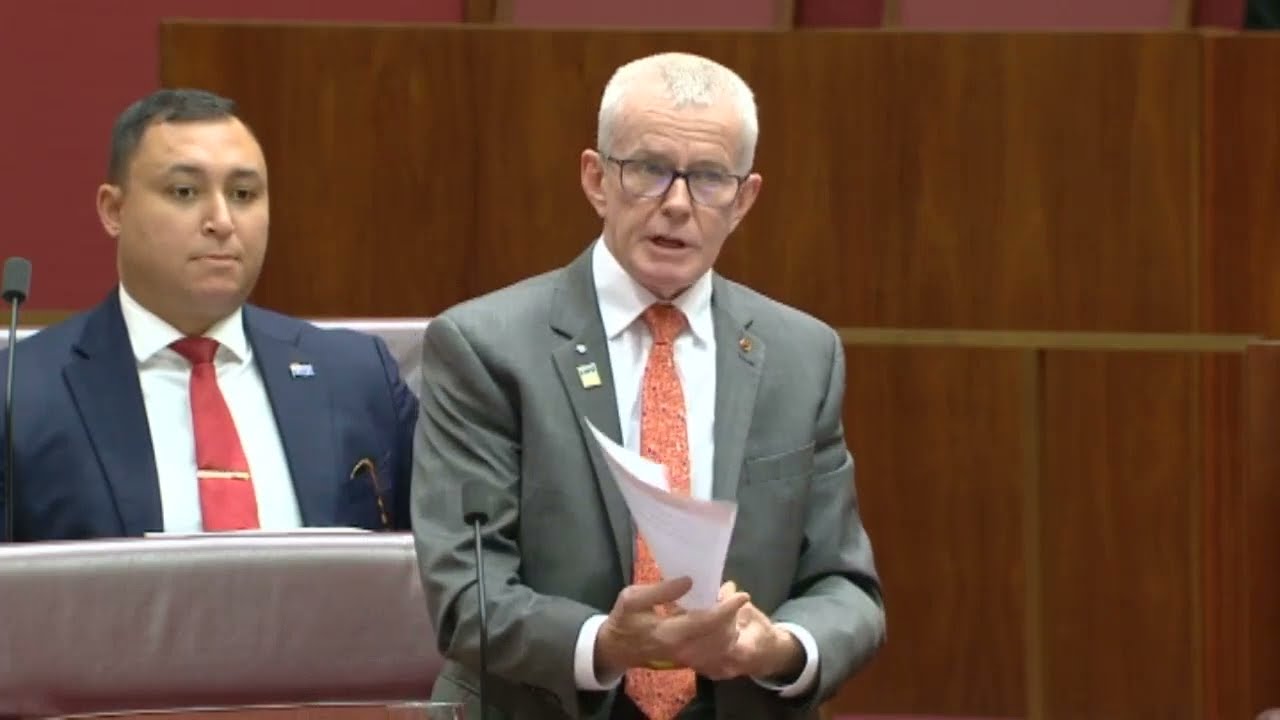
Senator ROBERTS: Turning to another case, I’m alarmed by the recent trend in some states to reduce sentences for heinous crimes because of historical cultural experiences. I’ll get to the federal implications here. One recent state case—this is a state case I’m citing— involved a person from overseas who was convicted of child sexual offences and had his sentence reduced because the trial judge felt that, because of his previous exposure to such activity, it would be unfair for him to be severely punished if he believed what he was doing was not seriously wrong. I think that’s horrified a lot of Australians, and constituents have contacted us. Since when has the law reduced sentences simply because the defendant thought it was okay to commit sexual offences against children?
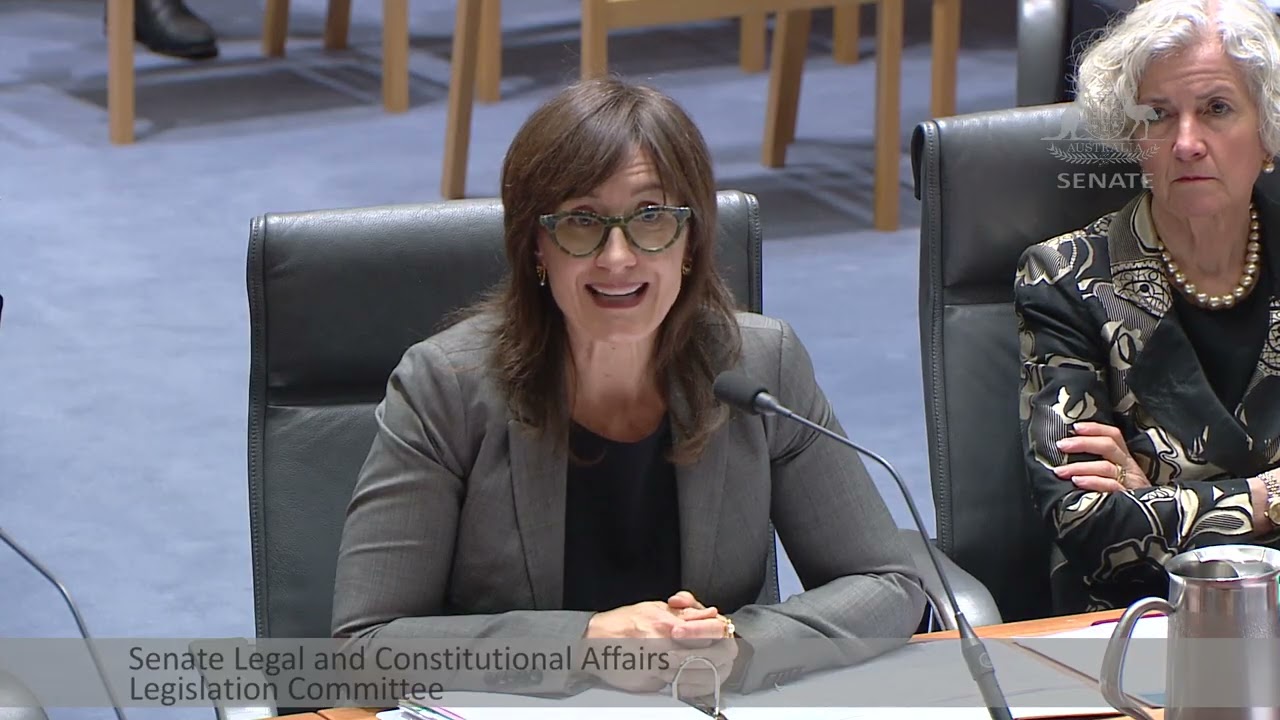
Ms Sharp: I’m not sure that that’s how the law operates; you’ve conflated a number of factors. When a sentence is imposed—I am really speaking about the role of courts here, which is outside my direct operation. When courts are determining what sentence to impose, they consider a whole range of factors. Many of those are set out in the Crimes Act, but some are set out by the common law, by the courts as they develop the law of sentencing over time. Those factors include the personal circumstances of both the victim and the offender.
Senator ROBERTS: A lot of our constituents would be very upset with the decision. They’re telling us they are. They think the judiciary needs to be re-educated, but that’s not for you; I accept that. Can you reassure the Australian public that such a claim would not result in a similar discount if the offence was a Commonwealth one?
Ms Sharp: Senator, I’m not sure precisely what the claim is. I can say that we make submissions to courts about what we think the appropriate sentence is—what we think are the appropriate factors relevant to sentencing, but those factors do include the personal circumstances of an offender. That’s simply the state of the law, and that’s set out in the provisions of the Crimes Act which deal with how sentences are to be imposed in relation to federal offences.
Senator ROBERTS: Isn’t it pretty clear cut that molesting a child, sexually abusing a child, sexually assaulting a child, is exactly that? The law would be pretty clear cut on that, wouldn’t it?
Ms Sharp: Is exactly an offence? Yes, it is an offence.
Senator ROBERTS: And the sentence would be lessened if the male comes from a country where paedophilia is allowed?
Ms Sharp: No. Senator, I’m not sure of the particular details of the case about which you’re speaking. At a general level, at a high level, the personal circumstances of an offender are relevant to determining what the appropriate sentence is for every case. It’s not a question of whether that lessens the gravity of the offence. It’s just one of the factors that go into the mix in determining what is the appropriate sentence for a particular matter.
Senator ROBERTS: I’m at a loss for words. Anyway, thank you very much.