In early December 2025, the U.S. FDA announced immediate and sweeping reforms to its vaccine approval and monitoring processes. These changes include stricter clinical trials, restrictions on high-risk groups such as pregnant women, and a comprehensive overhaul of vaccine safety monitoring.
I asked the Australian TGA whether they were following these developments and if there was a need for Australia to adopt similar measures. Their response was a “no,” wrapped in many pointless words.
Health Secretary Kennedy is making great progress in dragging the medical establishment back to the center. At present, I believe pharmaceutical companies and their profits exert too much influence on our health administration, to the detriment of common sense, honesty, and duty of care.
I will continue to hold the TGA to account.
– Senate Estimates | December 2025
Transcript
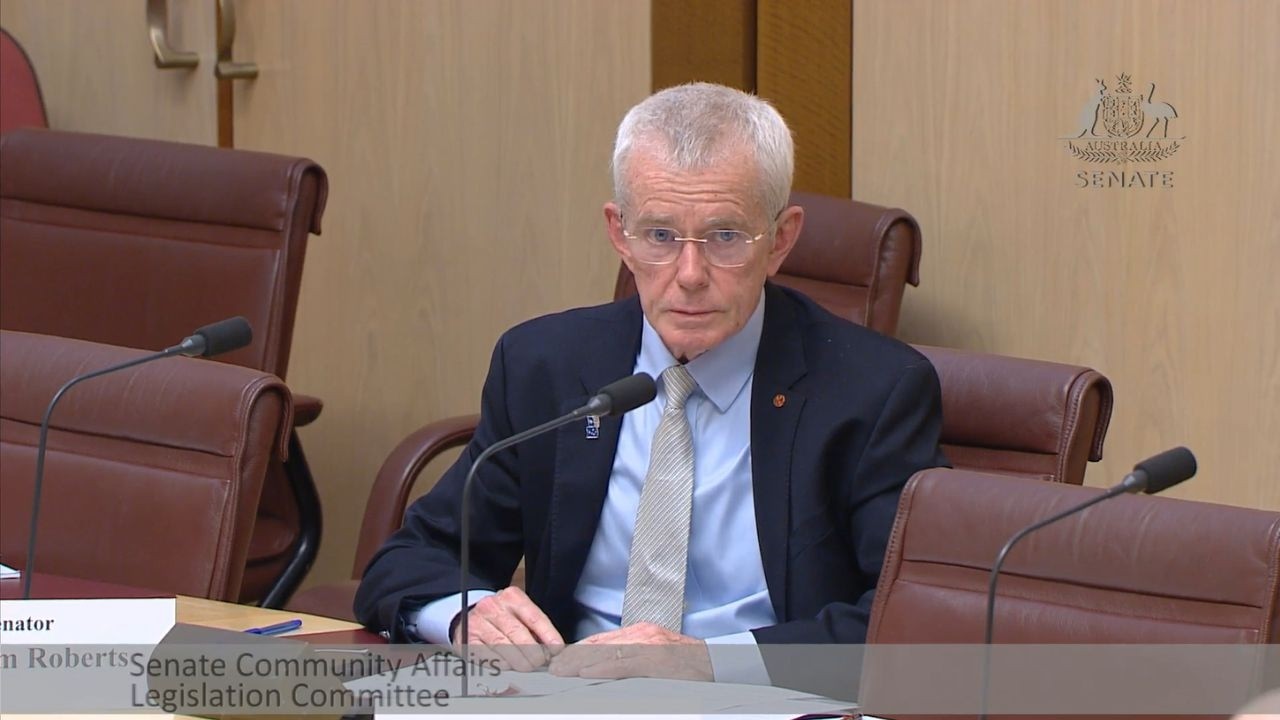
Senator ROBERTS: For now. The FDA announced immediate and sweeping reforms to their vaccine approval and monitoring processes, including stricter clinical trials; restrictions on high-risk groups, such as
pregnant women; and an overhaul of the vaccine safety monitoring system. This is going on under a new administration. The reforms closely mirror measures which operated in Australia until COVID, when our safety
assessments and monitoring were watered down with fast-track approval and emergency-use authorisation for a multitude of drugs. Will you accept that weak approval processes, high-adverse events and blanket denials that anything is wrong have undermined confidence in the entire health system in this country?
Prof. Lawler: There are a couple of things there, if I might comment. We didn’t use emergency-use authorisation. We adopted what is called a provisional pathway—
Senator ROBERTS: It’s equivalent.
Prof. Lawler: It’s not equivalent; it’s quite different. The reason that we undertook it was that, like the rest of the world, we recognised that there were risks that the community was facing, and we worked very closely with other regulators to understand what was emerging. Tonight, you previously mentioned relying on the FDA. It’s really important that, when we talk about reliance, it’s a specific term. It’s not like, if the FDA has approved it, then we automatically register it—
Senator ROBERTS: I’m just using Professor Skerritt’s words.
Prof. Lawler: I wasn’t here when Professor Skerritt gave you those words; I’m just trying to explain where we’re at.
Senator ROBERTS: He said he didn’t do any testing here—
CHAIR: Senator Roberts, can we let Professor Lawler finish his answer, please.
Prof. Lawler: It’s not like, if the FDA hasn’t approved it, we say, ‘You shall not pass.’ What happens is that we look to the information that other regulators have when making our own decisions. I think the important thing as well to note is that we do very much rely on our approvals. We do have, as other regulators have, both pre-market and post-market evaluation and monitoring. But the point that you made about trust is a very important one. We had a presentation at our International Coalition of Medicines Regulatory Authorities earlier this year about trust. There was a very strong driver of trust in institutions, in regulations and in health professionals. The very strong downward driver of it is misinformation and disinformation. Part of the challenge that we have is that, as we hear very frequently, there are a lot of studies, for instance, of very low quality that are being taken up and used as evidence or proof of causal links that just do not exist. Part of the challenge we have is that we do strive to rebuild trust. On two occasions in the last two months, the chief medical officer and I have endeavoured to do that through public statements, and it is a constant battle.
Senator ROBERTS: It’s something we’ve found agreement on. I understand there was a paper in the Lancet a few years ago that said that 50 per cent of medical papers are not valid. Now, we’ve got increasing knowledge coming out and evidence showing that big pharma has heavily influenced the scientific papers and has corruptly done so. This is my last question. Will you monitor the changes in the United States in case the new team under Kennedy is actually right about what has gone before them and right about the changes being necessary?
Prof. Lawler: We monitor all of the developments by our international collaborative partners in regulation.
CHAIR: Thank you.