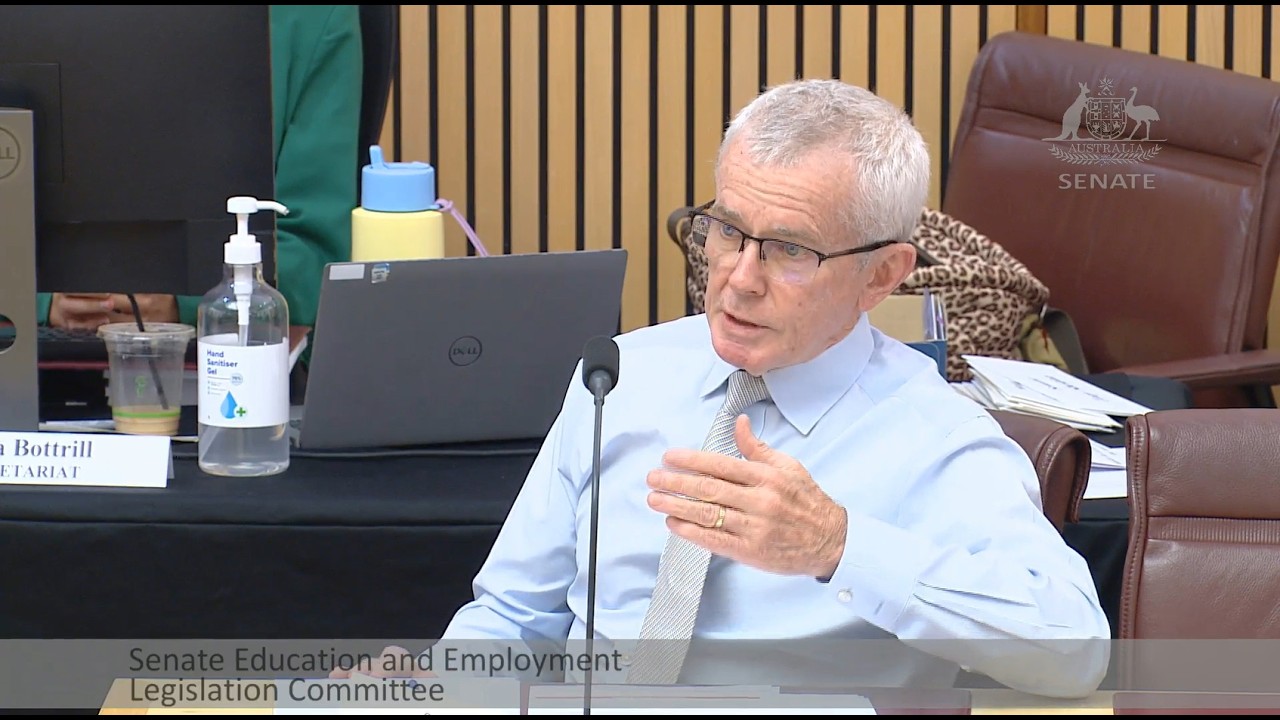
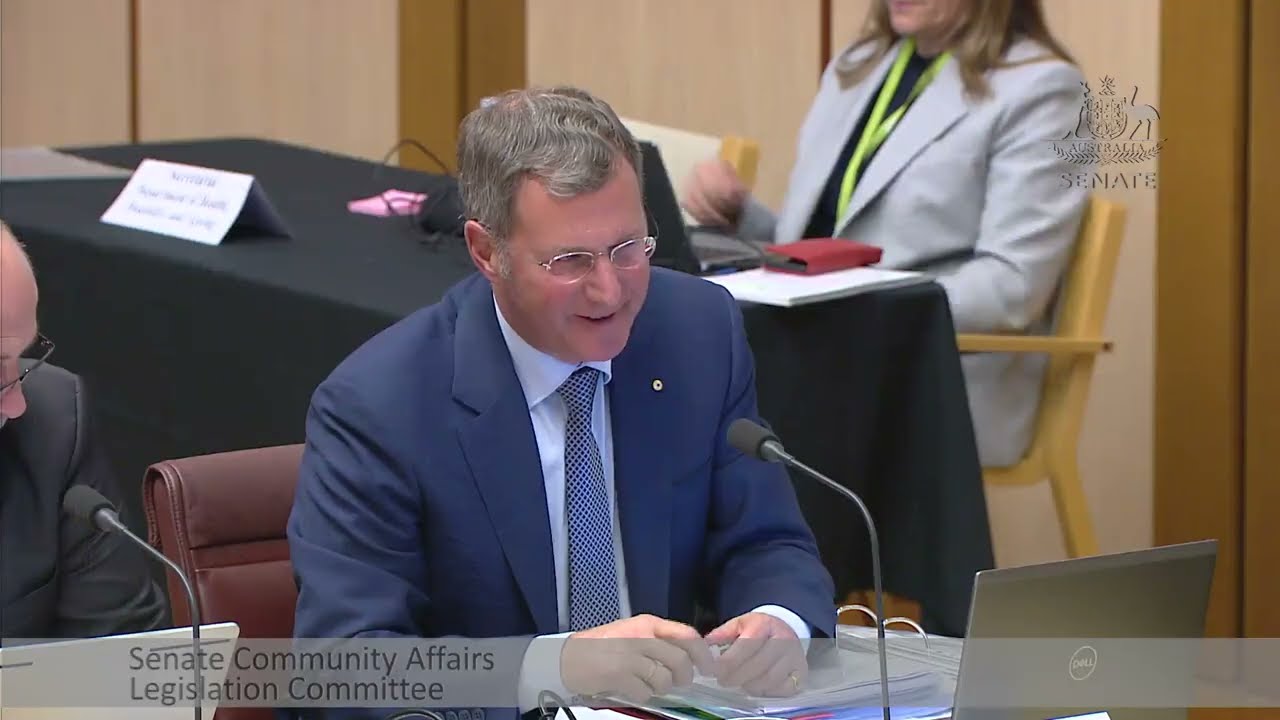
In this session of Senate Estimates, I sought clarity on the operation of the Indigenous Procurement Policy (IPP). There’s a lot of confusion around whether government contracts over $7.5 million must be awarded to Indigenous businesses.
After questioning officials, it’s clear that this isn’t the case. The policy doesn’t mandate awarding contracts based on race—it requires that, for large contracts delivered in Australia, companies meet minimum Indigenous participation targets. These targets can be achieved through employment, subcontracting, or a combination of both.
Australians deserve transparency on how their taxpayer money is spent. While the government says these measures aim to close the gap, we must ensure that procurement decisions remain focused on value for money and fairness for all. I’ll continue to scrutinise policies that risk introducing race-based preferencing into government processes. Accountability matters.
— Senate Estimates | December 2025
Transcript
Senator ROBERTS: Alright, I’ll move on to clarifying the operation of the Indigenous procurement policy. I’m told that every Commonwealth agency is obligated to choose Indigenous content on contracts over $7.5
million, so if there’s a choice between a white employer and an Aboriginal employer the government must choose the Aboriginal agency. Is that correct?
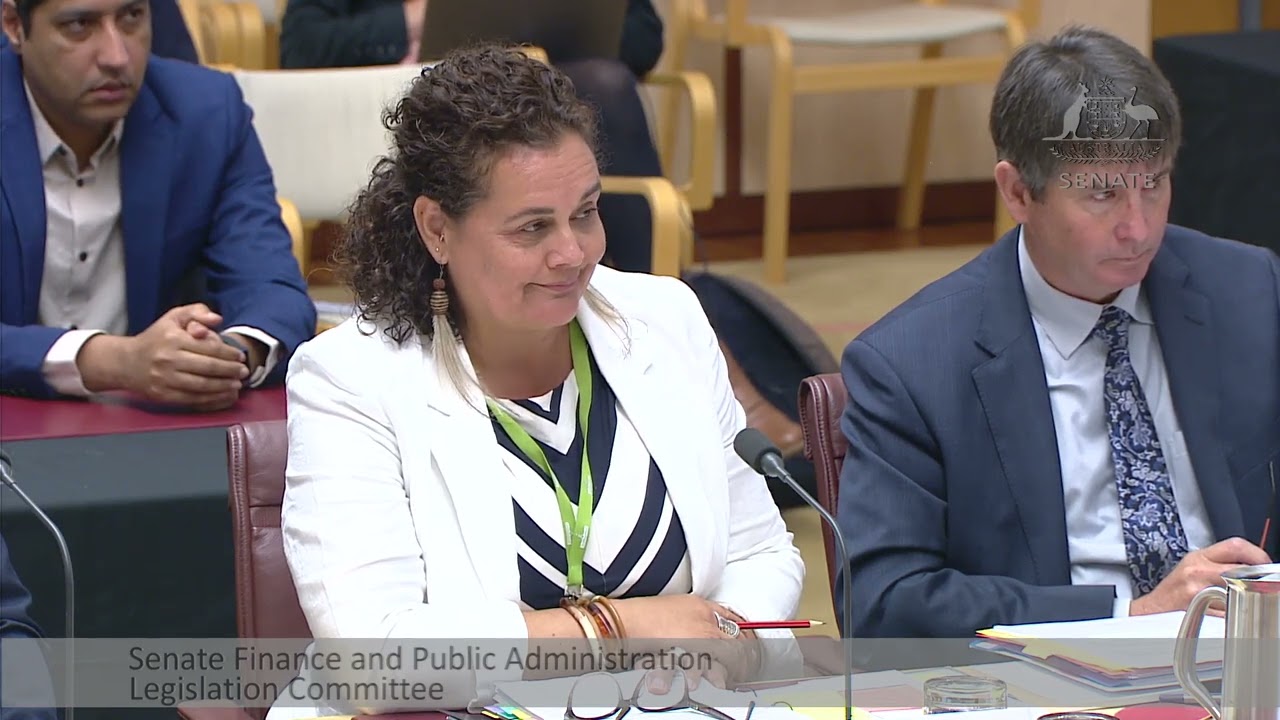
Ms Guivarra: I think you’re referring to mandatory minimum requirements which actually relate to employment. There are mandatory set-aside requirements for contracts valued between $80,000 and $200,000,
where, all other things being equal, if it is an Aboriginal organisation, then a preference is allocated.
Senator ROBERTS: Are you talking about employment or expenditure?
Ms Guivarra: No. I think the figure you were referring to was the $7.5 million, which refers to the mandatory minimum requirements. For contracts over $7½ million, there’s an employment target.
Mr Dexter: That’s right. The $7.5 million threshold is one part of the IPP. It’s the mandatory minimum Indigenous participation requirement. It does not require Commonwealth agencies to grant those contracts to
Indigenous businesses. That’s not a feature of the IPP.
Senator ROBERTS: So if the contract is granted, then they must hire—
Mr Dexter: What it does require is for there to be mandatory minimum Indigenous participation targets as part of that contract, and that’s for contracts delivered wholly in Australia valued at $7.5 million or more in 19
industry categories. That’s been one of the three parts of the IPP since 2015.
Senator ROBERTS: Minister, what’s the basis for the government engaging in race based preferencing?
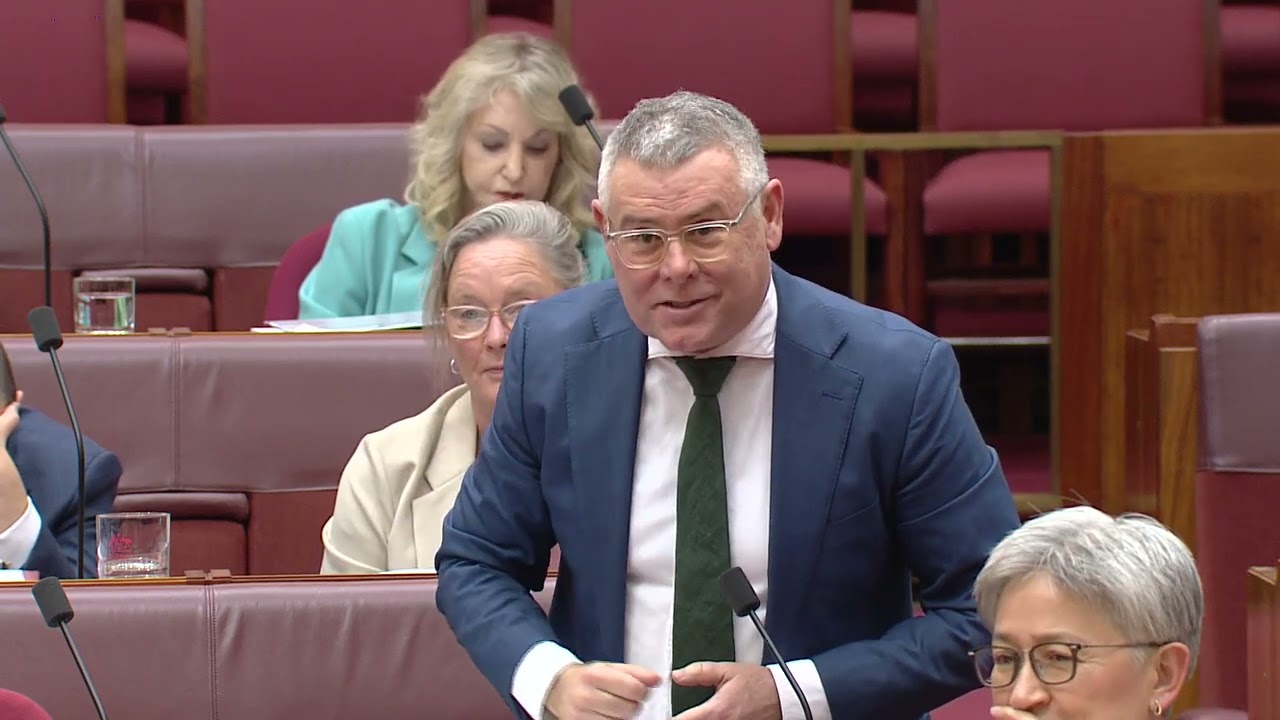
Senator McCarthy: I reject outright your assertion there. I have called on all senators and members of parliament to join me in trying to close the gap in terms of the targets we’re trying to achieve. Those targets are
specifically aimed at trying to improve Indigenous employment and Indigenous businesses, and we make no apologies for that.
Senator ROBERTS: So, all things being equal, an Aboriginal will be preferred based on race to a non Aboriginal?
Mr Dexter: No, that’s not correct.
Senator ROBERTS: I’m exploring this.
Mr Dexter: I’m trying to be helpful in clarifying that that’s not a requirement of the policy. In selecting those contracts, Commonwealth procurement officials are always required to demonstrate value for money for the
contract, whether there are MMRs applied for the contract or not.
Senator ROBERTS: But then there will be hiring criteria that are favourable to Aboriginals if the company gets a contract. Is that correct?
Mr Dexter: How the supplier meets those targets is entirely a matter for the company. They can do it through subcontracting arrangements, they can do it through employment arrangements or they can do it through a
combination of both.
Senator ROBERTS: Okay. Thank you very much.