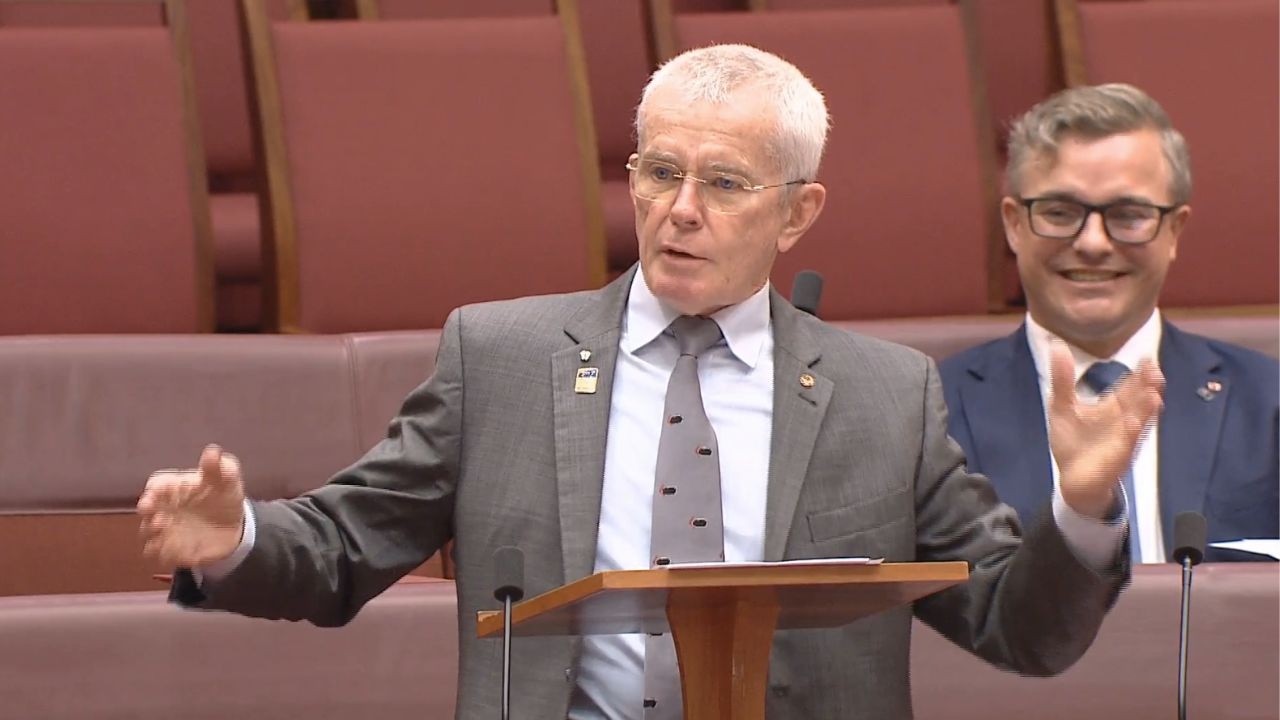
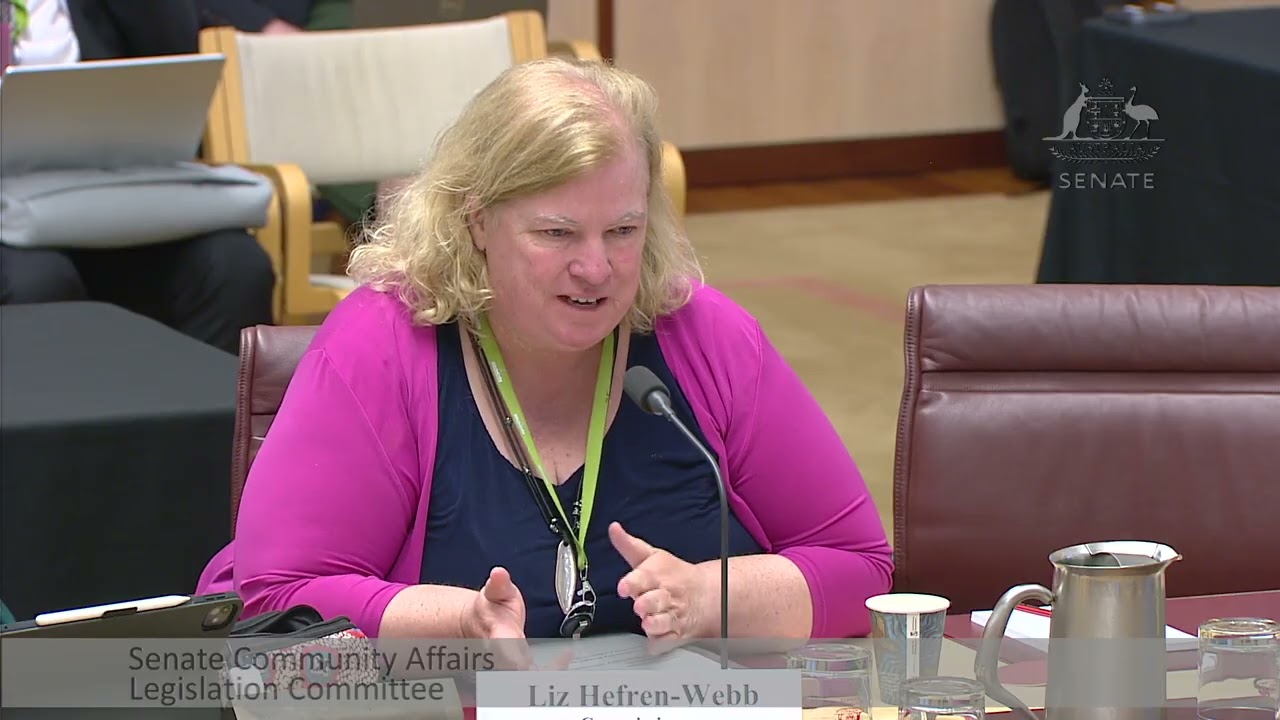
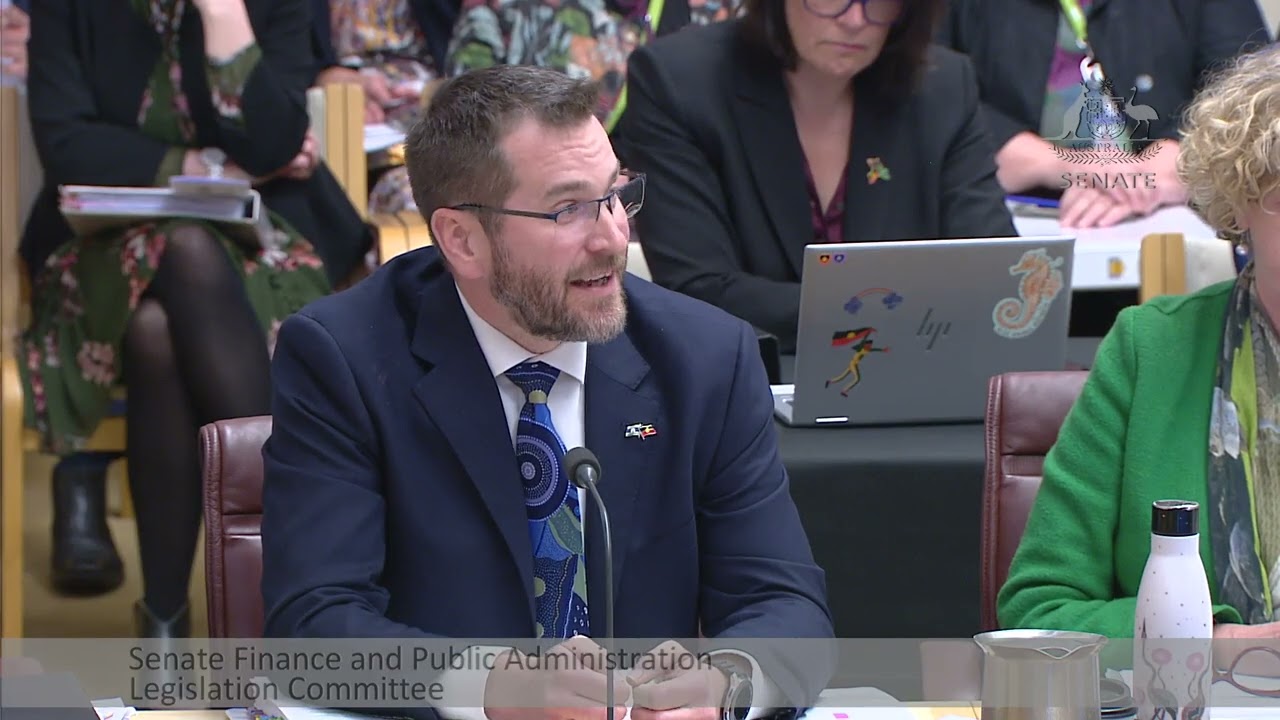
Question Time: I asked the government why its refugee program seems to favour cultures that struggle to integrate while ignoring persecuted Christians—people who share similar values to ours and are being slaughtered right now.
Minister Watt couldn’t answer and has taken my questions on notice.
Update: Minister Watt has since provided answers, which I’ll address in a follow-up video below 👇titled – Four Islamic Nations Dominate Our Refugee Intake
Transcript
Senator ROBERTS: My question is to the Minister representing the Minister for Home Affairs, Senator Watt, regarding humanitarian visas. In the 2024-25 financial years or the 2024 calendar year,
what are the top five countries of origin of refugees to which your government granted humanitarian visas?
Senator WATT (Queensland—Minister for the Environment and Water): Thanks, Senator Roberts. I don’t have that level of detail with me but am happy to come back to you on notice.
The PRESIDENT: Senator Roberts, first supplementary?
Senator ROBERTS: In that period, how many refugee visas were granted overall, and how many of those were issued to Nigerian Christians and South African farmers?
Senator WATT: Again, I’ll come back to you on notice.
The PRESIDENT: Senator Roberts, second supplementary?
Senator ROBERTS: Minister, Islamic cultures and cultures foreign to Australia need a lot of work to integrate into our country, yet your government’s refugee program disproportionately favours
Islamic and foreign cultures over Christians, who have a similar culture to Australia’s. Minister, why does your government’s refugee program deliberately exclude Christians who are being slaughtered as we speak?
Senator WATT: Senator Roberts, I’m not quite sure that you’re telling the truth there. I have said that I will come back to you on notice with the facts, but
Australia has had a non-discriminatory immigration policy for many decades, which has been supported up until now, at least, by the Liberal Party. I’m not quite sure what their position is on these matters these days, but we remain proudly in support of a non-discriminatory migration policy, and it will remain that way under Labor as long as we’re in government
Four Islamic Nations Dominate Our Refugee Intake
Follow-up to my video titled “Why Is the Refugee Program Ignoring Persecuted Christians?”
In that video, I questioned the government about the refugee program appearing to prioritise cultures with poor integration outcomes over those who share our values and are facing severe persecution. Minister Watt undertook to provide answers on notice—and has since done so. I’ll address his response in this update.
After reviewing those answers, I again used Question Time to ask why 73% of Australia’s humanitarian visas—14,500 out of 20,000—are allocated to five countries: Afghanistan, Syria, Myanmar, Iraq, and Malaysia. Four of these nations are predominantly Islamic.
Minister Watt responded by stating that the Australian Labor Party supports a non-discriminatory immigration policy and does not discriminate against people on the basis of faith.
I asked the Minister whether Labor is cherry-picking UN advice to exclude Christians. Despite UN guidance to protect them, Christians persecuted in countries such as Nigeria, Pakistan, Iran, and Eritrea appear to be ignored.
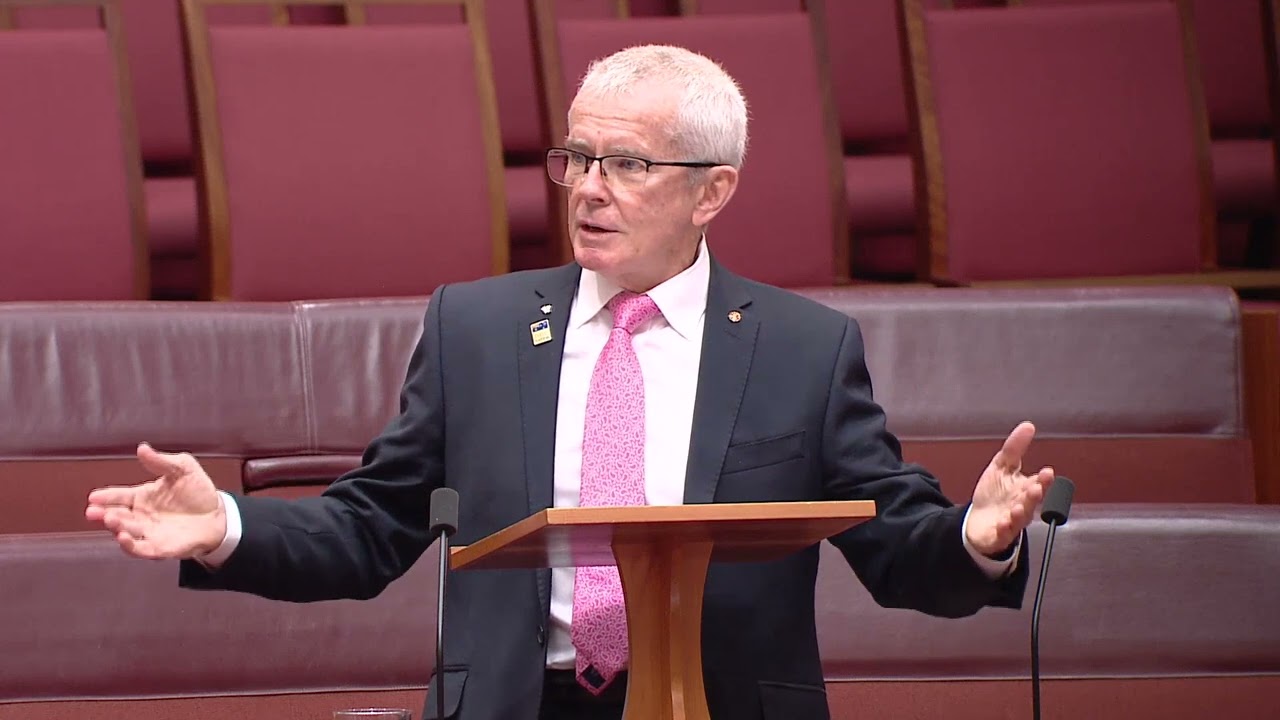
Transcript
Senator ROBERTS: My question is to the Minister representing the Minister for Immigration and Citizenship, Minister Watt. I thank the minister for his written response to my last question without notice on refugee numbers. From your reply, Minister, the top five countries for our humanitarian program, comprising 14,500 of our 20,000 humanitarian visa intake, or 73 per cent, are Afghanistan, Syria, Myanmar, Iraq and Malaysia. Four of these have Islam as their dominant or state religion. The fifth, Myanmar, is Buddhist, yet the UN Human Rights Council prioritises Rohingya refugees, who are Islamic. It seems deliberate, Minister, that your humanitarian visa program is overwhelmingly favouring Islamic refugees over Christian refugees. Why?
Senator WATT (Queensland—Minister for the Environment and Water): Thank you, Senator Roberts, for the question. I think the last time you asked me a question about this I pointed out that the Australian Labor Party, perhaps unlike other parties in this chamber, proudly stands for a non-discriminatory immigration policy. We don’t rule people out on the basis of their faith, on the basis of their race or on the basis of the country that they come from. Listening to the list of countries that you just provided to us—
Senator McKim: Just their mode of arrival, hey?
The PRESIDENT: Order!
Senator WATT: I would argue that the common feature of each of those countries is not so much their religion but the fact that they are war torn and that they are countries that people are fleeing because of concerns for their safety.
Senator McKim: What if they arrive by boat, Murray?
Senator WATT: Senator McKim seeks to keep interrupting. It’s a—
The PRESIDENT: Minister Watt, I’ve got Senator Wong on her feet.
Senator Allman-Payne: Oh!
Senator Wong: I’m sorry, Senator Allman-Payne—you don’t want me to take a point of order? President, there have been interjections from that particular senator, Senator McKim, through the response to the previous question that was asked by the Greens and now through this. I would ask you to ask him to cease the interjections on this minister.
The PRESIDENT: Thank you, Senator Wong. I have personally called Senator McKim to account on the previous question, and I just called order. I am reluctant, always, to interrupt those that are either asking or answering questions, but, Senator McKim, just cease. Thank you.
Senator WATT: As I was saying, our government and the Labor Party stand for a non-discriminatory immigration policy, and we don’t discriminate against people on the basis of their faith. As Senator Ayres was mentioning, I think what we’re seeing and hearing here from One Nation is foreshadowing where we’re going to see the coalition end up on immigration policy in a matter of weeks, because we know that’s what happened when it came to net zero policy. It started with One Nation railing against wind farms and railing against net zero, and then it spread to the National Party, and then it spread to the Liberal Party, and then it even spread to the so-called moderates in the Liberal Party, who had to cave in to the conservatives, the Nationals and One Nation on their opposition to net zero. So what we’re seeing here, I predict, is what we will see within a matter of weeks as the immigration policy of the Liberal Party. Hello, Senator Duniam. You’re in charge now, along with Senator Scarr. Senator Scarr might have to face a situation where he has to explain to those Brisbane multicultural groups why he’s followed One Nation when it comes to immigration policy.
The PRESIDENT: Thank you, Minister Watt. Senator Roberts, first—
Honourable senators interjecting—
The PRESIDENT: Senator Roberts, just wait. I’m calming the chamber down. Please continue. First supplementary?
Senator ROBERTS: Your letter admits Australia has not issued one humanitarian visa in Nigeria, yet the current United Nations Human Rights Council guidance, since 2016, has promoted protecting Nigerian Christians from Islamists, citing hundreds—now thousands—of deaths. Similar guidance exists for protecting Christians in Islamic Pakistan, in Iran, in Eritrea and in the Democratic Republic of the Congo. Minister, are you cherrypicking which United Nations Human Rights Council guidance you follow to exclude Christians and favour Islam? (Time expired)
Senator WATT: No.
The PRESIDENT: Senator Roberts, second supplementary?
Senator ROBERTS: Minister, it is a person’s religion—for instance, Christian in an Islamic country—that places them in danger, which is the reason for the United Nations Human Rights Council guidance in that country, for their own safety. Yet your letter says you can’t tell me how many of the humanitarian visas issued are for that reason. Isn’t that reason in their case file, and wouldn’t you have to let the United Nations Human Rights Council know how many refugees we took and why?
Senator WATT: No.