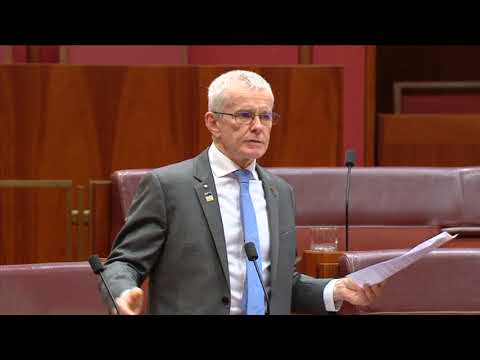
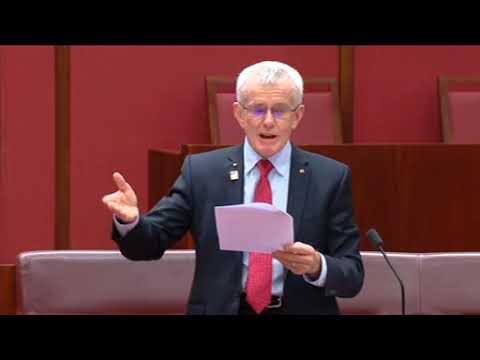
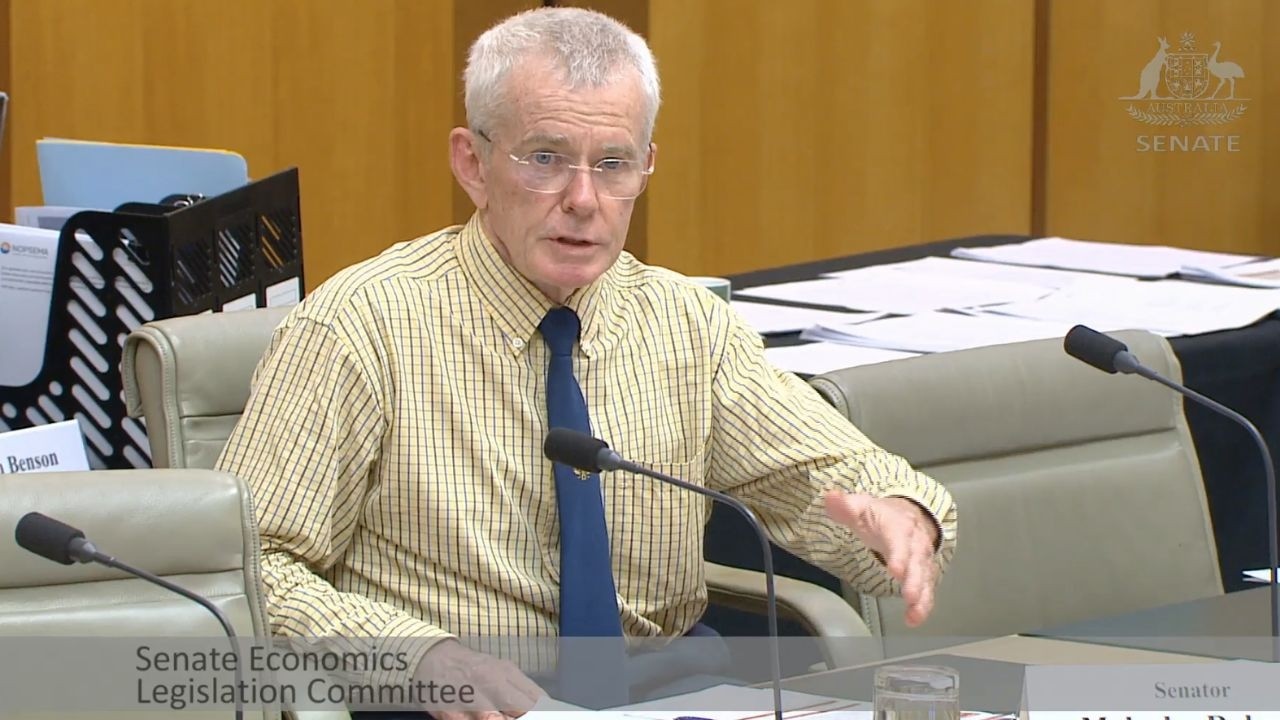
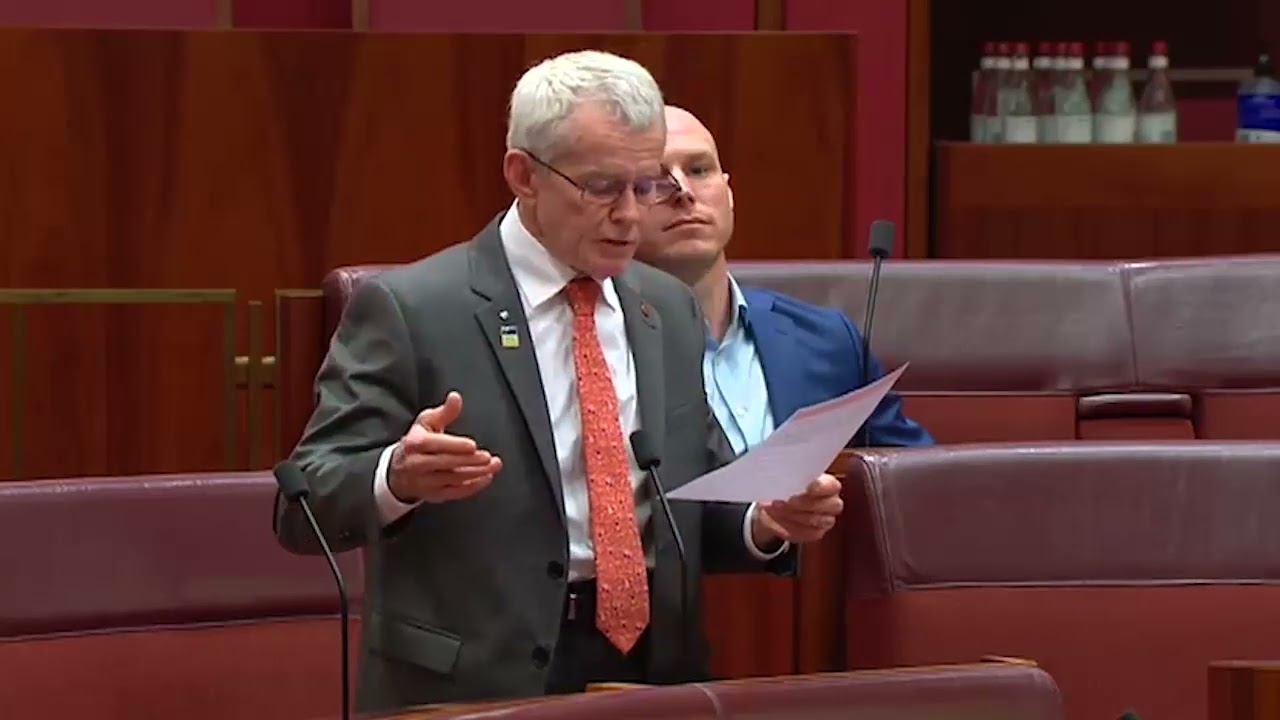
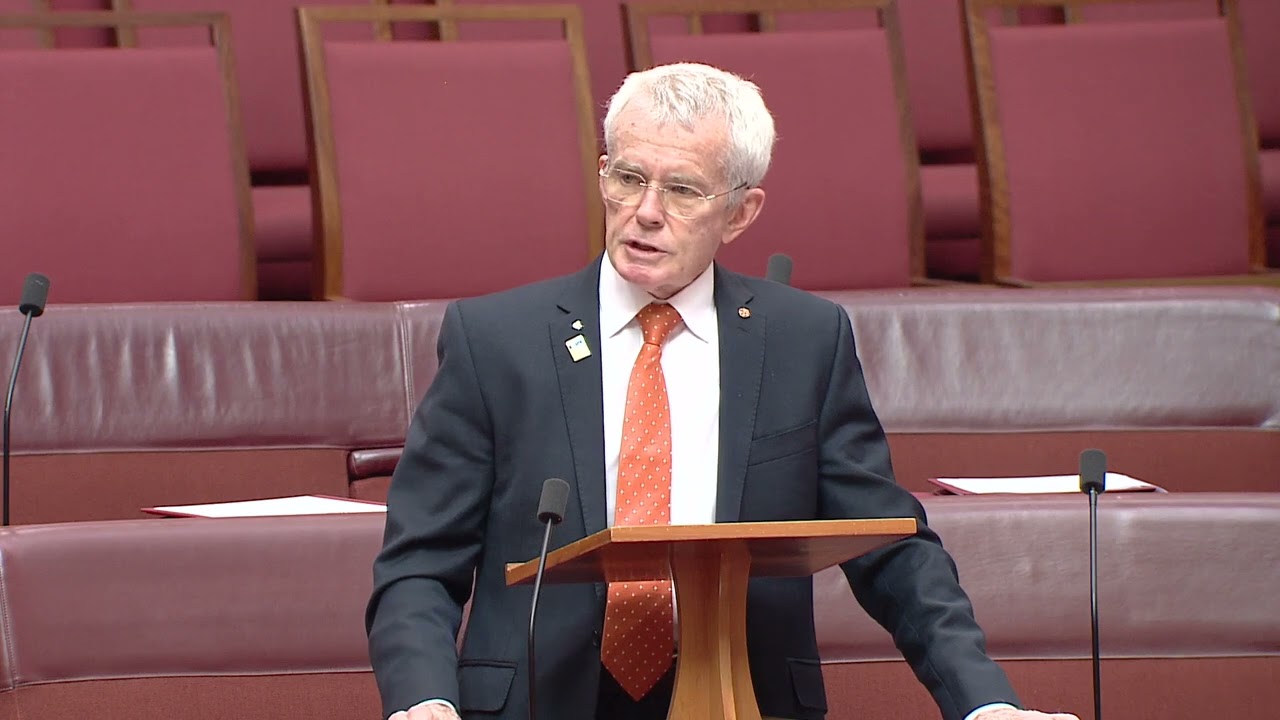
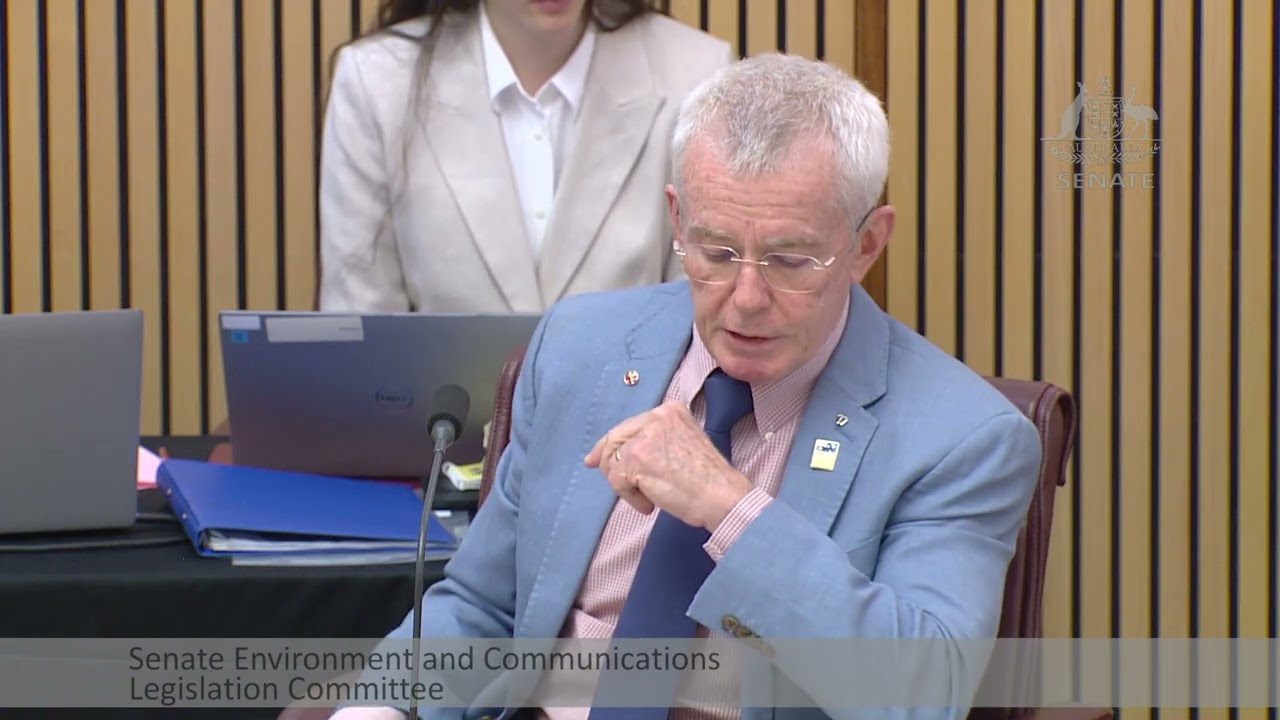
During my time with the National Anti-Corruption Commission (NACC) in Senate estimates, I raised serious concerns about the handling of the Robodebt referral. The inspector’s report revealed that Commissioner Brereton declared a conflict of interest because he knew one of the individuals involved—yet despite that, his involvement in the decision-making was extensive.
The inspector found maladministration under the NACC Act. Mr Brereton contributed to discussions, settled meeting minutes, helped formulate reasons for the decision, and even shaped the media statement. That’s not how a conflict of interest should be managed. To make matters worse, the press release contained a false statement about investigative powers—an error acknowledged by the commission. For a former Supreme Court appeals judge, that’s a serious mistake. This isn’t about one error; it’s about trust.
Australians need confidence that the NACC operates with integrity and independence. When conflicts of interest aren’t properly managed, that confidence is undermined.
— Senate Estimates | October 2025
Transcript
Senator ROBERTS: In relation to the robodebt referral, Mr Brereton declared that one of the people who was subject to the decision not to investigate was a person he knew well.
Mr Reed: That’s correct.
Senator ROBERTS: Where did he know this person from?
Mr Reed: The letter that was tabled here didn’t identify that person’s name. The inspector has investigated that matter, and her report was produced on 30 October last year. It goes into a reasonable amount of detail about how that conflict of interest was managed, and it made a finding of maladministration against the commissioner.
Senator ROBERTS: Maladministration?
Mr Reed: That’s correct, under the NACC Act.
Senator ROBERTS: Despite declaring the conflict of interest, his involvement in the decision-making was comprehensive. That’s what the inspector said.
Mr Reed: That’s what the inspector found.
Senator ROBERTS: I’m now quoting the inspector, who said Mr Brereton contributed to the discussion at that meeting, settled the minutes of that meeting and was involved in formulating the reasons for the decision and also the terms of the media statement.
Mr Reed: And all of those facts are on the record in the inspector’s report.
Senator ROBERTS: And the decision to not investigate someone who had a close association with him; that is correct too?
Mr Reed: Sorry, I think I missed the point of the question.
Senator ROBERTS: The decision to not investigate someone that he had a close association with was his decision?
Mr Reed: The decision taken in relation to robodebt was not a decision of the commissioners; it was a decision or a matter—it was under assessment. It wasn’t an investigation; it was under assessment. That matter was allocated to a deputy commissioner because of the conflict of interest. What the inspector found was that he hadn’t managed that conflict of interest effectively—
Senator ROBERTS: Thank you for clarifying.
Mr Reed: and, therefore, the decision about robodebt was made by a deputy commissioner, not by the commissioner.
Senator ROBERTS: Is my understanding correct that the press release on the decision not to investigate robodebt contained a false statement that another commissioner had the power to investigate those people, and did he, Mr Brereton, suggest including that when he helped formulate the media release?
Mr Reed: All of that was covered in the inspector’s report and—
Senator ROBERTS: Yes, I know.
Mr Reed: the commission acknowledged, as part of that, that that was an error in that statement.
Senator ROBERTS: From a former Supreme Court appeals court judge who would have known this?
Mr Reed: People make mistakes.
Senator ROBERTS: That’s a hell of a mistake. He would have known this. It would have been ingrained in him.
Mr Reed: This has all been explored in the inspector’s report. We’re going back over old ground here.
Senator ROBERTS: The inspector said his involvement in the robodebt decision to not investigate his mates was an error of judgement, would you just acknowledge?
Mr Reed: I don’t think those are the words that were used.
Senator ROBERTS: Was it an error of judgement?
Mr Reed: No. I don’t think ‘mate’ was referred to in that report, but I might be wrong.
Senator ROBERTS: So what would you call it? A colleague? An associate?
Mr Reed: It was a colleague from a former life.
Senator ROBERTS: I’ve been through Mr Brereton’s former position in the appeals court in the Supreme Court of New South Wales. That’s arguably the second highest tier of court in Australia. Is he really trying to make us believe, through you, that, given his experience, he would make such a consequential error of judgement?
Mr Reed: The error has been acknowledged, and it’s on the record, so I’m not quite sure where this is heading.
Senator ROBERTS: It’s heading to a loss of confidence in the NACC. That’s where it’s headed.
Mr Reed: I think it’s unfair that one matter, one aspect of the work of the commission, one of the first decisions that was announced about an assessment, as distinct from an investigation, somehow undermines the NACC for the rest of time.
Senator ROBERTS: It’s a pretty serious issue.